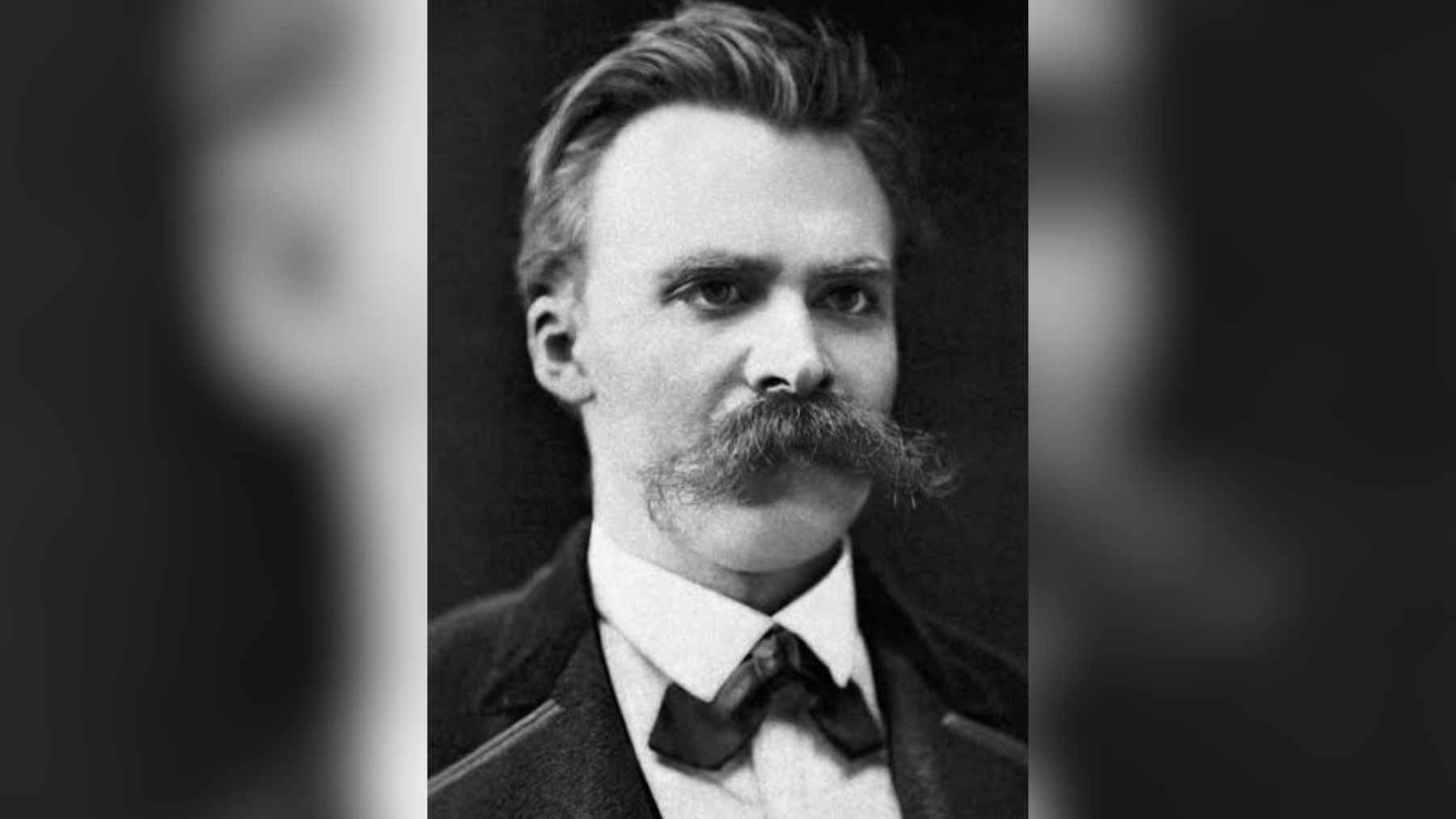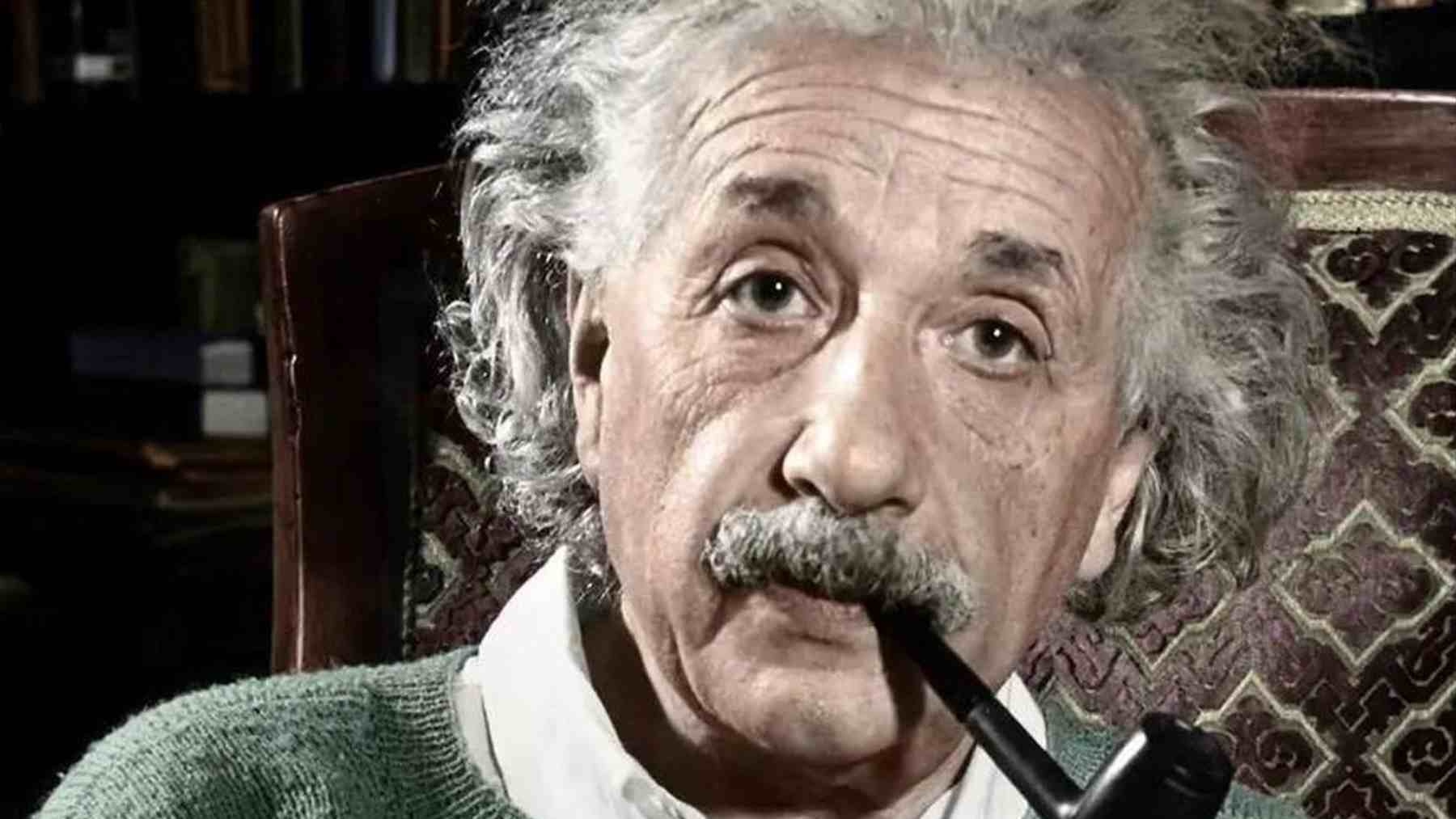
Albert Einstein is usually remembered as the physicist who changed how people think about light, gravity, time, and energy. Nobel Prize records list him as the 1921 Physics laureate, born in Ulm, Germany, and honored “especially for his discovery of the law of the photoelectric effect.”
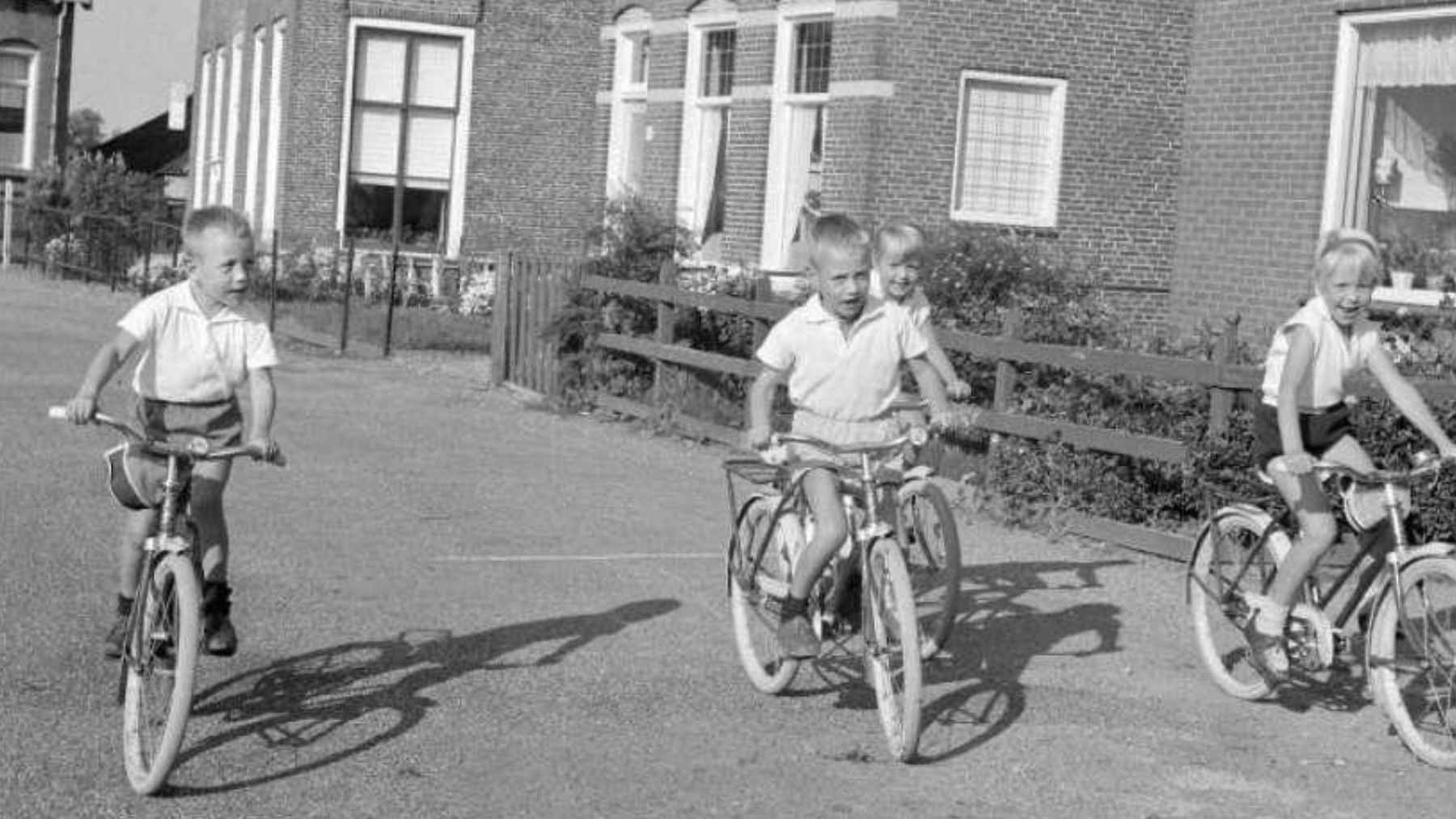
Yet one of his most useful ideas for everyday life has no equation attached to it. “Life is like riding a bicycle. To keep your balance, you must keep moving.” The line has lasted because it turns a complicated wellness truth into something anyone can picture after a hard day, a setback, or one of those weeks when everything feels slightly off.
A quote about balance
The popular version is short, clean, and easy to remember. Quote research has traced a similar wording to Einstein Archives material, with a more literal translation saying that only while moving can a person comfortably keep balance.
That matters because the line is not really about speed. It is about not letting fear, stress, or disappointment freeze the body and mind in place.
Movement changes the brain
Modern health guidance gives the old bicycle image a practical twist. The CDC says physical activity can reduce short-term feelings of anxiety in adults, support thinking and judgment as people age, lower the risk of depression and anxiety, and improve sleep.
What does that mean in real life? Not that every problem can be solved by a walk around the block. But when life feels stuck, even a small physical action can help the day begin moving again.
Small steps count
The CDC recommends that adults get at least 150 minutes of moderate-intensity activity each week, plus 2 days of muscle-strengthening activity. That can sound like a lot, but it can be broken into smaller chunks across the week.
In practical terms, that might mean 20 to 30 minutes a day, a brisk walk after lunch, or taking the stairs when the elevator line is moving at a crawl. The point is not perfection. The point is momentum.
The data is clear
A large systematic review and meta-analysis including 15 studies and 191,130 participants found that adults who reached half the recommended physical activity volume had an 18% lower risk of depression than inactive adults. Those who reached the recommended level had a 25% lower risk, and researchers estimated that about 1 in 9 depression cases might have been prevented if everyone had met current activity recommendations.
The World Health Organization also notes that regular physical activity can reduce symptoms of depression and anxiety, improve brain health, and support overall well-being. At the same time, WHO estimates that 31% of adults and 80% of adolescents do not meet recommended activity levels, with physical inactivity projected to cost public health systems about $300 billion between 2020 and 2030 if trends do not improve.
Resilience is learned
Einstein’s quote also lines up with what psychologists and physicians often say about resilience. Mayo Clinic describes resilience as the ability to adapt to setbacks, keep going physically and psychologically, and reach out for support rather than trying to endure everything alone.
That last part matters. Moving forward is not the same as pretending everything is fine. Sometimes the healthiest move is asking for help, making a plan, or simply admitting that the old way of coping is not working anymore.
Stress needs an exit
The NIH warns that chronic stress is linked with health conditions such as heart disease, high blood pressure, diabetes, depression, and anxiety. Its stress guidance points to small routine changes, including exercise, healthy foods, relaxing activities, sleep, and staying connected with others.
That sounds ordinary, maybe even too simple. But ordinary habits are often the first ones to disappear when stress piles up, and they are usually the first ones that need to come back.
Einstein beyond the lab
Einstein’s own life was not a straight, polished path. Nobel’s biography notes that he worked in the Swiss Patent Office, later held university posts in Bern, Zurich, Prague, and Berlin, and eventually emigrated to the United States after the Nazis came to power in Germany.
The same biography notes that music played an important role in his relaxation, and that after World War II he declined the presidency of the State of Israel. Those details make the bicycle quote feel less like a poster slogan and more like advice from someone who understood pressure, change, and difficult choices.
Keep moving gently
So, what is the next healthy move? It may be a walk, a glass of water, a call to someone trusted, a bedtime routine, or writing down the one problem that actually needs attention today.
The CDC’s stress guidance says taking small steps in daily life can make a big difference, and it also urges people to seek extra support when they are struggling to cope. That is an important reminder, especially when stress affects sleep, work, relationships, or the ability to function.
Balance is active
Einstein’s bicycle image endures because it feels true in the body. Anyone who has ridden a bike knows the wobbliest moment often comes when you stop.
For the most part, wellness works the same way. Balance is not a perfect mood, a perfect schedule, or a life without stress. It is the steady practice of choosing one healthy action, then another, until the road feels manageable again.
The official biography was published on Nobel Prize.