Can a sour kitchen drink really scrub away tartar fast? The best evidence so far says not exactly. A 2024 study on lemon gargling found that diluted lemon rinses lowered short-term plaque scores in 52 high school students in Indonesia, but the paper did not test whether the drink could remove tartar or safely whiten teeth over time.
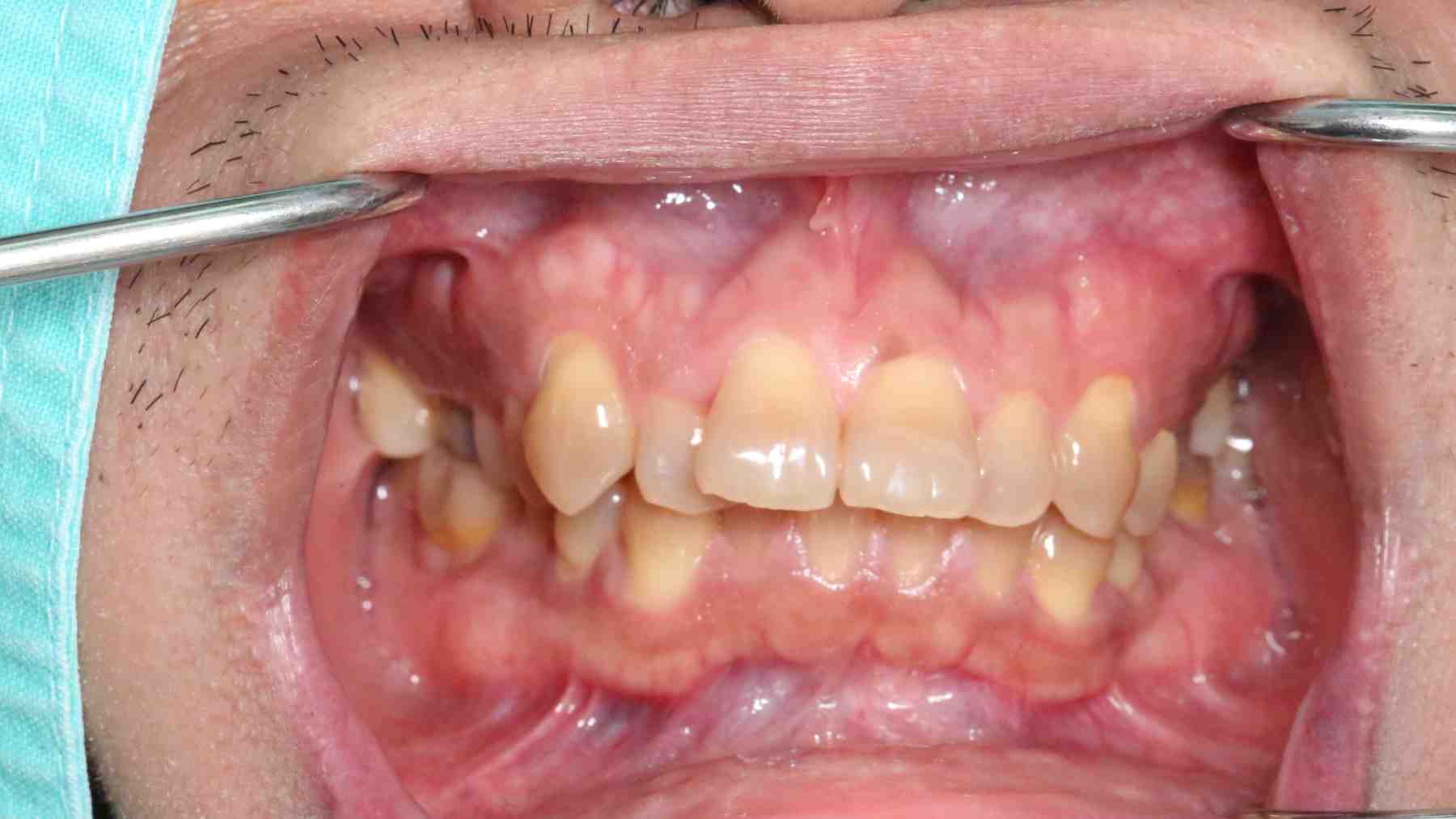
That distinction matters. Plaque is the soft, sticky film that builds on teeth each day, while tartar, also called calculus, is plaque that has hardened and attached to the tooth. Once tartar forms, the National Institute of Dental and Craniofacial Research says it has to be removed by a dentist or dental hygienist, and that yellow buildup can do more than affect how a smile looks.
What the study actually found
The research was led by Sealomita Rizka Apritama, Bambang Hadi Sugito, Imam Sarwo Edi, and I Gusti Ayu Kusuma Astuti at Poltekkes Kemenkes Surabaya in Indonesia. The team split 52 eleventh graders into two groups and had them rinse for 30 seconds with either a 10 percent or 15 percent lemon solution.
Researchers then used a dye to make plaque easier to see and scored the buildup before and 30 minutes after the rinse. In practical terms, the average plaque score fell by about half in both groups, from 2.48 to 1.27 in the 10 percent group and from 2.07 to 1.07 in the 15 percent group.
The stronger mix did not clearly outperform the milder one. The authors said both rinses reduced plaque, but they also called for longer studies with tighter controls, which is an important caveat in a one-day experiment with no true control group. It also focused on students at a single school, so the findings should be read as early evidence, not a final answer for everyone.
Why plaque and tartar are not the same thing
This is where many viral claims get slippery. Plaque is a soft film full of bacteria, and it can usually be disrupted with brushing and cleaning between the teeth. Tartar is what happens when that film sits long enough to harden, especially near the gumline where many people first notice a yellow line in the mirror.
Once plaque turns into tartar, home rinses are no longer the main answer. Federal oral health guidance says only a professional cleaning can remove tartar, and leaving it in place can let gum irritation develop into gingivitis or more serious gum disease. That’s why a fast fix from the kitchen can sound more convincing than the evidence really allows.
So can lemon help at all? Possibly, to a limited extent, as part of stopping fresh plaque before it hardens. But saying it “eliminates tartar fast” goes beyond what this study actually showed.
The enamel warning
Lemon is acidic, and that is not a small detail. The American Dental Association guidance on dental erosion says acidic fruit juice can raise the risk of dental erosion, which is the gradual, irreversible loss of tooth mineral.
In other words, a rinse that sounds natural can still wear teeth down if it is used again and again. The association also warns against swishing acidic liquids around the mouth or holding them on the teeth, because that gives the acid more time to work. Natural does not always mean gentle.
There is a safer way to think about it. After acidic foods or drinks, ADA guidance says to rinse with plain water and wait about an hour before brushing, so you do not scrub enamel while it is still softened by acid. That simple step matters more than most home remedy posts let on.
What dentists still recommend
At the end of the day, the basics still do most of the heavy lifting. The official oral hygiene guidance recommends brushing twice a day with fluoride toothpaste for two minutes and cleaning between the teeth daily. Those habits are less exciting than a quick lemon trick, but they are the foundation.
Diet also matters, especially the steady drip of sugary drinks and snacks that feed acid-making bacteria. In the United States, the Centers for Disease Control and Prevention says about 42 percent of adults age 30 and older have periodontitis, the more serious form of gum disease, and yearly dental checkups help catch problems earlier.
Smoking adds another layer of trouble. A CDC page on smoking and gum disease says smokers face about twice the risk of gum disease compared with nonsmokers. So the smartest takeaway is simple. Lemon rinse may help with fresh plaque in a small study, but it is not a shortcut past brushing, flossing, and professional cleanings.
The main study has been published in the International Journal of Advanced Health Science and Technology.