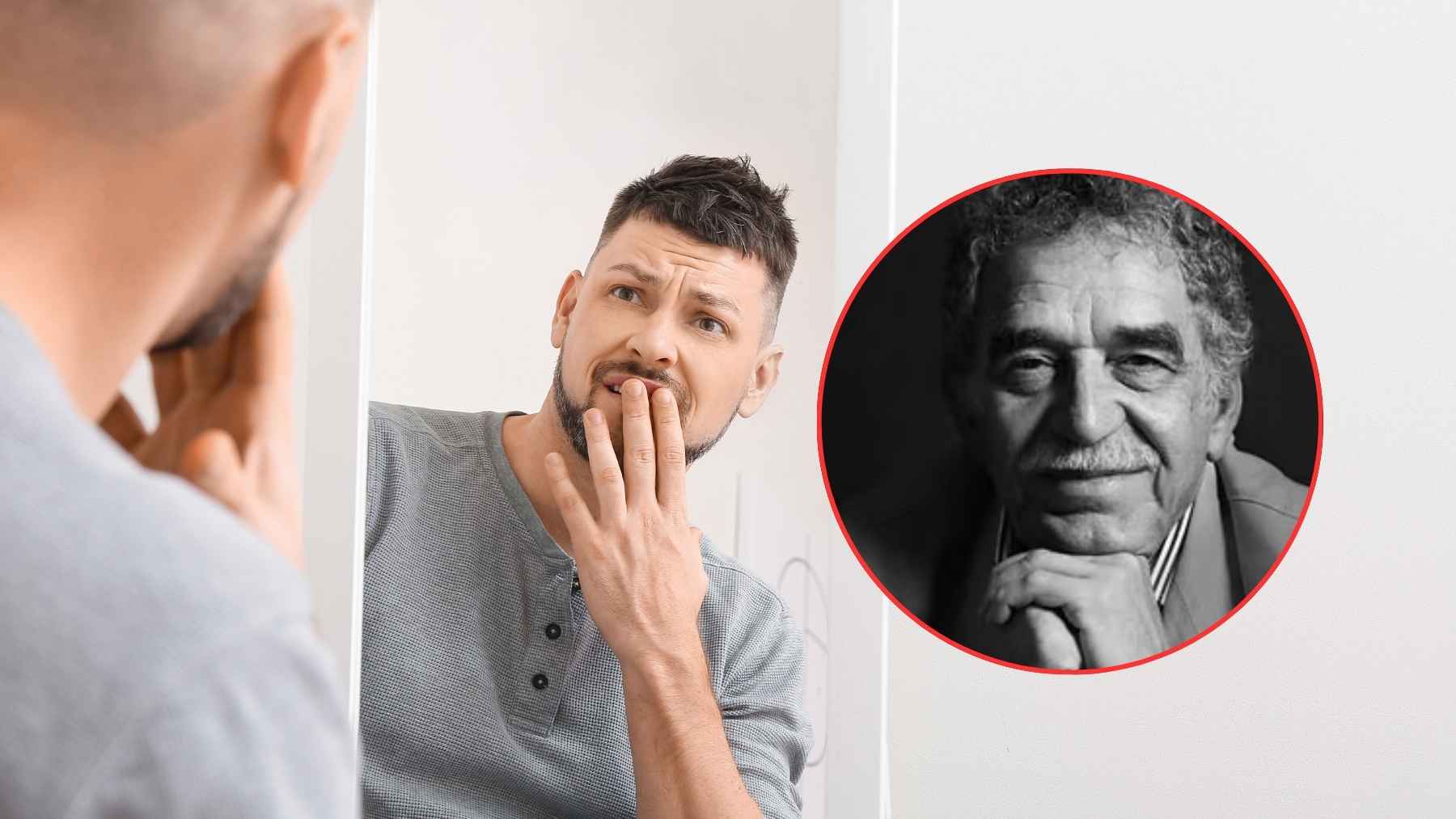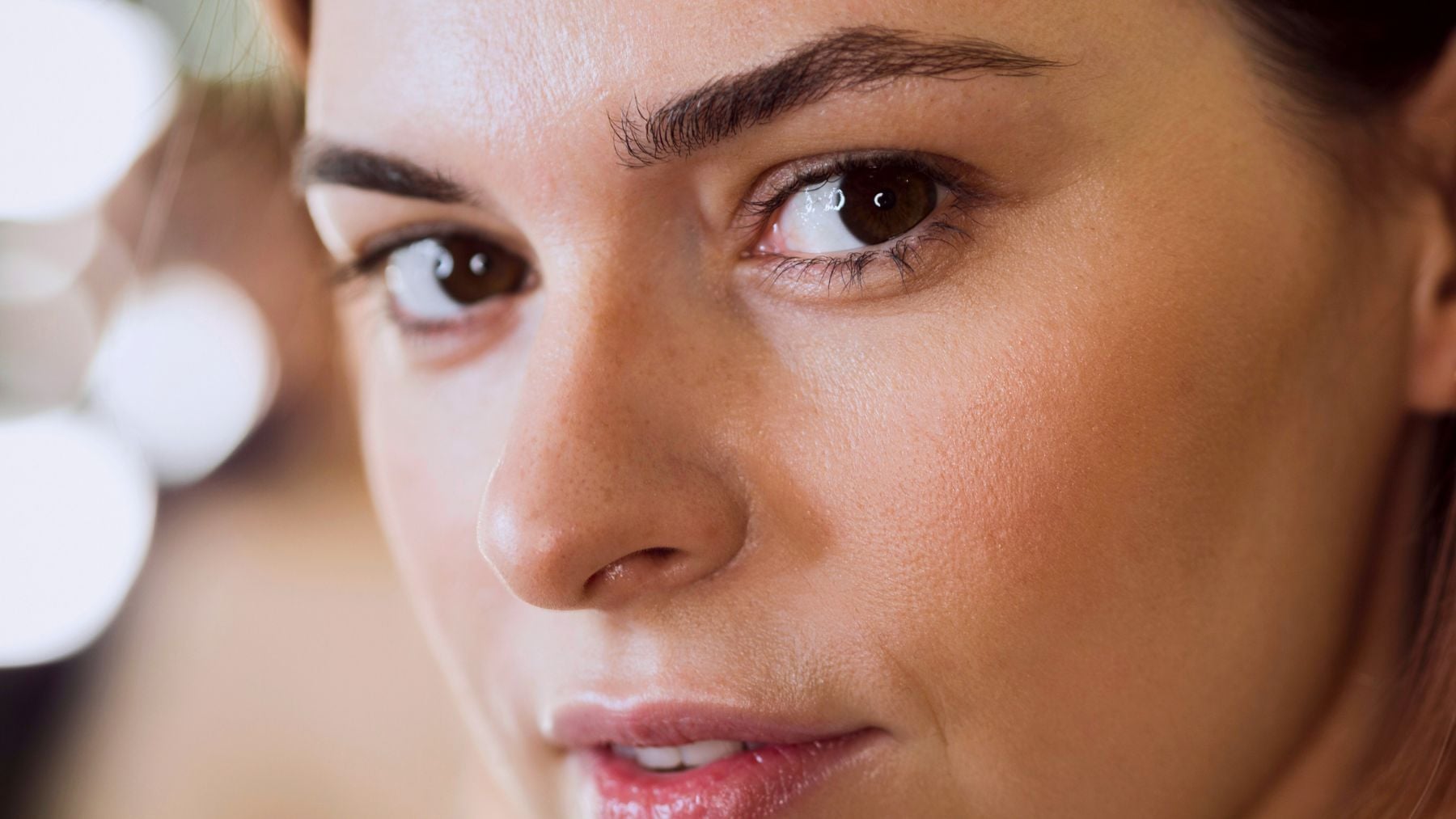
A raised eyebrow can change the entire tone of a conversation. When only one eyebrow goes up, it can signal from doubt and curiosity to a playful challenge.
Subtle eyebrow movements can guide how we interpret what someone really means, even when their words sound straightforward. In the following sections, we’ll explore what a single eyebrow lift can mean and how it fits alongside other common facial gestures that influence how messages are received.
The meaning of one eyebrow raise
Communication experts often say raising both eyebrows usually shows openness or surprise. A single raised eyebrow, however, is more layered. According to researchers on microexpressions and nonverbal cues, an uneven lift may often convey skepticism or disbelief. It’s the face’s way of saying “really?” without a word.
The gesture can also signal curiosity. When someone raises one eyebrow during a conversation, it may indicate they want more information or aren’t fully convinced yet. It’s a way of asking the speaker to expand, clarify, or prove their point. In certain settings, especially informal ones, it can also come across as playful, teasing, or even flirtatious.
As with any gesture, context matters a lot. The same eyebrow raise paired with a smile may seem lighthearted, while paired with a flat expression, it could communicate criticism or sarcasm. Tone of voice, eye contact, and posture all help define what that lifted eyebrow means in a certain situation.
Cultural norms also influence interpretation. In Western cultures, a one-eyebrow raise is often linked to irony, doubt, or skepticism. In other settings, it may simply reflect concentration or attentiveness. While the meaning can shift, the consistent theme is that the gesture signals something beyond neutral listening.
The meaning of other facial gestures in conversation
The single eyebrow lift is just one of many cues our faces send out during conversation. Our expressions constantly shape how messages are received, sometimes even more than the words we use. Experts often point to these common signals:
- Raised eyebrows (both sides): Suggests surprise, interest, or openness. It makes the eyes look wider and signals that the listener is engaged.
- Lowered eyebrows: Often shows concentration, confusion, or displeasure. This expression tells others the person isn’t comfortable.
- Brows pulled together: A strong cue of frustration, worry, or deep thought. It can also show emotional strain.
- Tight lips or pressed mouth: Indicates hesitation, discomfort, or disagreement.
- Smiling with the eyes (a Duchenne smile): When the corners of the eyes crinkle, it signals genuine joy and warmth, not just politeness.
These subtle signals matter because they either reinforce or contradict spoken words. When expressions and language match, communication feels natural and trustworthy. When they don’t, listeners may pick up on the mismatch and question what’s really being said.
The raised eyebrow is a perfect example of how small gestures can alter meaning. It can shift a statement from sincere to sarcastic, from curious to playful, depending on how it’s paired with other expressions. Together, these cues form a hidden language that shapes trust, understanding, and connection in everyday interactions.