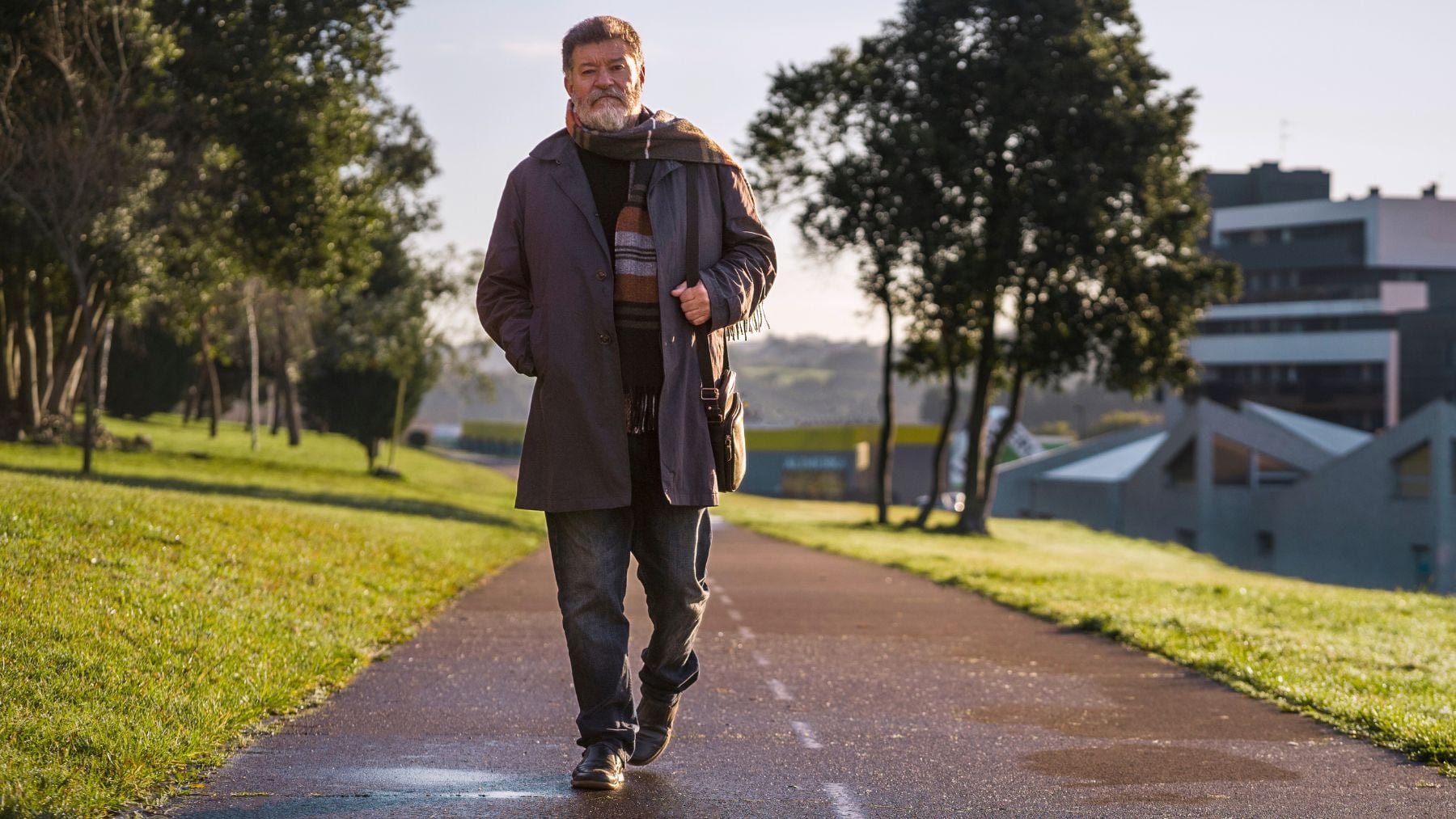
You might not think twice about your walking speed or the length of your steps, but it’s something that can offer significant insight into your personality and outlook on life. More than a peculiar habit, slow walking reflects layers of meaning that extend into cognitive processes, emotional balance, and social interaction.
Fields of study, such as nonverbal communication, suggest that a measured gait is linked with introspection and a lack of sense of purpose. Whether it’s a mindful choice or an unconscious one, the way we walk provides valuable clues about our internal narrative and the dynamic interplay between our body and mind. Let’s explore it in more detail.
Why people walk slowly: 3 possible meanings
The following sections examine three key factors that may contribute to a leisurely pace, each offering insight into the connection between movement and psychological well-being.
Personality and behavior
Those who walk slowly often exhibit a reflective and thoughtful nature. They tend to process their thoughts and surroundings with deliberate care, choosing measured steps over haste. Research in personality psychology suggests that such caution does not indicate indecision but rather a propensity for careful contemplation, introspection, and a preference for solitude.
Life perspective
The way you walk can also mirror your broader life perspective. Those with a well-defined sense of direction and clear life goals typically move with an intentional and consistent stride. Conversely, the ones who feel uncertain or disconnected from their aspirations may unconsciously adopt a slower pace. This physical manifestation reflects an internal state of caution or ambivalence.
Health and aging
Decreased walking speed in older adults may be associated with declining motor skills or the early stages of neurological conditions, including dementia. Interestingly, a strong sense of purpose and a positive mental outlook have been linked with maintaining a steadier pace, suggesting that cognitive resilience and emotional well-being can help counterbalance physical decline.
How to handle slow walking (whether it’s you or someone else)
If you notice that your own walking pace has significantly slowed, it’s important to reflect on the causes. Determine whether you’re intentionally savoring the moments as a way to decompress, or if the change has emerged alongside fatigue or mobility challenges.
Occasional slow walking can be a healthy method to reduce stress and remain grounded. However, if the slower pace persists or comes with additional physical symptoms, make sure to consult a healthcare professional.
When you observe someone else walking slowly, avoid making undue assumptions. Their measured pace may be a deliberate choice to practice mindfulness, manage discomfort, or simply enjoy their surroundings. In situations where your schedule demands a quicker pace, a courteous “excuse me” can facilitate moving past without irritation.
Recognizing that every person walks in their unique way helps you avoid making quick, surface-level judgments. This realization builds a stronger sense of empathy that reaches beyond your journey, connecting you with the diverse ways others move through life. It reminds you that every step—whether taken slowly or quickly—is part of a rich story of personal strength, challenges, and growth.