Could cleaning fewer cars produce a stronger business than running an endless line through a wash tunnel? Manuel, the owner of Wash Car CR in Palma, Spain, says his shop has generated roughly $11,400 to $17,100 in monthly revenue while handling only three to five vehicles a day.
His best day brought in about $1,820, according to the figures he gave business creator Adrián G. Martín.
The catch is that he is not selling a quick splash and rinse. His model combines detailed cleaning, protective treatments, and subscriptions, turning time and care into a higher price per vehicle. It also raises a wider environmental question because where and how a car is washed can change water use by dozens of gallons.
The dollar amounts in this article use the European Central Bank reference rate for July 27, 2026, when one euro equaled $1.1389.
Fewer vehicles and a larger ticket
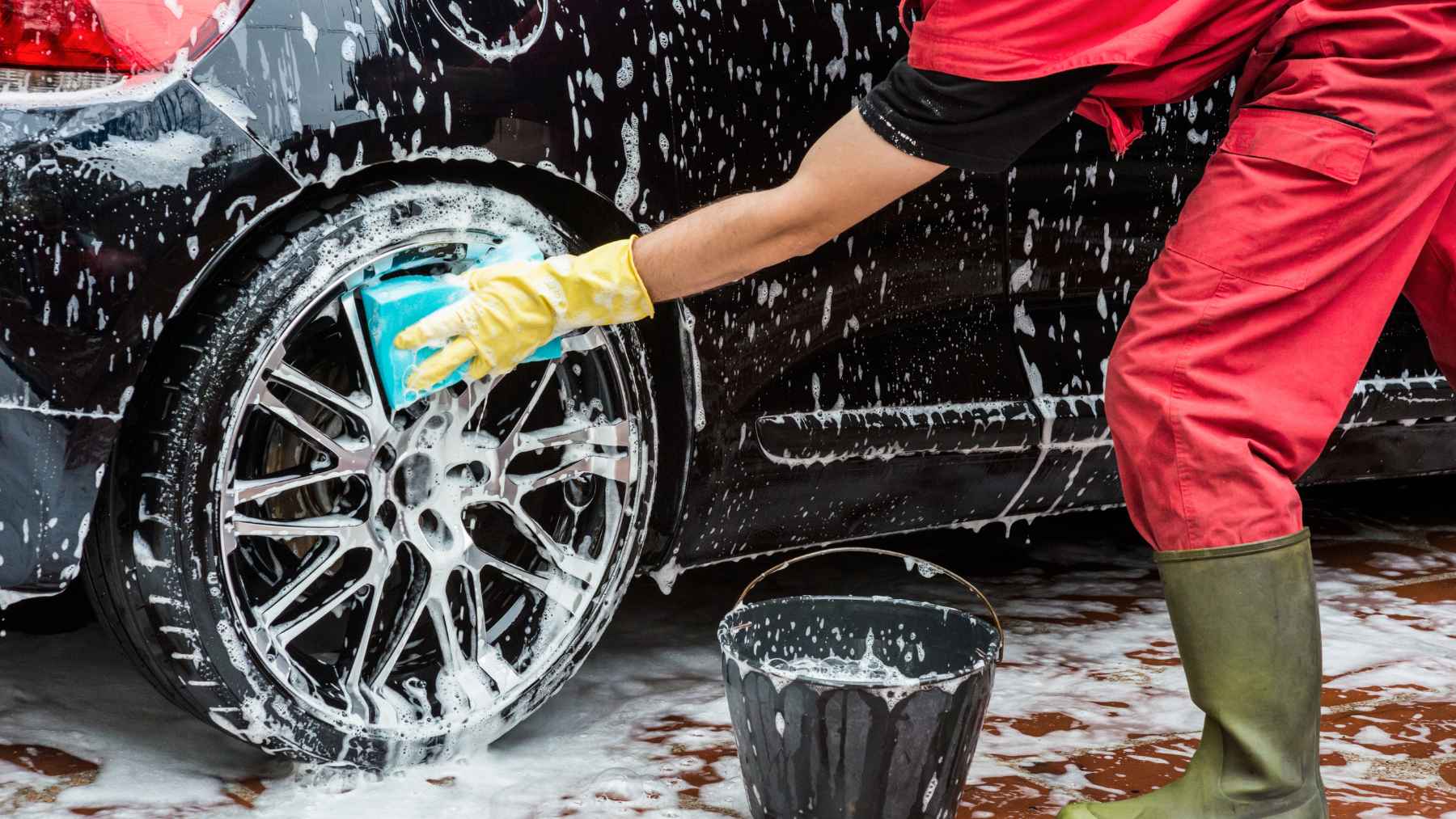
Manuel says he began about a decade ago by cleaning cars in his neighborhood before moving into a small shop that could hold two vehicles and an office. Over time, the operation shifted from ordinary washes toward detailing, which is slower, more thorough work on the interior, body, trim, and finish.
One of his full cleaning services costs about $91 and can require two employees for up to two hours. He also says a partnership with a U.S. supplier brought specialized products and training that helped the business move further into premium care.
By his estimate, a conventional wash tunnel may need 100 to 200 cars a day at roughly $11 per visit, while his shop seeks more value from every booking.
That distinction matters. The headline number is revenue, not salary, and the figures are self-reported rather than independently audited. Payroll, rent, cleaning products, taxes, insurance, equipment, utilities, and lost operating days all come out before the owner reaches profit.
The water equation changes the story
The Catalan Water Agency has estimated that washing one car with a hose can consume about 106 U.S. gallons. A Spanish commercial car-wash operator says its high-pressure centers use roughly 13 to 16 gallons per cycle, which would represent about 85 to 88% less water than the hose estimate.
Put that into everyday terms. Across five vehicles, the difference between those two methods could exceed 450 gallons in a single day, although that is only a comparison based on the published estimates and not a measurement of Manuel’s shop. Still, it shows why washing technology matters when reservoirs are low and every turn of the faucet counts.
Water volume is only part of the footprint. The U.S. Environmental Protection Agency notes that commercial washes can reclaim wastewater through filtration, conserving water and reducing polluted runoff that may otherwise carry soap, dirt, oil, and other grime toward storm drains.
A professional shop therefore has a potential environmental advantage, but only when its drainage, products, and treatment systems are properly managed.
Ceramic treatments lift the price ceiling
Another part of Manuel’s strategy is longer-lasting paint protection. He says a customer may pay as much as about $1,367 for a ceramic treatment intended to protect the finish for five years, while helping repel water and tree resin and reducing the risk of light surface marks.
In practical terms, the customer is not paying only for a clean hood and shiny wheels. The price also covers labor, preparation, specialist materials, and the promise that the vehicle will be easier to maintain over time. That is how a car-care shop moves from selling a chore to selling preservation.
The ecological benefit is less automatic. A protective finish may make dirt easier to remove and could reduce the effort needed during later washes, but the result depends on maintenance and actual wash frequency. A premium label alone does not save water.
Subscriptions create steadier revenue
Manuel also offers monthly plans, with an express option costing about $18 and a more complete premium plan around $52. For the shop, subscriptions can turn irregular visits into recurring revenue and make staffing and scheduling more predictable.
For drivers, the appeal is simple. A dusty dashboard, stained seat, or film of road grime becomes a planned monthly expense rather than another weekend job. But there is a trade-off because a subscription can encourage people to wash more often than they otherwise would.
That is why the smartest membership model would connect convenience with measured resource use. Limited bookings, low-water maintenance cleans, and clear records on water recovery could help a shop retain customers without letting frequency erase the environmental gains. Convenience has a footprint too.
Bureaucracy nearly stopped the business
The most serious threat to Manuel’s operation did not come from a competitor. According to his account, an alleged urban-planning violation led to a closure order, police sealing the premises, and nearly a month without operating. Later reports said the dispute involved exterior signage and a storage loft.
That episode is a reminder that service innovation still depends on less glamorous basics. Zoning, signage, drainage, wastewater handling, worker safety, and local permits can close the doors no matter how strong customer demand appears.
A month of inactivity can quickly eat through the gains from a record day, especially when rent and payroll continue. Compliance is not paperwork added after the business model is built. It is part of the model.
Why the lesson reaches beyond one car wash
Manuel’s central advice to new entrepreneurs is to “put a price on your hour.” He says he would rather begin with two vehicles treated carefully than chase a long queue with prices too low to support the work.
That strategy can work when customers see a clear difference and the shop delivers repeatable quality. It is not a shortcut, though. A two-hour service performed by two people is labor-heavy, and premium pricing raises expectations every time a customer hands over the keys.
At the end of the day, the most interesting part is not the $17,100 claim by itself. It is the combination of specialization, recurring revenue, water efficiency, and customer trust. Fewer cars can support a stronger business, but only when each job is priced honestly and the environmental savings are measured rather than assumed.
The original interview was published on Adrián G. Martín’s YouTube channel.