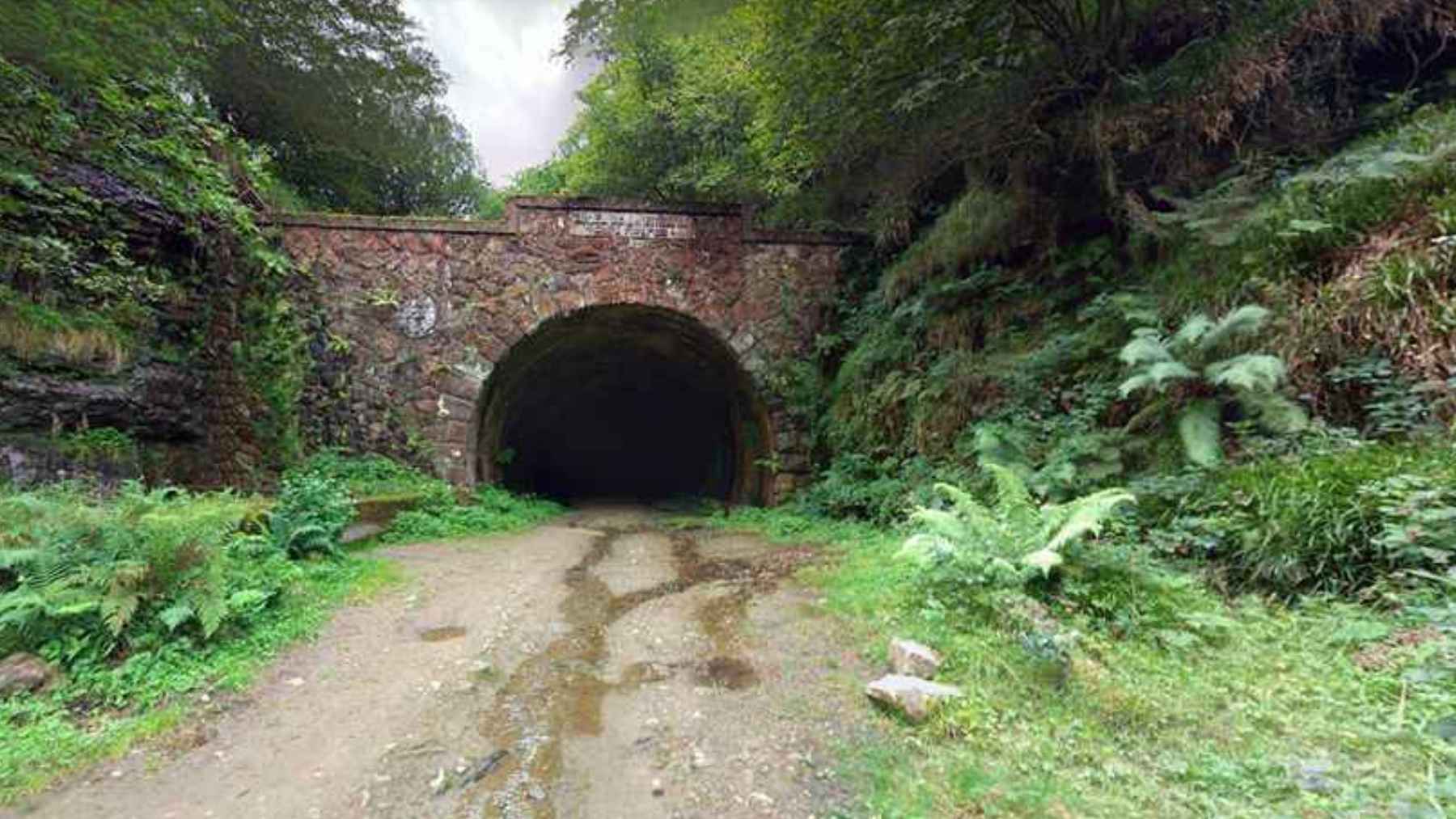
Colombia’s Túnel del Toyo is no longer just an engineering story. In July 2026, the 6-mile road tunnel became the center of a dispute over the electromechanical systems needed for safe operation, with Colombia’s national comptroller’s office warning of a gap between civil completion in April 2027 and systems completion in September 2028.
Invías rejects that conclusion and says the equipment contract is on schedule because installation must wait for completed, certified, and formally delivered civil works.
That leaves the opening date less certain than earlier projections suggested, while the project’s business and environmental promises remain just as large. Can a roughly $1.65 billion corridor move freight faster without leaving its forest commitments behind?
What makes it smart
The “smart” part is not simply a camera at the entrance. The planned system combines ventilation, lighting, electrical power, fiber communications, fire protection, traffic controls, emergency equipment, variable signs, pumps, and monitoring tools that must work as one underground network.
So, did artificial intelligence carve the tunnel through the mountain? Some descriptions of the project credit adaptive German tunnel-boring machines with changing pressure and speed as the rock changed, but official project material and contemporary construction reporting do not substantiate that account.
They describe Jumbo drilling equipment, controlled blasting, rock removal, and reinforcement beneath nearly 2,950 feet of mountain, with more than 2.2 million cubic yards of material extracted.
That distinction matters. “AI” should not become a decorative label for every automated control panel, especially when the verified operating technology is already sophisticated. The tunnel will be smart only if those systems detect smoke, manage airflow, guide drivers, and support emergency teams when real traffic arrives.
A freight route to Urabá
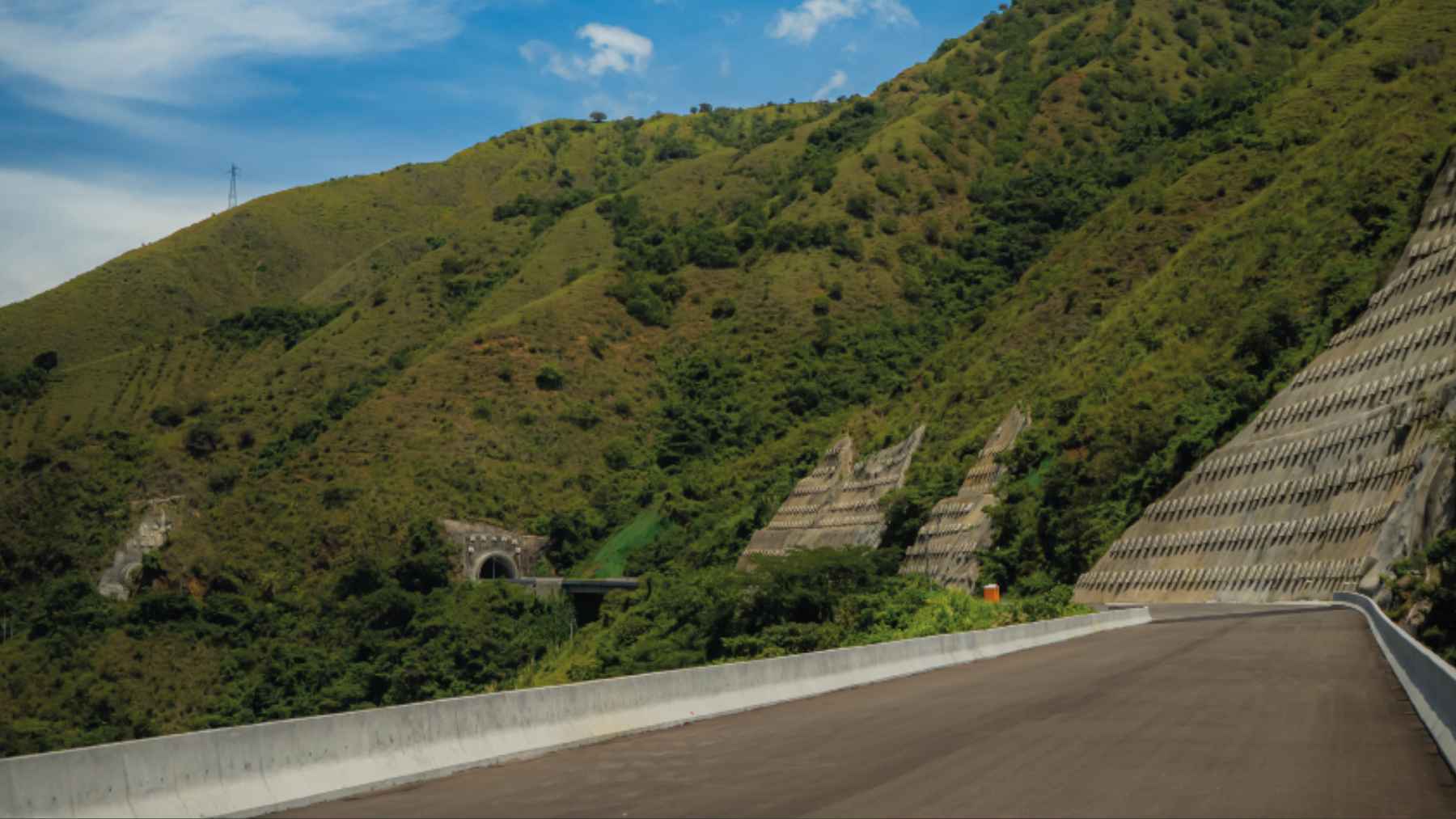
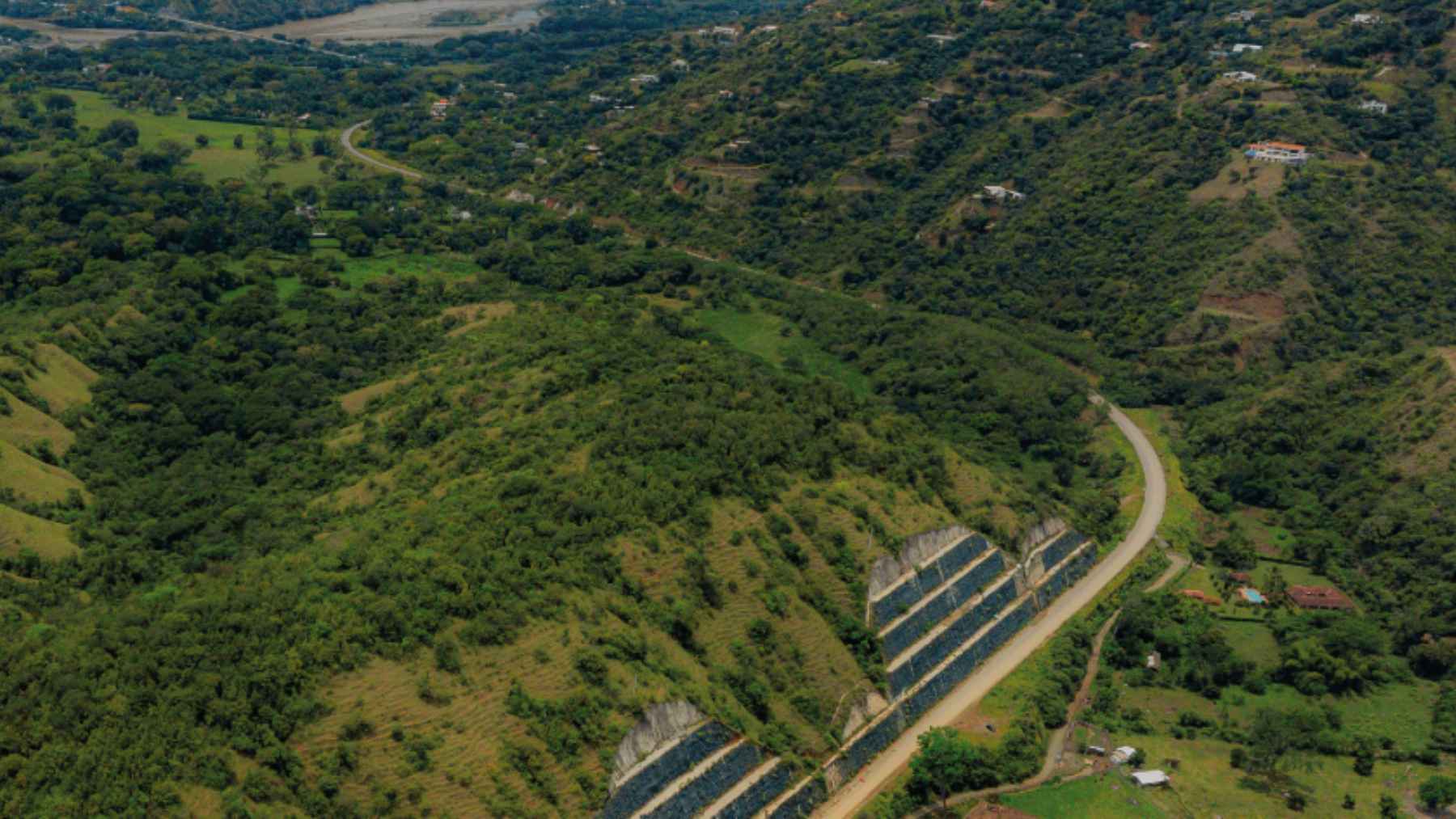
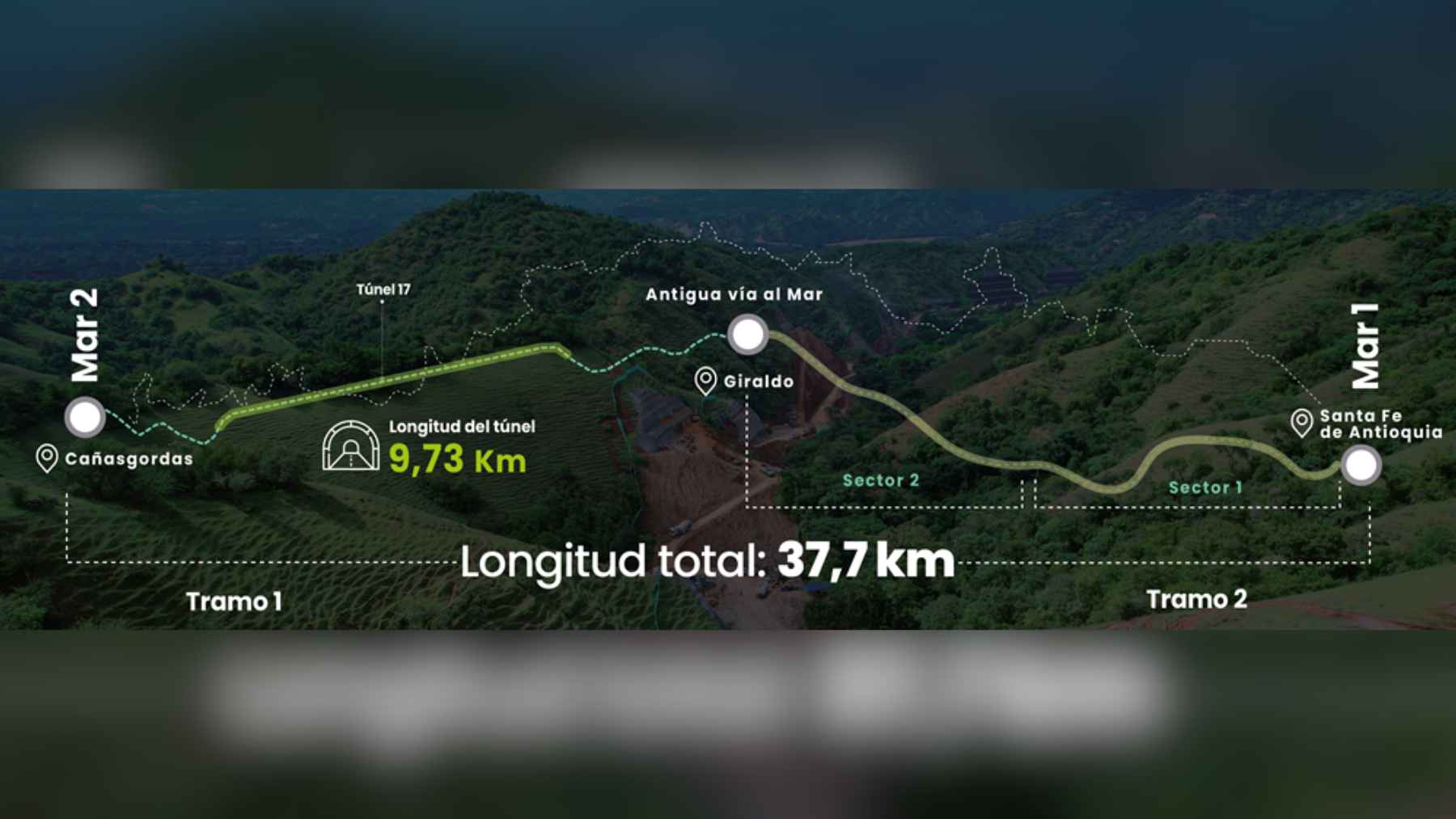
The scale is monumental. The current project website lists 18 tunnels, 31 bridges, and about 11 miles of open roadway across a corridor of roughly 23.4 miles. Its centerpiece is the 6-mile Guillermo Gaviria Echeverri tunnel, promoted by the project as the longest road tunnel in the Americas.
At a planned speed near 50 mph, the corridor is expected to bring the Medellín to Urabá trip down to about four and a half hours. Technical estimates cited in 2026 put freight-route savings at roughly 186 to 311 miles depending on the destination, which could mean less fuel burned per delivery and fewer unpredictable hours on winding mountain roads.
Timing matters because Puerto Antioquia began receiving export cargo on February 3, 2026, including Colombian bananas bound for Europe. Project documents estimate that close to 30 percent of national cargo could eventually use this corridor, although that is a forecast, not a guaranteed outcome.
The green claim needs proof
A shorter haul can reduce fuel use for a given shipment, but a new highway is not automatically a climate project. The latest official statements cited here do not provide a life-cycle emissions estimate, so there is no verified figure showing how construction impacts, additional traffic, and electricity use compare with the expected fuel savings.
There is a concrete mitigation commitment for the section transferred to Antioquia. Officials budgeted about $23 million through 2034 for environmental compensation, including the protection of roughly 217 acres of tropical dry forest, ecosystem restoration, and care for water sources.
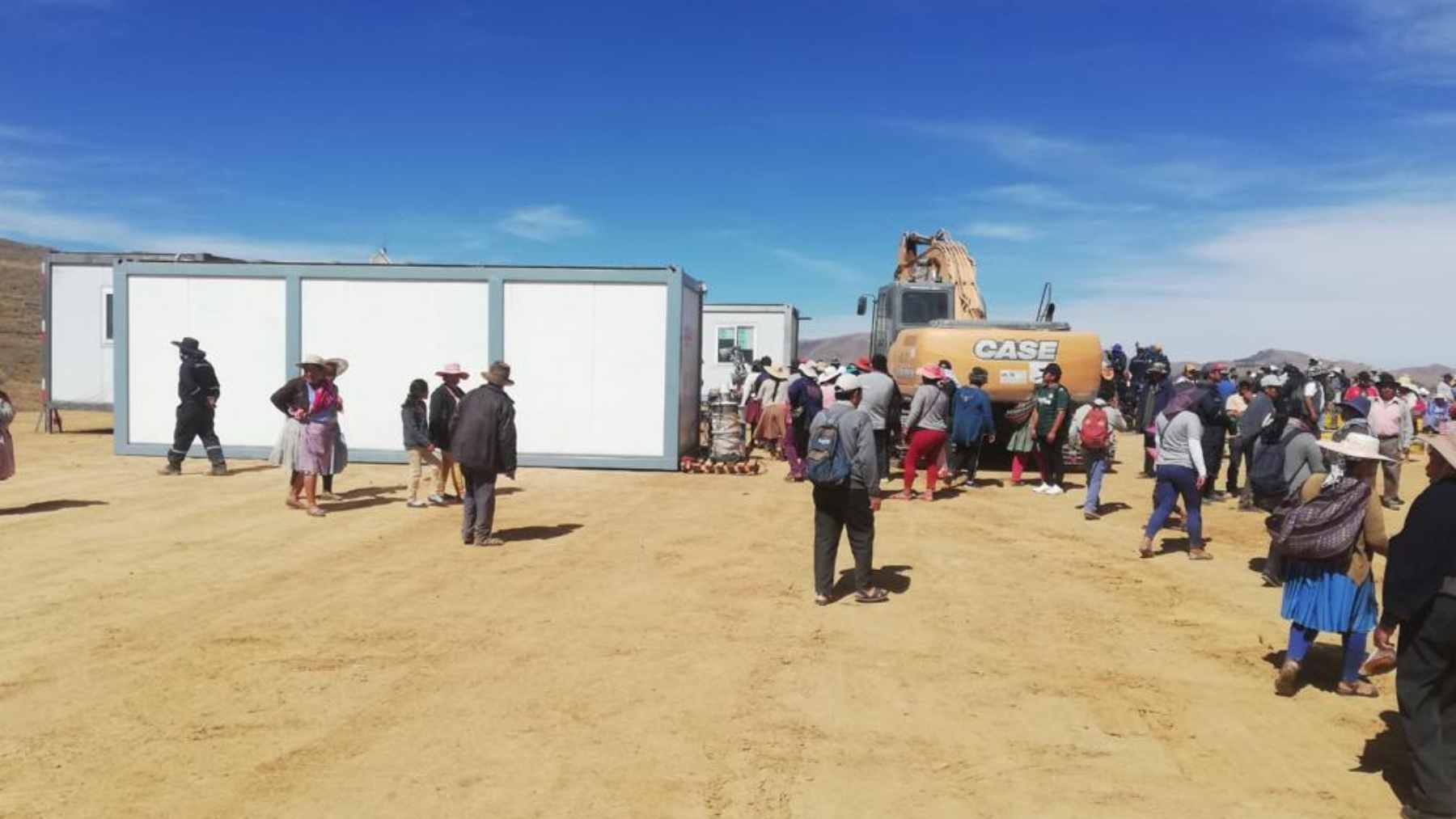
The remaining work also carries a direct ecological challenge. Invías says Tramo 2 still includes about 1.2 miles of intervention in native forest, alongside access work that must be completed before some systems can be installed. In practical terms, the green case will depend on what survives and is restored, not just how many hours a truck saves.
The price has climbed
The financial picture has changed sharply from earlier estimates, which placed the cost between 1.8 trillion and more than 2.7 trillion Colombian pesos. A 2026 technical presentation instead placed total investment at 5.3 trillion pesos, or about $1.65 billion at the July 23 exchange rate.
Invías now says more than 1.69 trillion pesos in promised territorial funding, roughly $527 million, has yet to enter the project’s financial structure. Antioquia and the national government are also disputing responsibility for the schedule, which means the final opening date depends on more than engineering alone.
Tramo 1 has 100 percent physical progress but still awaits formal certification and delivery, according to Invías. Tramo 2 is near 80 percent and still requires major works, including another tunnel and three bridges over the Tonusco River. That is why a once-clear 2027 target now comes with a large question mark.
Safety will decide success
The main tunnel will carry traffic in both directions and is paired with a rescue gallery just over 6 miles long. Industry project records describe 47 connecting passages spaced about 660 feet apart on average, giving drivers and emergency teams a parallel route when every minute counts.
Invías says “no delay exists in the electromechanical equipment contract,” while the comptroller says the risk of a late opening has already materialized.
For drivers, the argument matters less than the result because the engineering achievement will have public value only when the corridor can open safely, reliably, and with its environmental promises still intact.
The official statement was published on Invías’ official X account.