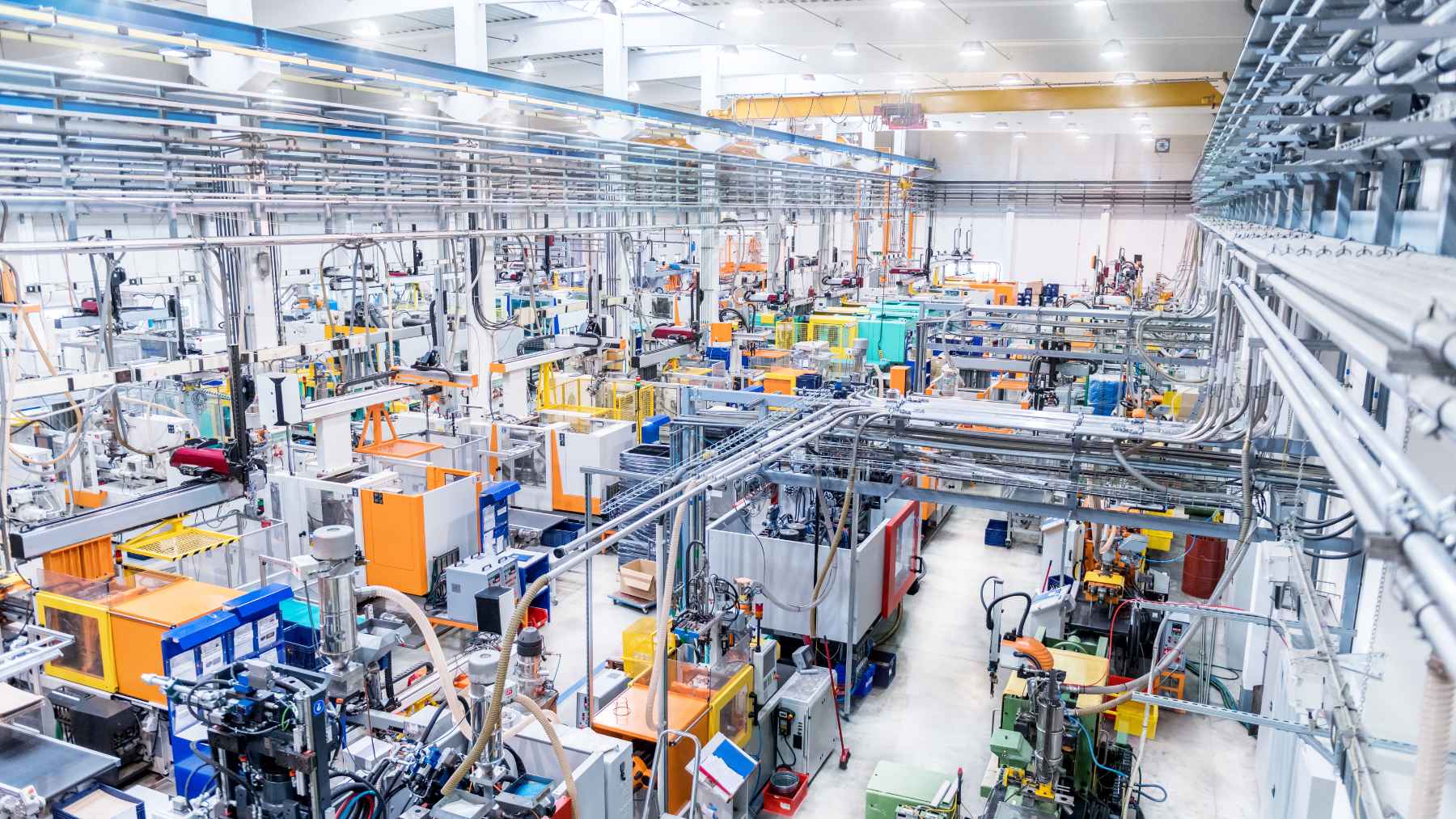
Tijuana’s export factories are putting artificial intelligence to work on a task that is far less flashy than humanoid robots.
The city’s industry human resources group, Arhitac, says manufacturers are using AI and other digital platforms to systematize daily operations, control costs, improve productivity, and adapt to labor changes that include Mexico’s “Ley Silla,” often translated as the “Chair Law.”
The important shift is not simply more automation on the production line. AI is increasingly becoming management infrastructure, linking human resources, compliance, maintenance, quality control, and waste reduction, but its value will depend on transparent deployment and workers who are trained to use it.
AI moves into compliance
Carlos Samaniego, vice president of Arhitac, said companies already have platforms that can ease the transition to new labor rules. “There are many technologies and platforms currently in our organizations that will make this entire legislative transition very easy,” he said, according to the Spanish-language report.
What does that look like during a busy shift? These systems could help employers identify jobs that involve prolonged standing, record where chairs with backrests are available, organize rest periods, schedule training, and preserve documentation for inspections. AI can make those tasks easier, but it does not transfer legal responsibility from the employer to an algorithm.
What the Chair Law requires
Mexico published the Chair Law reform on December 19, 2024, and the main right took effect on June 17, 2025. The rules require employers to provide seats or chairs with backrests for workers who perform duties while standing, either at the workstation when the job allows it or in a nearby area where periodic rest can be taken.
By December 2025, the complementary requirements were fully enforceable, including updates to internal workplace regulations and provisions covering rest periods and standing-related risks.
Mexico’s Labor Ministry also said Chair Law compliance would be included in its 2026 inspection program, which turns recordkeeping and implementation into a real operating issue rather than a box-checking exercise.
Why Tijuana matters
The scale of Baja California’s export sector makes these changes significant. In April 2026, Mexico had 6,523 establishments registered under the IMMEX export manufacturing and services program, and Baja California held the largest state share at 17.3%.
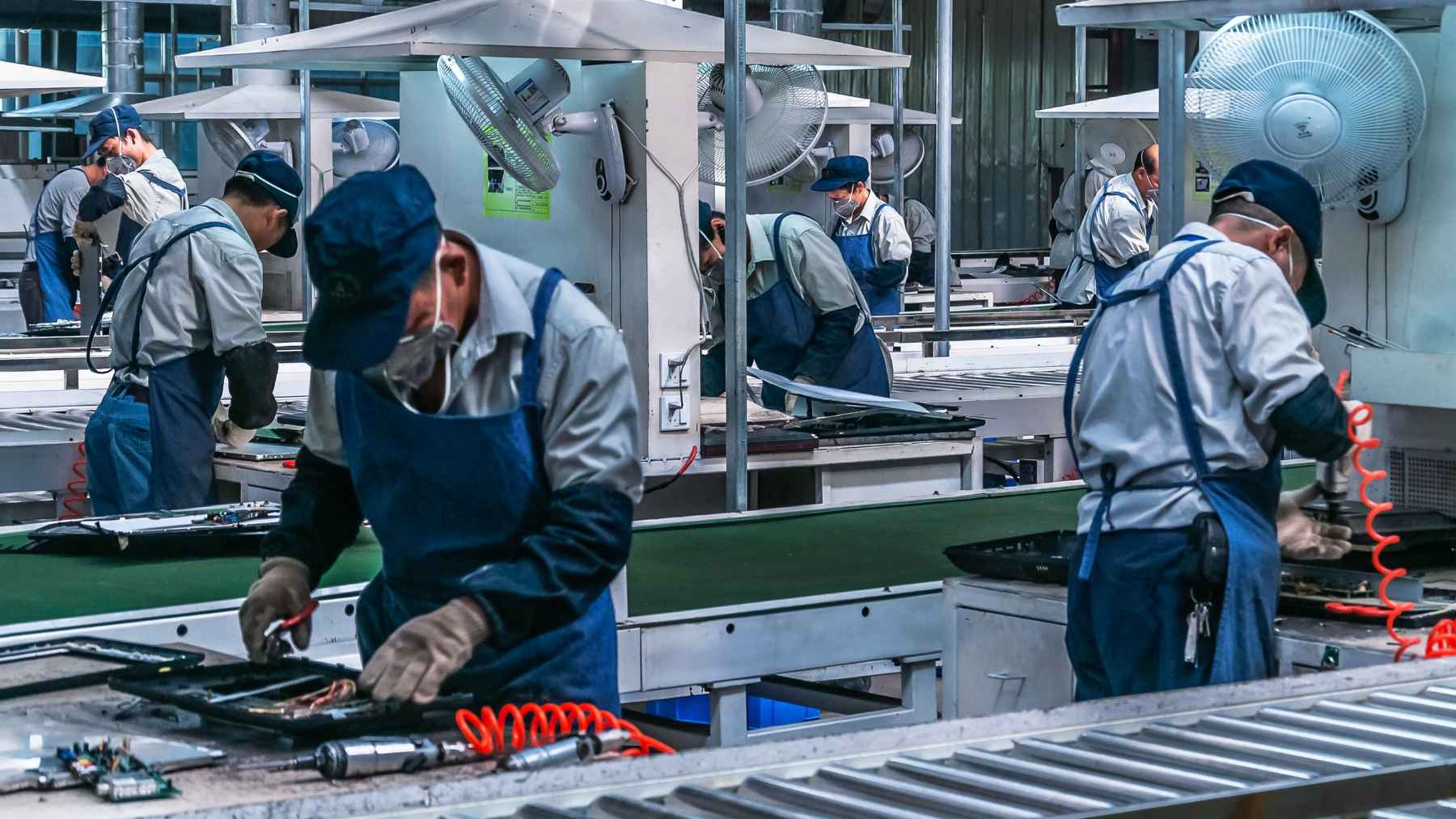
IMMEX establishments employed 3,174,116 people nationwide that month, with Baja California accounting for 12.0% of the total. A chair sounds simple, but on a fast production line its location can affect aisle safety, staffing coverage, and the rhythm of the shift. Compliance has to work in real life.
Less scrap, smaller footprint
Fernando Becerra, president of Arhitac, said AI can help manufacturers cut costs tied to losses and waste, improve productivity standards, and create a better experience for customers and employees. A rejected component is not just a line on a spreadsheet, it also represents materials, energy, labor, and disposal capacity that did not produce a sellable item.
There is evidence that the connection is plausible. The U.S. National Institute of Standards and Technology has described manufacturing AI projects that improved equipment uptime, quality, and throughput while reducing scrap, but Arhitac did not provide measured savings or environmental data for Tijuana plants.
So, the greener factory is a possibility here, not yet a verified result.
The job question
Becerra acknowledged that some machinery can replace certain tasks, but he argued that automation still requires people to operate, supervise, and maintain equipment and digital systems. He said companies can reposition affected employees into other activities, while stressing the need for transparent communication, training, and psychological support plans.
Workers have reason to watch the transition closely. IMMEX employment was 1.6% lower in April 2026 than a year earlier, while employment at manufacturing establishments was down 2.3%, although the official data do not establish that AI caused those declines. The numbers do show why promises of retraining need to be specific, funded, and visible on the factory floor.
Trust is part of the system
A company can install software in a week, but confidence takes longer. Employers should explain what information AI tools collect, how that information affects schedules or performance reviews, who checks automated recommendations, and how a worker can challenge an error.
That matters especially when technology is introduced at the same time as a new legal obligation. A system that improves documentation but leaves workers unsure whether they can actually sit down has solved the paperwork problem, not the workplace problem.
What comes next
The strongest evidence of success will be practical–no mystery there. Workers should receive real rest opportunities, chairs should be placed safely and sensibly, retraining should lead to identifiable roles, and claimed reductions in scrap should be backed by numbers rather than slogans.
At the end of the day, Tijuana’s experiment is about whether AI can make factories more efficient without reducing workers to data points. The answer will be found less in a dashboard than on the production floor.
The official statement on the law was published on Mexico’s Secretariat of Labor and Social Welfare website.