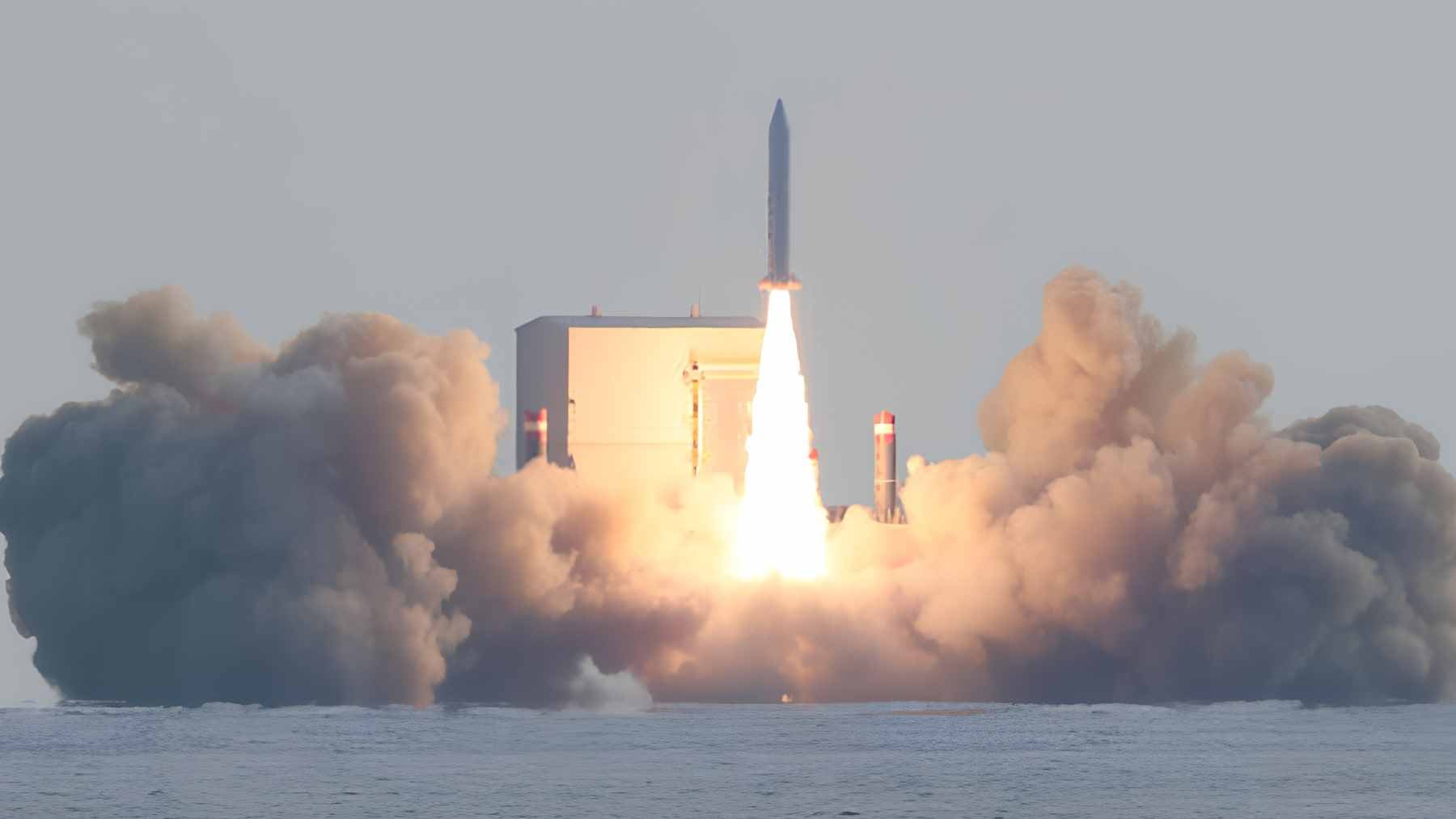
India has taken another serious step toward building a more powerful heavy-lift rocket, and the environmental angle is hard to ignore.
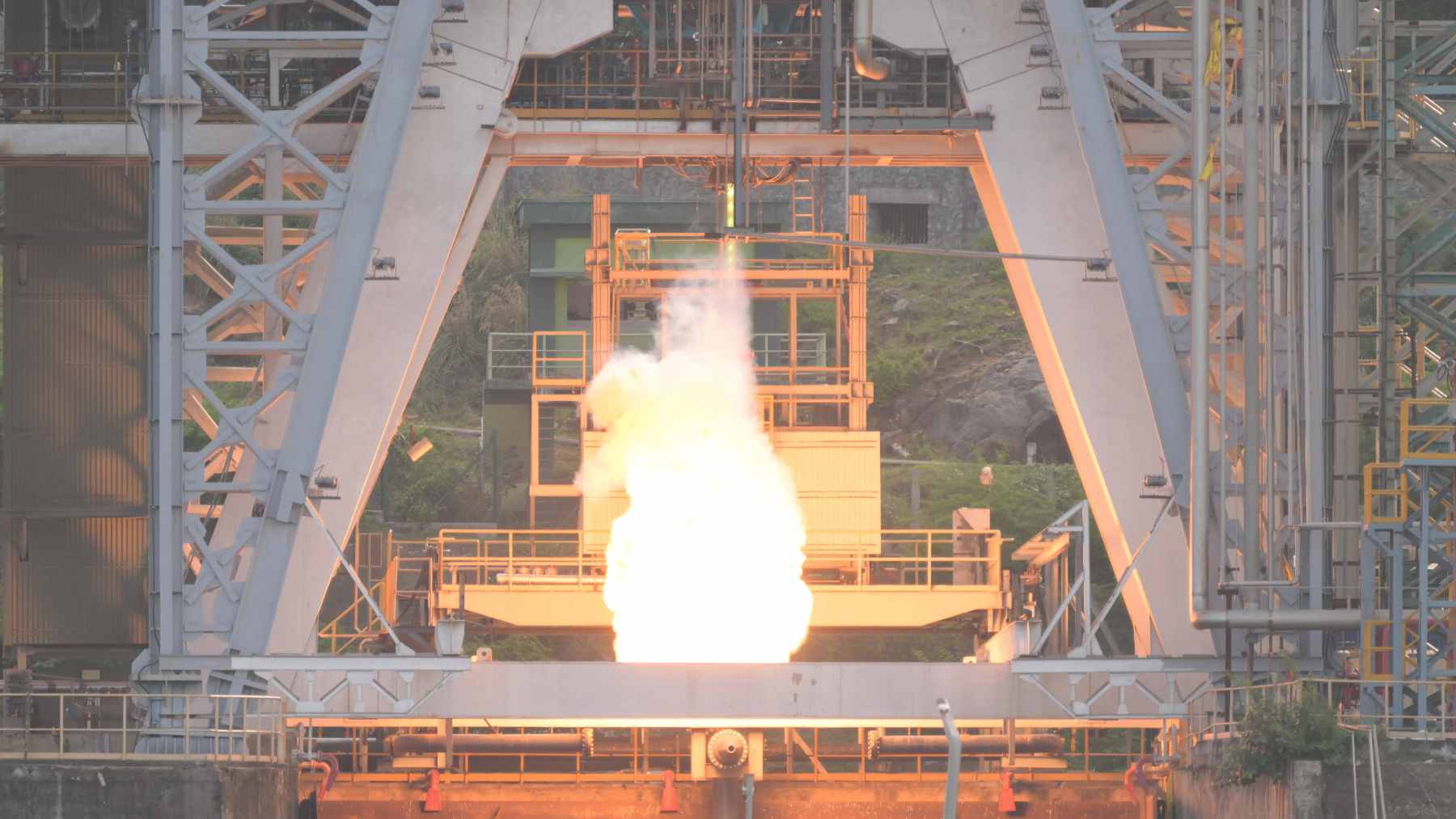
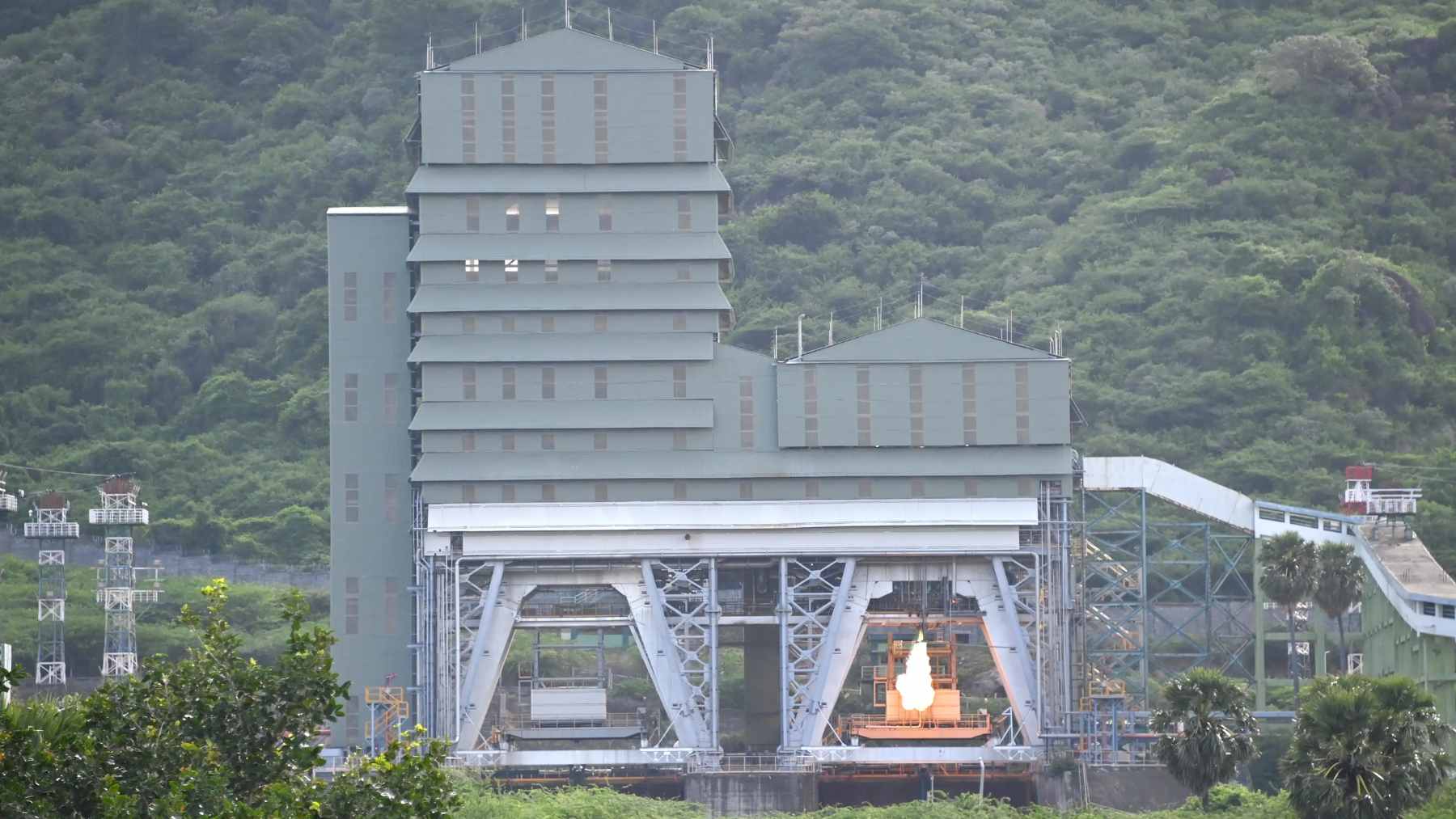
The Indian Space Research Organisation (ISRO) says its semi-cryogenic engine power head was hot-tested on June 24, 2026, at about 386,000 lbs. of thrust, reaching 88% of its planned target at the ISRO Propulsion Complex in Mahendragiri, Tamil Nadu.
That sounds like a technical milestone, and it is. But it is also a glimpse of where the space industry is heading as governments and companies try to launch bigger satellites while facing more questions about fuel, emissions, and the atmosphere we all share. Cleaner does not mean harmless, of course, it means every design choice now matters more than it used to.
An 88% milestone
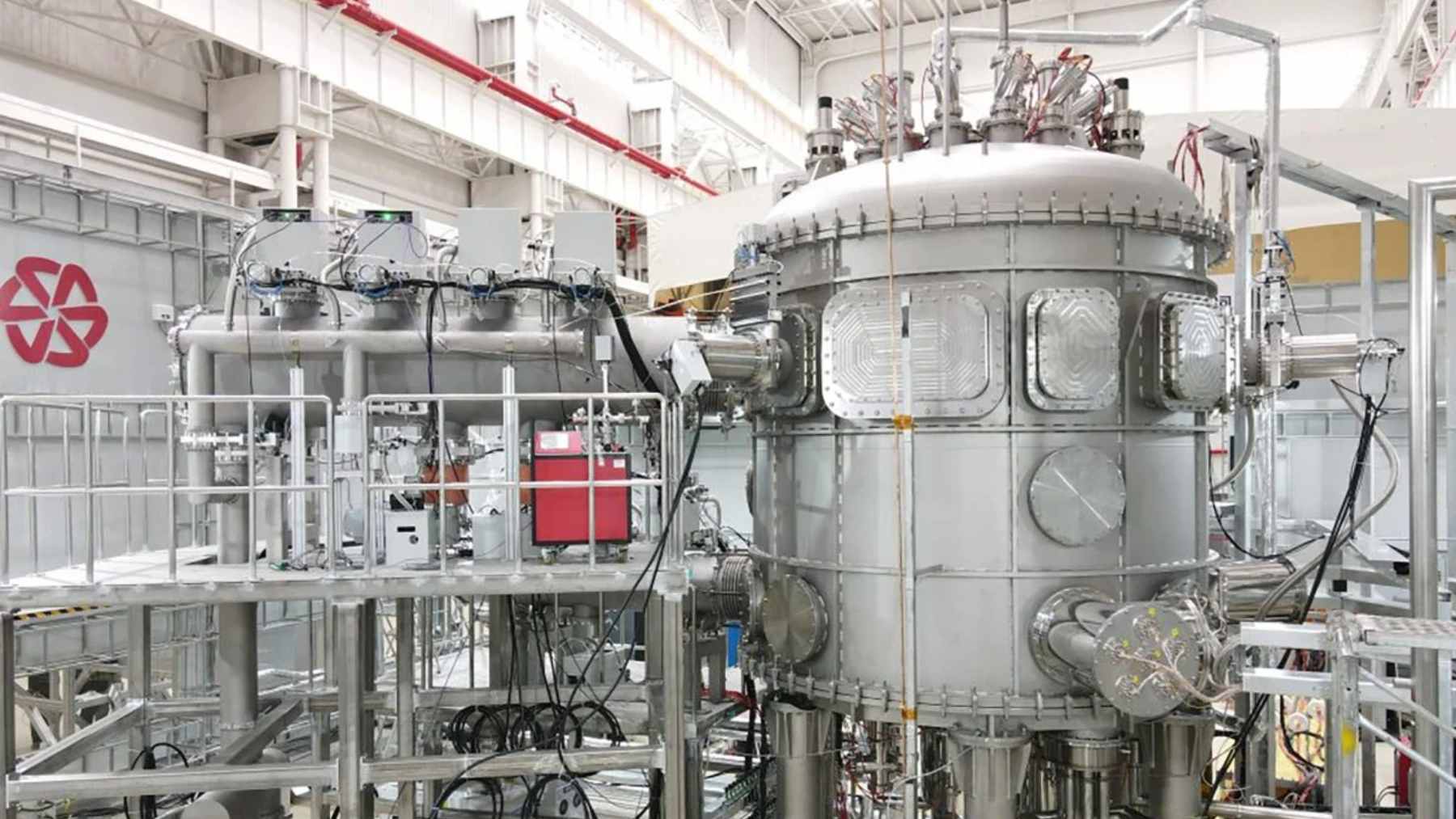
The test involved ISRO’s Semi-Cryogenic Engine Power Head Test Article, known as PHTA, which includes all engine systems except the thrust chamber. It was the eighth hot test in this development series, and ISRO said it was the first time the system was tested at the 88% level.
Earlier PHTA tests reached about 207,000 lbs. of thrust and about 265,000 lbs. of thrust. This latest run pushed the power head much closer to the full target of roughly 441,000 lbs.
The test also checked how the system behaved after pre-burner ignition and whether it could hold steady operation at higher thrust. ISRO said the main turbopumps worked successfully at outlet pressures of roughly 5,800 and 7,250 lbs. per square inch–not small numbers.
What semi-cryogenic means
A fully cryogenic engine uses extremely cold fuel and oxidizer. A semi-cryogenic engine, in this case, uses liquid oxygen with purified kerosene, which ISRO calls “isrosene,” instead of using ultra-cold liquid hydrogen as the fuel.
In practical terms, that can make the fuel side easier to handle while still delivering strong performance for heavy launches. The word “semi” does not make it simple, but it does point to a different balance between power, operations, and cost.
ISRO describes the liquid oxygen and purified kerosene combination as cleaner and non-toxic compared with conventional propulsion stages. Still, this is not a zero-emission rocket. Kerosene-based engines can produce soot and other pollutants, which is why the broader environmental debate around launch vehicles is not going away.
The environmental catch
Why should ecology readers care about a rocket engine test? Because rockets do not pollute only near the launchpad. They climb through atmospheric layers, and some exhaust products are released much higher than everyday pollution from traffic or factories.
Recent atmospheric research has warned that rocket launches and re-entering space objects inject pollutants and carbon dioxide into multiple layers of the atmosphere. Scientists have also linked rocket emissions such as black carbon, chlorine compounds, nitrogen oxides, and alumina particles with ozone and climate concerns.
That does not mean one ISRO test changes the planet’s climate. It does mean that as launches become more frequent, cleaner propellant choices and more efficient vehicles are no longer just engineering preferences, they are part of the environmental math.
Why LVM3 is the prize
The semi-cryogenic propulsion stage, called SC120, is being developed to replace the current L110 core stage of ISRO’s LVM3 launch vehicle. ISRO says the upgrade is expected to increase payload capacity while improving operational efficiency.
LVM3 is already India’s heavy-lift workhorse. ISRO lists its current capacity at about 8,800 lbs. to geosynchronous transfer orbit and about 17,600 lbs. to low Earth orbit, making it central to large communications, science, and strategic missions.
A stronger core stage could give India more room to carry heavier satellites or combine payloads more efficiently. For business, that matters because launch cost and payload flexibility can shape commercial contracts. For defense and national security, it matters because access to orbit is now a strategic capability.
Not green, but cleaner
Here is the uncomfortable part. Space technology helps us monitor forests, oceans, storms, crops, and disasters, but launching those tools still carries an environmental footprint. It is the kind of trade-off that defines modern climate-era technology.
A cleaner, non-toxic propellant system can reduce some handling and toxicity concerns, but the atmosphere does not grade on good intentions. Experts warn that frequent launches could slow ozone recovery if the industry grows without careful attention to propellant choice and upper-atmosphere emissions.
That is why ISRO’s test is bigger than a lab result. It is part of a global shift toward stronger, more efficient rockets, and each country’s choices will help decide how sustainable that expansion can be.
What happens next
ISRO said the test performed as predicted and that the engine parameters were as expected. The agency also said the result gives it confidence to demonstrate the powerhead at the full 100% thrust level.
There is still work ahead before this technology flies on an operational rocket. The thrust chamber is not part of the PHTA, and the full engine system will need to prove itself through further integration and testing.
Still, the direction is clear. India wants more lift, better efficiency, and greater independence in heavy launches. The challenge now is making sure the race to orbit keeps one eye on Earth.
The official statement was published on ISRO.