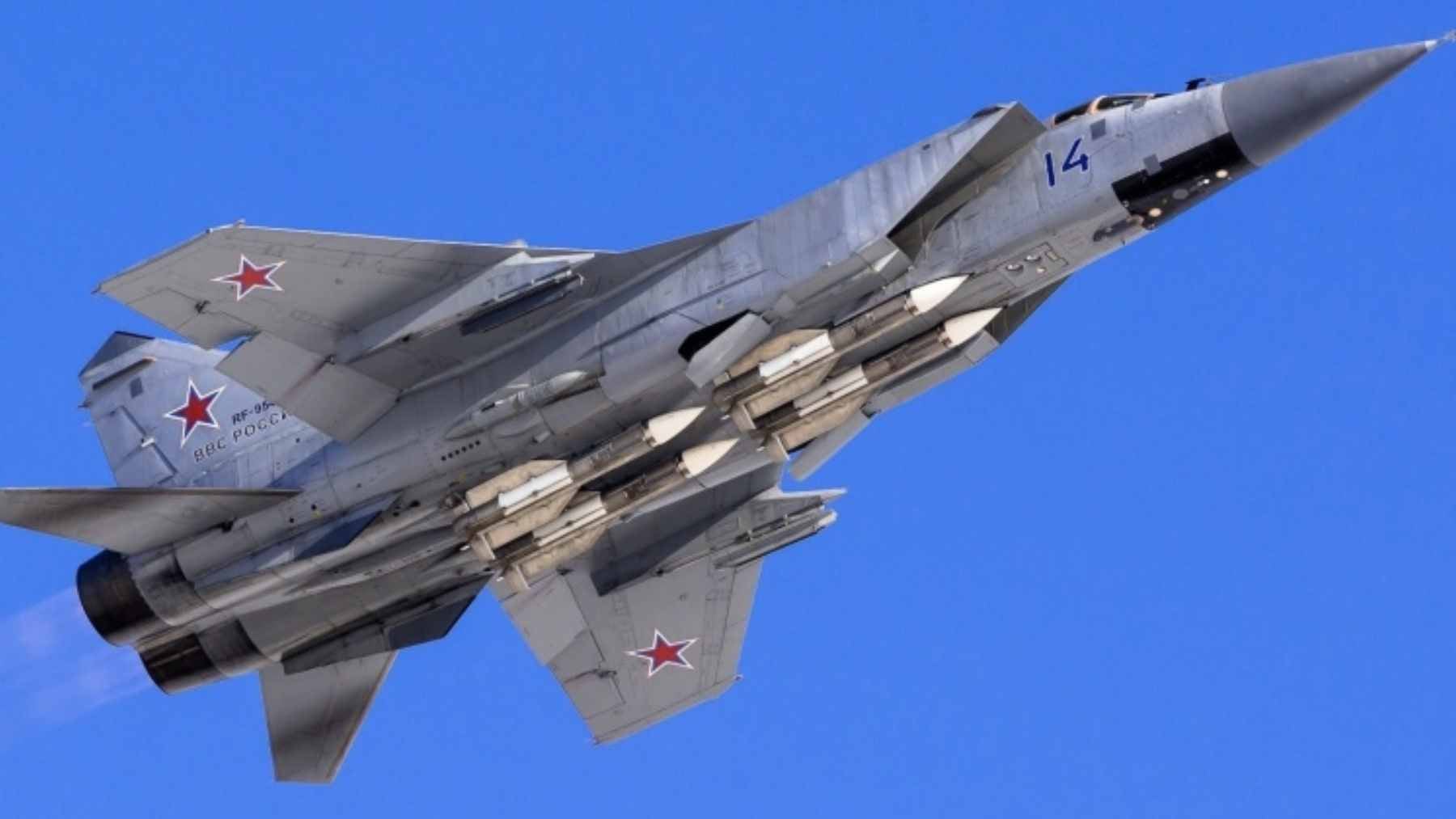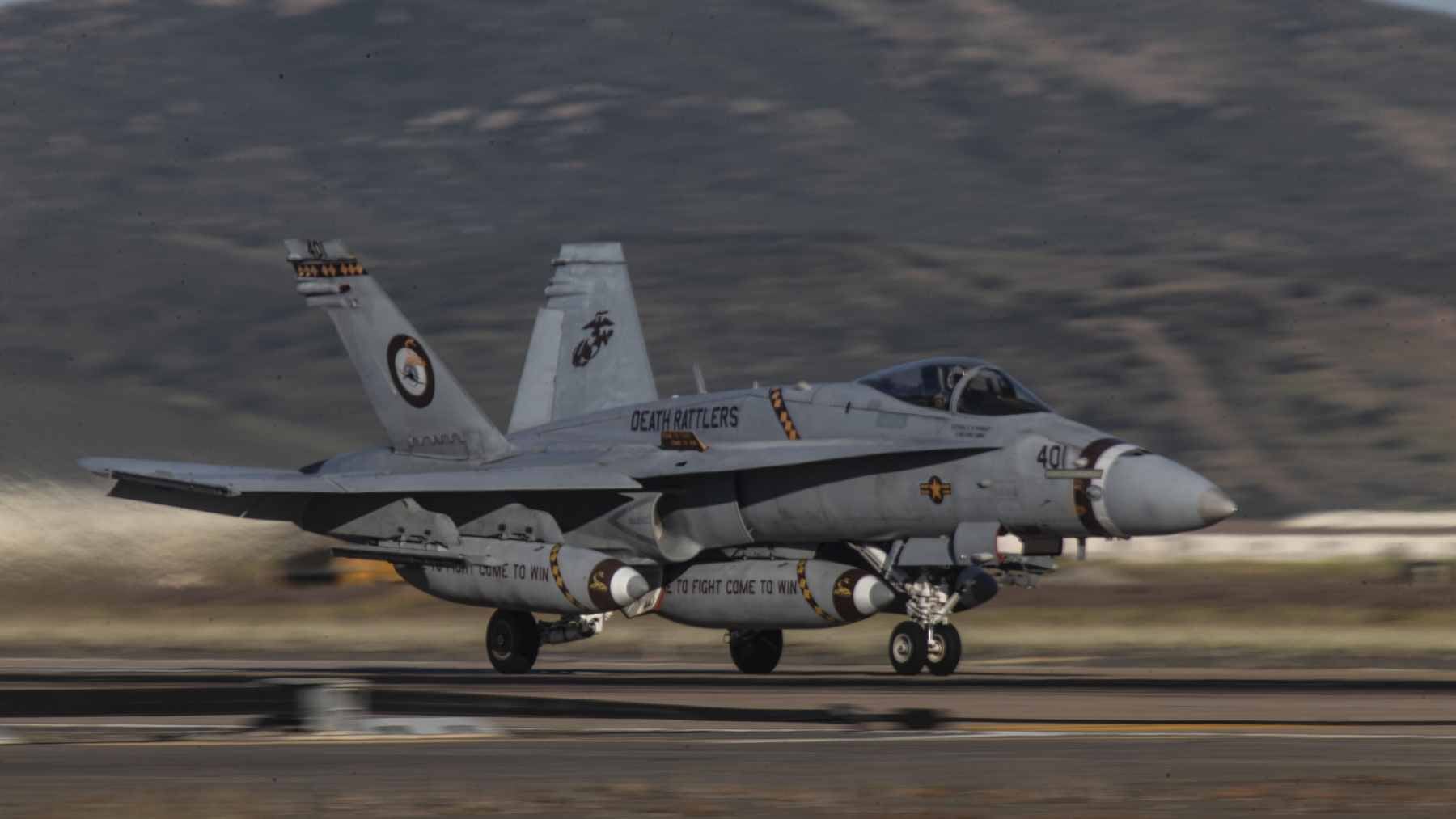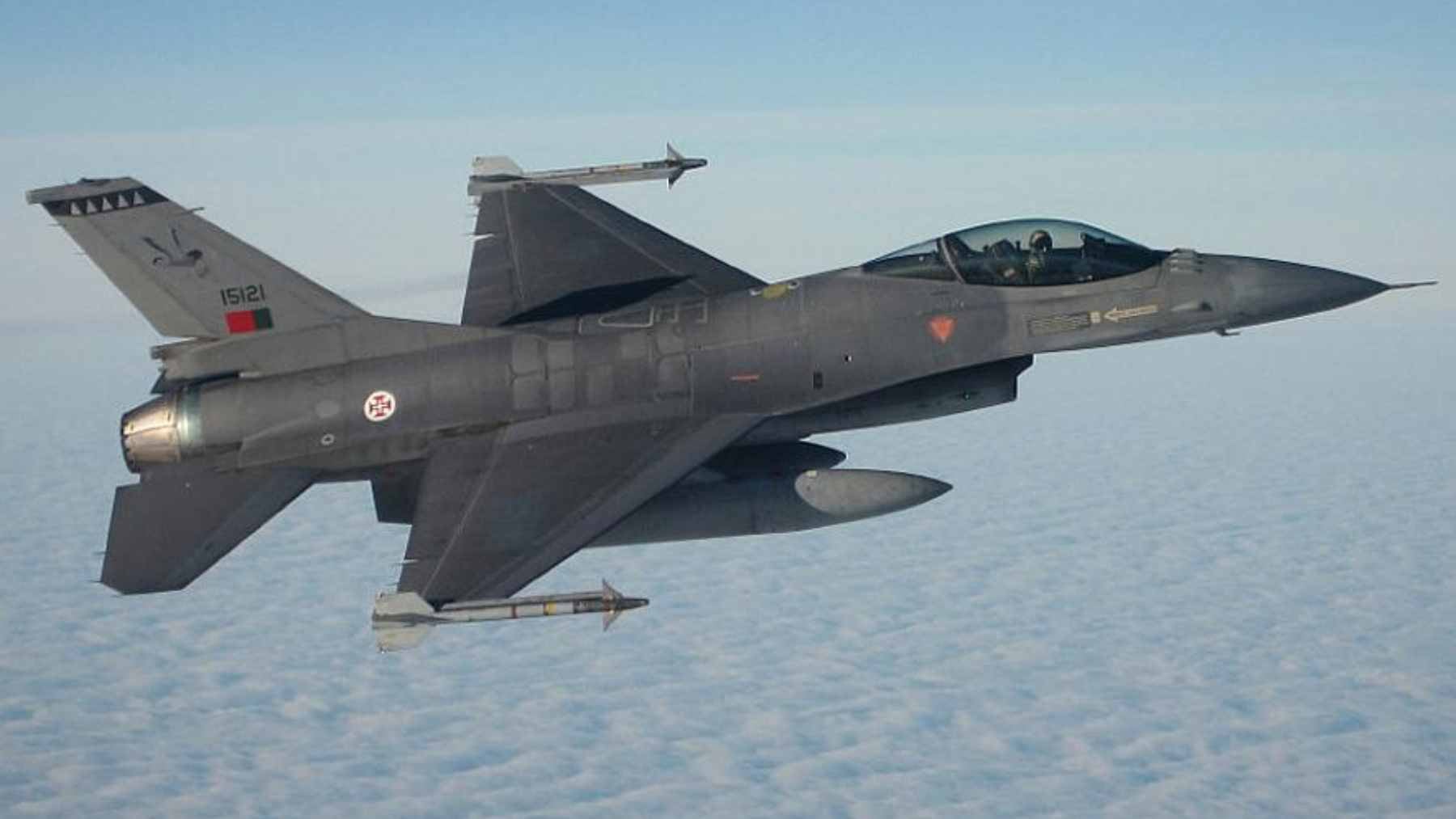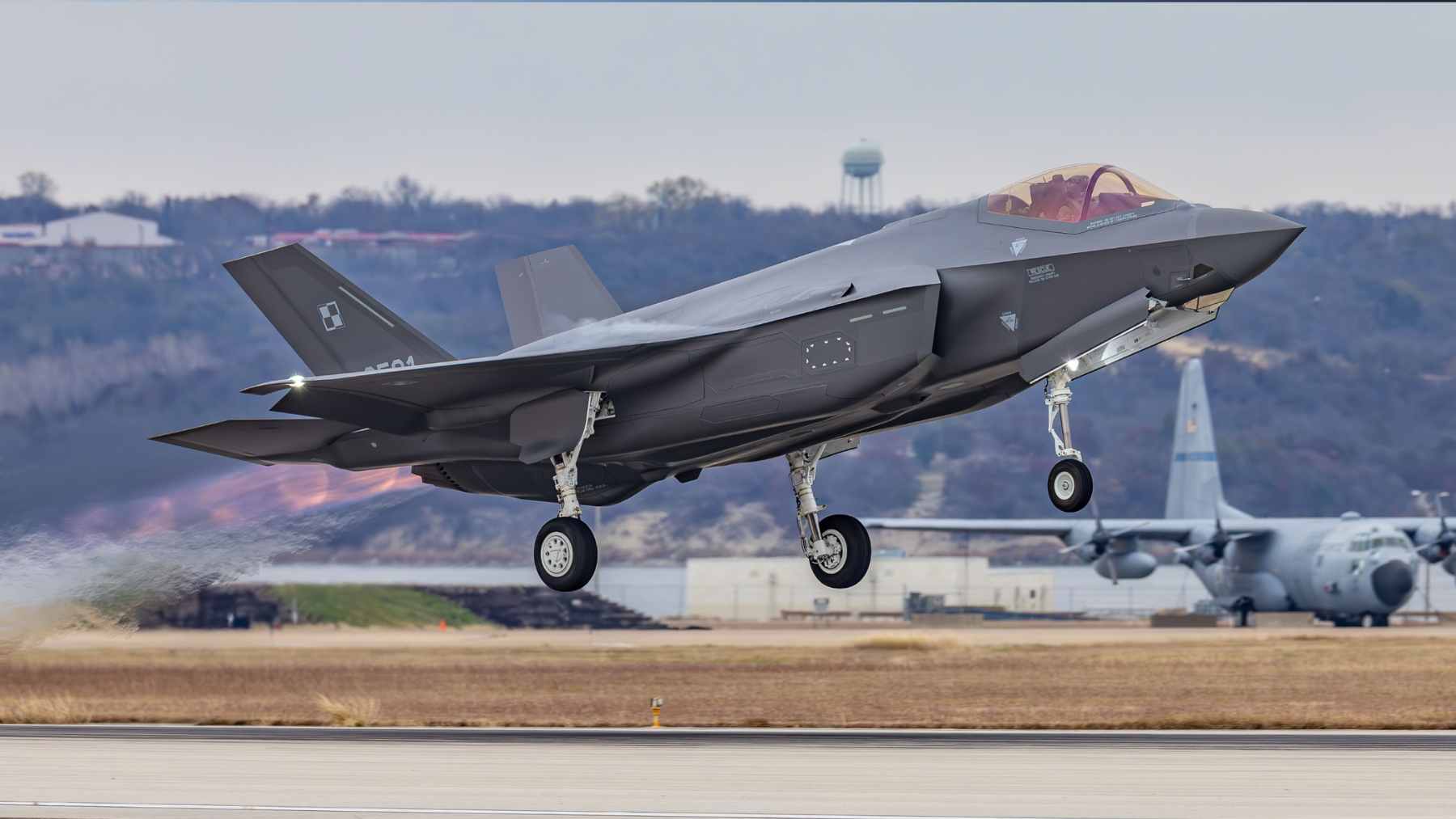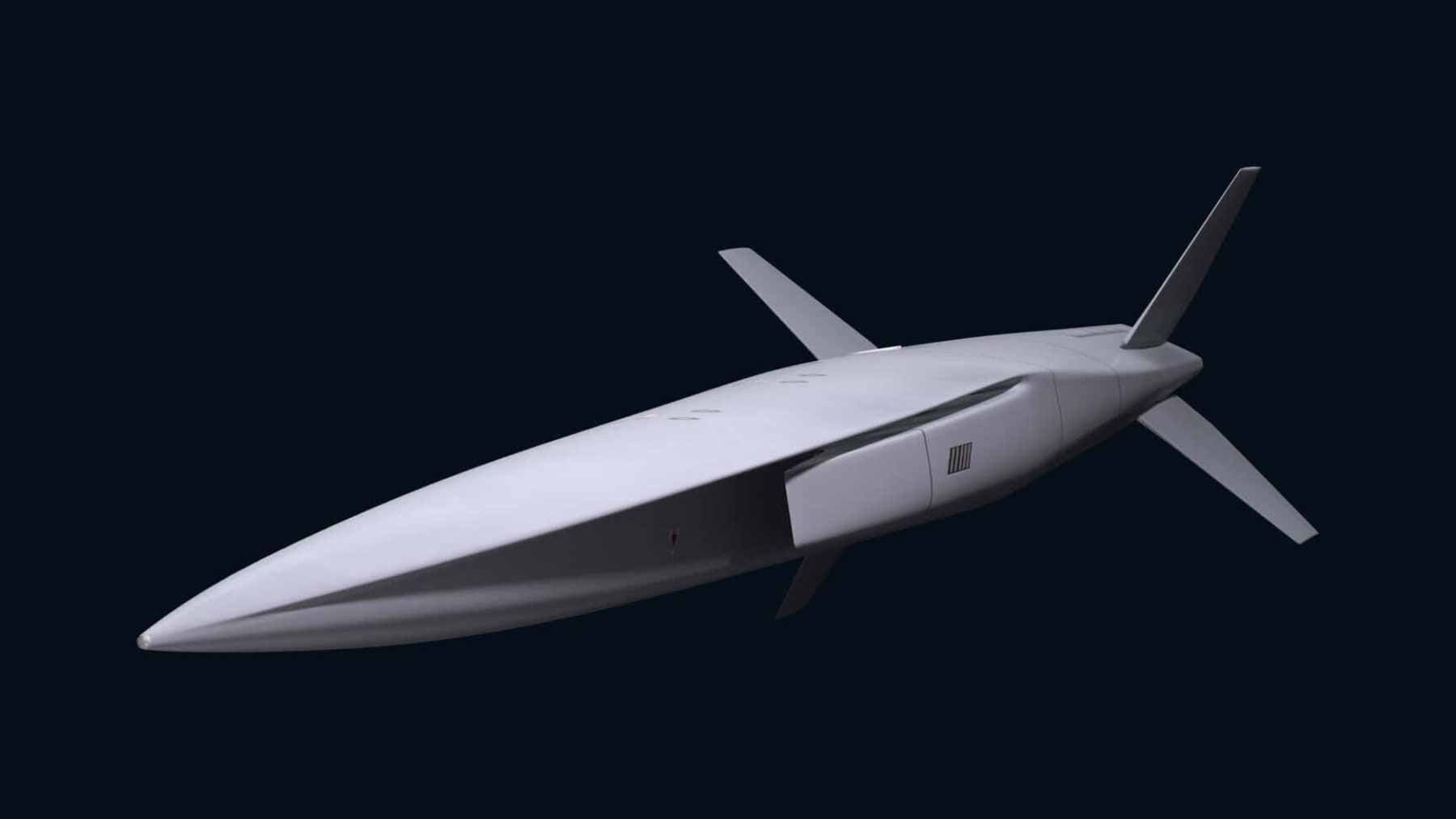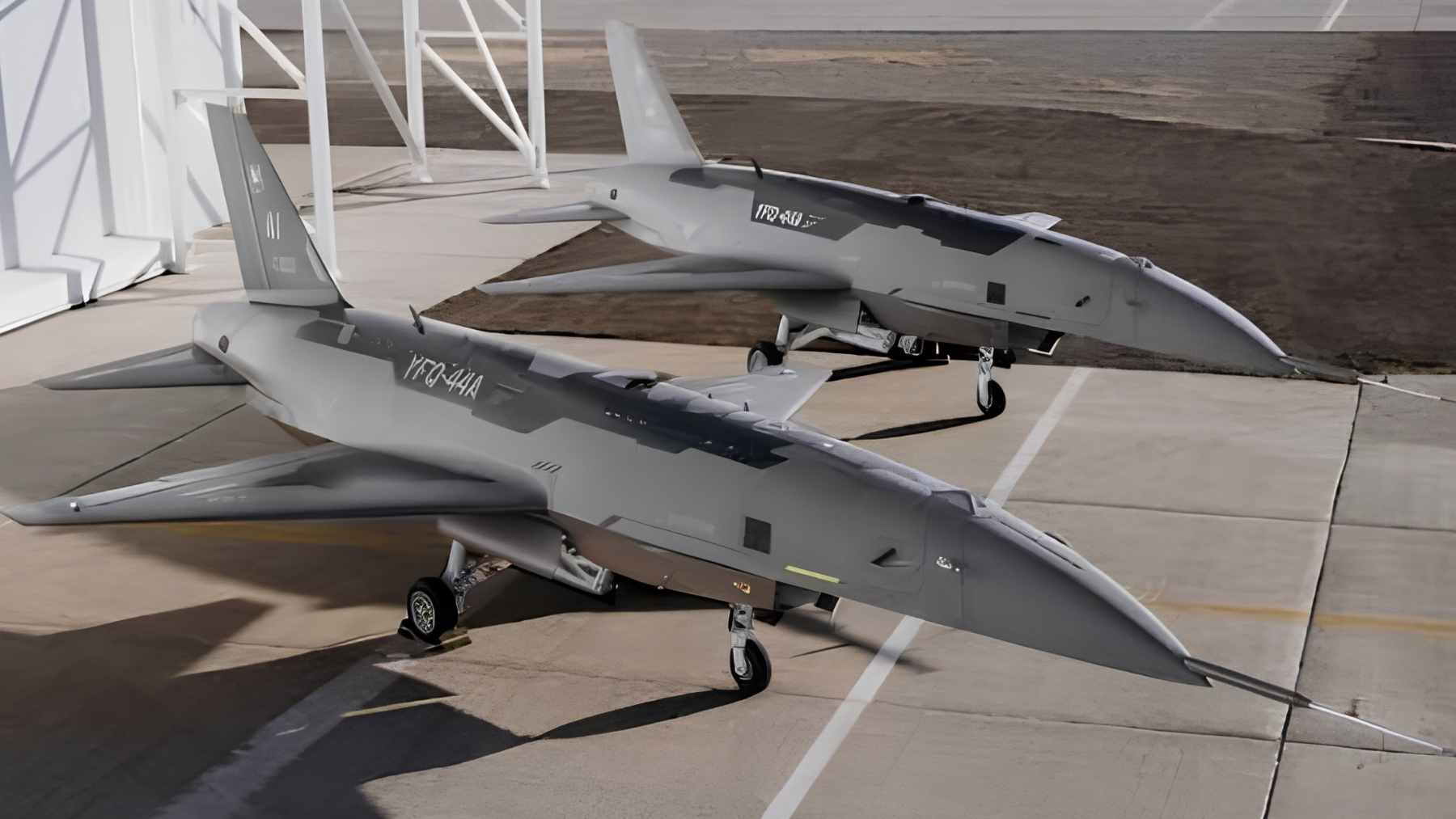
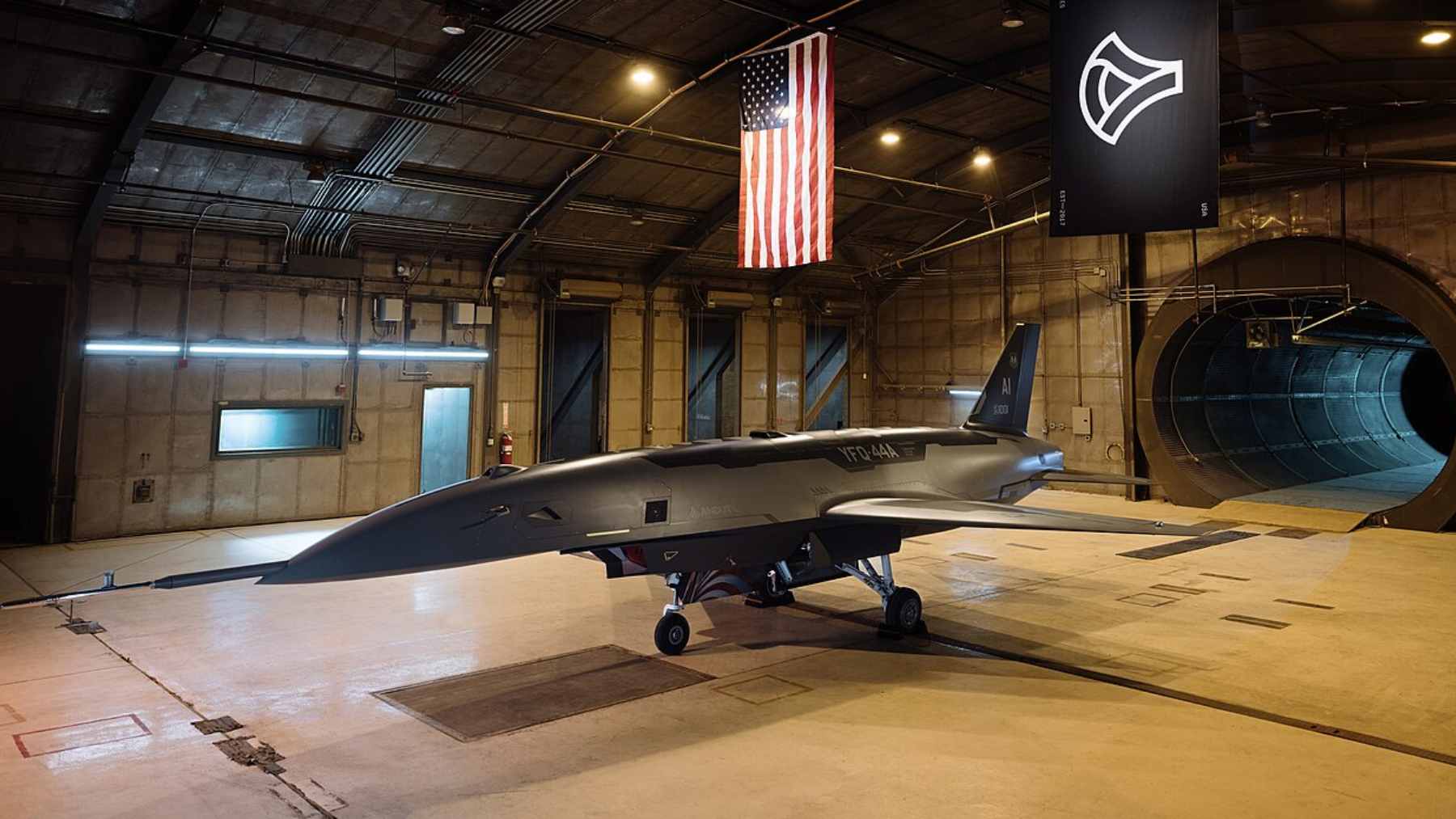
The U.S. Air Force has taken a major step toward a new kind of air war by moving Anduril’s FQ-44 Fury into production contracts under its Collaborative Combat Aircraft program. The aircraft is designed to fly alongside crewed fighters such as the F-35 and F-22, giving pilots extra reach, sensors, and combat options without putting another person directly in harm’s way.
This is not just another defense contract. It is a glimpse at how future combat aircraft may be built, bought, updated, and judged, with hardware and autonomy software treated as separate pieces of the same puzzle.
And yes, there is an environmental angle too, because every new generation of military aviation raises hard questions about energy use, manufacturing, and the real cost of flying at scale.
Why the FQ-44 matters
The Air Force awarded engineering, manufacturing, and production contracts to General Atomics for the FQ-42 and Anduril for the FQ-44 as part of CCA Increment 1. According to the service, those awards came four months ahead of schedule and mean both aircraft met mission requirements for full-scale manufacturing.
In plain English, the Air Force is no longer treating these aircraft as distant science fiction. It wants them built, tested, and folded into future operations quickly. The service says it wants more than 150 combat-capable CCAs by the end of the decade and roughly 1,000 in the long run.
A loyal wingman
The FQ-44 belongs to a category often described as “loyal wingman” aircraft. These systems are intended to work with human pilots, not simply replace them, and can be used for missions such as reconnaissance, electronic warfare, strike support, and higher-risk operations.
That changes the math in the cockpit. A pilot in an F-35 or F-22 could one day command a small team of uncrewed aircraft that scouts ahead, carries sensors, or draws danger away from the crewed jet. It is a bit like sending extra eyes and extra tools into a storm before walking into it yourself.
Software is the twist
One of the biggest changes is not the aircraft body. It is the software.
The Air Force is separating mission autonomy software from the aircraft purchase, an approach it described as “software sold separately.” The service selected six vendors for a mission autonomy contract pool, including Anduril, General Atomics, Lockheed Martin, Northrop Grumman, RTX Collins Aerospace, and Shield AI.
That may sound technical, but it matters. Instead of locking one aircraft to one brain forever, the Air Force wants software that can be updated, competed, and improved over time. In practical terms, that could make the FQ-44 more like a smartphone in one key way, with new capabilities added after the hardware is already in the field.
The business race
For Anduril, this is a major breakthrough. The company, founded by Palmer Luckey, has moved from border surveillance and autonomous defense systems into one of the most important airpower programs in the United States.
Reuters reported earlier this year that Anduril’s Arsenal-1 manufacturing campus in Ohio is a $1 billion facility expected to employ more than 4,000 people over the next decade. The same report said Fury production was expected to begin there, with Anduril emphasizing commercial materials and supply chains to move faster than traditional defense production.
That is part of the bigger story. Newer defense technology firms are trying to prove they can build advanced systems at speed, while the Pentagon is looking for ways to avoid slow, expensive procurement cycles. For the most part, the FQ-44 is now one of the clearest tests of whether that model can work.
The environmental question
Here is the part that often gets left out. Modern airpower runs on enormous amounts of energy, and the Air Force has known for years that fuel is both a military vulnerability and an environmental concern.
The Air Force said in 2018 that it consumes about 2 billion gallons of aviation fuel each year, with aviation fuel making up about 81 percent of its total energy budget.
That does not mean the FQ-44 is automatically better or worse for the environment, because public fuel-burn figures for the aircraft have not been released. But it does mean any large-scale aircraft program belongs in the energy conversation.
There is also a practical battlefield reason for caring about fuel. More efficient aircraft and smarter mission planning can reduce tanker needs, lower logistics risk, and cut costs. At the end of the day, less fuel hauled into dangerous places can matter for pilots, maintainers, and the climate ledger.
Human control stays central
The rise of semi-autonomous aircraft naturally raises a question many people will ask at the kitchen table. Who makes the final call?
The material provided on the FQ-44 states that the aircraft is intended to operate with high levels of autonomy while keeping human supervision over weapons use and critical combat decisions. That distinction matters, because the public debate around AI in warfare is not only about speed, but also accountability.
Air Force leaders are framing the CCA program as human-machine teaming rather than a jump into fully independent robotic warfare. Gen. Ken Wilsbach said CCAs “change how we project power” in heavily contested environments, while the service argues that crewed and uncrewed teams can extend reach, awareness, and survivability.
What comes next
The immediate next step is testing, production, and software competition. The Air Force plans to keep evaluating autonomy providers, with a primary mission autonomy provider for CCA Increment 1 expected to be selected by summer 2027.
So the Fury is not just a new aircraft. It is a test of a new defense playbook, one where factories, AI software, combat pilots, and energy demands all collide in the same story.
The official statement was published on U.S. Air Force.