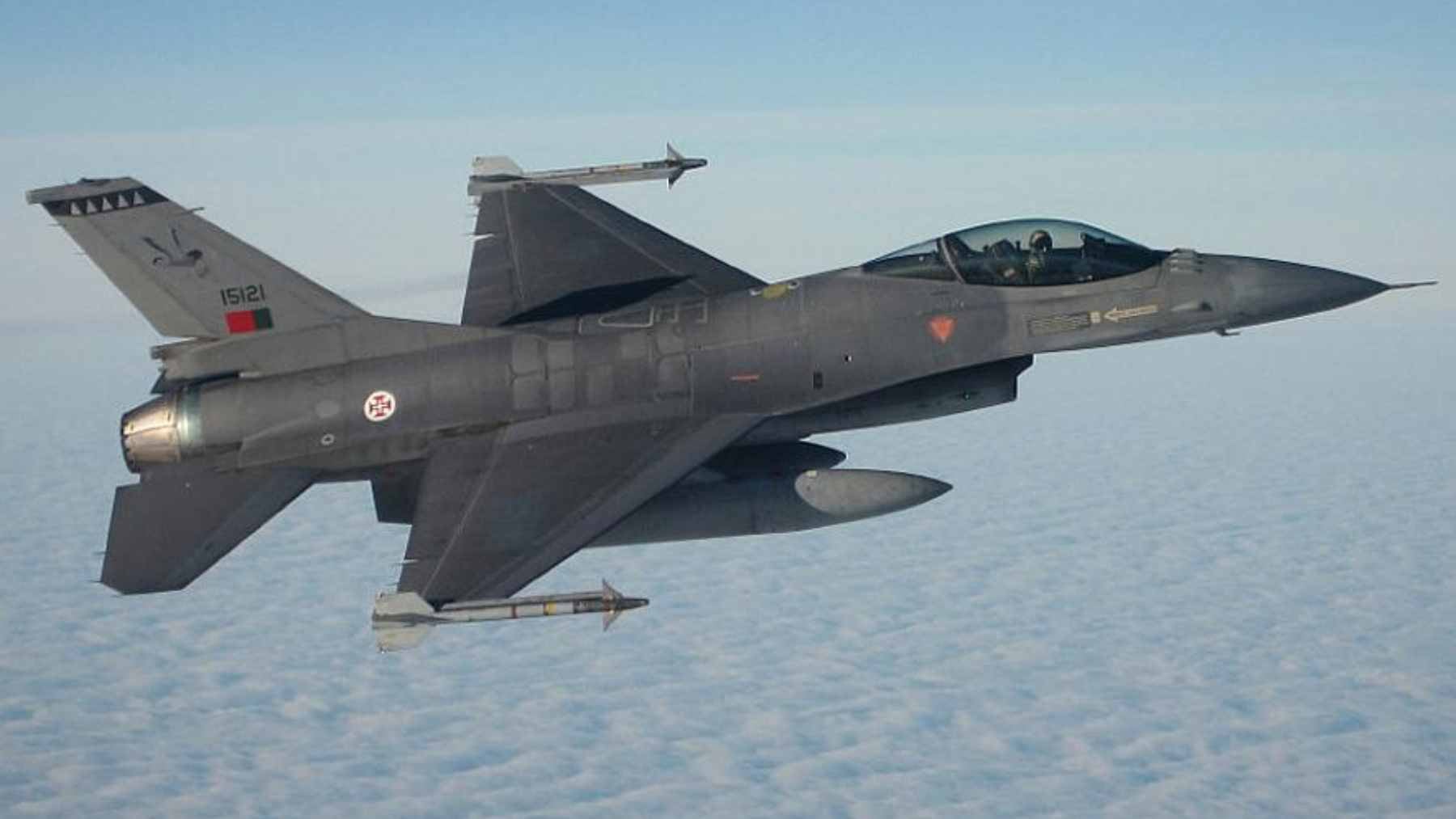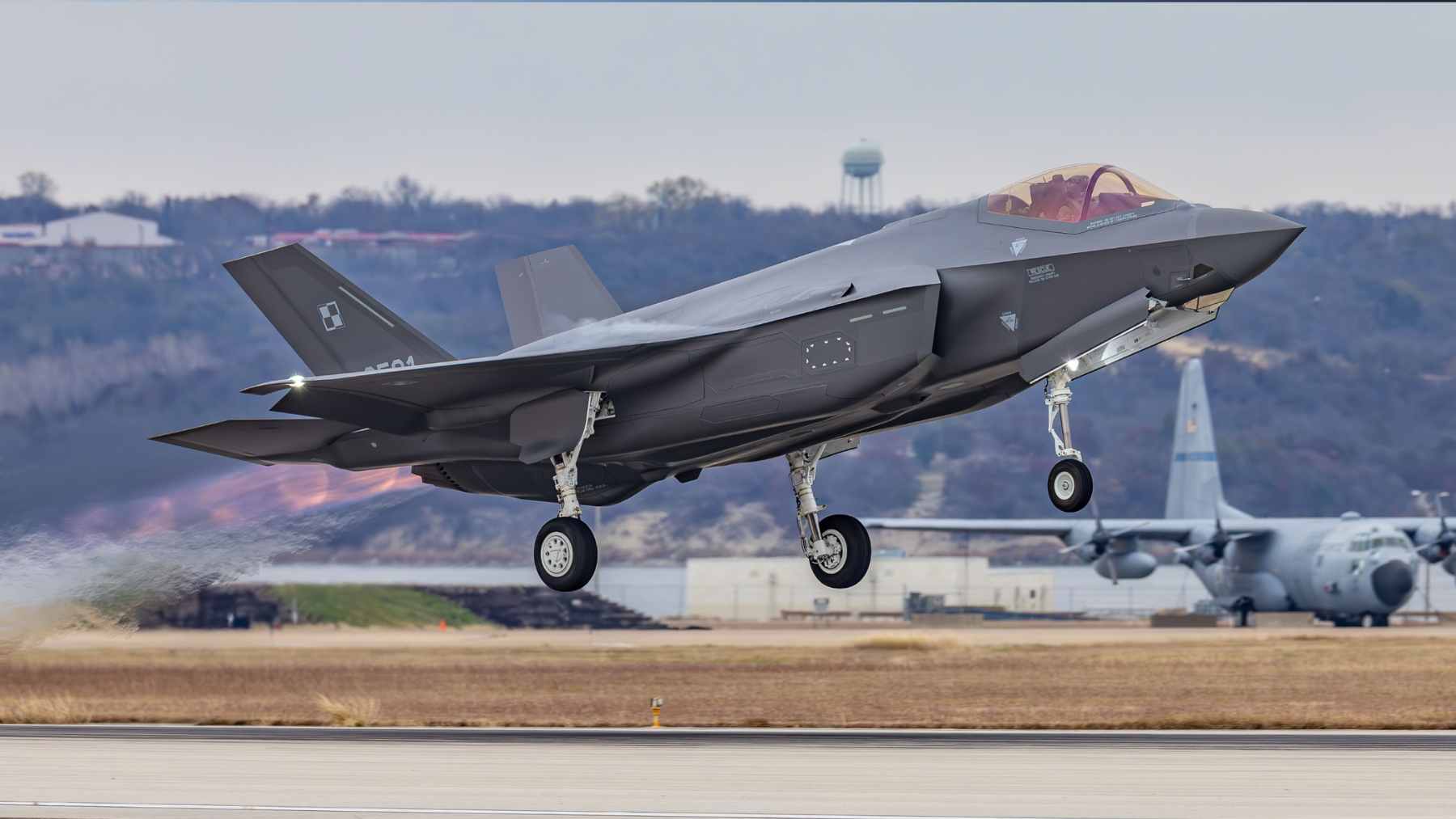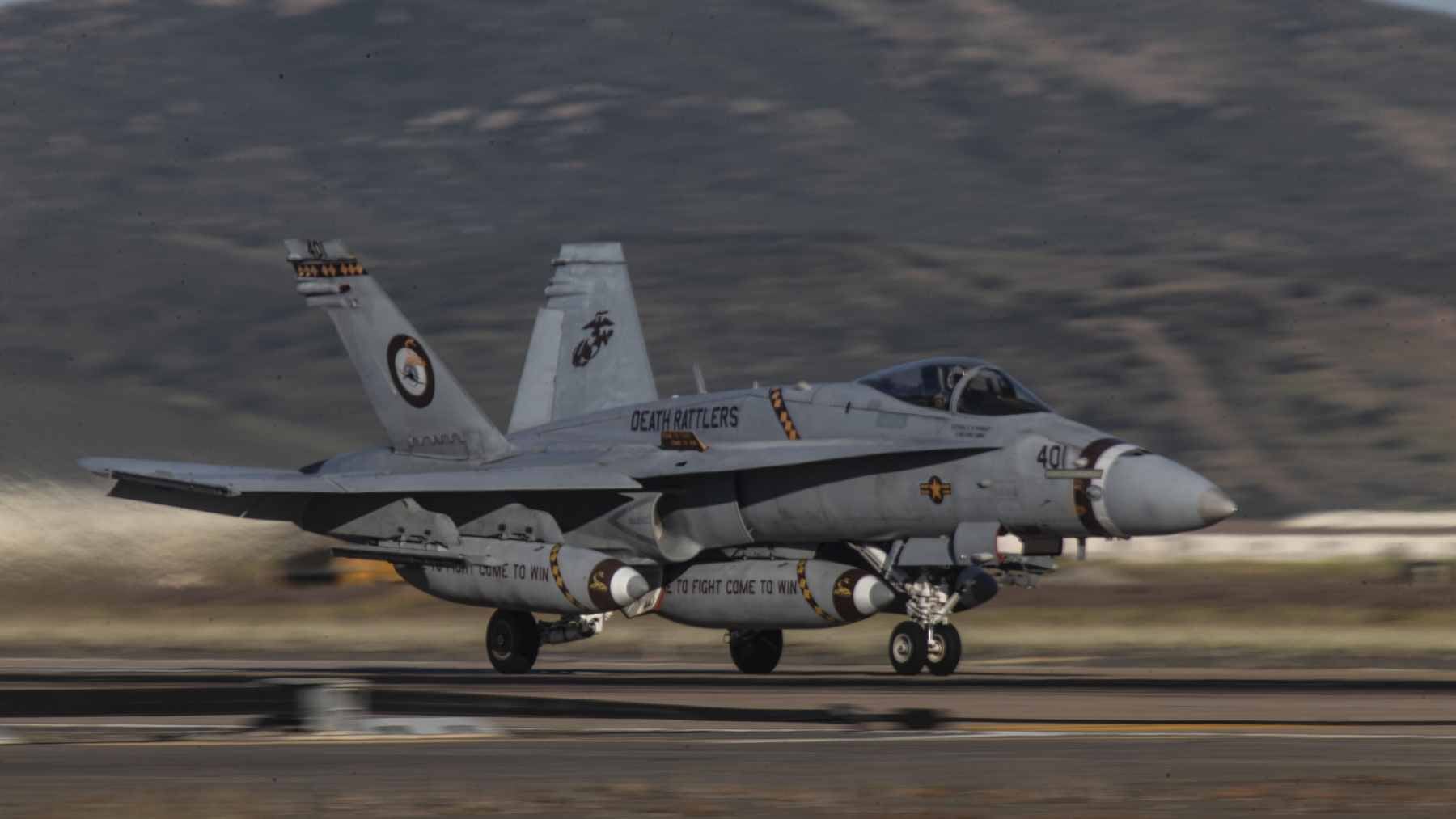
A retired Marine Corps fighter pilot with one of the rarest resumes in modern aviation says the F-22 Raptor was the aircraft that stood apart from the rest. Dave Berke flew the F/A-18 Hornet, F-16 Fighting Falcon, F-22 Raptor, and F-35B Lightning II, logging about 3,000 flight hours across a 23-year Marine Corps career before retiring in 2017.
That answer is more than a pilot’s favorite jet. It points to a bigger question for the Pentagon, defense contractors, and environmental planners as military aviation tries to balance speed, stealth, fuel demand, and battlefield data. What happens when the most impressive fighter in the sky also reminds everyone how heavy the fuel and logistics burden can be?
A rare cockpit resume
Berke’s story sounds almost scripted. At 13, he watched “Top Gun” and decided he wanted to become a fighter pilot, then later taught at the real TOPGUN school and flew combat missions from aircraft carriers.
“I’m pretty sure no one else has flown those four jets,” Berke said about the crafts he piloted. “During my time in my career, I was definitely the luckiest guy.”
Still, he did not dismiss the others. The F/A-18 was his “first love,” the F-16 gave him more performance, and the F-35 changed how he thought about modern war. Then came the Raptor.
Why the Raptor felt different
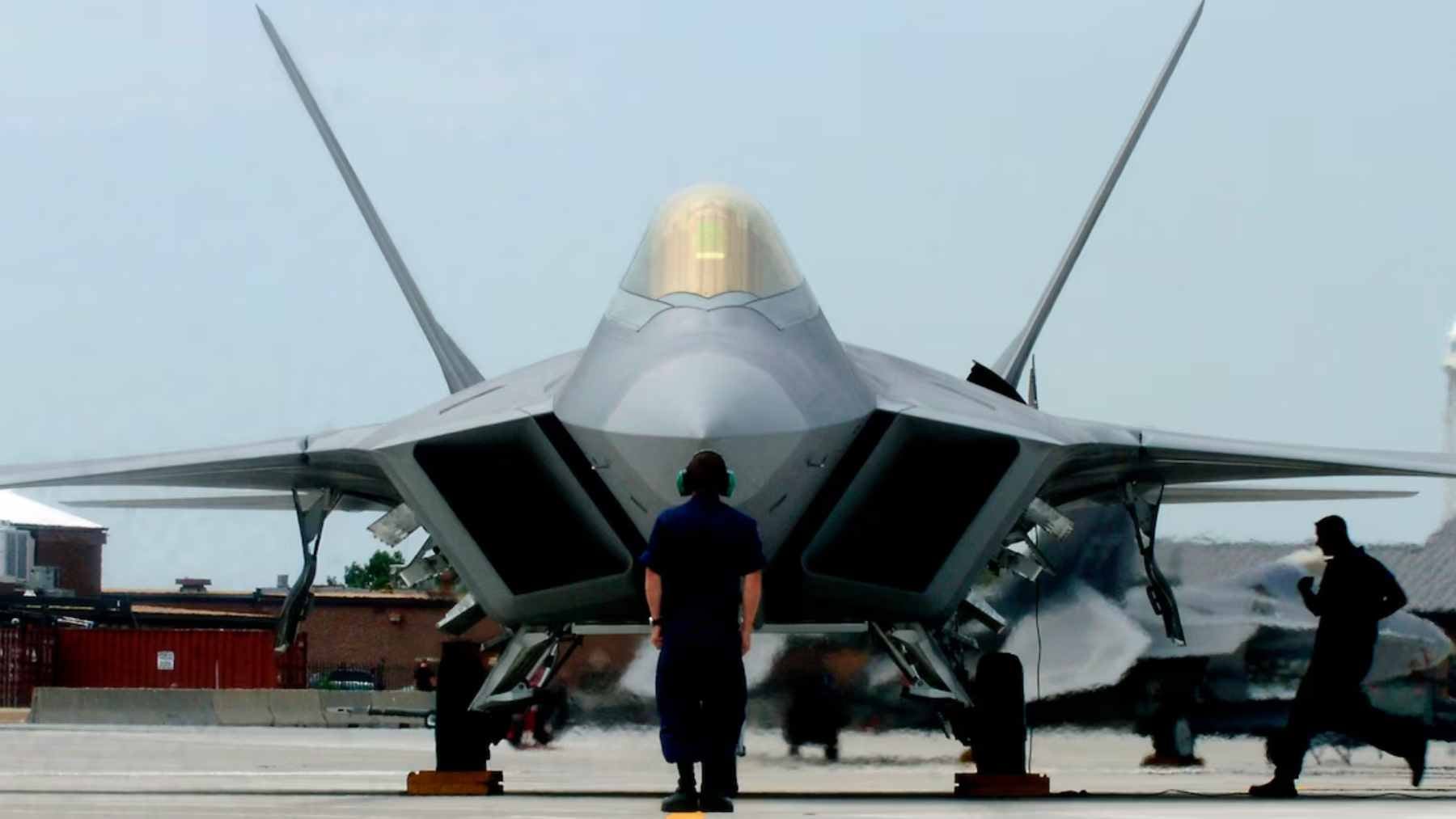
“The short, easy answer is the F-22 Raptor is a unique aircraft,” Berke said. “Getting to fly that was amazing, and it really doesn’t have a real equal in the world that it operates.”
The official Air Force description helps explain why he felt that way. The F-22 combines stealth, supercruise, extreme maneuverability, and integrated avionics, while the 2026 F-22 Demo Team media kit lists two Pratt & Whitney F119 engines with 35,000 lbs. of thrust each and thrust-vectoring nozzles.
That sounds like a spec sheet, but in the cockpit it becomes something else. Berke said the jet’s feel, sound, and movement made it obvious that it was unlike anything he had flown before, adding, “There’s just nothing like the Raptor.”
More than raw power
The F-22’s party trick is not just speed. The Air Force says it can cruise at supersonic airspeeds greater than Mach 1.5 without afterburner, a feature known as supercruise, while other fighters often need fuel-consuming afterburners to stay supersonic.
In practical terms, that matters. Afterburners are dramatic, loud, and visually unforgettable, but they also burn through fuel quickly. Supercruise does not make the Raptor a green aircraft, of course, but it shows how performance and energy use can sometimes point in the same direction.
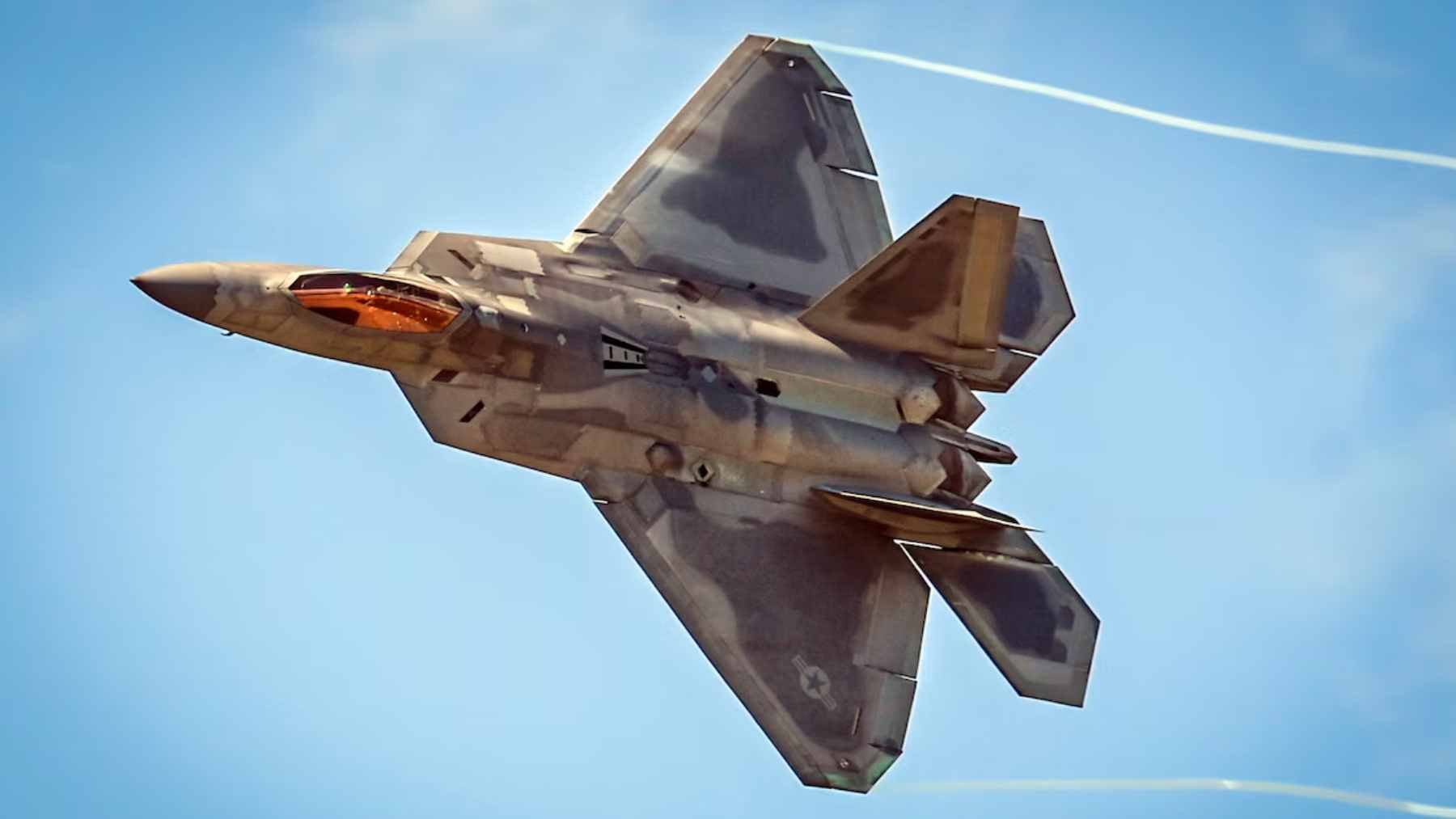
The media kit also lists a ceiling of 60,000 ft., a range of more than 1,850 miles with two external fuel tanks, and a unit cost of $140 million. That is why the Raptor sits at the crossroads of technology, military power, and serious public spending.
What the F-35 changed
Berke’s praise for the F-22 does not mean the F-35 was less important. In fact, he said the F-35 changed how he thought about air combat because its strength is not mainly speed or turning ability, but collecting, fusing, and sharing information.
That matches how the F-35 Joint Program Office describes the aircraft. It says the fighter’s ability to collect, analyze, and share data can enhance airborne, surface, and ground assets across the battlespace.
The Marine Corps’ F-35B adds another layer. It is the short takeoff and vertical landing version, designed to operate from amphibious ships, expeditionary airfields, and places with limited runway space, including runways shorter than 2,000 ft.
The fuel question
There is a part that rarely shows up in movie scenes. Fighter performance is never only about altitude, speed, or weapons, it is also about fuel.
The Government Accountability Office reported that the Department of Defense used three times as much energy as all other federal agencies combined in fiscal year 2021.
The U.S. Energy Information Administration also estimated that military and government users accounted for about 7% of U.S. jet fuel consumption in 2023, while commercial aviation accounted for around 85%.
That does not mean fighter jets are the biggest slice of the military fuel picture. Tankers, cargo aircraft, bombers, ships, bases, and ground vehicles all matter, too. But every pound of aviation fuel still has to be produced, moved, stored, protected, and paid for.
Green defense gets complicated
This is where ecology and defense collide in a very real way. No one is about to replace stealth fighters with electric jets for high-end combat, but the pressure to reduce fuel demand is not just about climate goals, it is also about survival.
A force that needs less fuel is harder to disrupt. Fewer fuel convoys, shorter supply chains, smarter maintenance, better simulation, and more efficient mission planning can all reduce risk while trimming emissions to some extent.
The F-22 and F-35 show two sides of that future. One pushes the limits of physics in the air, while the other turns information into a weapon. The next leap may need both, plus a much sharper eye on energy.
The lesson beyond the runway
Berke’s cockpit tour is not just aviation nostalgia. It is a snapshot of how American airpower has evolved from raw maneuvering to stealth, sensors, networks, and logistics discipline.
The Raptor may still be the jet pilots dream about. The next breakthrough, though, may be the aircraft that wins the fight while asking less from the fuel truck.
The official aircraft fact sheet was published on Joint Base Langley-Eustis.