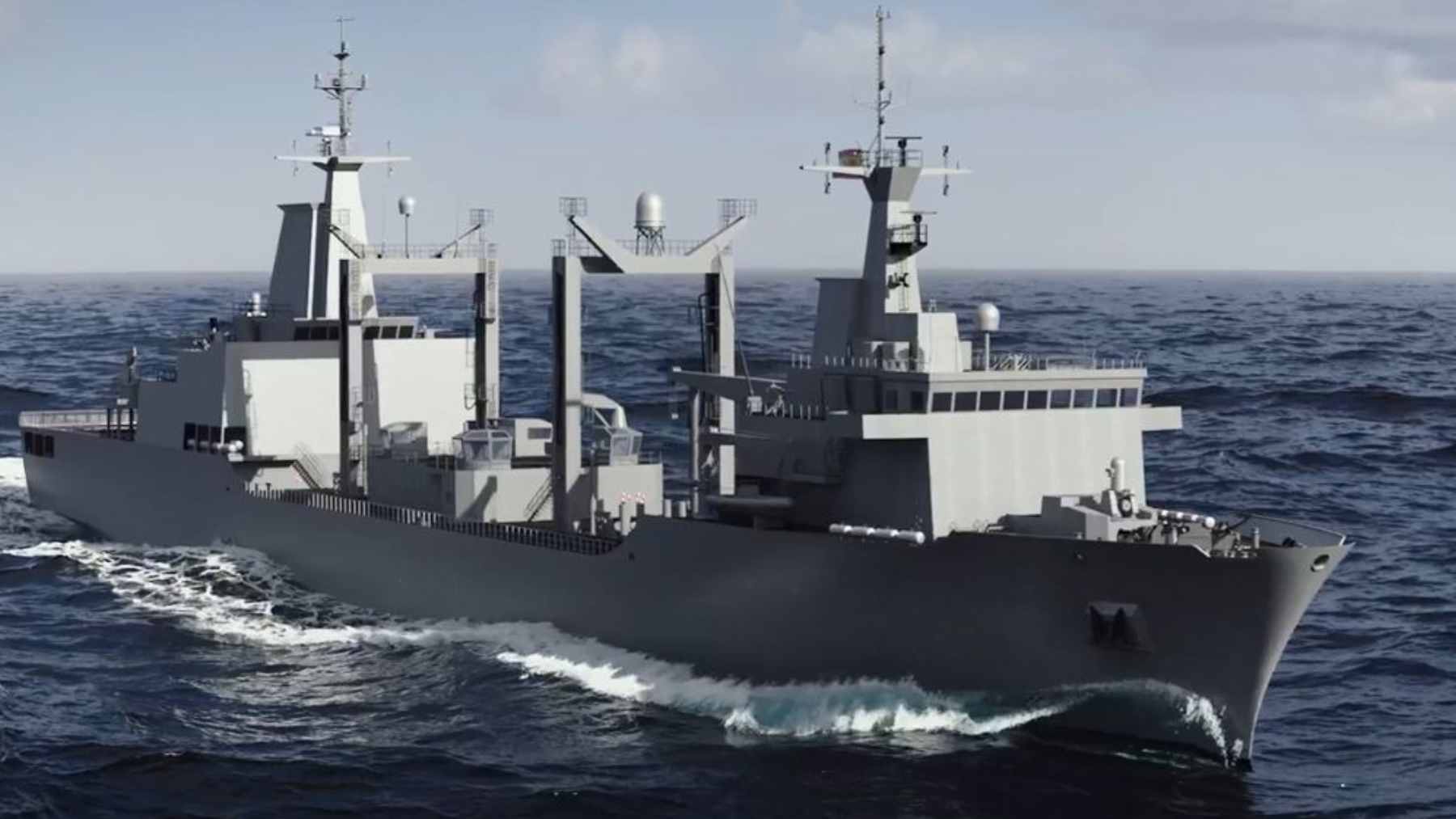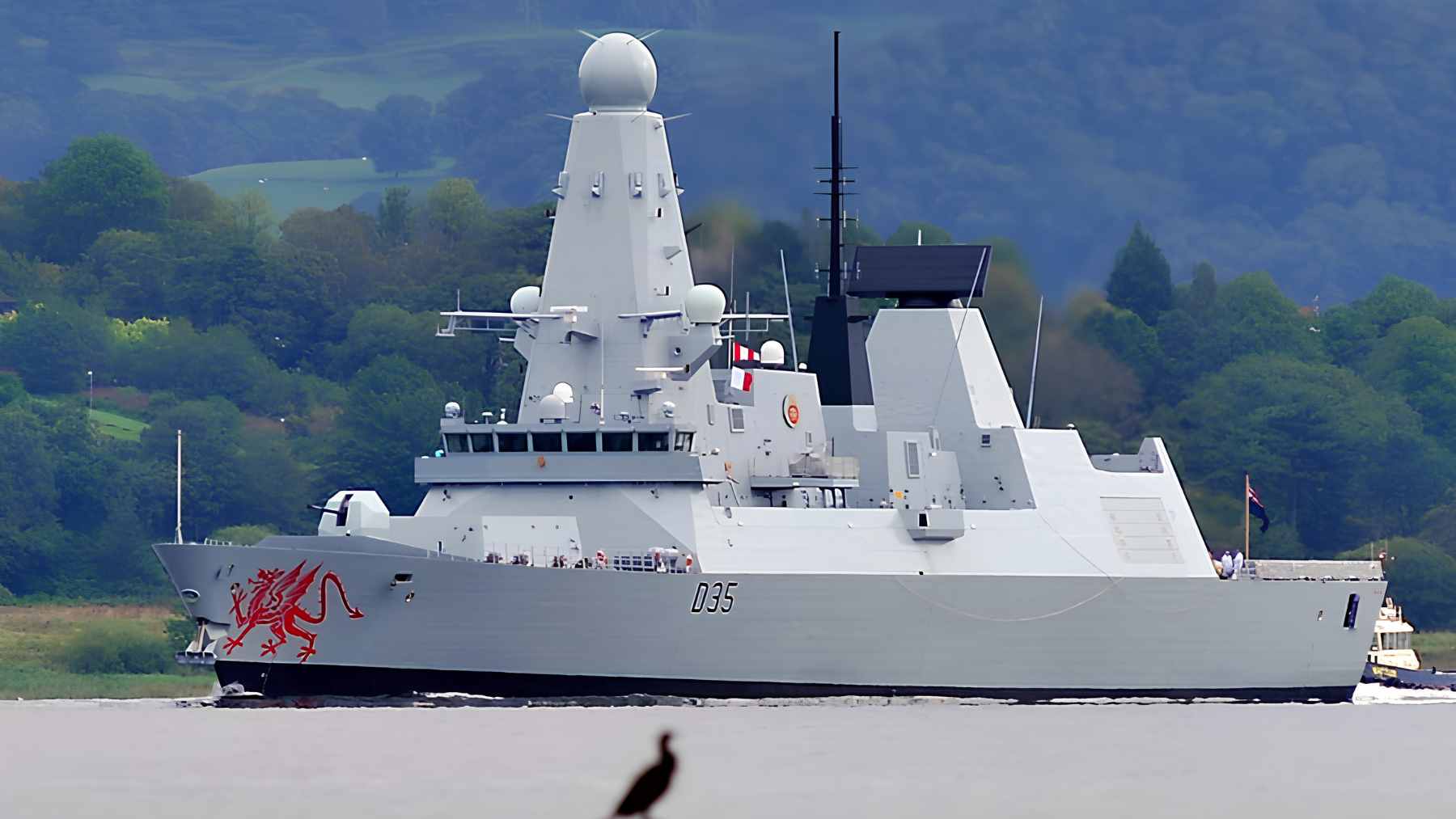
The Royal Navy is moving closer to putting a real laser weapon at sea, and the target is now clear. Britain wants DragonFire, its high-energy laser weapon, fitted to a Type 45 destroyer by 2027, a step that could make the UK the first European NATO country to deploy this kind of directed-energy system operationally.
Why does that matter? Because modern warships are facing a growing problem that looks simple on the surface but is expensive in practice. Cheap drones can force navies to use missiles that cost hundreds of thousands of dollars, while DragonFire is being presented as a way to strike airborne threats for about $13 per shot.
DragonFire heads to sea
The current focus is not just proving that the laser can work. It is making the system small, tough, and practical enough to live on a Royal Navy destroyer, where space is limited and salty weather is never kind to delicate equipment.
QinetiQ, MBDA UK, and Leonardo UK are the three main industry partners behind DragonFire. According to information shared at a NATO Industrial Advisory Group industry day, QinetiQ is working on the laser beam generation side and looking at how to shrink the whole system while understanding what support it would need across its life cycle.
James Anderson, who leads the Royal Navy account at QinetiQ, said the plan to install DragonFire on a Type 45 ship before the end of 2027 remains “on track.” That timeline is important because it turns the project from a laboratory breakthrough into something that sailors may actually rely on during patrols.
A weapon built for drones
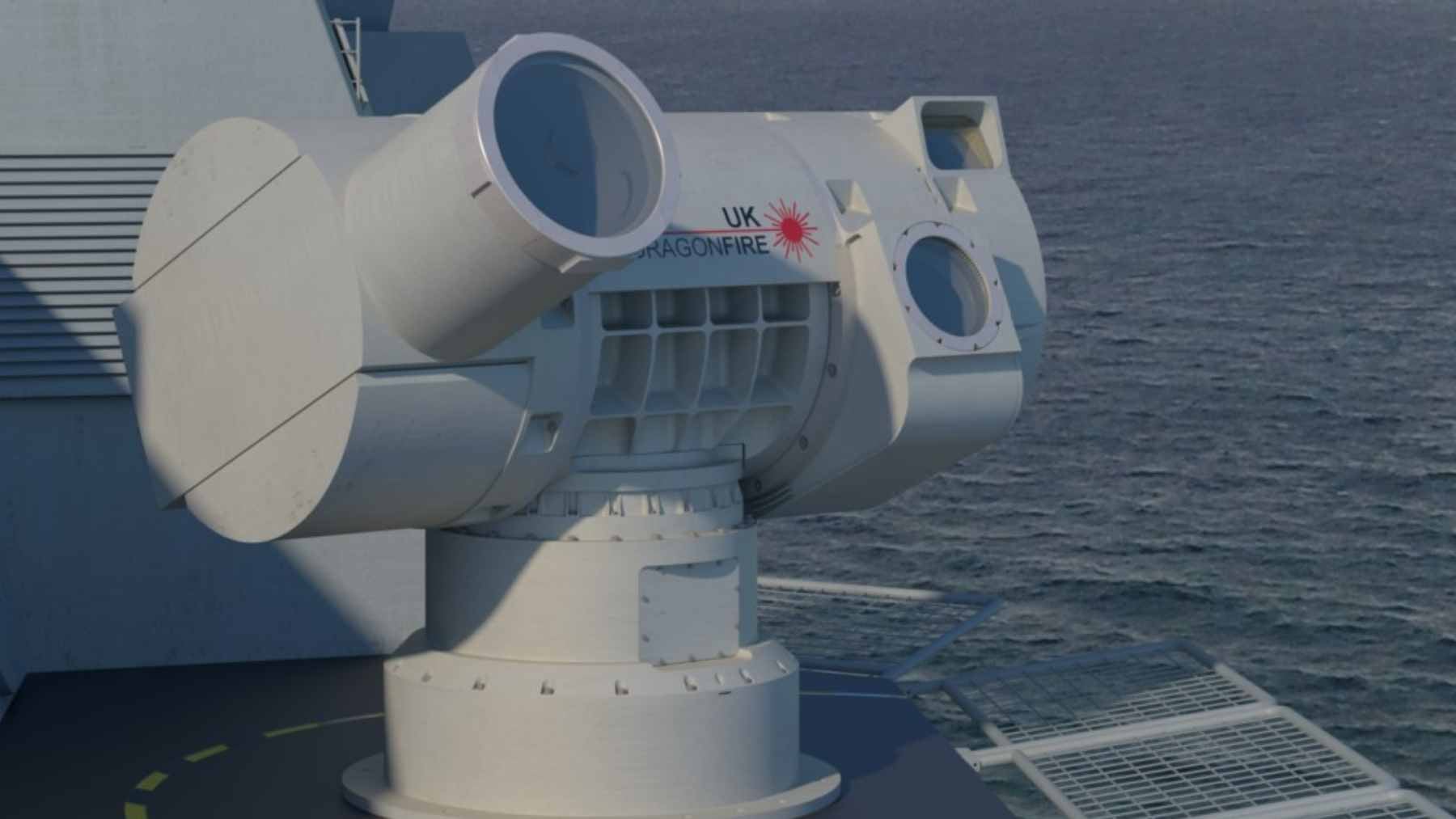
DragonFire is designed to engage visible airborne targets at short or relatively close range. That includes Class 1 and Class 2 drones, the small systems that are now changing how militaries think about ship defense.
The attraction is easy to understand. A laser does not need a magazine full of traditional rounds in the same way a gun or missile launcher does. It needs power, cooling, tracking, and a clear line of sight.
That does not make it magic. Bad weather, sea spray, haze, and battlefield conditions can still matter, and Western navies will want proof that the system works outside carefully controlled trials. But if the technology performs as hoped, it could change the math of naval defense.
The cost problem
Modern air defense has a strange imbalance. A low-cost drone can force a ship to respond with a very expensive interceptor, and that can quickly drain both money and missile stocks.
Anderson put the problem plainly when discussing the UK’s need to defeat drone swarms. He said Britain currently uses “quite sophisticated” missiles against some threats and added that lasers offer “a real opportunity” to break that imbalance.
On deterrence missions, DragonFire could help a ship save its higher-end weapons for bigger threats. Graeme McNaught, Leonardo’s campaign manager for electro-optics, infrared, and laser-directed energy, said the system could “extend the magazine” of a ship’s kinetic weapons by allowing it to use directed energy more often.
Still part of layered defense
DragonFire is not expected to replace missiles, guns, or other ship defenses overnight. For the most part, it is being framed as one layer in a wider defensive shield.
That layered approach matters at sea. A destroyer may have to deal with drones, missiles, aircraft, and other threats at different ranges and speeds. No single tool is perfect for all of that.
McNaught said DragonFire would always be part of a layered defense approach. That is a careful point, but an important one. Lasers may help stretch a ship’s endurance, but commanders will still need backup options when conditions are poor or targets fall outside the laser’s best engagement zone.
Miniaturizing the beam
One of the hardest jobs now is making DragonFire compact enough for a real warship without losing the qualities that make it useful. There is only so much time before 2027, and the first priority is getting the weapon safely installed and protected from the marine environment.
McNaught said industry has not set a single minimum size target for the laser’s beam director. Instead, the urgent task is getting the weapon onto the Type 45 and making sure the system can be accessed, maintained, and shielded from the harsh conditions at sea.
That sounds less dramatic than a laser burning through a drone, but it may be just as important. A weapon that works only in perfect test conditions is not enough. Sailors need something that keeps working when the deck is wet, the air is rough, and the schedule is unforgiving.
A faster defense push
The UK government has tied DragonFire to a wider defense technology push. In 2025, officials announced major funding for autonomous systems and directed-energy weapons, with DragonFire described as the first high-power laser capability expected to enter service from a European nation.
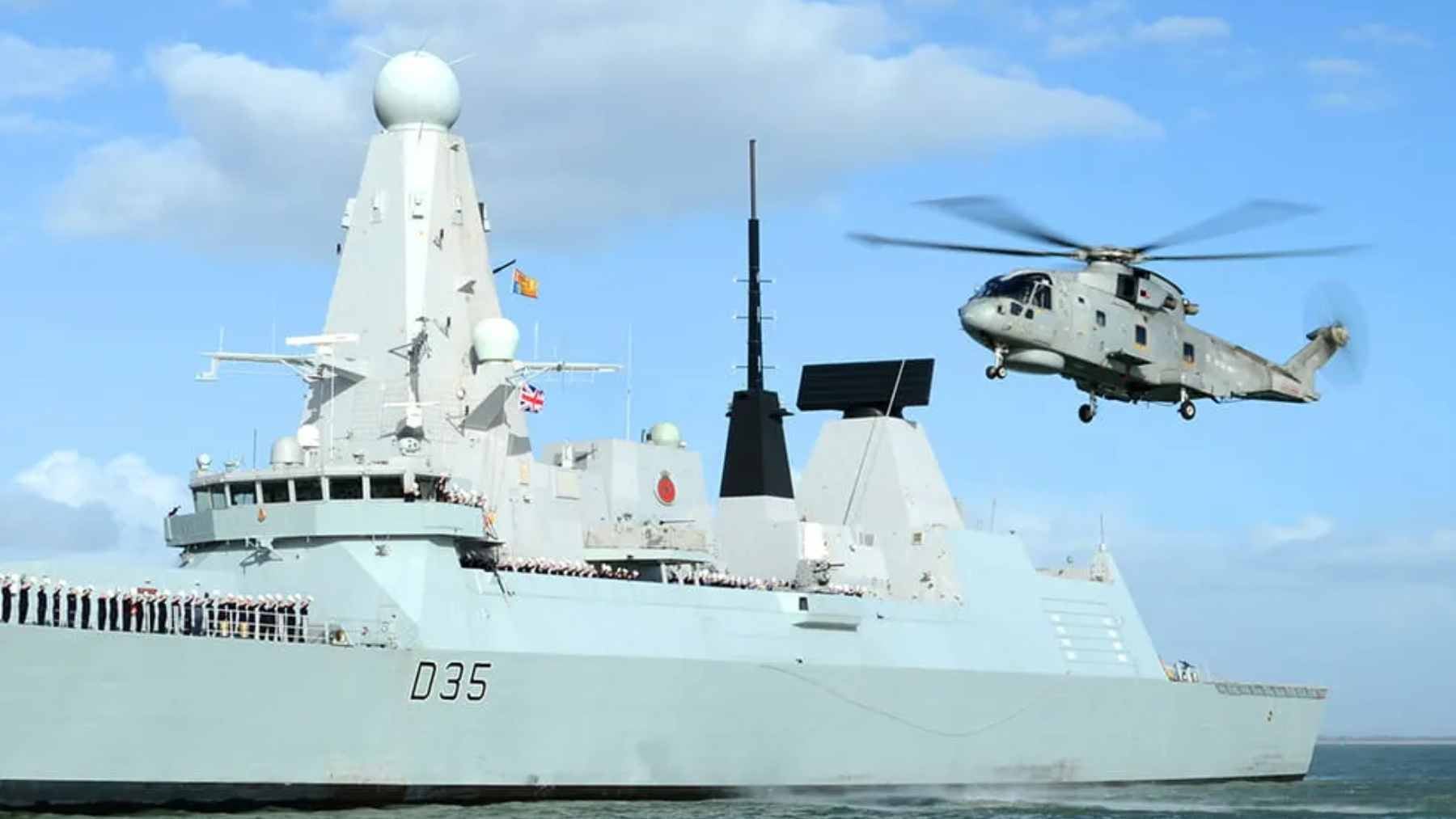
The Royal Navy has also said DragonFire will add to existing air defense systems, including Sea Viper and Sea Ceptor. In simple terms, the laser is being added to a ship that already has serious defensive tools, not sent out alone as an experiment.
The Ministry of Defence has said the weapon is accurate enough to hit a coin-sized target from about a kilometer away. Officials have also emphasized the cost advantage, comparing a roughly $13 laser shot with traditional missile systems that can cost far more.
What comes next
The next big test is trust. Navies have spent decades using missiles and guns, and moving to lasers requires confidence from the people who will have to use them in real operations.
Anderson said demand for laser weapons could rise sharply, but he also noted that the market has not fully moved yet because no one has shown, at scale, that the technology can be deployed effectively on the battlefield. That is the line DragonFire now has to cross.
At the end of the day, the laser is not just about futuristic hardware. It is about whether warships can defend themselves for longer, at lower cost, against the growing drone threat. That is why the 2027 Type 45 debut matters so much.
The official statement was published on GOV.UK.