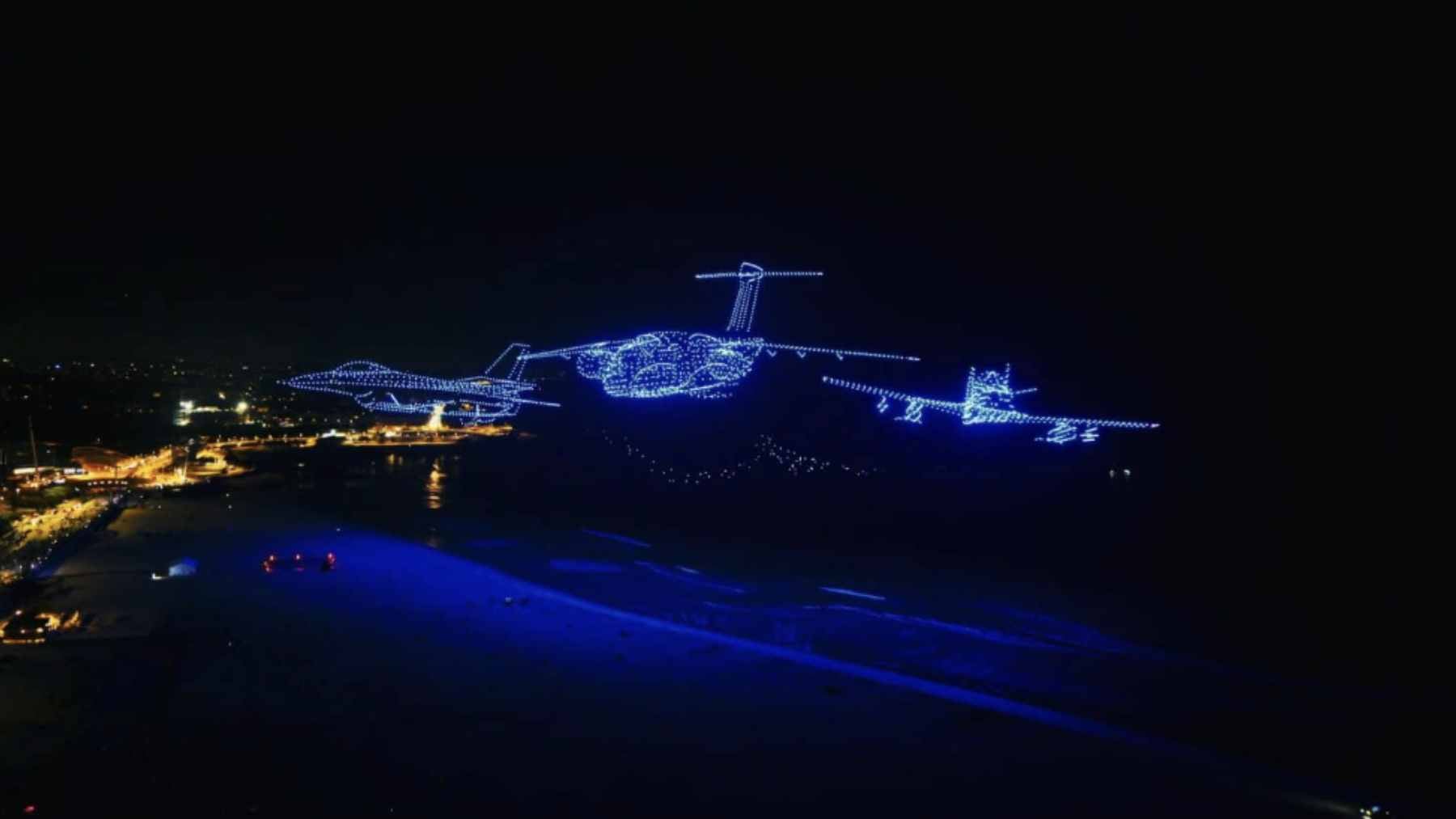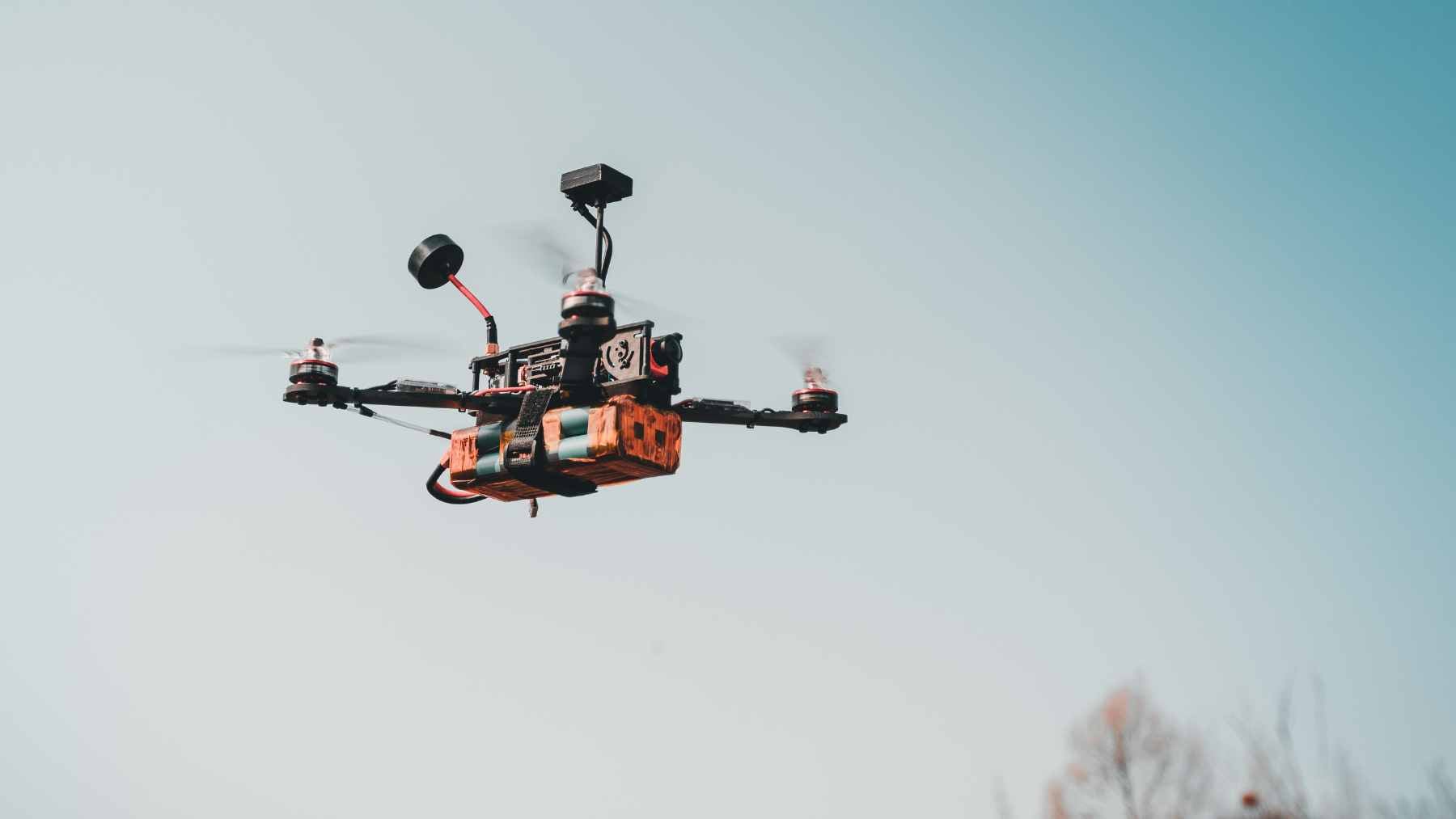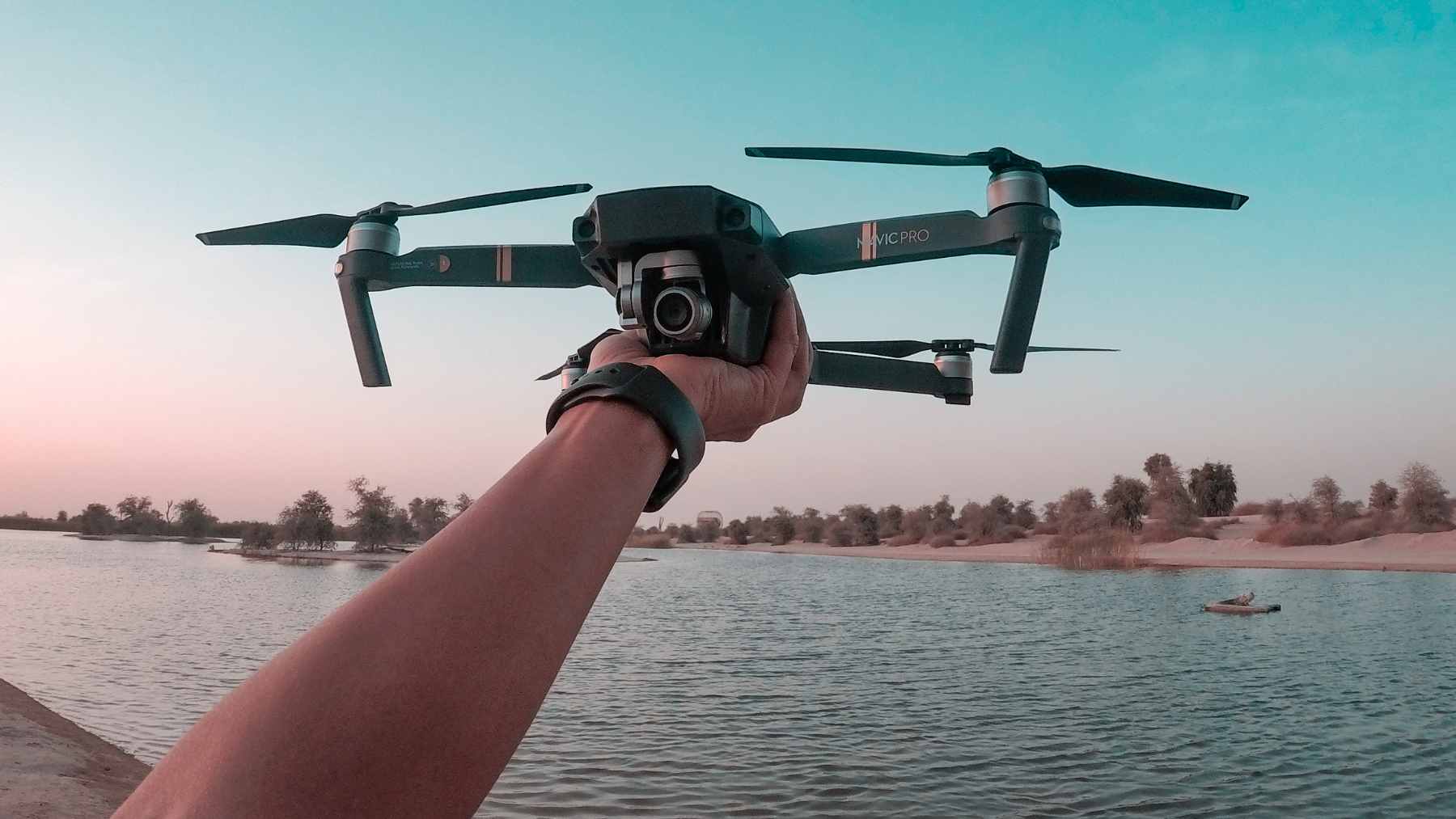
A quick Father’s Day content idea in downtown Miami turned into a federal warning after two creators launched a drone from their apartment balcony near a FIFA World Cup fan zone. The drone, they said, stayed close to the balcony, but the airspace around Bayfront Park was already under strict temporary flight restrictions.
The incident is a small story with a much bigger lesson. As the World Cup brings packed stadiums, fan festivals, and a security operation spread across U.S. host cities, even a short drone flight can now trigger fast federal action, fines, and confiscation. In other words, the sky over a major event is not just open space anymore, it is part of the security perimeter.
A drone flight goes wrong
The creators, identified by NBC6 South Florida as Dorian Carlisle and Hashim Moore, said they had bought the drone less than a week before the incident. They launched it from their downtown Miami penthouse balcony, hoping to record simple social media footage for Father’s Day.
According to their account, the drone did not travel far. Carlisle said it was roughly 10 ft. from the balcony and “right there, recording.” Still, the apartment sits only a few blocks from Bayfront Park, where FIFA has been holding fan events during the tournament.
Then came the knock. The two men said someone tried to open the apartment door before agents began pounding on it. Moore later said they were confused and worried about whether they could go to jail. It is not hard to see why.
Why Miami is watching the skies
Before the tournament, FBI Miami announced that it and partner agencies would enforce FAA Temporary Flight Restrictions around Hard Rock Stadium and the fan festival at Bayfront Park during World Cup matches in South Florida. The bureau also told operators to check airspace restrictions through FAA-approved B4UFLY apps or the FAA’s TFR site before flying.
The FAA has also designated all FIFA World Cup 2026 stadiums and surrounding event spaces as strict “No Drone Zones.” That means unauthorized drone flights are prohibited in the designated airspace and on nearby grounds, even when the operator thinks the flight is harmless.
Why so strict? Officials say it comes down to public safety. A drone over a crowd, a stadium, or a security checkpoint is not just a flying camera. It can become a hazard for fans, police, aircraft, and emergency response teams.
The numbers are climbing
This is not an isolated Miami problem. Since the tournament began on June 11, U.S. agencies have seized more than 300 drones near World Cup venues, according to the Transportation Security Administration as reported by Reuters.
On match days, aircraft operations, including drones, are barred within about a 3.5-mile radius, and up to 3,000 ft. above ground level around stadiums unless specifically authorized.
Fan events have their own restrictions, too. The FAA says drones are prohibited within a one nautical mile radius, and up to 1,000 ft. above ground level at certain fan gathering locations. Bayfront Park in Miami is listed for restrictions from June 13 through July 5.
The Miami count has been moving quickly. NBC6 reported that at least 52 people had been ticketed and 57 drones seized after the World Cup began. By June 27, FBI Miami said its partners had seized 80 drones around World Cup no-fly zones.
The fine was not small
Carlisle and Moore were issued a $530 citation, received a warning from their building, and had the drone confiscated, according to the local report. They said they may have to wait months before getting it back.
That penalty could have been much worse. The FAA says operating a drone inside a restricted World Cup No Drone Zone can bring civil fines up to $75,000 per violation, criminal fines up to $100,000, drone confiscation, and possible federal criminal charges.
For a hobbyist or a creator, that is a hard lesson. A $530 ticket is painful. A federal case is life-changing.
How agents may find drones
The creators said authorities did not explain exactly how they traced the drone back to the apartment, but the technology is no mystery.
The FAA’s Remote ID system allows drones in flight to broadcast identification and location information. The agency says Remote ID can help law enforcement and federal agencies locate a control station when a drone appears to be flying unsafely or where it is not allowed.
Think of it like a digital license plate in the sky. Most drivers understand that a car can be traced. Many new drone owners still do not realize the same idea now applies to many aircraft weighing only a few pounds.
What drone owners should do
The simplest advice from federal officials is also the easiest to miss. Check before every flight, especially in a host city during the World Cup.
Even experienced pilots can get caught off guard because temporary restrictions can change by date, time, event, and exact location. The FAA says operators should check B4UFLY apps or official TFR notices before flying anywhere near a host city during the tournament.
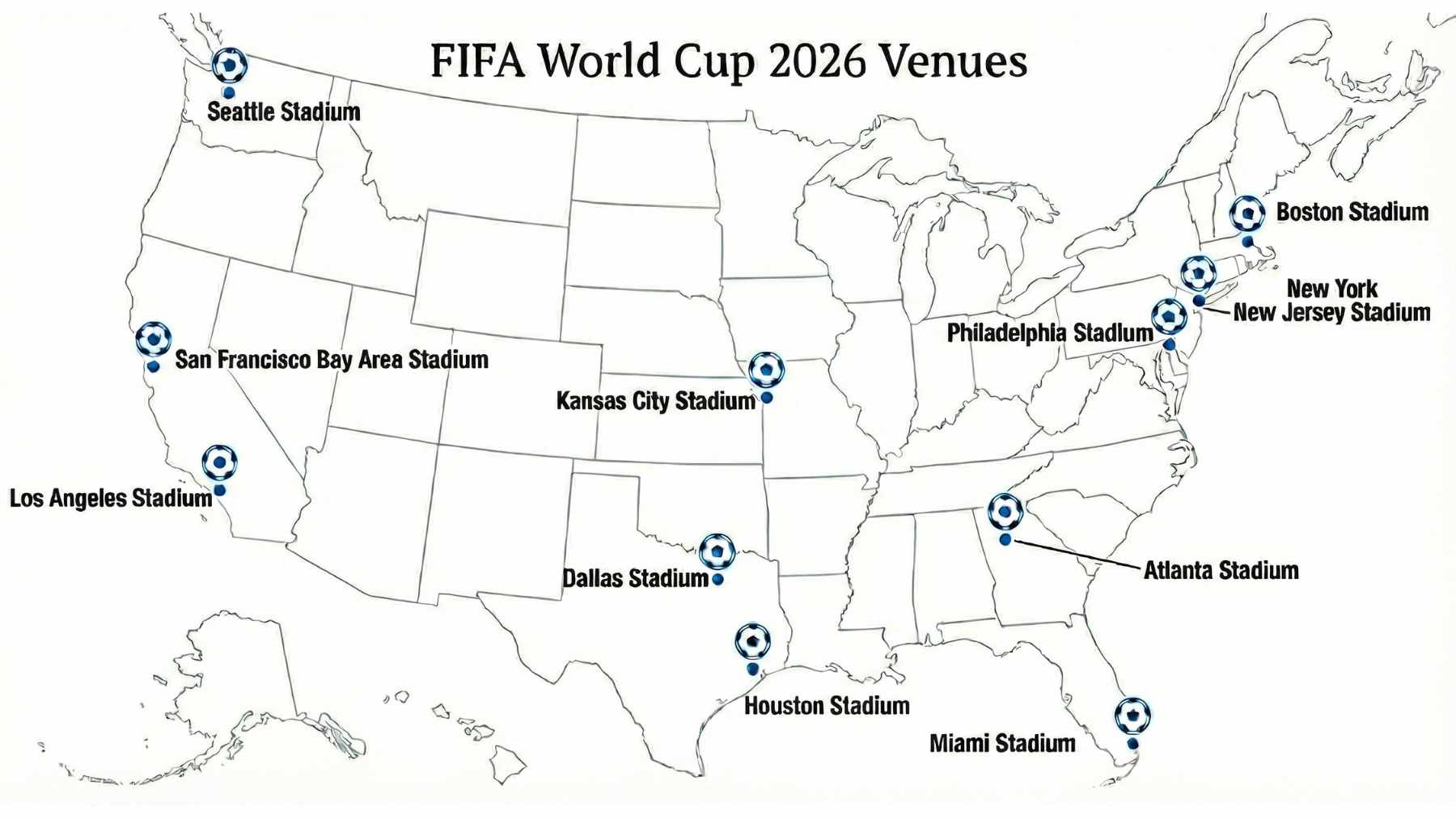
That matters in a place like Miami, where apartment towers, parks, stadium events, water views, and social media content all overlap. What feels like a harmless balcony shot may sit inside a federal security zone.
A warning beyond Miami
The Miami case shows how quickly consumer technology can collide with national security rules. A drone bought for casual footage can be treated very differently when it appears near a World Cup crowd.
Carlisle said the agents’ tone changed after the creators explained what they were doing. That may be reassuring, but it does not erase the warning. At the end of the day, intent helps explain a mistake, but it does not reopen restricted airspace.
For drone owners, creators, and tourists, the message is plain: during the World Cup, the best shot may be the one you decide not to take.
The official safety plan was published on Federal Aviation Administration.