Chile is moving a new piece into its naval industry puzzle, and it is not a ship. It is a manufacturing ecosystem built around WAAM, a form of large-scale metal 3D printing that could help the country repair and produce strategic naval components at home instead of waiting for foreign suppliers.
The project, led by AddiTech-USM at Universidad Técnica Federico Santa María, was awarded through CORFO’s Technology Absorption Program for Innovation.
On paper, it sounds highly technical, but it is about something very simple. A ship that needs a hard-to-find metal part may spend less time tied up at port, while the supply chain around that repair could become shorter, cheaper, and potentially cleaner.
A naval repair shortcut
The initiative is called “Strengthening advanced manufacturing capabilities for shipbuilding” and is being developed by the Department of Mining, Metallurgical and Materials Engineering at USM. Its central idea is to create a national ecosystem around Wire Arc Additive Manufacturing, better known as WAAM, for making and restoring large metal components.
The project will combine robotic programming and control, real-time monitoring, and advanced nondestructive testing protocols to verify quality and help certify parts for demanding naval standards. In defense and maritime work, a part does not just need to fit, it has to survive saltwater, vibration, heavy loads, and time.
“This is a concrete step toward greater technological autonomy in a sector as strategic as shipbuilding. WAAM opens the possibility of making faster and less expensive repairs, shortening downtime and locally manufacturing components that previously could only be obtained abroad,” the project team said.
Partners include ASMAR Valparaíso as the anchor shipyard, South Robotics for automation, and Holtec, Innovación-Chile, and NDTesting for inspection, quality control, and nondestructive testing.
Why WAAM matters
So, what exactly is WAAM? Think of it as industrial 3D printing with welding wire instead of plastic filament. A robotic system feeds metal wire into an electric arc, melts it, and builds a part layer by layer.
The Welding Institute describes WAAM as a process aimed at more efficient engineering structures, with near-net-shape manufacturing that can reduce tooling needs, lead times, inventory, and logistics costs through local, on-demand production.
Its deposition rate is 2.2 to 22 lbs. of metal per hour or more, which is why it is especially interesting for large parts rather than tiny precision pieces.
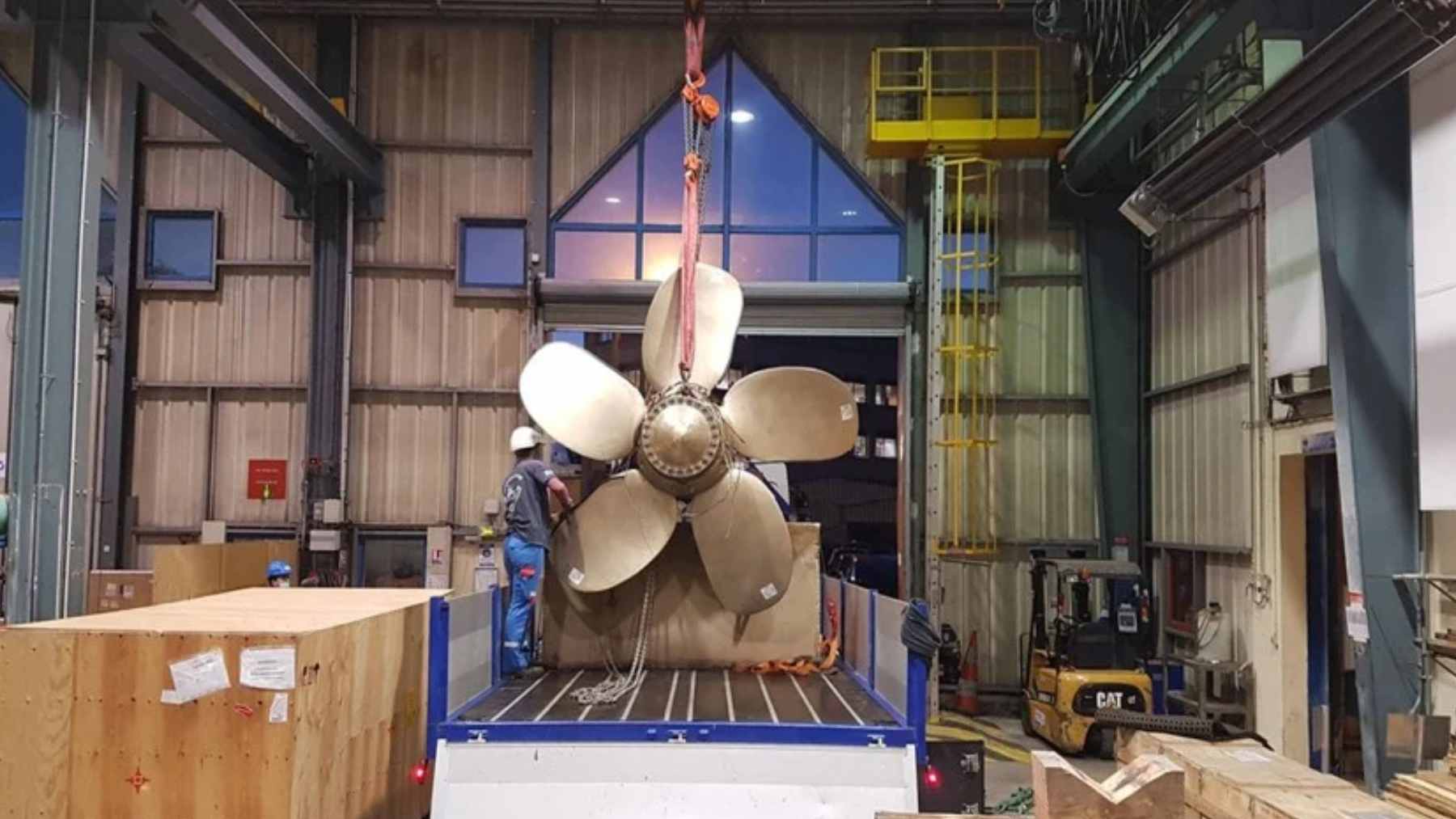
That does not make it magic. The rough part still often needs machining, inspection, and documentation before anyone would trust it on a vessel. But compared with carving a complex component out of a large block of metal, the appeal is obvious: use less raw material, move fewer things around, and keep more knowledge close to home.
The green side of metal
This is where the environmental story begins. Shipbuilding is heavy industry, and heavy industry is never impact-free. Still, the way a part is made can change how much metal is wasted, how much energy is used, and how far materials must travel.
Recent life-cycle research on a steel spare part found that a hybrid route using WAAM and machining reduced total environmental burden by about 58% compared with traditional machining. The same study reported about 70% material savings and an 80% reduction in steel waste for that case, although it also warned that costs and energy sources still matter.
For the most part, the promise is practical rather than glamorous. If a Chilean shipyard can repair a worn component instead of replacing it, that can extend the life of the part. If it can make a certified replacement locally, that can reduce emergency imports, long shipping routes, and the piles of scrap that come with old-school subtractive manufacturing.
Chile’s strategic bet
The project fits into a larger national plan. Chile’s National Shipbuilding Policy for 2025 to 2040 aims to strengthen the naval industry as a strategic, modern, efficient, and sustainable sector, while the country’s Continuous National Shipbuilding Plan is expected to drive investment and industrial development.
This is not starting from zero. In July 2025, ASMAR inaugurated a new Advanced Manufacturing Center in Valparaíso, backed by an investment of around $3 million and designed to fabricate and repair complex parts for Chilean Navy ships. The Navy said the center would reduce dependence on foreign suppliers, improve response times, and optimize costs.
Then came another important step. In October 2025, USM and ASMAR Valparaíso signed a collaboration agreement tied to the Navy’s Advanced Manufacturing Center.
The agreement covers applied research, technology transfer, specialized training, and projects in areas such as advanced materials, automation, energy efficiency, and digital technologies for the maritime sector.
Quality is the hard part
Could Chile print every naval part tomorrow? Not quite. In shipbuilding, especially military shipbuilding, speed is only useful if quality travels with it.
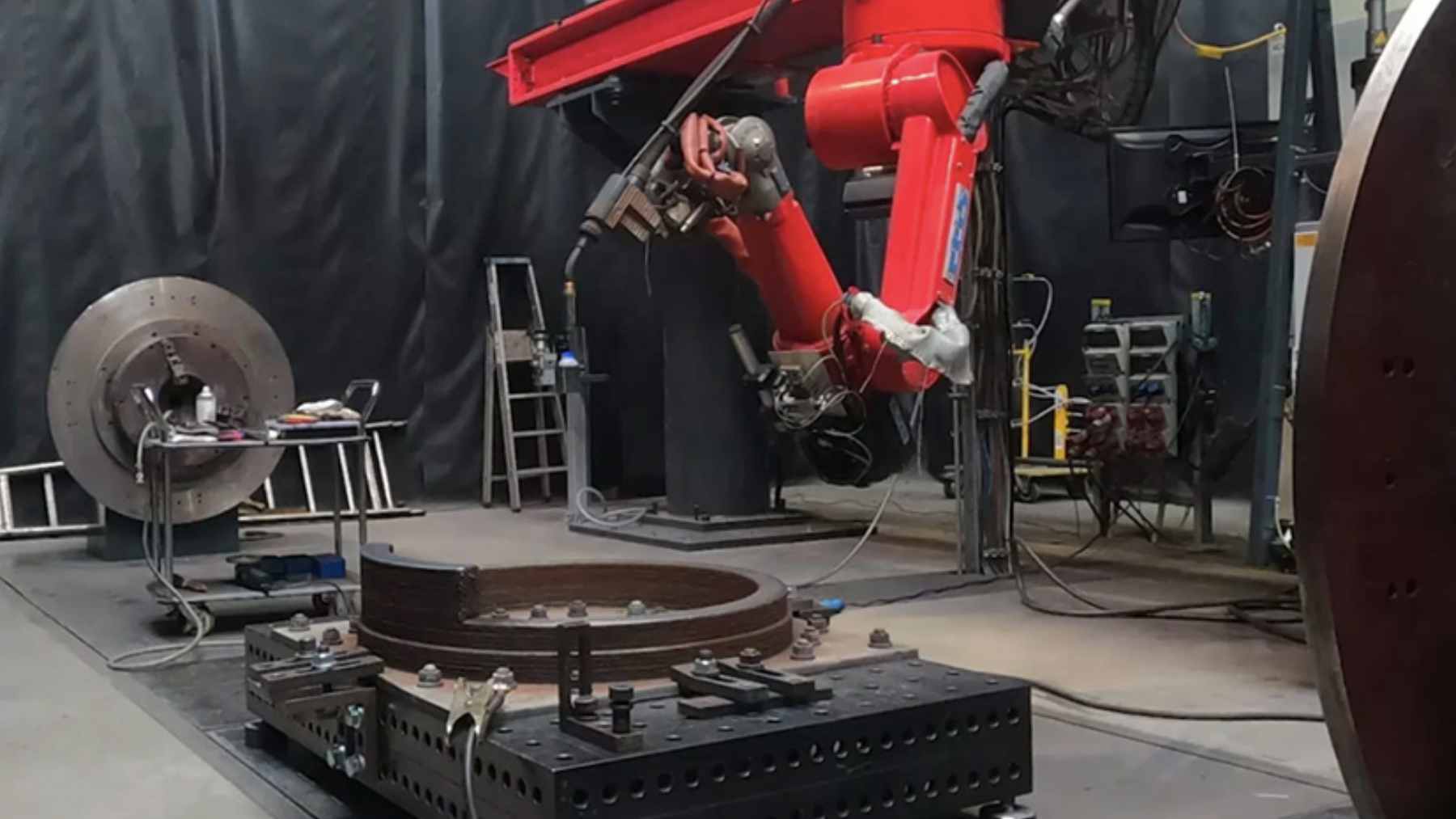
That is why the project gives so much attention to real-time monitoring and nondestructive testing. These checks can spot internal flaws, cracks, porosity, or other defects without destroying the part. It is a bit like a medical scan, but for metal that may one day sit inside a vessel at sea.
The presence of inspection and certification companies in the consortium is not a side detail, it is central to the whole bet. A locally made component only changes the game if commanders, engineers, insurers, and regulators can trust it.
What comes next
AddiTech-USM and its partners expect the first results to help shorten delivery times, improve the sustainability of naval operations, and position Chile as a regional reference in additive manufacturing for maritime uses. That is a big ambition, but not an empty one.
At the end of the day, the project is about more than a machine in a lab. It is about building a chain of suppliers, technicians, engineers, and inspectors who can keep naval capability inside the country. That can matter in ordinary maintenance and even more when global logistics get messy.
The quiet environmental lesson is also worth keeping. Cleaner industry is not always about replacing ships with something futuristic. Sometimes, it starts with repairing one metal component closer to home, wasting less material, and making sure the part is safe enough to go back to sea.
The official statement was published on LinkedIn.