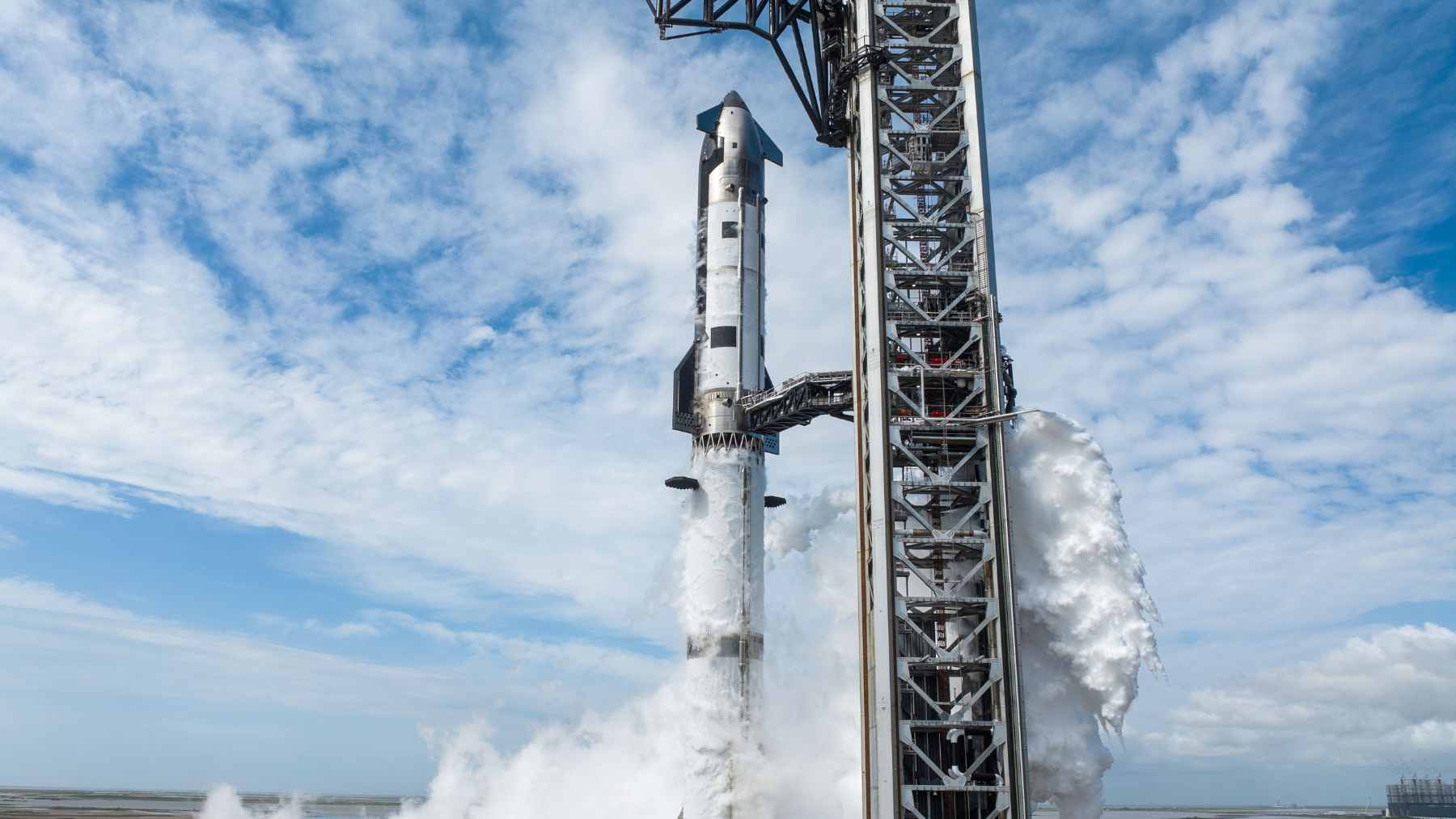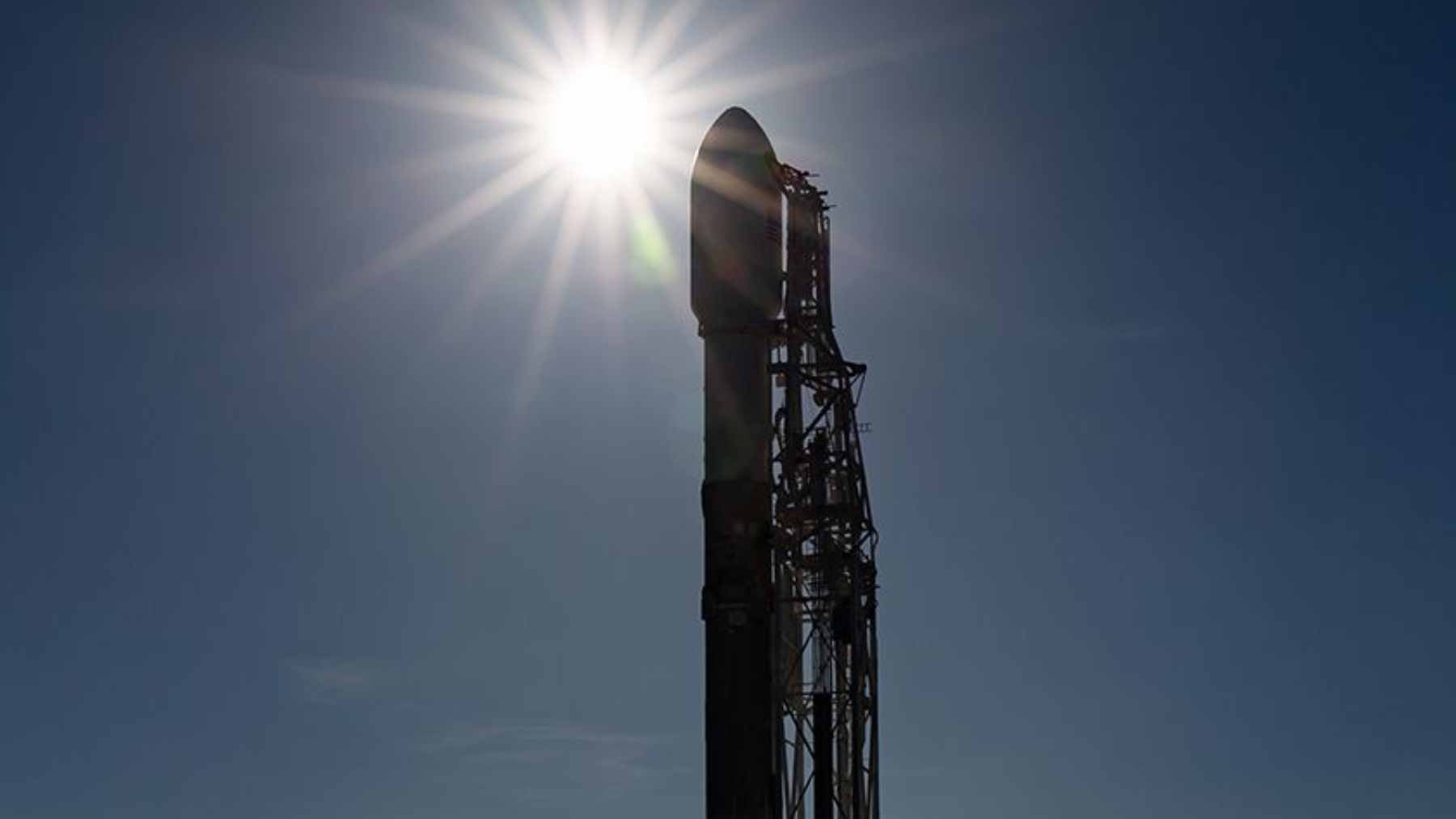
The next space race is no longer just about who can launch the biggest rocket. It is also about who controls internet access, AI computing power, defense communications, and the crowded orbital lanes above Earth.
SpaceX’s planned initial public offering sharpened that rivalry after Bloomberg reported that underwriters barred investors in China and Hong Kong from participating, while Reuters found that SpaceX’s website and IPO marketing materials were not accessible in those markets.
China’s response is not just political noise. Its own rocket and satellite companies are lining up for public listings, hoping to fund reusable launch vehicles and Starlink-style networks. In the briefing behind the report, space analyst Blaine Curcio summed up the mood by saying that “China follows very closely” what Elon Musk has done with SpaceX.
A benchmark China cannot ignore
SpaceX’s official prospectus says its Class A common stock would list on Nasdaq and Nasdaq Texas under the symbol “SPCX,” with an expected U.S. offering price of $135 per share. The document also said the offering period was expected to close on or about June 11, 2026.
For Chinese space startups, that filing is a flashing sign. Reuters reported that SpaceX’s record $75 billion IPO is expected to fuel China’s commercial space pipeline, with at least seven Chinese rocket and satellite companies advancing IPO or pre-IPO plans.
But there is a catch: analysts warn that many of those firms still trail SpaceX in reusable rockets, satellite production, and revenue scale.
LandSpace wants the reusable rocket lane
China has already changed the road for companies trying to catch up. Reuters reported that Chinese reusable commercial rocket firms can use a fast lane on Shanghai’s STAR Market, with some financial requirements eased if they meet key technology milestones.
In practical terms, a company does not have to look like a mature, profitable giant before investors can bet on it.
LandSpace sits at the center of that push. Its listing sponsor document says satellite frequencies and orbital resources are scarce strategic assets, and it directly points to SpaceX’s “first-mover advantage.” The same document also links satellite constellations to environmental monitoring, agriculture, disaster response, remote communications, and national security.
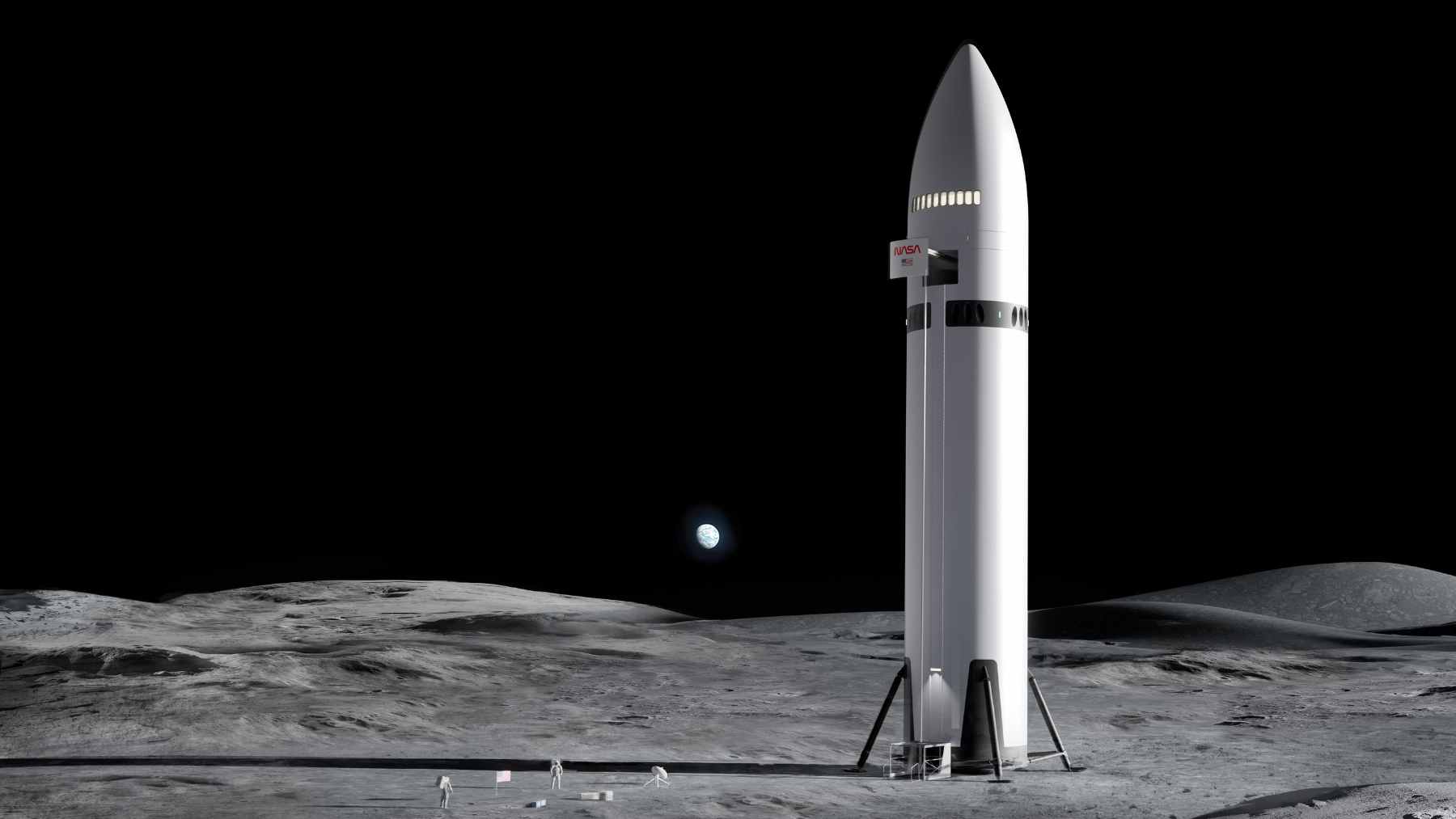
That sounds like a business pitch, but it is also a policy pitch. LandSpace’s Zhuque-3 test in December 2025 made it the first Chinese private firm to conduct a full reusable rocket test, although the booster recovery did not succeed. The company has said it wants another recovery attempt in mid-2026.
Satellites are the real prize
Reusable rockets matter because satellites are the real payload. China’s Qianfan, also known as Spacesail, was designed as a rival to Starlink, with an early plan for 648 satellites by the end of 2025 and a long-term vision of a much larger network. Government-linked information in 2024 described that first phase as the start of regional coverage, followed by wider global service.
ADA Space is taking a slightly different route. In its Hong Kong filing, the company says it launched what it calls the world’s first AI computing satellite constellation, made up of 12 AI computing satellites, on May 14, 2025.
The company also says it had independently developed 18 AI computing satellites and completed 14 space missions by the latest practicable date in the document.
So, why put AI in orbit? The basic idea is to process more data closer to where it is collected, instead of sending everything back through ground stations first.
That could be useful for mapping, city services, disaster response, and remote sensing. It also adds a new question that is easy to miss: how much infrastructure should humanity place above the planet before the sky itself becomes a bottleneck?
The environmental bill comes later
For most people, satellite internet feels clean–no smokestack, no noisy factory next door. But low Earth orbit, between 186 to 1,243 miles above Earth, is already crowded with spacecraft and debris.
The European Space Agency’s latest statistics show about 45,800 tracked space objects, about 17,600 satellites still in space, and about 15,800 still functioning. ESA also estimates 1.2 million debris objects from about 0.4 to 4 inches, plus 140 million smaller pieces from about 0.04 to 0.4 inches. Tiny things can still hit very hard when they are moving that fast.
There is also the atmosphere to consider. The National Oceanic and Atmospheric Administration (NOAA) researchers warned that satellite megaconstellations could exceed 60,000 low-Earth orbit satellites by 2040, and that little is known about the aerosols produced when satellites burn up during reentry.
That does not mean disaster is certain, but it does mean the science is still catching up with the business plan.
A crowded sky changes the rules
A Nature study on satellite megaconstellations found that lower orbits can reduce some astronomy interference because satellites spend more time in Earth’s shadow. On the other hand, lower orbits can also increase drag and speed up reentries, which brings more attention to what those burnups leave behind.
The authors argued that safe and limited orbital layers are critical for sustainable space use.
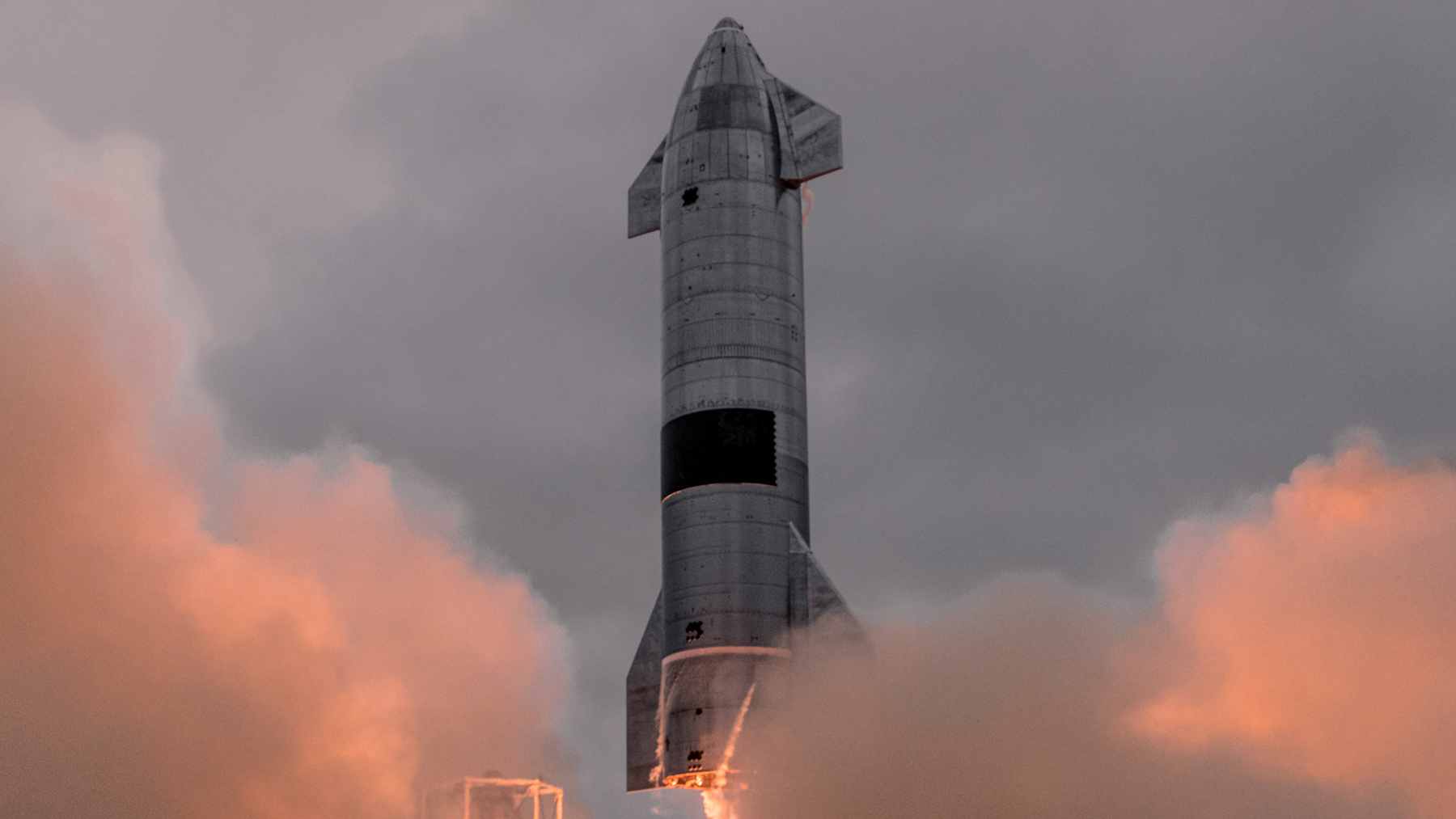
SpaceX’s own prospectus shows how big this conversation could become. The company says large orbital infrastructure, including AI computing systems, may require very large satellite constellations, “potentially numbering up to one million satellites,” depending on approvals that include orbital debris mitigation and space situational awareness.
China, meanwhile, is opening more state resources to commercial space. The China National Space Administration’s 2025 to 2027 action plan calls for civil space research projects and basic research topics to be opened to commercial space companies.
In April 2026, the agency also released a first batch of shared facilities for commercial space firms, covering rocket and spacecraft testing.
What to watch next
The key question is not whether China can copy SpaceX overnight. It cannot, at least not entirely. The better question is whether public markets and state support can help Chinese firms close enough of the gap to make low Earth orbit a true multipolar arena.
That brings the environmental issue right back to Earth. More reusable rockets can lower launch costs, which can mean more satellites. More AI satellites can move computing into orbit, which can mean more replacements, more reentries, and more pressure on shared skies.
At the end of the day, the race is not just about who reaches orbit first. It is about who keeps orbit usable.
The official prospectus was published on SpaceX.