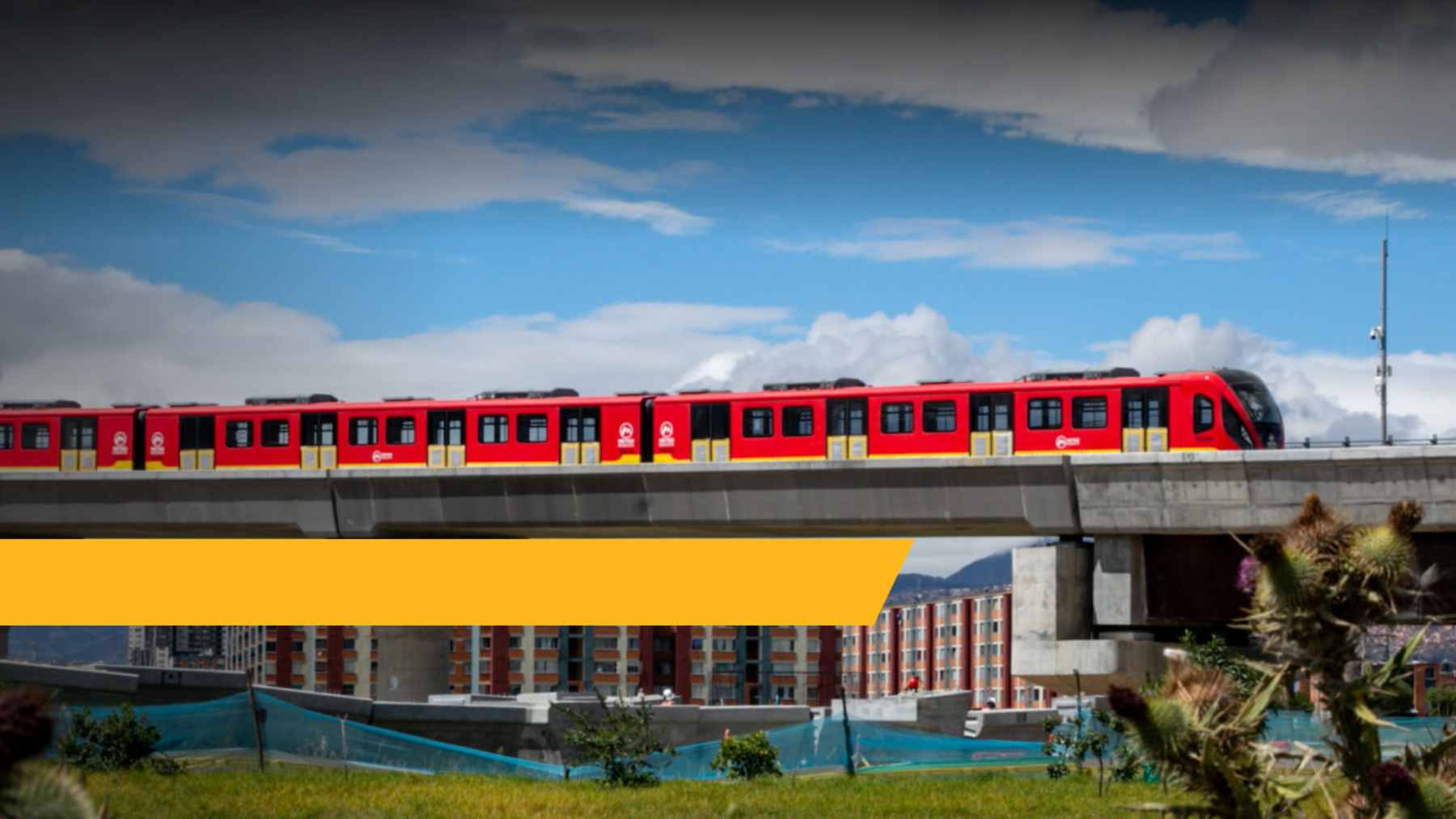
Bogotá has waited decades for a metro, and now the city is finally watching electric trains move on its elevated tracks. The first autonomous and energized tests began on the viaduct in late May, marking one of the biggest steps yet for Colombia’s most important mobility project.
Mayor Carlos Fernando Galán said the city kept its promise to get trains rolling in test mode, adding, “We committed to make the trains roll in tests on the viaduct, and we delivered.”
The project is not just about faster commutes. It is also a test of how Latin America’s big cities can use clean transport, automation, and foreign-built rail technology to fight congestion and air pollution at the same time. In a city where traffic can turn a simple trip across town into a daily headache, that matters.
A train finally moves
The latest official update says tests will continue in June toward Station 4, near Compensar Kennedy. Bogotá already has 11 of the 30 trains planned for Line 1, and the remaining 19 are expected to arrive this year. The city also expects to finish the full viaduct in 2026, with about 9 miles already built out of the planned 14.9-mile elevated route.
Those numbers matter because the metro is no longer just a drawing on a government slide. It is a machine moving on real rails, above real neighborhoods, in front of people who have heard promises about a metro for most of their lives. Small detail? Not in Bogotá.
The Chinese-built fleet
The trains were manufactured by CRRC Corporation Limited in Changchun, China, and shipped from the port of Qingdao, according to the project background supplied for this story. The first train reached Bogotá in September 2025 after a long trip from the port of Cartagena, including an overland convoy of more than 746 miles.
That journey involved police and military escorts, including support from the Army, Navy, and Aerospace Force along parts of the route.
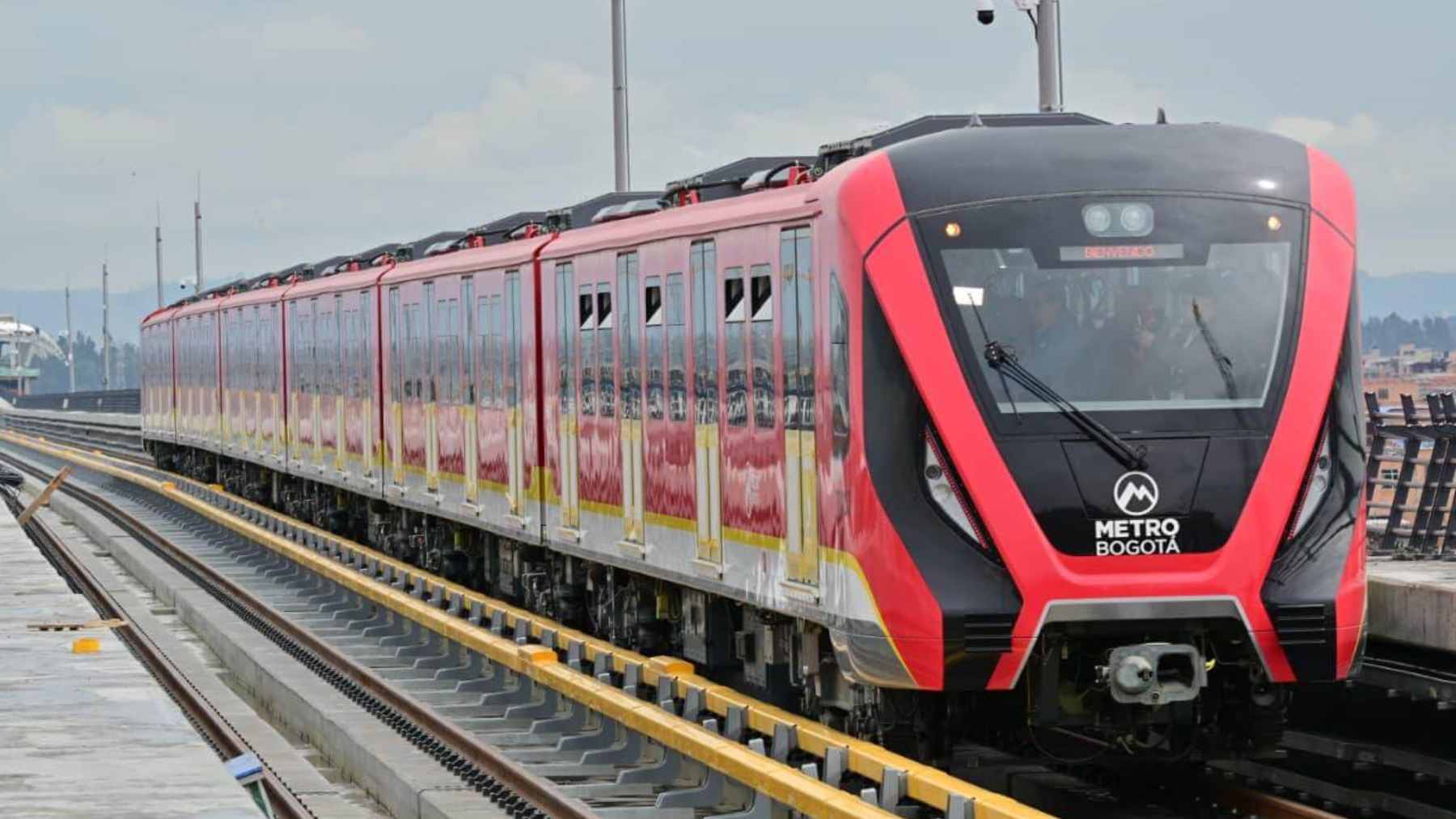
Each train has six cars and can carry up to 1,800 passengers, with 252 seated. Official city information puts each train at about 440 ft. long, 9.5 ft. wide, and fully automatic, with no driver required during normal service.
This means one train can move the equivalent of several crowded buses in a single trip. For riders, the promise is simple enough: less waiting, fewer transfers, and a ride that feels more like a modern metro system than another layer of bus traffic.
Cleaner rides, cleaner air
The environmental case is one of the most important parts of the story. Bogotá’s 2023 emissions inventory found that road mobile sources were the second-largest source of fine particulate pollution, accounting for 28% of PM2.5 emissions. Freight transport was the biggest contributor inside that category.
An electric metro will not solve all of that by itself. Experts and city officials have made clear that road dust, freight vehicles, construction machinery, and older engines remain major problems. But a high-capacity electric line can shift many daily trips away from road traffic, especially when it connects with TransMilenio and other public transport options.
There is also a technical detail that feels small until you see it at city scale. Galán said the metro’s braking system can recover up to 30% of the energy used and send it back into the system for another train to use. That is the kind of hidden efficiency passengers may never notice, but it is exactly what modern transit systems are built around.
Why China matters here
China’s role in Bogotá’s metro is part of a much larger business and technology story. The country has become one of the world’s most aggressive exporters of electric mobility equipment, from buses to rail systems. In Bogotá, that industrial muscle is now visible in the form of red, yellow, and white trains running above the city.
For Colombia, the partnership is more than a purchase order. It is a bet that imported technology can be matched with local construction, local labor, and long-term urban planning. City officials say more than 16,500 workers are currently involved in building the project, a reminder that this is also a major employment engine.
There is a practical risk, too. Big infrastructure projects live or die by timelines, integration, testing, and public trust. A driverless train is impressive, but it still has to pass safety checks, signal tests, power tests, platform tests, and months of operations without passengers before anyone taps a fare card.
What riders can expect
Line 1 is designed to connect the southwest of Bogotá with the city’s center and north, running through areas such as Bosa, Kennedy, Puente Aranda, Los Mártires, Santa Fe, Chapinero, Teusaquillo, and Barrios Unidos. The route will include 16 stations, with 10 linked directly to TransMilenio.
The promise is dramatic. Galán said a trip from Gibraltar Station to Calle 72, which can now take more than an hour-and-a-half, will take less than a half-hour once the system is in service. Trains are expected to reach more than 37 mph on some sections, with an average operating speed of about 27 mph, including stops.
For the most part, the timeline remains the big question. The district says Line 1 should be fully completed in September 2027, with commercial operations beginning in March 2028. That gives Bogotá less than two years to turn a historic test run into a daily service that millions of people can trust.
At the end of the day, the metro is a transport project, a climate project, and a technology project all at once. If it works as planned, it could change not only how Bogotá moves, but also how other cities in the region think about cleaner, high-capacity transit.
The official statement was published on Bogotá.gov.co.