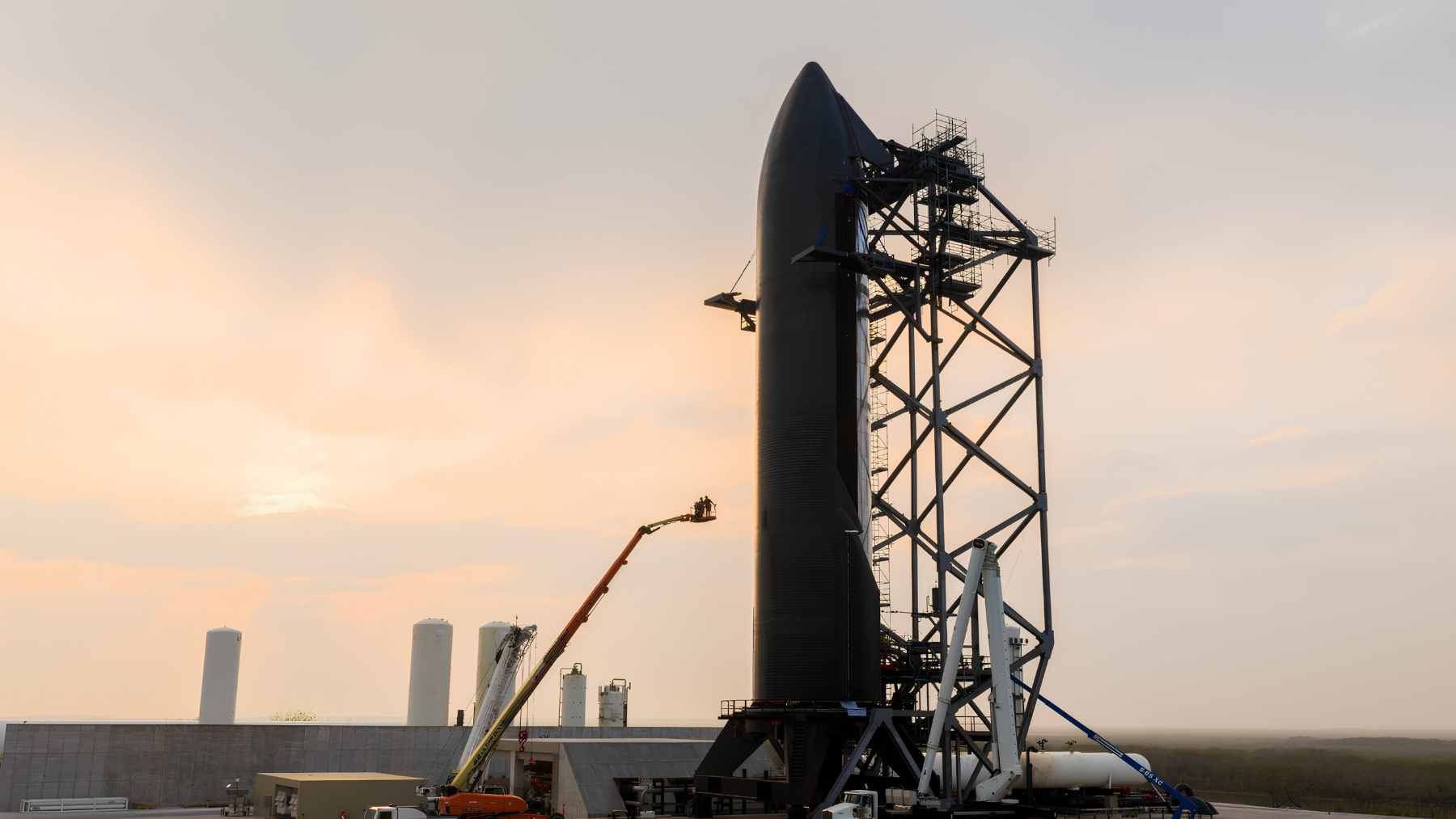
SpaceX’s newest Starship finally flew, and for a few minutes, it looked like the future Elon Musk has been promising for years had moved one step closer. The 408-ft. rocket lifted off from Starbase, Texas, on May 22, 2026, marking Flight 12 and the first test of the V3 design.
During ascent, SpaceX said Starship lost one Raptor 3 vacuum engine but still demonstrated “engine-out capability” and reached key flight goals.
The bigger story is not just that it flew. It is that Starship V3 now sits at the crossroads of NASA’s Moon plans, SpaceX’s business model, and environmental oversight over bigger, more frequent launches from coastal launch sites. What happens next will decide whether this giant rocket becomes routine hardware or remains a spectacular test machine.
A debut with a catch
For SpaceX, Flight 12 was still valuable. Test flights are how the company finds weaknesses, rewrites hardware, and pushes the next vehicle out faster than a traditional aerospace program would dare.
But regulators saw something that could not be waved away. The Federal Aviation Administration determined that the May 22 launch resulted in a “mishap” after the Super Heavy booster ran into trouble on its way back over the Gulf.
The FAA said there were no reports of public injury or damage to public property, but SpaceX must complete a mishap investigation before Starship can return to flight.
That is the tension at the heart of Starship. SpaceX wants speed, repetition, and data. The FAA wants proof that any system tied to the mishap does not affect public safety before the next launch. Simple enough on paper, but not so simple when the rocket is this big.
Why V3 matters
Starship V3 is not just another test article. It is the version expected to carry much of the heavy lifting for SpaceX’s next phase, including larger payloads, orbital refueling tests, and eventually NASA’s Artemis lunar architecture.
NASA has reshaped Artemis III into a 2027 low-Earth orbit demonstration that may test rendezvous and docking between Orion and one or both private lander test articles from SpaceX and Blue Origin. Artemis IV, planned for early 2028, is now the mission meant to return astronauts to the lunar surface near the Moon’s south pole.
That means Starship does not have years to drift through slow development. It has to prove it can fly, loiter, dock, transfer propellant, support astronauts, and eventually land on the Moon without a crew before NASA signs off on putting people inside.
Refueling is the hard part
The Moon version of Starship depends on a chain of launches. NASA’s Office of Inspector General described an architecture in which a Starship storage depot would go to low-Earth orbit, followed by more than 10 tanker flights that would dock and transfer propellant before the lunar lander heads outward.
SpaceX has targeted one tanker flight every six days during that buildup, according to the watchdog report.
In other words, the rocket is only one piece of the puzzle. The real machine is a whole launch network, with tankers, depots, ground systems, pads, engines, schedules, and safety reviews all having to work together.
That is why the next milestones matter so much. A single Starship reaching space is impressive, but a Moon mission needs Starships to meet in orbit and move cryogenic propellant from one vehicle to another. That is the moment when the program stops looking like a rocket test and starts looking like transportation infrastructure.
The environmental side
There is also an Earth story here. The FAA’s Boca Chica review process says a launch license evaluation includes public safety, national security and foreign policy concerns, insurance requirements, and potential environmental impact.
The agency has also reviewed updated launch trajectories, return-to-launch-site profiles, temporary airspace closures, and vehicle upgrades at the Texas site.
For the most part, the public sees the bright part of this story, a silver rocket rising over the coast and a dramatic splashdown far away. Regulators have to look at the quieter parts, too, including how often launches happen, where debris might fall, how airspace is closed, and what happens when test programs move from occasional events to high-cadence operations.
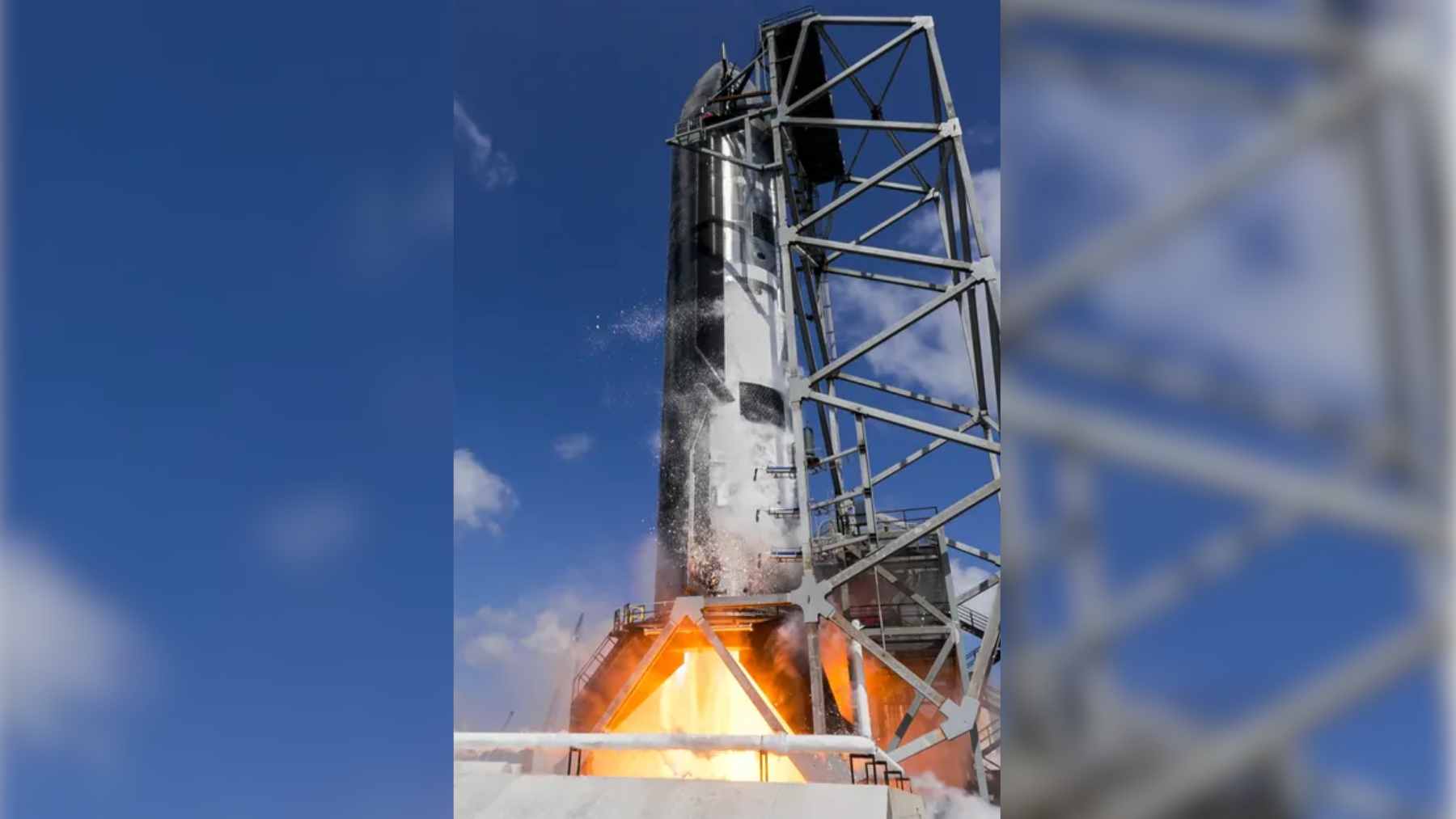
The same issue is visible in Florida. For Starship-Super Heavy operations at Kennedy Space Center’s Launch Complex 39A, the FAA and NASA determined that a full environmental impact statement was the right level of review after SpaceX’s plans evolved to include additional infrastructure, a higher launch tempo, and booster landings at the site.
A race against the clock
NASA wants Artemis to move faster, but rockets do not care about political calendars. Every engine issue, every hard splashdown, and every review adds a little friction to the timeline.
On the other hand, SpaceX has made a career out of turning failures into procedures. Falcon 9 became routine only after years of testing, landings, explosions, redesigns, and repetition. Starship is following the same playbook, just at a much larger scale and under far brighter scrutiny.
That scrutiny will only grow if Starship V3 moves toward orbital refueling and lunar demonstrations. A successful future flight would not erase the May 22 booster problem, but it would show that SpaceX can absorb the lesson and keep moving. That is what NASA needs. That is also what the FAA must be convinced is safe.
What comes next
The next launch will likely reveal more than the first one did. Can Super Heavy complete its return profile cleanly? Can the V3 upper stage keep improving engine performance and heat-shield behavior? Can SpaceX move from one-off tests to the steady rhythm needed for tankers, depots, and lunar missions?
For now, Starship V3 is both a breakthrough and a question mark. It flew, which matters. It also triggered a formal investigation, which matters just as much.
The Moon may be the destination, but the next step is much closer to home. It sits with engineers, regulators, and the long checklist that comes after a rocket makes history but not quite cleanly.
The official statement was published on Federal Aviation Administration.