Canada has taken a major step toward buying Saab’s GlobalEye airborne early warning and control aircraft, a move that could reshape how the country watches its vast Arctic frontier and how it thinks about future fighter jets.
The government says it has entered discussions with Saab as the preferred supplier, but it also stresses that this is not yet a signed contract or final procurement commitment.
That detail matters. GlobalEye is not just another aircraft in the fleet. Built around the Canadian-made Bombardier Global 6500, it is designed to scan land, sea, and air at long range, giving commanders a clearer picture of threats in places where distance, weather, and melting ice make surveillance difficult.
Canada’s Arctic bet
Prime Minister Mark Carney announced the GlobalEye negotiations at CANSEC, Canada’s biggest defense and security trade show. His government described the aircraft as a way to strengthen North American security by detecting and deterring threats across the Arctic and beyond.
In practical terms, this is a radar aircraft that can track objects and signals up to about 400 miles away. For a country with huge northern approaches and long stretches of remote coastline, that kind of reach is not a small upgrade, it is a flying watchtower.
Why GlobalEye matters
GlobalEye combines Saab’s Erieye Extended Range radar with a multi-domain command and control system. Saab says the platform can monitor large areas of land, sea, and sky, including low-signature targets, drones, ballistic missiles, and threats operating in cluttered or jammed environments.
The aircraft also gives Canada something politically useful at home. Saab has offered to build, maintain, and upgrade Canadian GlobalEyes with Canadian partners, and Ottawa says the project could support domestic production, skilled jobs, technology transfer, and industrial partnerships.
The F-35 question
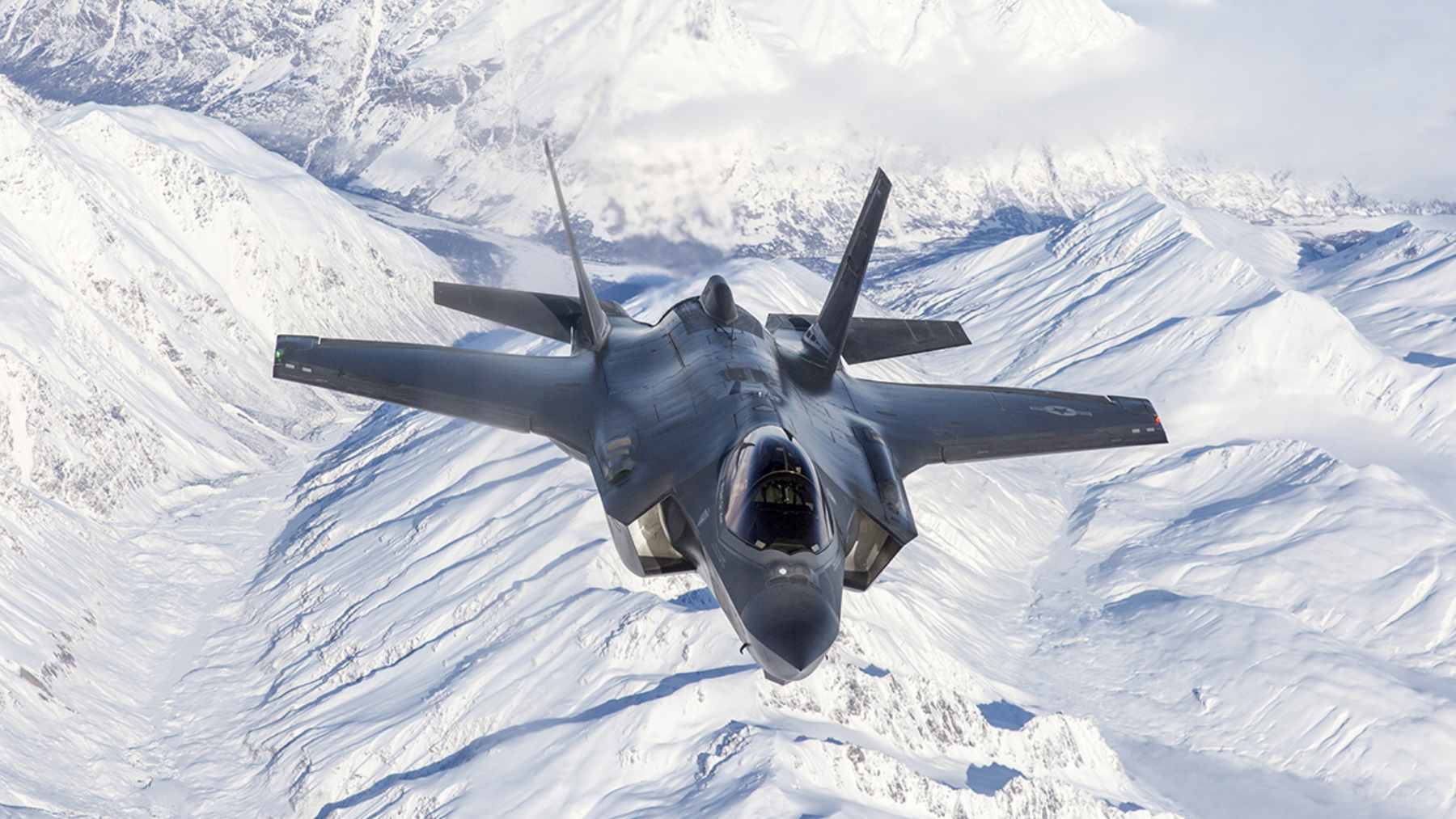
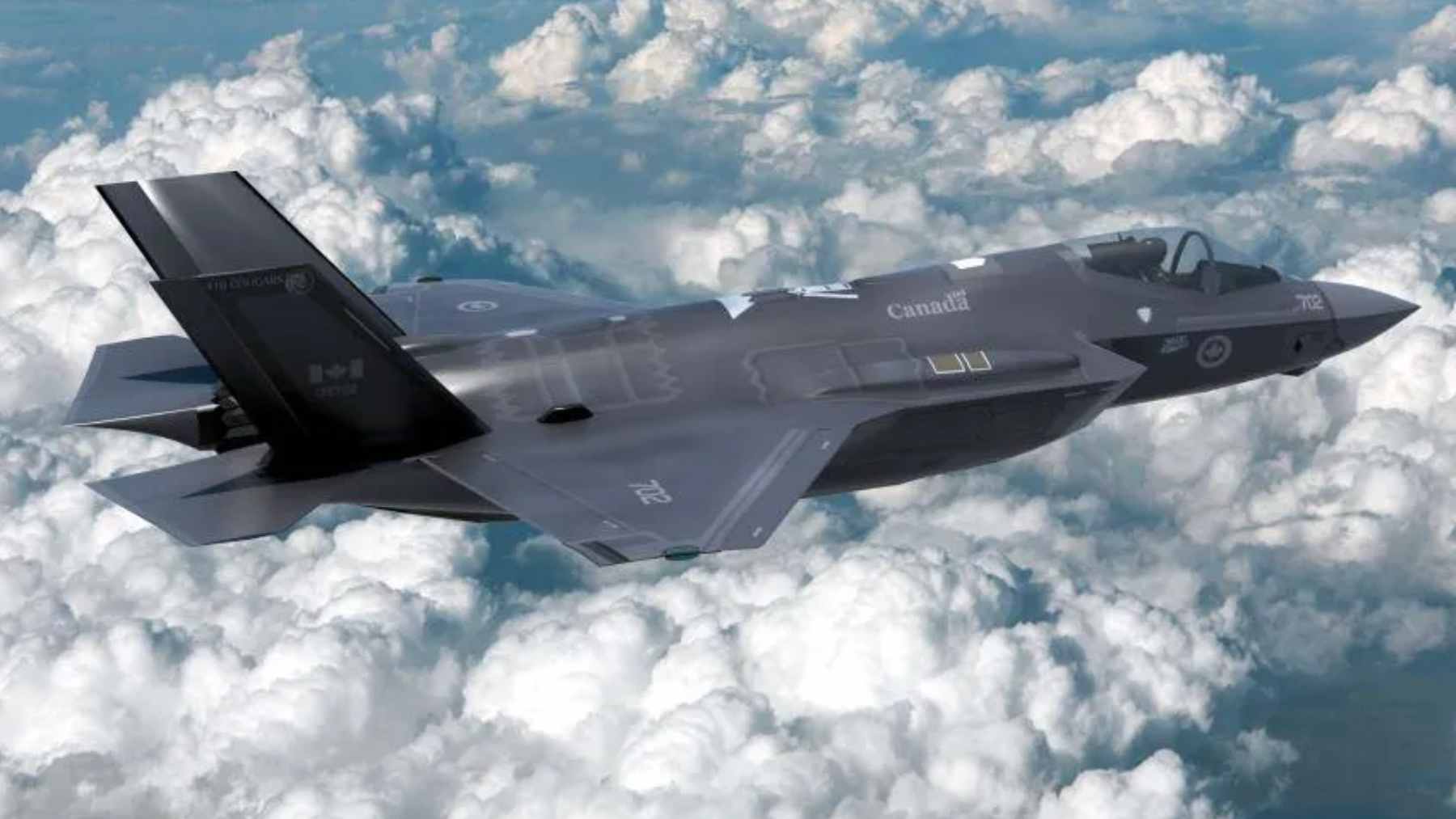
This is where the story gets bigger. Canada’s official fighter plan still calls for 88 F-35A aircraft, and the government confirmed that purchase in January 2023 as the Royal Canadian Air Force’s most significant investment in more than 30 years.
This investment decision is under review, however. Reuters reported in April 2026 that Canada was still studying the F-35 plan and that buying aircraft from other countries remained “on the table,” including the possibility of some Saab Gripen jets.
Some defense reporting has raised the possibility that Canada could eventually reduce the F-35 order and use Gripens to fill part of the gap. For now, that remains speculation, not an official decision from Ottawa.
Climate changes the map
Why does an environmental story belong inside a defense procurement decision? Because the Arctic is changing fast, and that changes what countries have to monitor.
The National Oceanic and Atmospheric Administration’s (NOAA) 2025 Arctic Report Card found that Arctic winter sea ice reached the lowest annual maximum in the 47-year satellite record in March 2025. It also found that the oldest, thickest Arctic sea ice has declined by more than 95% since the 1980s.
Less ice does not automatically mean easy sailing. It can mean more unpredictable routes, more environmental risk, more commercial interest, and more military attention. At the end of the day, Canada is buying more than a radar plane.
It is trying to see what is happening in a region that is no longer as frozen, quiet, or predictable as it once looked.
Jobs, tech, and sovereignty
The Canadian government says at least one-third of the projected GlobalEye fleet would be manufactured in Canada over the next 15 years. It also says the plan could support about 3,000 aerospace and defense jobs, from skilled trades to engineering and computing.
That local angle is one reason this deal stands out. A surveillance aircraft built on a Canadian business jet lets Ottawa talk about security, jobs, and sovereignty in the same breath. That is a powerful message, especially when defense supply chains are under political pressure.
What happens next?
Saab has welcomed Canada’s decision to enter talks, but the company also says it has not signed a contract or received an order. The next step is formal negotiation, where price, timing, industrial work, and technical details will matter.
The F-35 review will be watched just as closely. Canada may still decide that a full F-35 fleet is the simplest path for long-term operations, training, and interoperability. On the other hand, the GlobalEye decision shows that Ottawa is willing to look beyond U.S. suppliers when it sees industrial and strategic value.
For now, the clearest conclusion is this: Canada wants a sharper eye on the Arctic, and it wants more of that capability tied to Canadian industry. Whether that also opens the door to a smaller F-35 buy is the question everyone in the defense world will be watching.
The official statement was published on Saab.