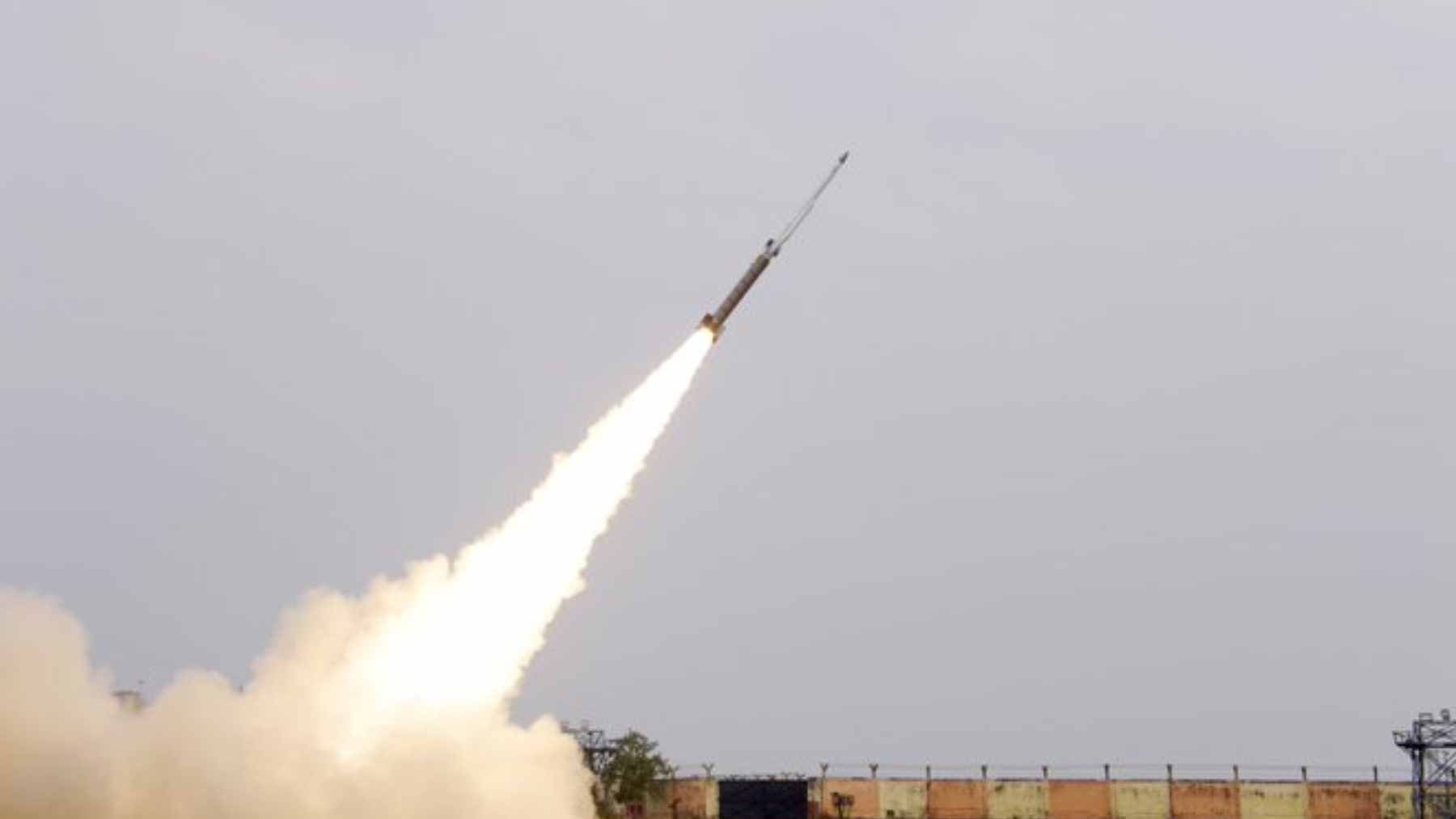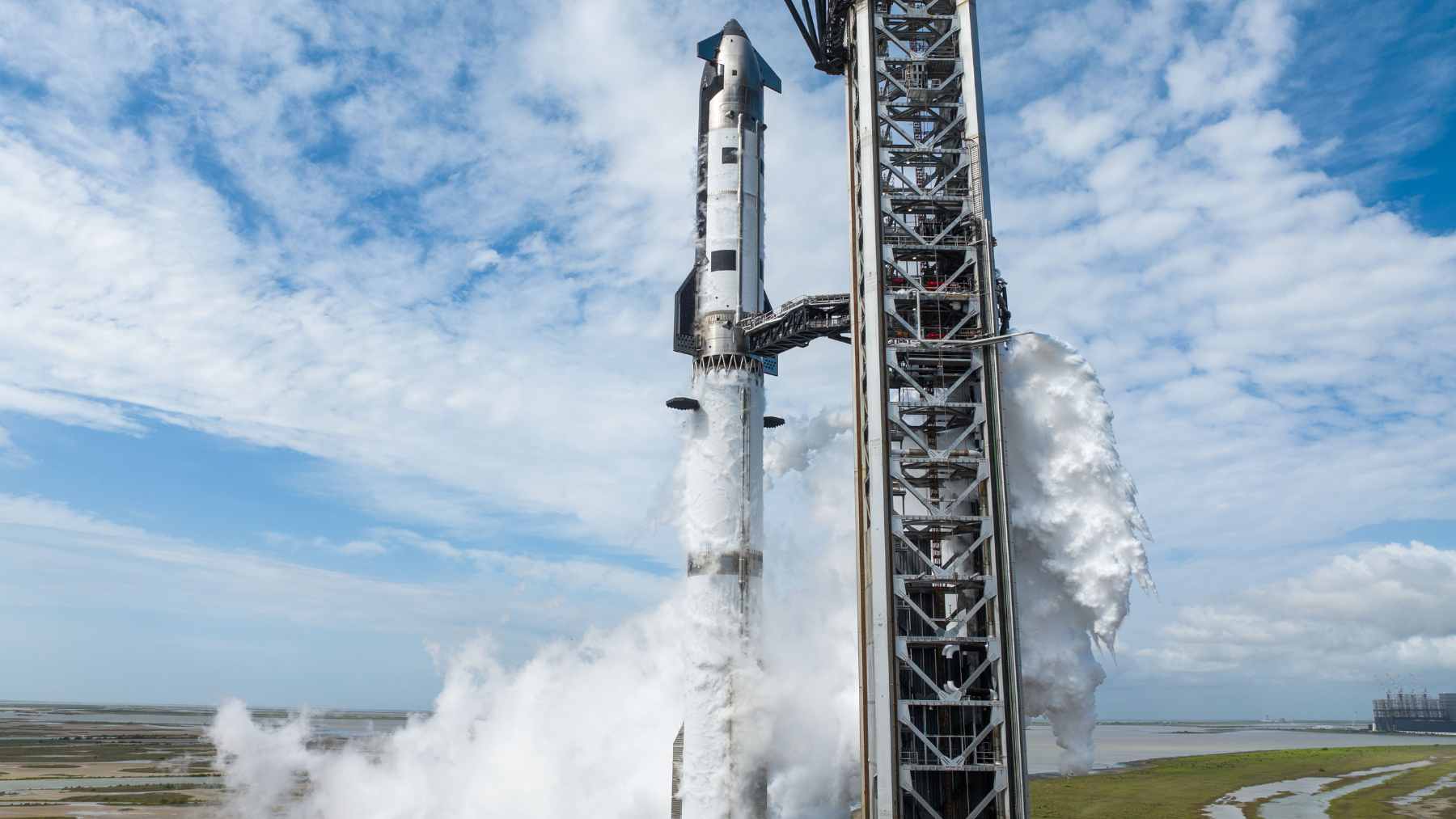
SpaceX finally sent its upgraded Starship V3 into the sky on May 22, and for a company that lives by testing hardware in public, this was a big step. The 408-ft. rocket launched from a new pad at Starbase in South Texas, bringing Starship back after more than seven months and debuting its most powerful version yet.
Still, the most important part of the flight may be what happened after liftoff. The Super Heavy booster did not complete its planned soft splashdown, and the Federal Aviation Administration later classified the event as a “mishap,” although it reported no public injuries or damage to public property.
For NASA, regulators, and coastal Texas communities, Starship’s future is not only about engines. It is about reliability, environmental oversight, and whether spaceflight can scale without outrunning safety.
Why V3 matters
Starship V3 is more than a fresh coat of stainless steel. SpaceX’s latest version brings Raptor 3 engines, an upgraded Super Heavy booster, larger propellant capacity, and systems meant to support docking and refueling in space, all of which matter if the vehicle is going to do more than fly dramatic test missions.
Those details may sound like engineering trivia. In practical terms, they are the pieces SpaceX needs for reuse, Moon missions, and eventually cargo runs much farther from Earth. A Moon rocket, in this case, is really a supply chain with engines.
A successful flight with a warning
From SpaceX’s point of view, the first V3 flight gave engineers the data they wanted. The upper stage reached space, performed key test objectives, and ended with a controlled ocean splashdown, even as the flight showed that the new design still has weak spots.
That is where the FAA comes in. On May 27, the agency said SpaceX must conduct a mishap investigation, with the FAA involved throughout the process and responsible for approving the final report and any corrective actions.
That does not mean Starship is doomed, it simply means the next launch has to earn its way back to the pad.
NASA’s lunar clock
NASA is counting on commercial landers to move Artemis forward, and Starship is one of the most important pieces in that plan. The agency says Artemis III is now designed as a 2027 low-Earth orbit mission to test Orion with one or both commercial landers from SpaceX and Blue Origin, while Artemis IV is meant to support the next lunar landing step in 2028.
That shift gives SpaceX some breathing room, but not much. Every booster problem, refueling delay, or regulatory pause now echoes into a program with scientific, business, and national security implications. The trouble is, the clock is moving faster than the hardware.
Refueling is the hard part
Getting Starship off the pad is dramatic, but refueling it in space may be the real test. SpaceX has said the next major Starship Human Landing System milestones include a long-duration flight test and an in-space propellant transfer test, both aimed at proving the vehicle can operate as more than a short-test article.
That means launching multiple Starships and showing that one can top off another with supercold fuel in orbit. NASA’s inspector general has warned that SpaceX’s lunar lander schedule faces risk from delays and the complexity of large-scale orbital refueling, which would require more than 11 Starship launches for a lunar mission profile.
The coast is watching
Starbase sits beside sensitive coastal land, and rocket tests there are watched by conservation groups as closely as by space fans.
The FAA says its Boca Chica review covers public safety, insurance, national security, and potential environmental impacts, and its completed environmental documents include authorization language for up to 25 annual Starship and Super Heavy orbital launches, along with up to 25 landings of each stage.
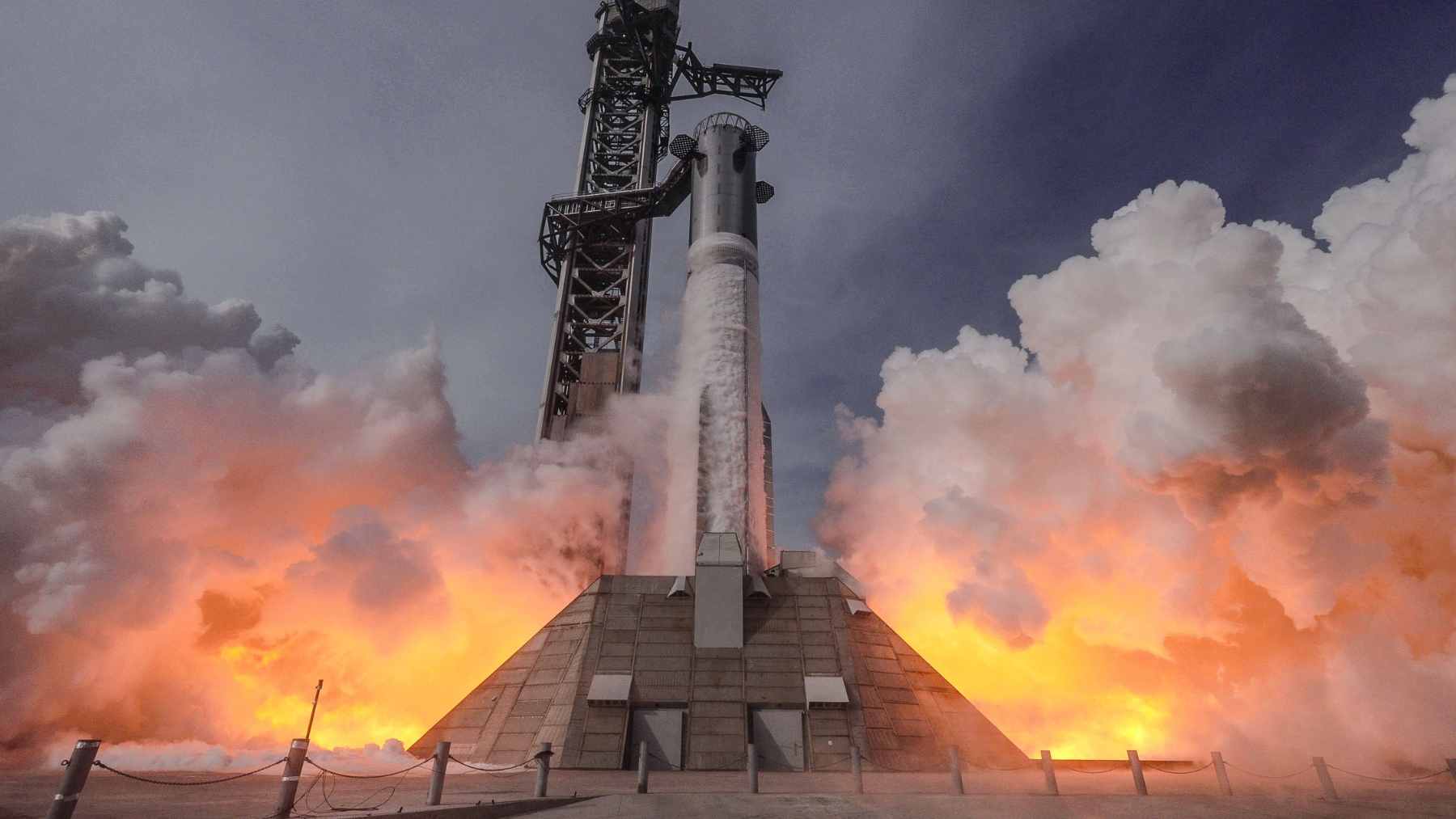
That does not end the argument. Wildlife and indigenous groups have argued that heat, noise, light, debris, and access closures can affect nearby habitats, while a 2025 federal court decision found the FAA had satisfied its National Environmental Policy Act obligations in the challenged approval.
The environmental stakes are not abstract. The U.S. Fish and Wildlife Service says land in the Lower Rio Grande Valley includes habitat tied to species such as the endangered ocelot, northern aplomado falcon, piping plover, and Kemp’s ridley sea turtle.
For families trying to reach the beach, and for biologists watching nesting areas, launch cadence is not just a number on a spreadsheet.
What happens next
SpaceX now has to turn a spectacular test into a repeatable transportation system. That means fixing the booster issue, getting clearance to fly again, proving orbital endurance, demonstrating ship-to-ship refueling, and finishing the human systems astronauts would need near the Moon.
The company’s long-term ambitions are huge. Reuters reported that SpaceX has discussed a five-year vision of 10,000 launches a year, a scale that would be unlike anything the space industry has seen. Big dreams are easy to say out loud, though. The harder part is making each launch boring enough for regulators, NASA, and nearby communities to trust it.
So, what comes after Starship V3’s historic debut? More tests, more scrutiny, and probably more delays than SpaceX would like. But if the company can solve the booster problem and then prove orbital refueling, Flight 12 may be remembered less as a pause and more as the first rough step toward the rocket NASA wants for the Moon.
The official update was published on SpaceX.