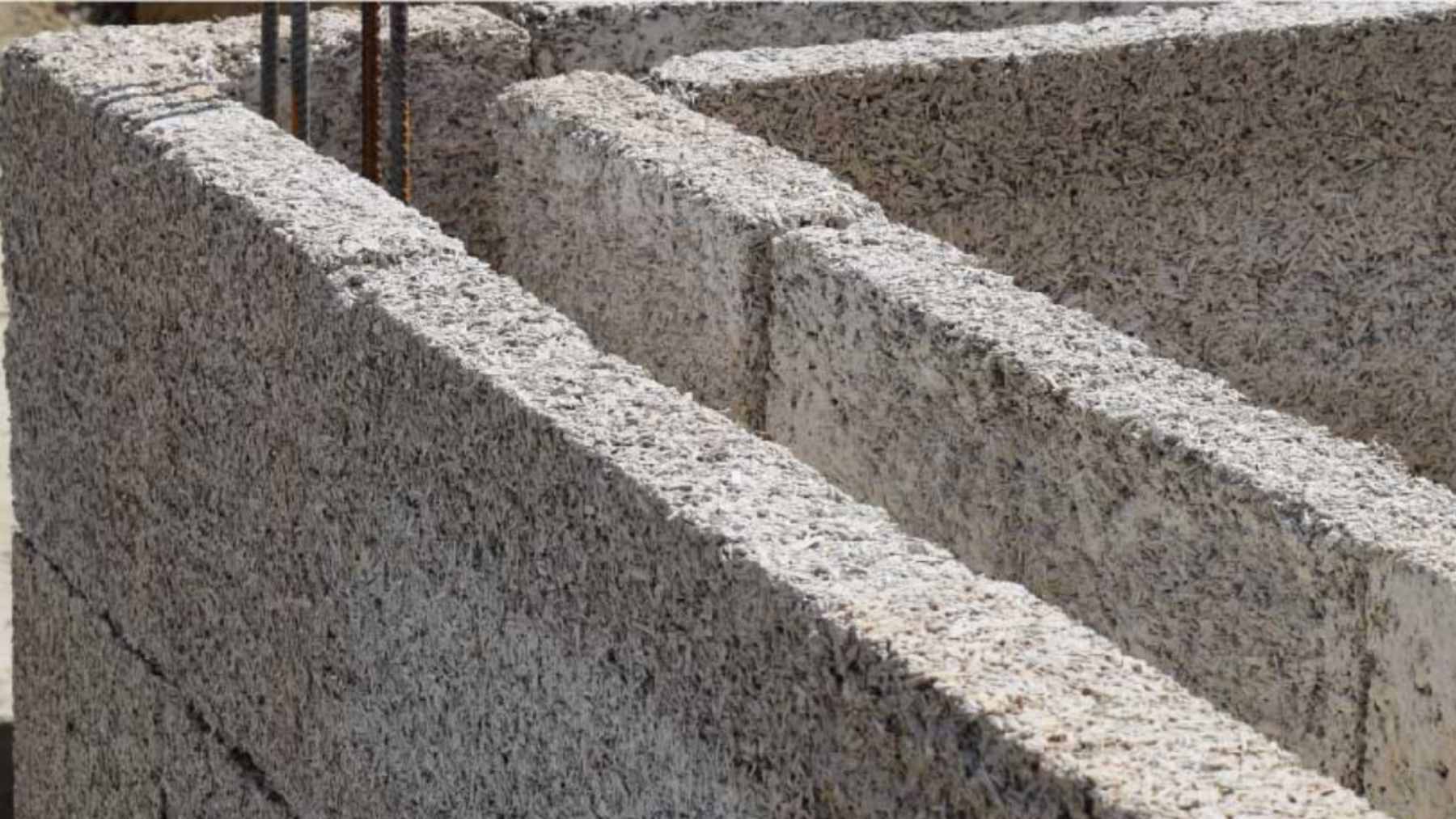
A plant that spent decades stuck in legal limbo is now moving into the walls of American homes. Hemp-lime, often called hempcrete, has been added to the 2024 International Residential Code through Appendix BL, giving builders a clearer path to use it as a nonstructural wall infill and insulation material.
That does not mean hempcrete is about to replace concrete foundations or steel beams–not quite. Its real promise is quieter but important: walls that can help manage heat, moisture, and stored carbon at a time when the building sector is under heavy pressure to cut emissions.
A building code breakthrough
For years, using hemp-lime in U.S. housing meant paperwork, uncertainty, and extra explanations at the permitting desk. Builders could still propose it as an alternative material, but many local officials had little code language to lean on.
Appendix BL changes that. According to the U.S. Hemp Building Association, the appendix allows hemp-lime in buildings up to two stories in low seismic risk regions without custom engineering, although local adoption still matters because IRC appendices are optional.
That last detail is important. A model code is a compass, not a magic wand. Cities and states still decide how much of it becomes enforceable, and that means homeowners may see very different rules depending on where they live.
Why hemp-lime insulates
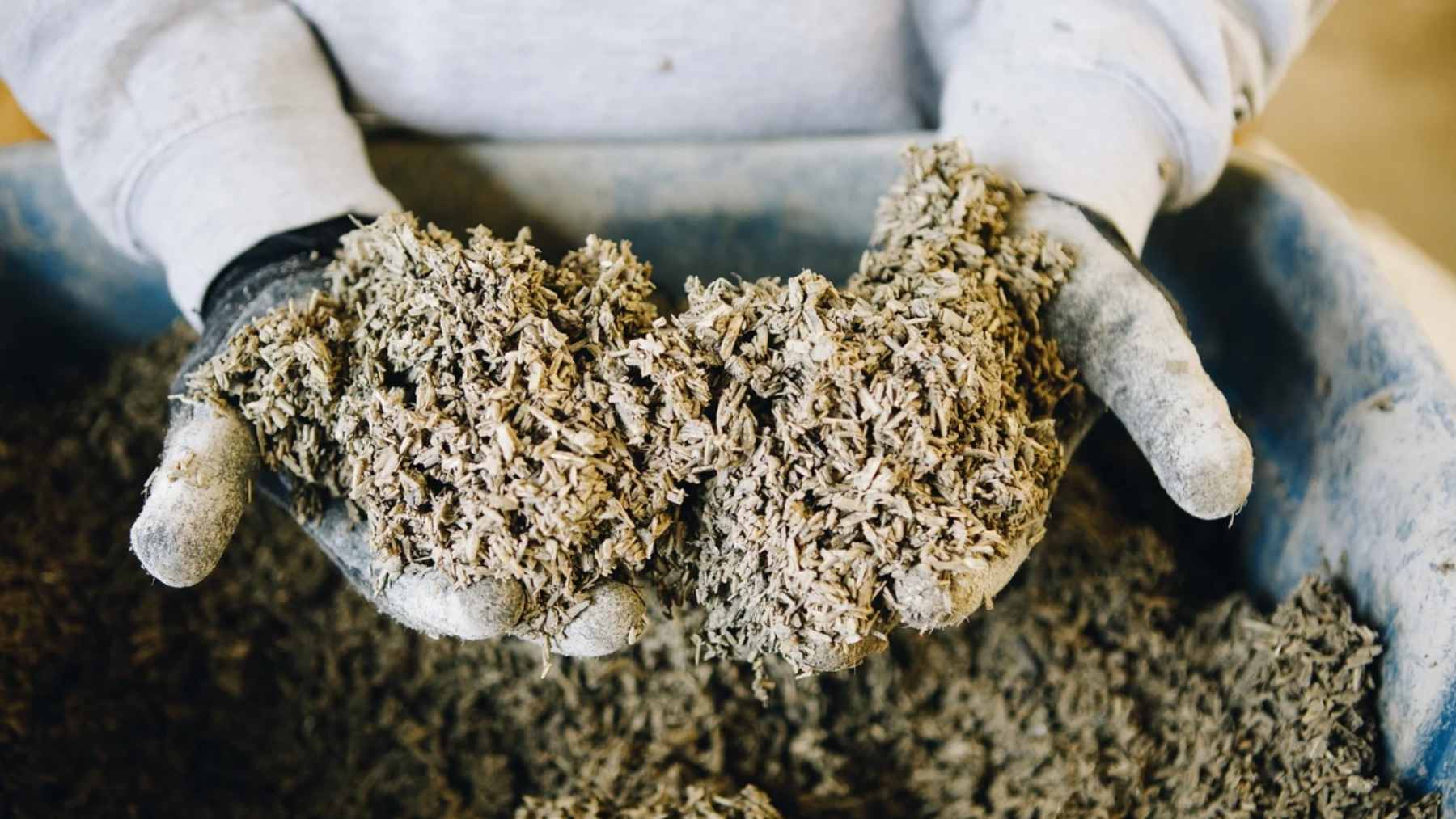
Hempcrete starts with hemp hurd, the woody inner core of the plant stalk. That material is mixed with a lime-based binder and water, forming a light, porous composite that wraps around a standard frame rather than carrying the weight of the house.
The insulation claim comes down to heat flow. Recent research reports dry hemp concrete thermal conductivity in ranges around 0.05 to 0.138 W/mK, while dense concrete is commonly listed around 1.4 W/mK, which helps explain why hemp-lime can be described as having roughly 15 times the insulating potential of conventional concrete in some comparisons.
In everyday terms, that means less heat escaping in winter and less hot air pushing through the walls in the summer. The electric bill is not the only issue here, but it is the part many families feel first.
The carbon question
The bigger environmental story is carbon. Buildings and construction account for a huge share of global emissions, and the United Nations Environment Programme says the sector is responsible for 37% of global emissions, with materials such as cement, steel, and aluminum carrying a significant footprint.
Hemp works differently because the plant absorbs carbon dioxide while growing. Then, when the hurd is locked inside a wall, some of that carbon stays stored for the life of the building.
Still, experts warn that the math is not automatic. A 2024 U.S. life-cycle assessment found that hempcrete reaches carbon negativity when the mix contains at least 20% hemp by weight, and that lime’s carbon absorption also has to be included in the calculation.
From banned crop to building material
Part of the surprise is legal history. The 2018 Farm Bill removed hemp, defined as cannabis with no more than 0.3% delta-9 THC by dry weight, from the definition of marijuana under the Controlled Substances Act, according to FDA testimony.
That opened the door for farmers, processors, architects, and code officials to treat industrial hemp as an agricultural and construction input rather than a controlled substance. In practical terms, it gave the building industry room to test, standardize, and finally write rules around the material.
There is a catch, however. Hempcrete is not for underground foundations, and it needs breathable wall assemblies because trapped moisture can undermine the organic material over time. Good design still matters.
The supply chain hurdle
The other bottleneck is not science, it is infrastructure. Hemp stalks need to be processed with decorticators, machines that separate the tough outer fiber from the inner hurd used in hemp-lime construction.
That processing network is still developing in much of North America. Without nearby facilities, transportation costs can rise fast, and a green material can become too expensive for regular builders to use.
That’s why prefabricated blocks, panels, and spray-applied systems are getting attention. They could cut labor time on job sites and make hemp-lime feel less like a boutique experiment and more like a normal building option.
What happens next
For now, hempcrete’s return is best understood as a careful step, not a construction revolution overnight. It offers strong insulation, moisture buffering, and credible carbon storage, but it still needs local code adoption, skilled installers, and reliable material supply.
Even so, the timing matters. As homeowners worry about heat waves, energy costs, and the climate impact of new construction, a plant-based wall material once pushed to the sidelines is getting a second look.
The official code update was published on International Code Council.