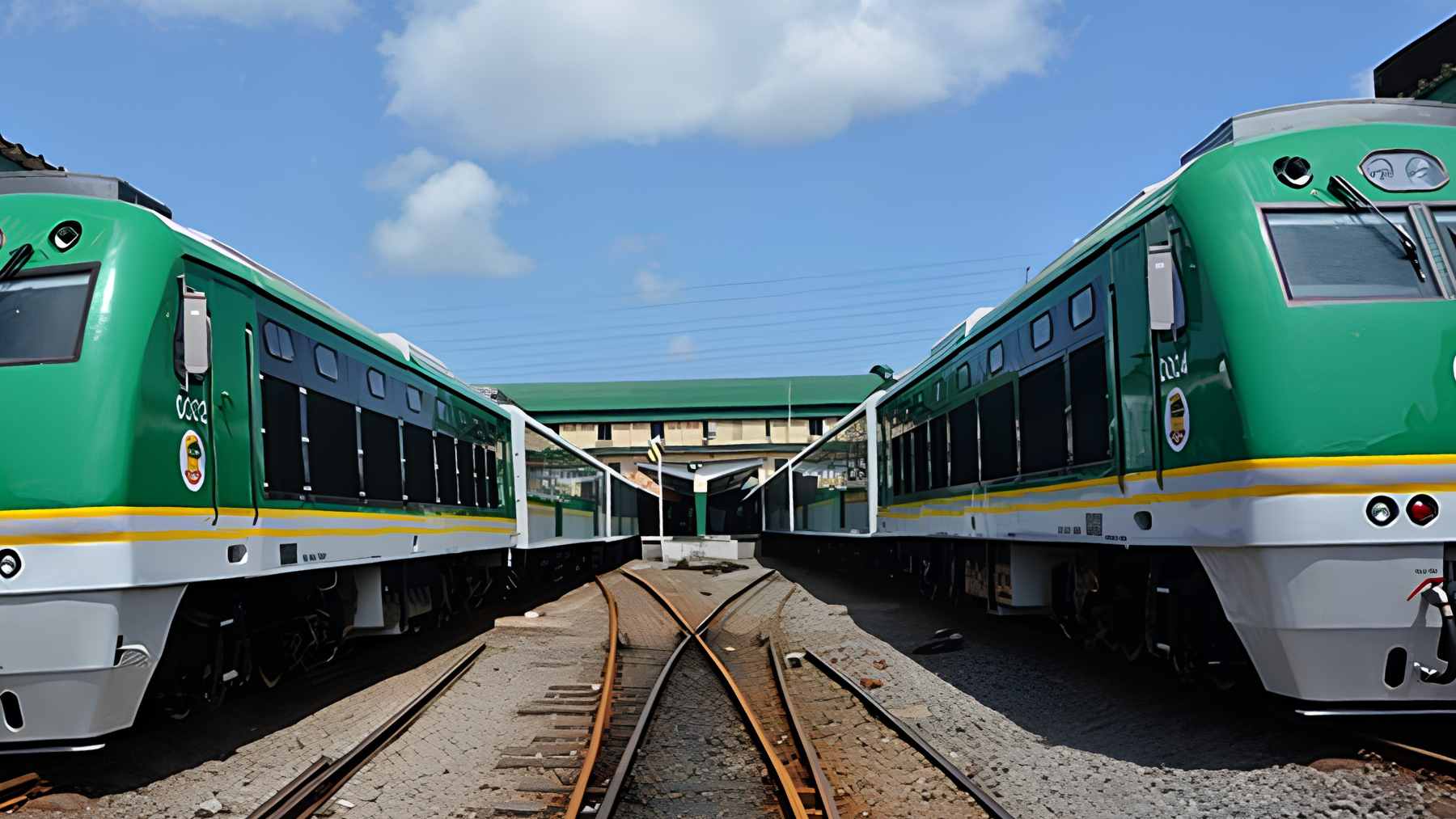
Nigeria’s old railway system was never really built for the country Nigeria has become. Much of it grew out of a British colonial network designed to move cocoa, peanuts, minerals, and other raw materials from the interior to coastal ports, not to connect a modern economy of more than 232 million people.
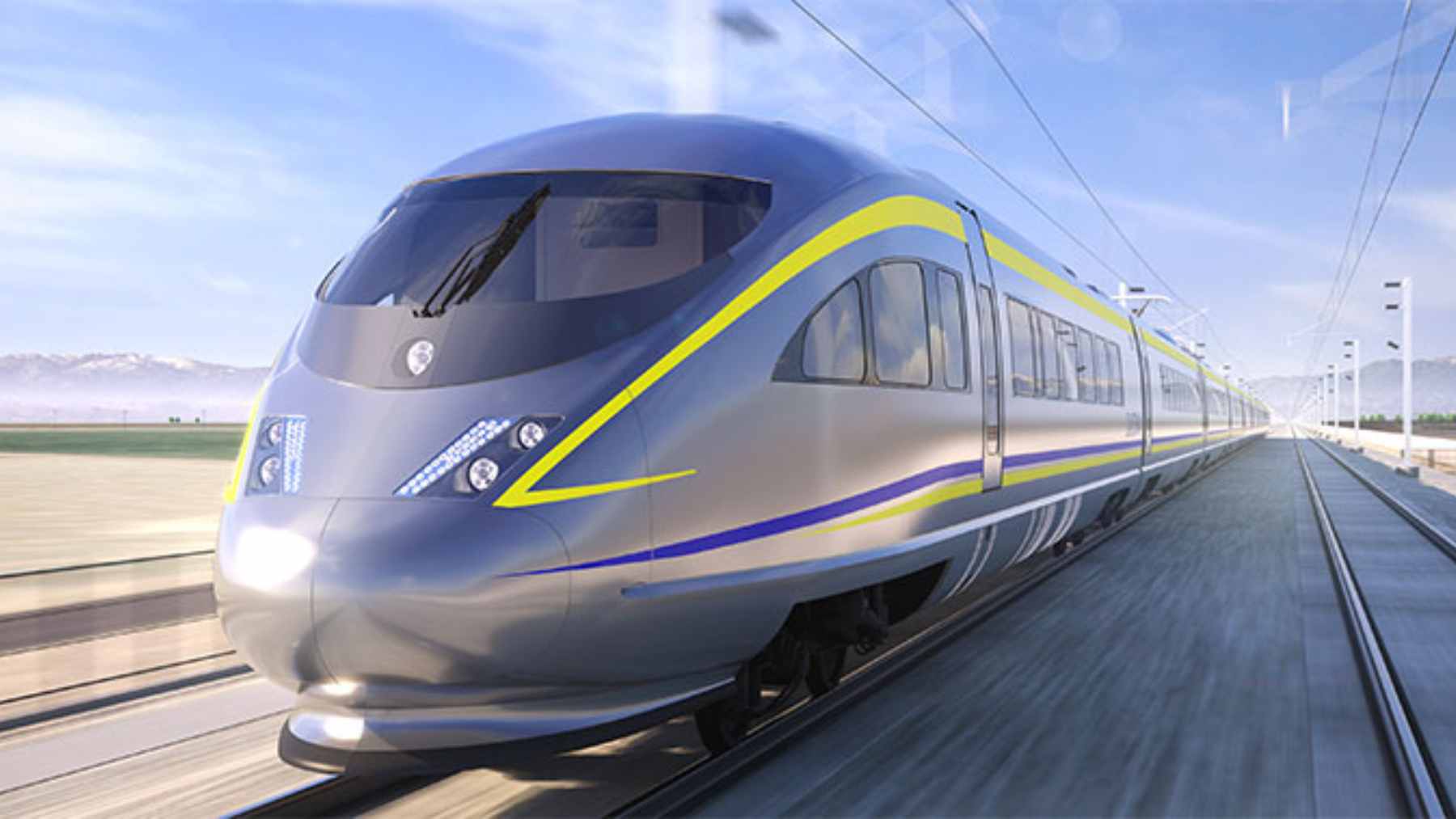
Now China is helping Nigeria do something much bigger than repair rusty tracks. Through Chinese lenders and state-linked builders, the country is replacing narrow colonial lines with standard-gauge corridors meant to pull cargo off clogged roads, reduce pressure around ports, and make long-distance freight cleaner and more reliable.
A rail reset for Nigeria
This is not just an infrastructure story. It is also an environmental one, because road transport still accounts for more than 90% of freight and passenger movement in Nigeria, putting enormous pressure on highways, city streets, and port access roads.
Anyone who has sat in traffic near a busy port knows what that means in real life. Trucks idle, exhaust fumes hang in the air, and goods move slowly even when businesses are desperate for speed.
Why the old tracks failed
The old colonial-era railways used Cape gauge tracks, which are narrower than the 1.435-meter standard gauge used in many modern rail systems. That technical detail matters more than it sounds.
Narrower tracks can limit speed, carrying capacity, and long-distance efficiency. In practical terms, Nigeria was left with a rail network that could not keep up with the scale of its economy, so freight shifted to roads and the highways took the hit.
China’s package deal
China entered the picture with a model that many African governments know well. Financing comes from Chinese banks, while construction is often handled by Chinese state-linked firms such as China Civil Engineering Construction Corporation, or CCECC.
For Nigeria, the appeal is obvious. Big rail projects are expensive, slow to organize, and hard to finance, but China can often offer a full package that moves from loan agreement to construction more quickly than traditional development channels.
Lagos to Ibadan changed the map
The clearest example is the Lagos-Ibadan standard-gauge railway. President Muhammadu Buhari inaugurated commercial operations on June 10, 2021, calling the project another milestone in making rail a “choice mode of transportation” for passengers and freight.
That line is crucial because Lagos is Nigeria’s main commercial hub and one of the country’s most important port gateways. The State House said the corridor would allow goods to move from Apapa port by rail toward an inland container depot in Ibadan, instead of relying only on trucks.
The Lagos to Kano spine
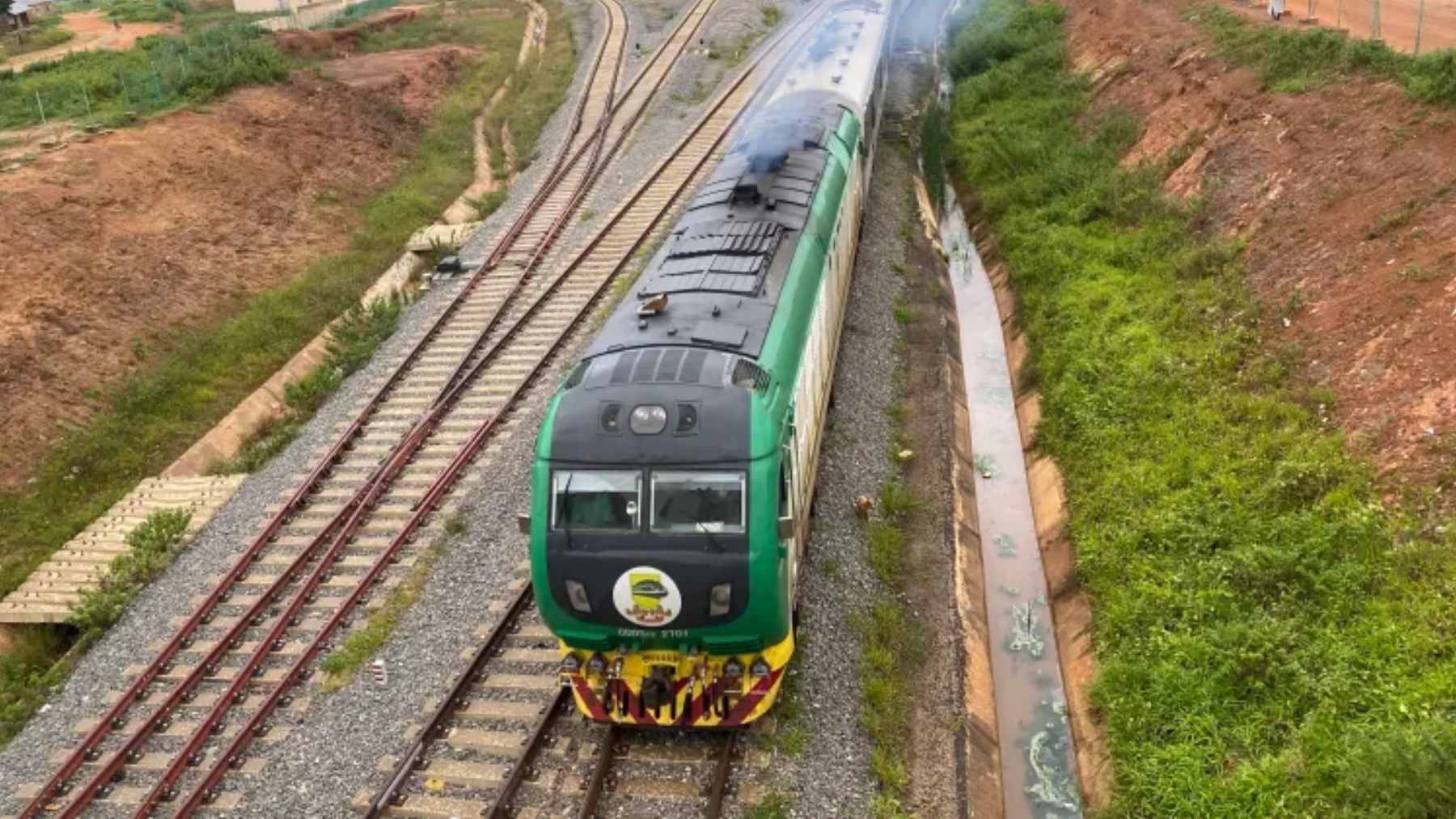
The bigger target is the Lagos-Kano corridor, a rail spine meant to connect Nigeria’s southern ports with inland commercial centers. AidData records the Lagos-Ibadan section as part of a larger, 800-mile standard-gauge railway that carries both passengers and cargo.
The northern end is still moving forward. In January 2025, China Development Bank said it had granted a €245 million ($285 million) loan for the 126-mile Kano-Kaduna standard-gauge railway, which is being built by CCECC.
Cleaner freight, but not magic
Rail can help cut emissions, but only if Nigeria actually shifts a meaningful share of freight away from trucks. The International Energy Agency says rail carries about 6% of global freight tonne-kilometers while accounting for around 1% of transport emissions.
That does not mean every Nigerian train will be green by default. Many rail systems still use diesel, and the climate benefit depends on operations, fuel, maintenance, and how much cargo moves off the road.
The debt question
Here is where the story gets more complicated. AidData says the Lagos-Ibadan financing included a $1.267 billion preferential buyer’s credit from China Eximbank, with a 20-year maturity, a seven year grace period, and a 2.5% fixed interest rate.
Those terms can make huge projects possible, but they still create long-term obligations. At the end of the day, Nigeria needs the railway to generate real economic value, not just impressive stations and shiny trains.
What to watch next
The big test is not only whether the tracks are laid. It is whether ports, customs systems, freight companies, passenger services, and maintenance crews all work together once the corridor is complete.
If they do, Nigeria could gain a cleaner and more reliable freight backbone for West Africa’s largest market. If they do not, the country risks trading one bottleneck for another, only this time with bigger loans attached.
The official statement was published on China Development Bank.