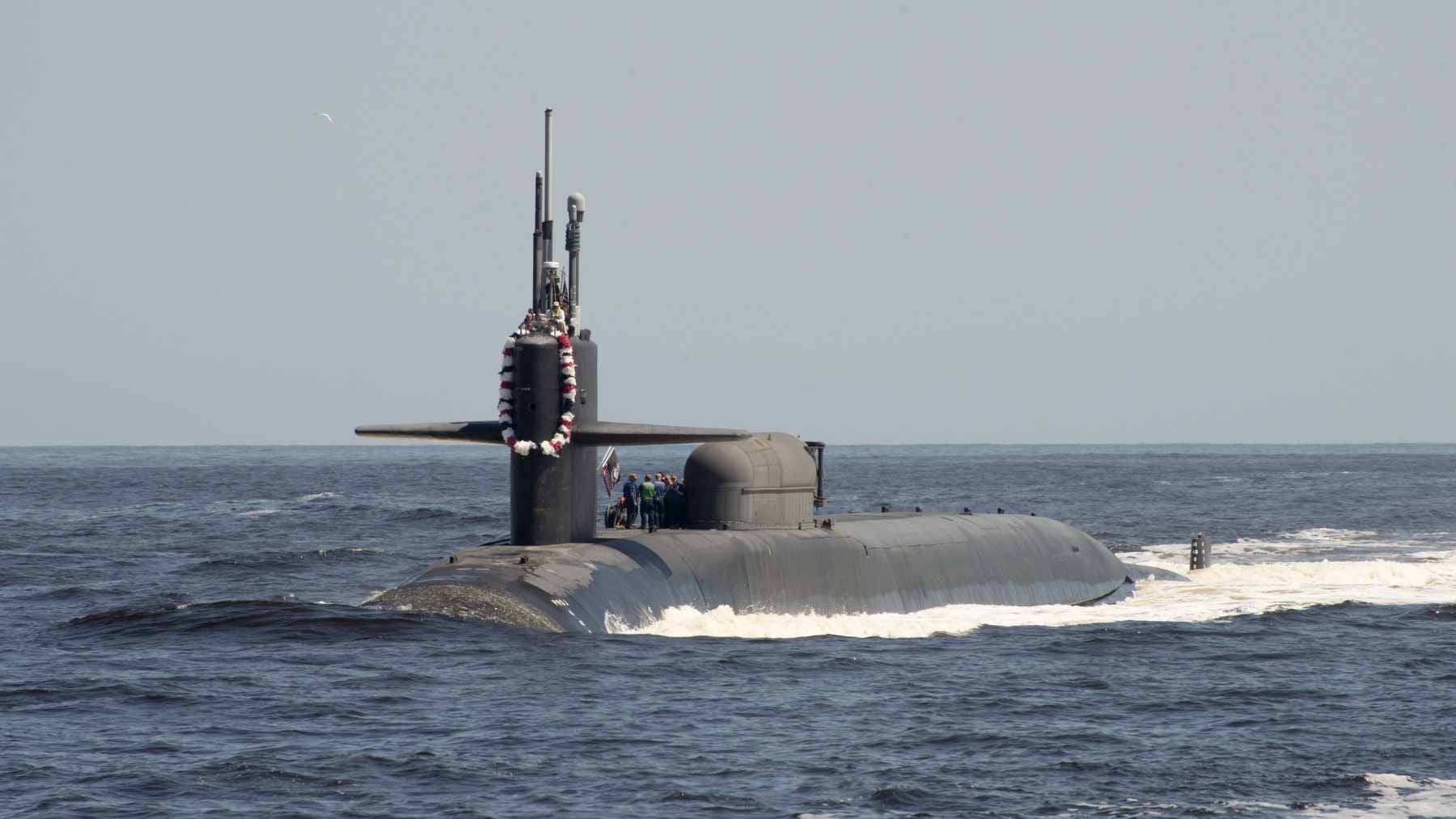
The U.S. Navy’s latest fiscal 2026 inactivation schedule is not just a routine fleet shuffle. The official update now names 14 vessels set to leave service, including submarines, cruisers, a littoral combat ship, an amphibious landing ship, oilers, cargo ships, and other support vessels.
For the Navy, the decision is about readiness, maintenance costs, and making room for future capabilities. But for shipyards, coastal communities, and environmental regulators, the bigger question comes later. What happens to all that steel, old paint, fuel residue, asbestos, reusable equipment, and nuclear hardware once the farewell ceremony is over?
The list grew
Earlier budget materials pointed to 13 ship decommissionings in fiscal 2026, including five retirements ahead of expected service life. The latest NAVADMIN 099/26 supersedes earlier updates and lays out a 14-vessel schedule.
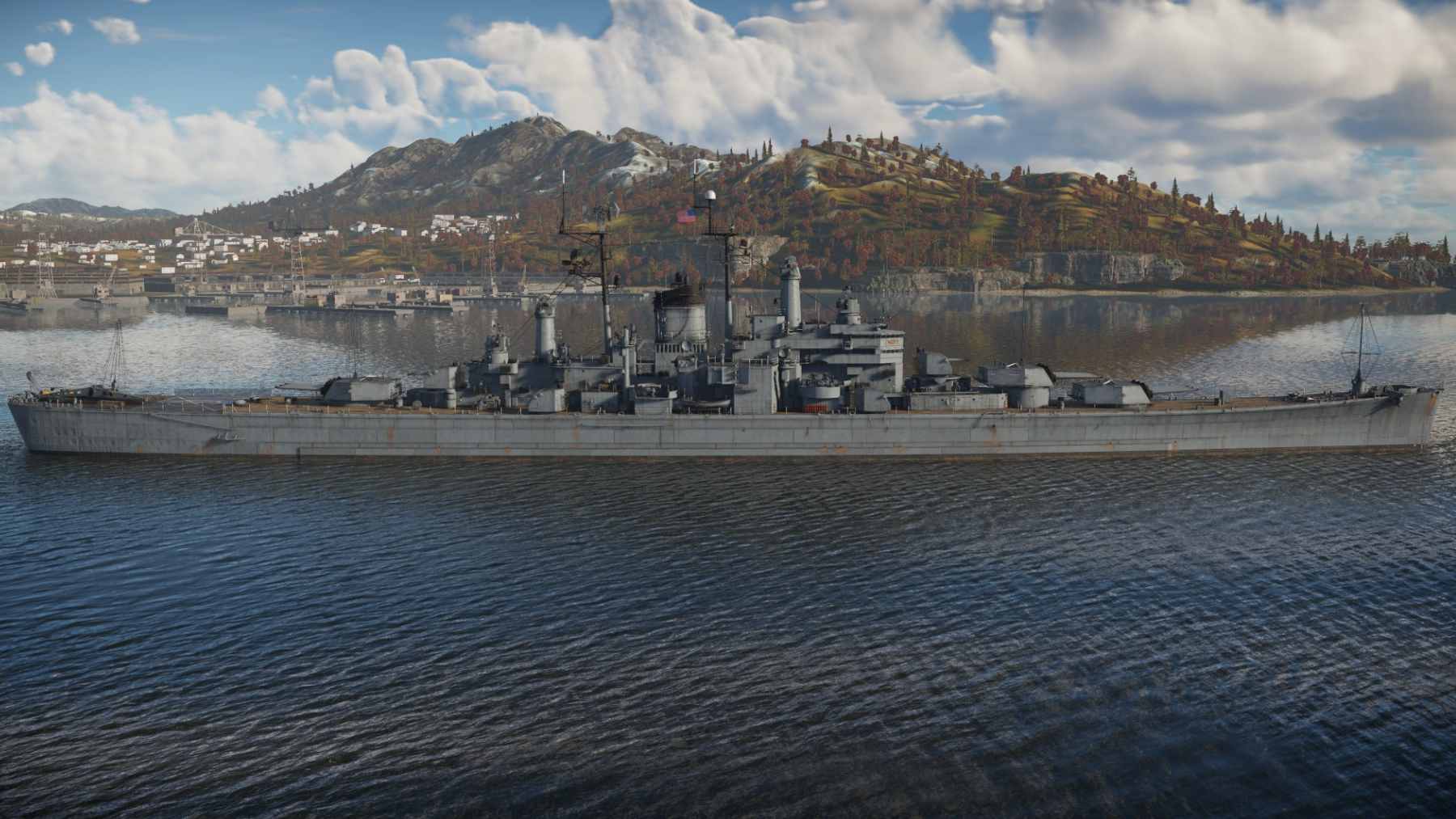
The updated list includes USS Newport News, USS Alexandria, USS Georgia, USS Shiloh, USS Lake Erie, USS Fort Worth, USS Germantown, USNS Red Cloud, USNS Watkins, USNS Pomeroy, USNS VADM K. R. Wheeler, USNS John Ericsson, USNS Pecos, and USNS Big Horn. Three are marked for recycling, one for dismantling, four for logistics support asset status, and six for transfer to MARAD.
Where old ships go
That split matters. The Navy says ships assigned as logistics support assets will be used as a primary source for “cannibalization and equipment removal,” which means parts can be pulled to keep other vessels running.
In practical terms, it is a floating spare parts bin. That may sound rough, but it can reduce waste if usable systems are removed safely and tracked properly. It is not so different from keeping an old car around for parts, except this garage sits on the water and the parts can weigh tons.
MARAD’s role is another key piece. The agency says its Ship Disposal Program aims to remove vessels that present the highest or most immediate environmental risk, while offering options such as donation, dismantling, recycling, Navy training use, and artificial reefing.
Cleanup is the hard part
Retiring a ship is not as simple as parking it forever or cutting it into clean pieces of steel. OSHA warns that shipbreaking creates safety, health, and environmental hazards because vessels can contain fuel residue, hydraulic fluid, lube oil, lead, cadmium, PCBs, asbestos, and other dangerous materials.
That is where the environmental story really begins. A hull that looks quiet at the pier can still carry decades of coatings, cables, pipes, tanks, and hidden contamination. One rushed cleanup can turn a smart military decision into a waterfront headache.
EPA and MARAD guidance for vessels used as artificial reefs makes the same point in another setting. The agencies say cleanup goals and best management practices are needed so vessels can be prepared in a way that is “environmentally sound” before any in-water use.
Nuclear ships need care
The USS Newport News, USS Alexandria, and USS Georgia are marked for recycling, and that detail is especially important because they are nuclear-powered vessels. Their end-of-life path is much more controlled than ordinary ship scrapping.
The Navy’s nuclear-powered ship disposal program involves defueling the reactor, removing the reactor compartment for land disposal, recycling the rest of the ship as much as is practical, and disposing of non-recyclable material as waste.
Planning for submarine reactor compartment disposal began in the late 1970s, the first reactor compartment was shipped to Hanford in 1986, and the Navy authorized a submarine recycling program at Puget Sound Naval Shipyard in 1990.
That is circular economy logic in one of the most tightly regulated corners of industry. Valuable equipment can be refurbished, metals can be separated and sold, and hazardous materials have to be controlled under federal and state rules. Still, the process only works if the oversight is as serious as the engineering.
Savings are not enough
The budget case is clear on one point. Tables for fiscal 2026 show five early Navy ship retirements with about $65.7 million in gross savings, $14.6 million in retirement costs, and about $51.1 million in net savings.
Cheaper does not automatically mean greener, however. New ships require raw materials, shipyard energy, fuel, crews, maintenance, and eventually their own disposal plans. Retiring an older ship can reduce one burden while creating another if the cleanup is rushed.
Think of it like replacing an old refrigerator at home. The electric bill may improve, but the old appliance still has to be hauled away, drained, broken down, and recycled correctly. Otherwise, the savings come with a mess nobody wants to see.
What to watch in 2026
The inactivation dates stretch from January through September 2026. USS Newport News was listed for January 31, USNS Big Horn for March 31, several support vessels for July, and USS Shiloh, USS Lake Erie, USS Germantown, and USNS Red Cloud for late September.
So the key issue is not only which ships leave the fleet, it is what happens after that. Are they recycled, stored, stripped for parts, transferred, reefed, used for training, or dismantled? That is the part shipyard workers, coastal towns, and environmental watchdogs will want to follow closely.
The official statement was published on MyNavyHR.