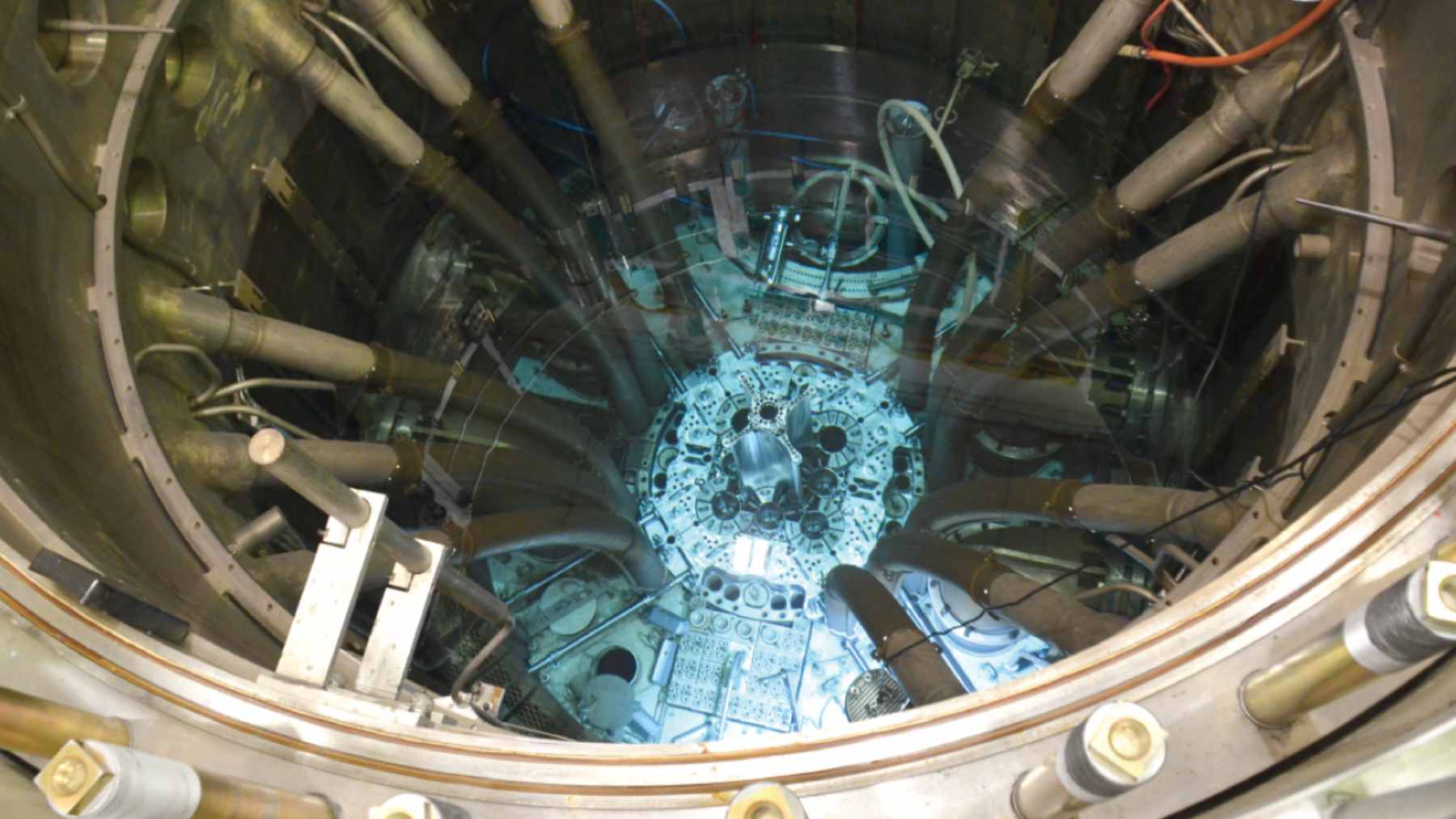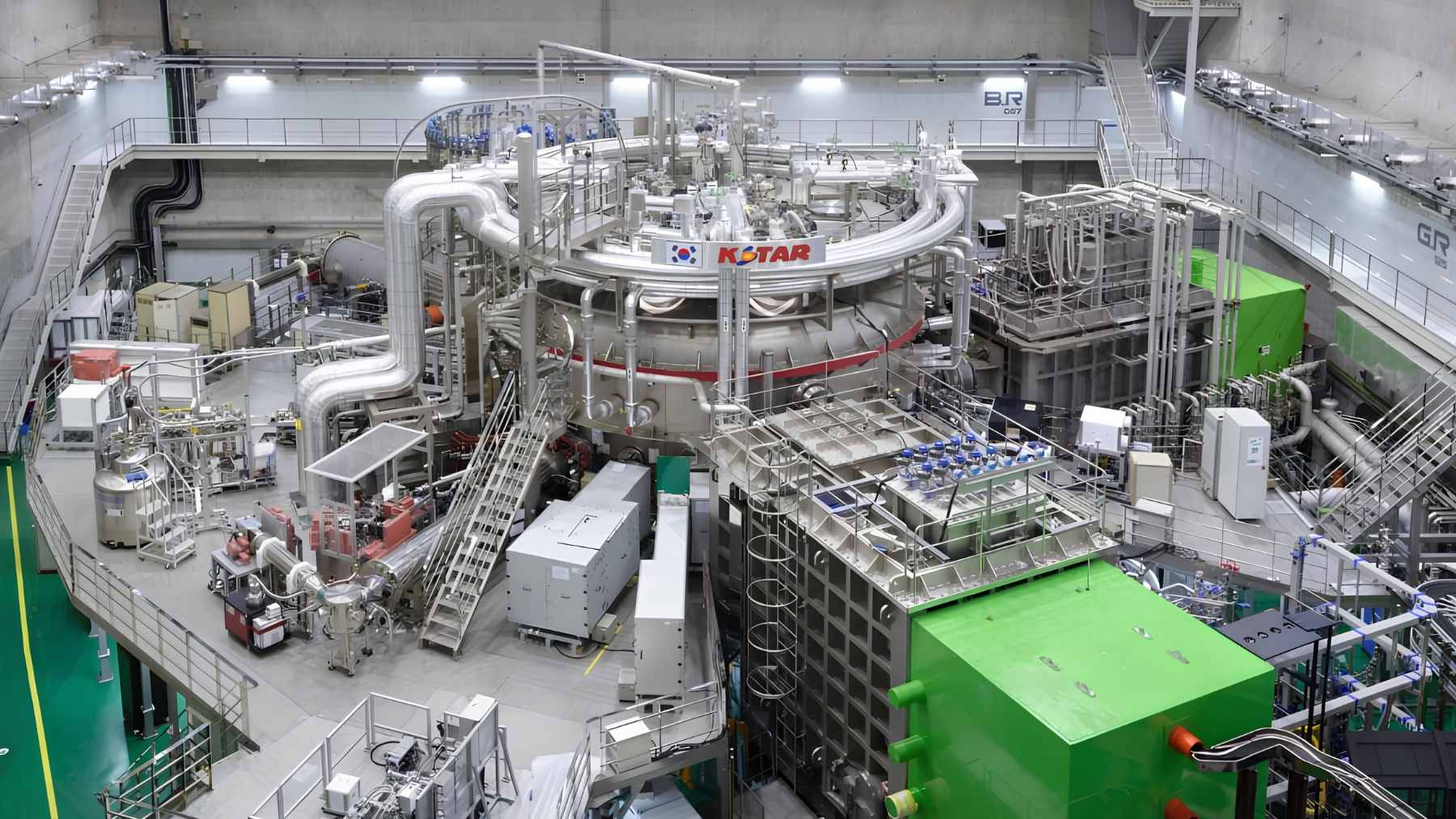
South Korea’s “artificial sun” is back in the clean-energy spotlight, but the most important detail is also the one that can be easiest to misread. KSTAR, the Korea Superconducting Tokamak Advanced Research device, sustained plasma at 100 million°C (over 200 million°F) for 48 seconds and also kept high-confinement mode running for 102 seconds after a major tungsten upgrade.
That technicality does not make the result less impressive–quite the opposite. In fusion, the difference between a viral headline and a verified record matters because every extra second of stable plasma is a step toward a machine that could one day help power homes, factories, data centers, and maybe even lower our electric bill that keeps creeping up.
What KSTAR actually did
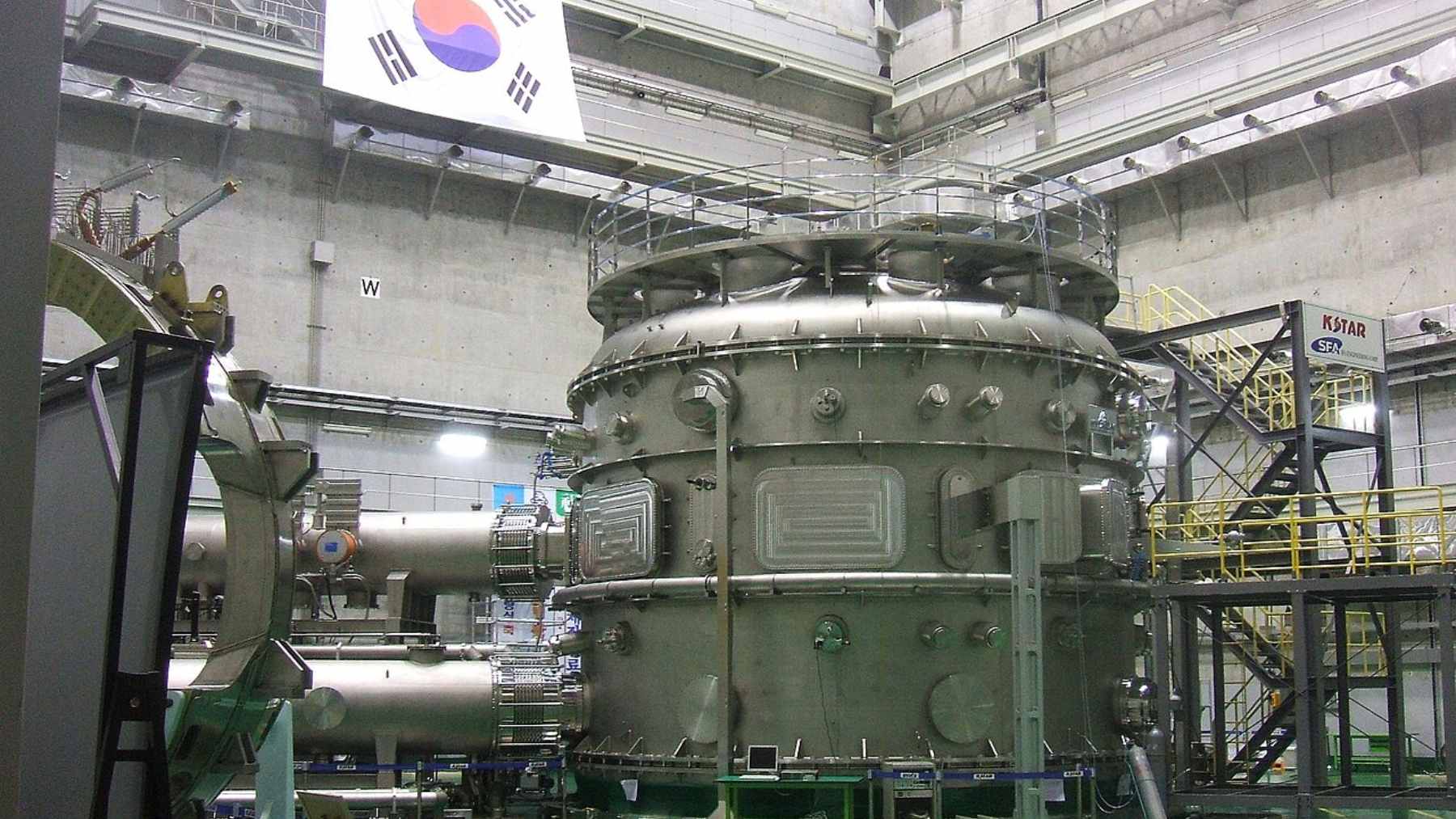
KSTAR is a superconducting tokamak operated by the Korea Institute of Fusion Energy in Daejeon, South Korea. In its latest reported campaign, which ran from December 2023 to February 2024, the team extended its 100-million-degree plasma record from 30 seconds to 48 seconds.
The 102-second milestone was different, but still important. It referred to H-mode, a high-confinement operating state that fusion researchers use because it helps keep high-temperature, high-density plasma stable for longer periods.
Why 100 million degrees matters
Fusion is the reaction that powers the Sun, but recreating it on Earth is not as simple as building a hotter furnace. Because we do not have the Sun’s crushing gravity, fusion devices need extreme temperatures and magnetic confinement to push light atomic nuclei close enough to fuse.
That plasma cannot touch the reactor walls. No material can simply sit there and shrug off 100 million°C, so the real achievement is not just making the plasma hot. It is keeping it controlled, suspended, and useful for more than a blink.
Tungsten changed the story
A major reason KSTAR improved was its new tungsten divertor, a component that faces intense heat from the plasma. According to the official release, the upgraded tungsten divertors showed only a 25% increase in surface temperature under similar heat loads compared with the older carbon-based components.
That may sound like workshop language, but it is the sort of engineering that decides whether fusion stays in the lab or moves closer to the grid. Dr. Si-Woo Yoon, director of the KSTAR Research Center, said the team achieved results beyond earlier KSTAR records after “thorough hardware testing and campaign preparation.”
The clean-energy promise
The appeal is obvious. Fusion could produce huge amounts of power without the carbon emissions of fossil fuels and without the same long-lived radioactive waste profile as today’s fission reactors.
The IAEA also notes that fusion is not based on a chain reaction, so losing the right plasma conditions would stop the process rather than trigger a runaway accident.
Still, this is not magic energy. Tritium handling, neutron damage, materials fatigue, cost, and power conversion all remain difficult problems. In practical terms, scientists are not just chasing a hotter plasma.
They are trying to build a full energy system that works reliably when the lights, air conditioners, and factories need it.
A global fusion race
KSTAR is one piece of a much larger race. In the United States, Lawrence Livermore National Laboratory’s National Ignition Facility achieved fusion ignition on December 5, 2022, producing more fusion energy from the target than the laser energy delivered to it.
China’s EAST tokamak reached 1,066 seconds of steady-state high-confinement plasma operation in January 2025, while ITER in France is now working under a revised baseline that points to research operations in the 2030s rather than the earlier first-plasma schedule.
Private companies are pushing, too. Commonwealth Fusion Systems says its SPARC machine is designed to demonstrate net energy generation in 2027, using high-field superconducting magnets as part of a compact tokamak approach.
The next target is longer control
For KSTAR, the next big number is 300 seconds of plasma operation with ion temperatures above 100 million°C. The institute says that goal depends on better heating, current-drive systems, and real-time control technologies, including artificial intelligence.
There is an old joke that fusion is always 30 years away. Maybe that is still partly true. But records like KSTAR’s show that the problem is no longer just about theory, it is about hardware, materials, money, and patience.
The press release was published on EurekAlert.