The United States built one of the most ambitious nuclear waste projects on Earth, carved miles of test tunnels into a volcanic mountain in Nevada, spent nearly $15 billion, and then left it empty. Yucca Mountain was supposed to solve a problem that has followed nuclear power for decades: where to put radioactive fuel after it stops producing electricity.
The twist is that the waste never went away. By the Department of Energy’s latest public figures, more than 100,000 tons of spent nuclear fuel are now stored across 79 sites in more than 30 states, and that total could rise to around 200,000 tons by the time today’s reactors finish operating.
A mountain built for waste
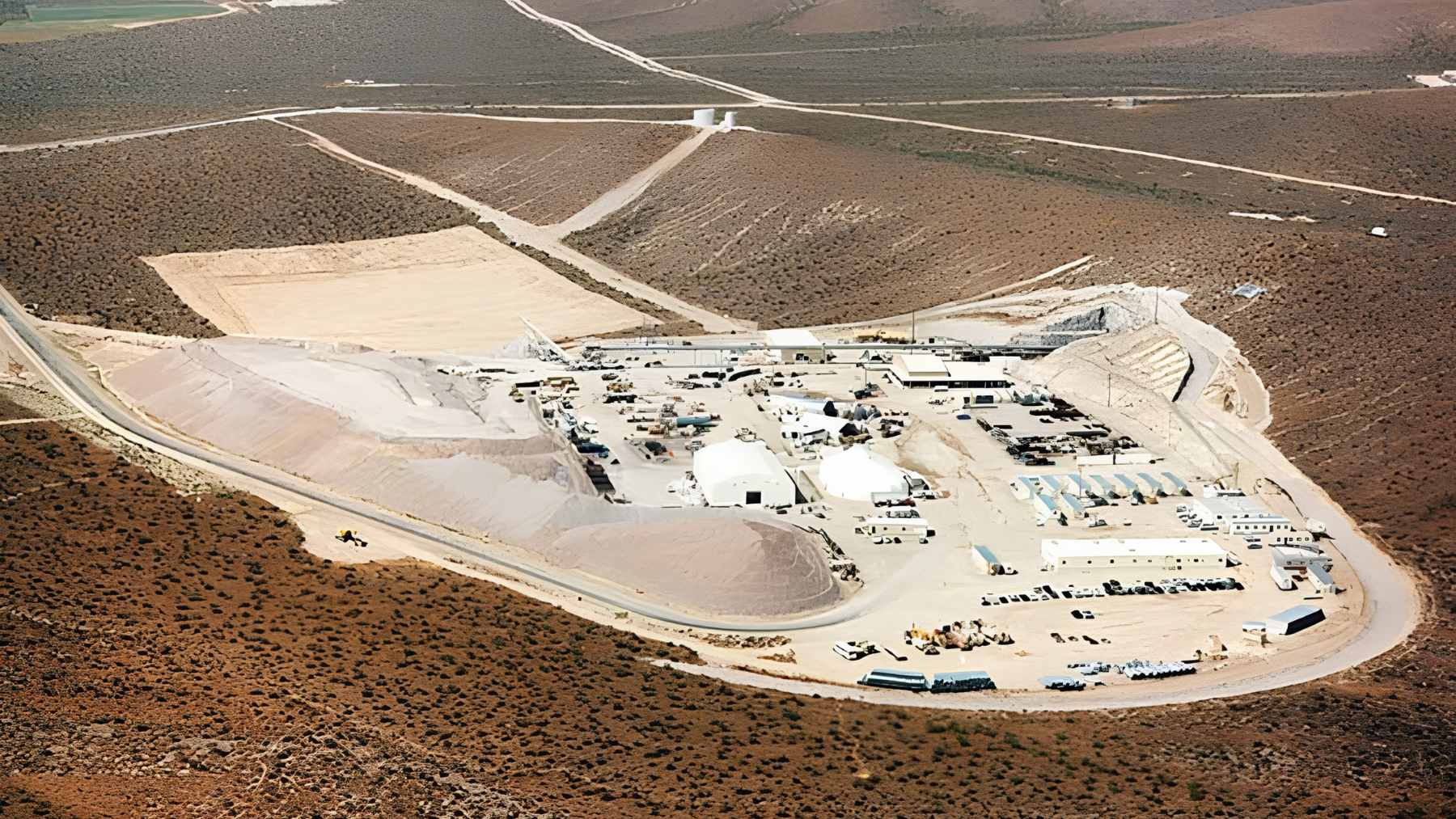
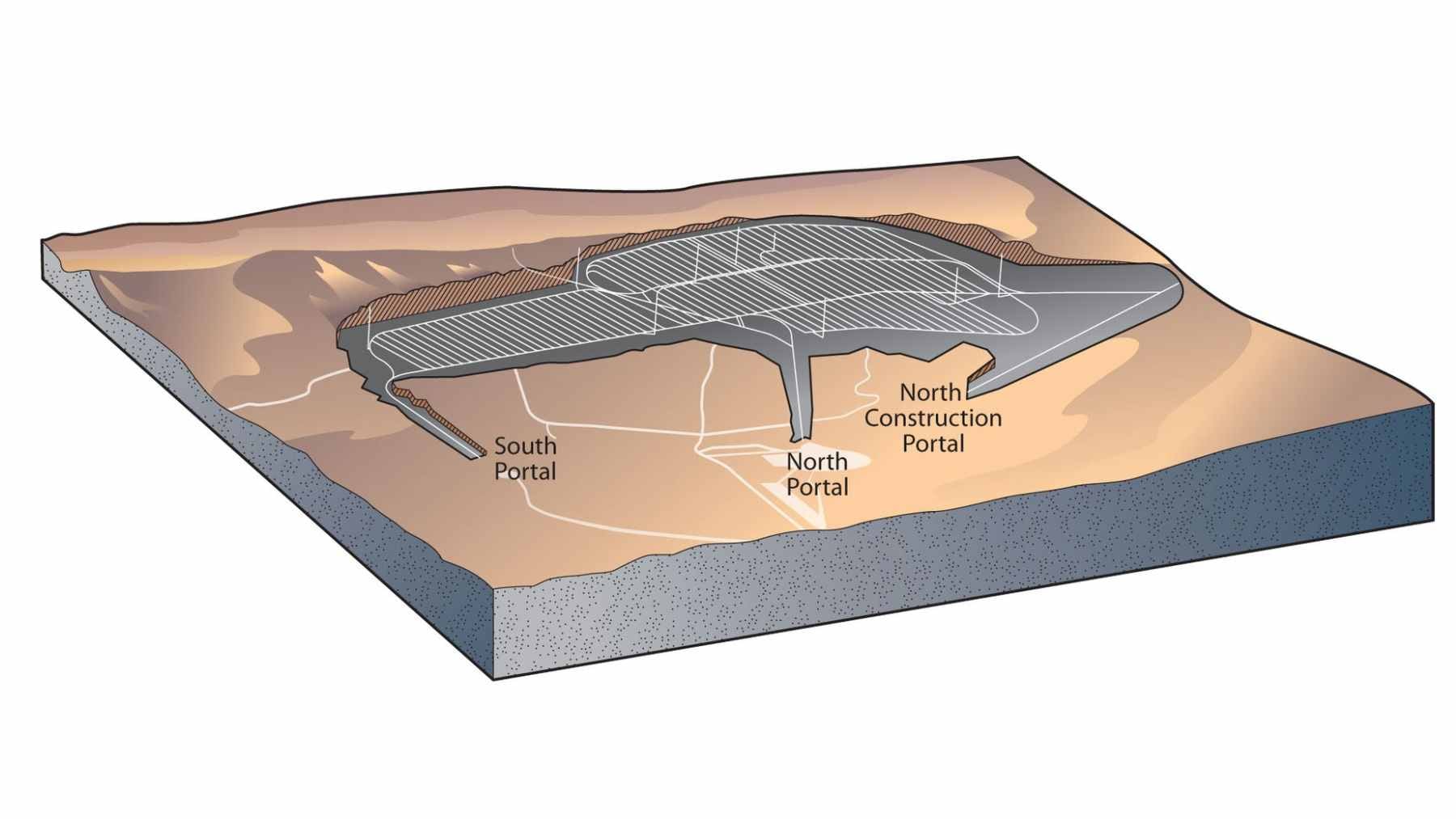
Yucca Mountain sits in Nye County, Nevada, about 100 miles northwest of Las Vegas. In 1987, Congress told the Department of Energy to focus on that site, and the proposed repository was designed to hold 77,000 tons of high-level radioactive waste, including 70,000 tons of commercial spent nuclear fuel.
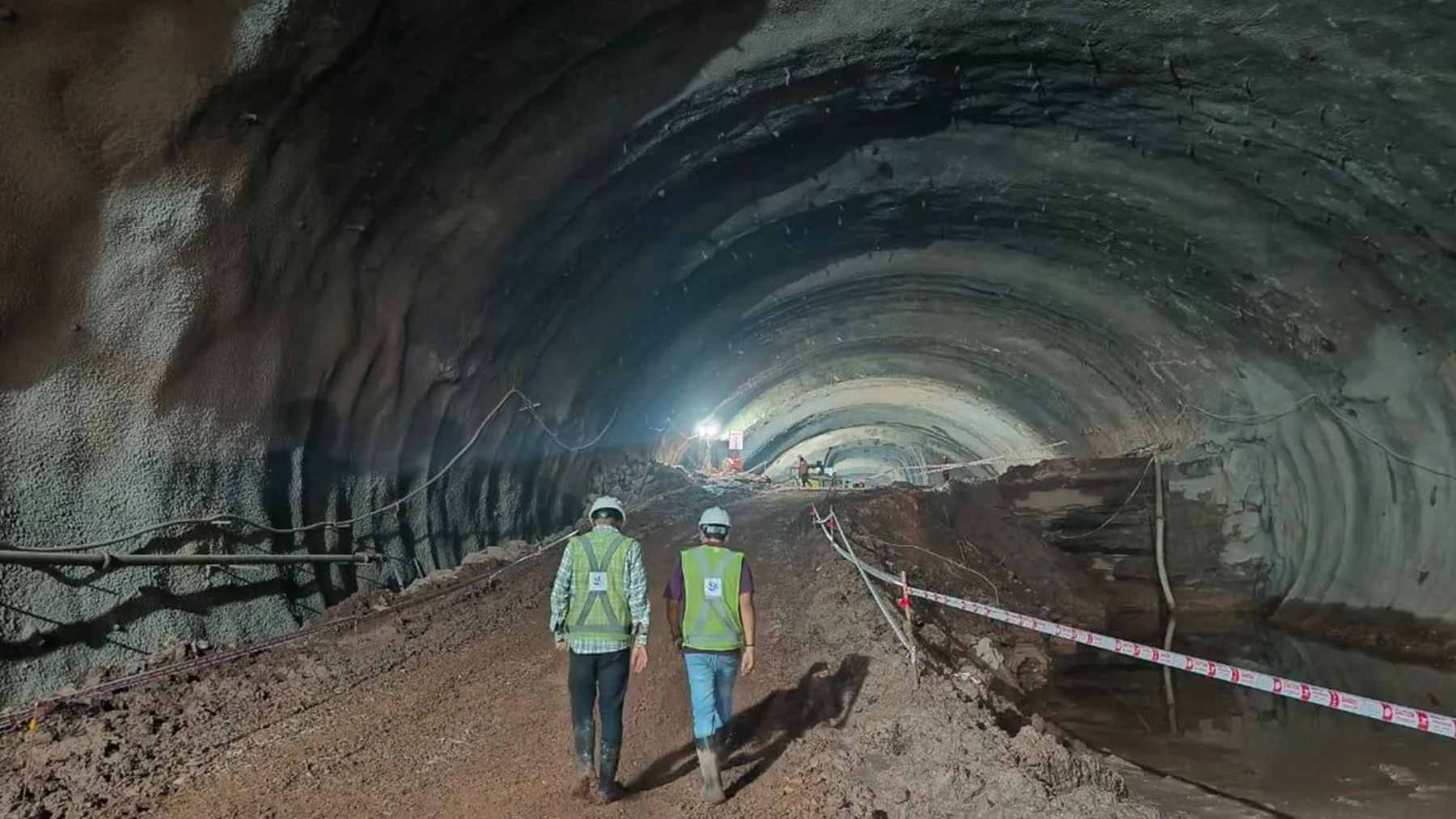
This was not a small hole in the desert. Bechtel says its team analyzed roughly 8 miles of test tunnels and 450 boreholes drilled into the mountain, studying rock, water movement, and earthquake risks before helping design the storage tunnels and safety systems.
Why the plan stopped
Nevada fought the project for years, arguing that Yucca Mountain was the wrong place to receive the nation’s nuclear waste. The state attorney general’s office has cited concerns including hydrology, volcanism, seismic activity, repository design, and the risk of transporting radioactive material through communities.
The Government Accountability Office later found that when the Department of Energy moved to terminate the program, it did not cite technical or safety issues. In plain English, the mountain did not fail in the way a tunnel collapses. The politics did.
The waste did not disappear
Spent nuclear fuel starts in cooling pools and can later move into dry storage casks made from steel and concrete. The Department of Energy says this fuel can remain safely and securely at reactor sites for the foreseeable future, but that is still a temporary answer to a very long problem.
That is the uncomfortable part. Nuclear power can produce large amounts of electricity with very low carbon emissions, which matters when families worry about the electric bill and cities need cleaner grids. But the leftover fuel remains hazardous on a timeline far longer than any administration, any company, or any election cycle.
A new federal strategy
The federal government is now trying a different route. In January 2026, the Department of Energy issued a request for information inviting states to express interest in hosting “Nuclear Lifecycle Innovation Campuses,” which could include fuel fabrication, enrichment, reprocessing used nuclear fuel, and waste disposition.
That word “interest” matters. Yucca Mountain became a symbol of what happens when science, engineering, money, and local consent do not line up. A new campus could bring jobs, investment, and energy infrastructure, but it could also mean accepting a responsibility that lasts far beyond the next economic boom.
The global lesson
The United States is not alone in this problem. Finland is the closest to a working permanent solution, with Posiva’s ONKALO facility preparing to begin final disposal of spent nuclear fuel in the mid-2020s. Sweden has also moved ahead with construction of its own final disposal project, though Finland remains in the lead.
So, what did Yucca Mountain really prove? Not that underground disposal is impossible–if anything, it proved that building the tunnel may be easier than building trust around it.
What comes next
At the end of the day, Yucca Mountain is a monument to the paradox of nuclear energy. It can help power homes without the smokestacks and exhaust fumes people associate with fossil fuels, but its waste problem demands patience, money, and political courage on a scale few countries have managed.
The United States already spent billions trying to bury that problem under a Nevada mountain. Now it has to decide whether a consent-based approach can succeed where Yucca Mountain failed.
The official statement on the latest federal push was published on the U.S. Department of Energy website.