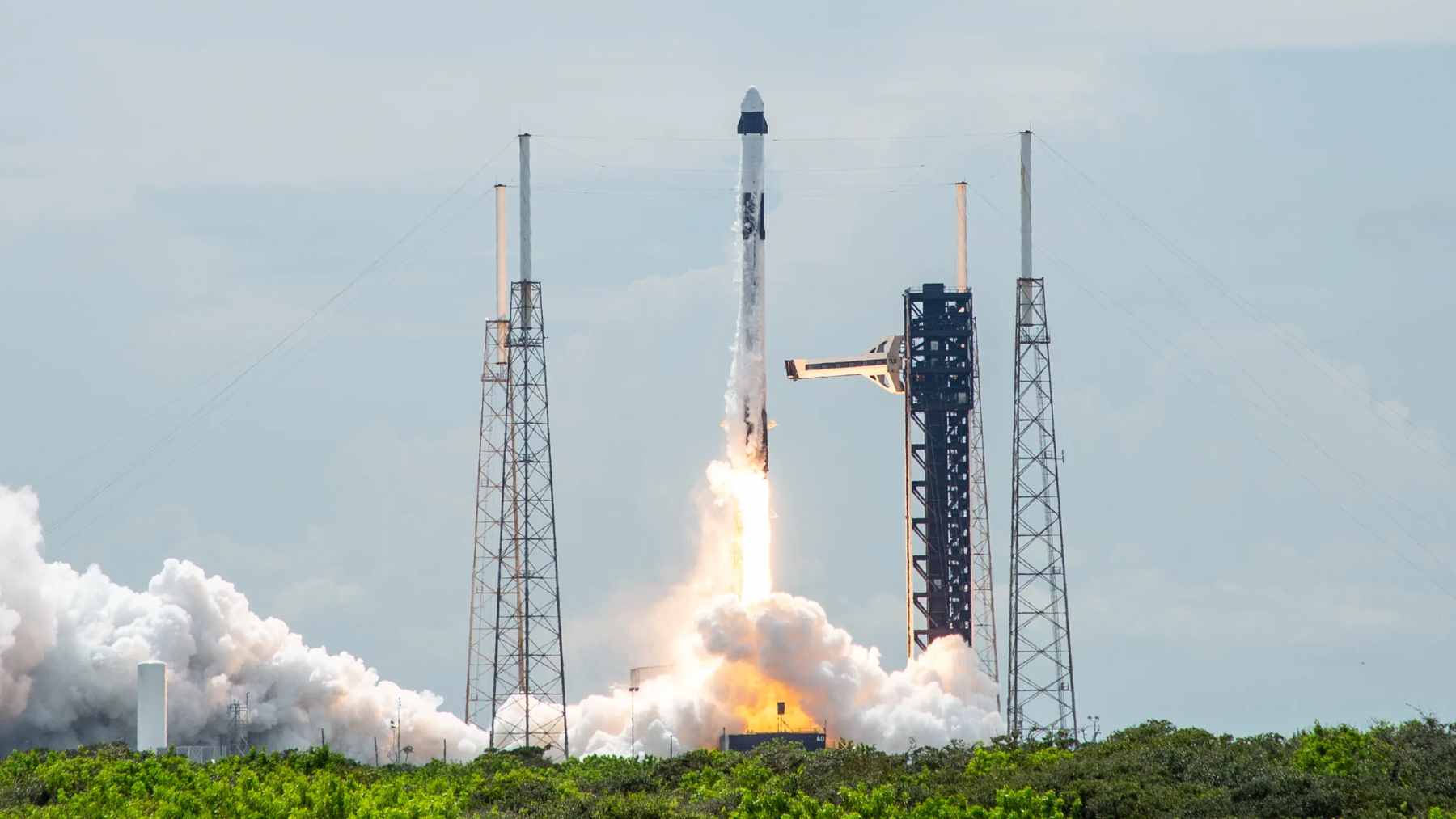
SpaceX is not exactly parking the Falcon 9. Not yet, but the company’s most successful rocket is no longer racing ahead at quite the same pace, and that shift is already changing where America’s launch boom is being felt most clearly.
SpaceX President Gwynne Shotwell told TIME that the company launched Falcon 9 165 times last year and expects “maybe 140, 145-ish” Falcon launches this year, adding, “This year we’ll still launch a lot, but not as much.”
That may sound like a small business adjustment, but on the ground it points to something bigger. Florida is making room for Starship, while Vandenberg Space Force Base in California is taking on more of the Falcon workload.
Falcon 9 is easing back
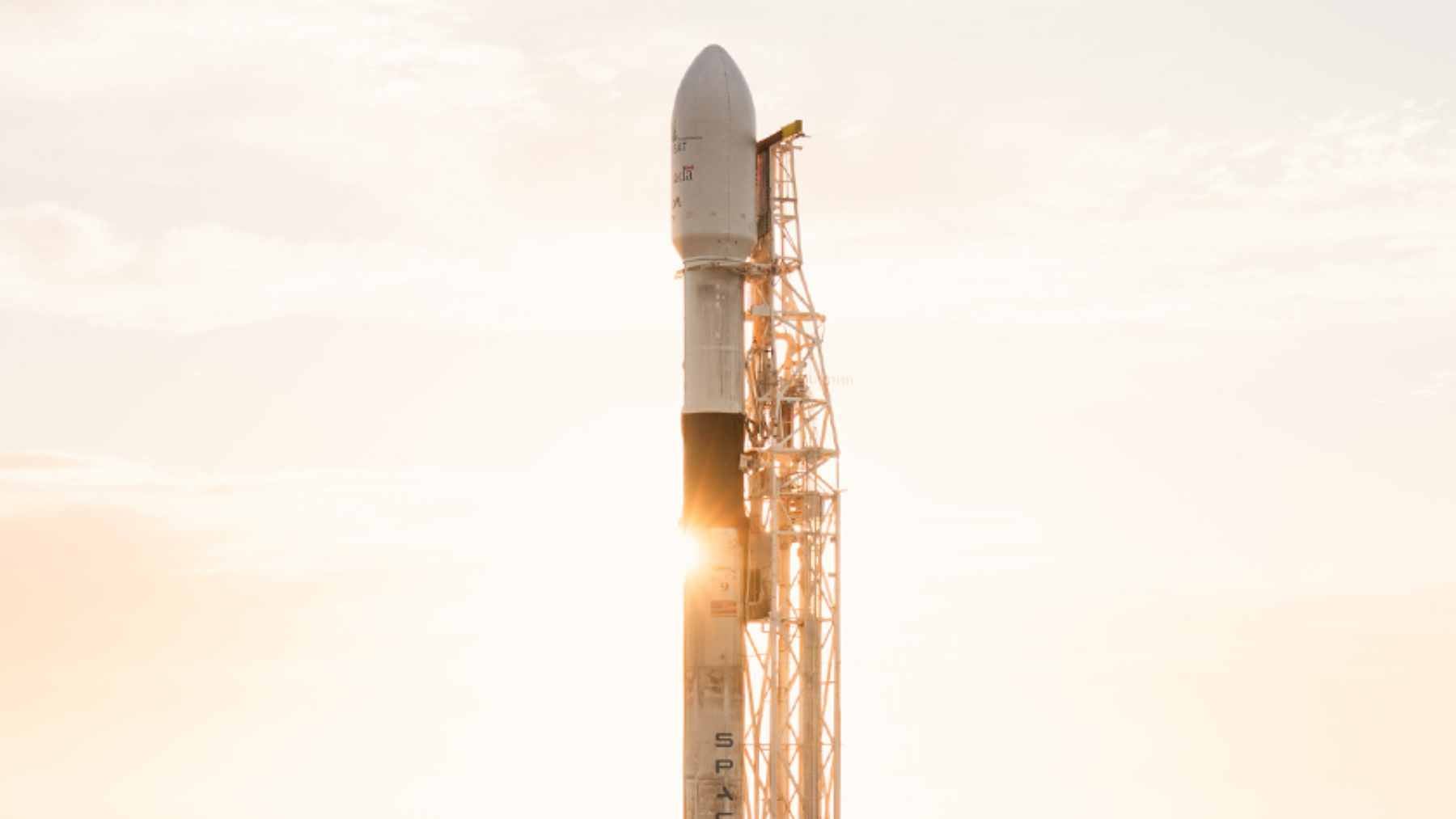
For years, Falcon 9 has been SpaceX’s reliable workhorse, carrying Starlink satellites, government payloads, cargo, and astronauts. That role is not ending overnight, especially because NASA still depends on Falcon 9 and Dragon for crew transportation to the International Space Station under contracts that run through 2030.
So no, this is not a farewell tour, it is more like a handoff. Falcon 9 remains the everyday route to orbit, while Starship is being prepared for the heavier, riskier, and more ambitious work that SpaceX wants to do next.
Vandenberg moves up
Vandenberg’s rise is hard to miss. The base said it oversaw 71 space launches and missile tests in 2025, its highest launch rate since the 1970s, while preparing for more space launch, test, and national security missions.
The environmental paperwork shows how far that growth could go. The Department of the Air Force approved a plan that raises the Falcon launch cadence at Vandenberg from 50 Falcon 9 launches per year at Space Launch Complex 4 to as many as 100 Falcon 9 and Falcon Heavy launches per year across SLC-4 and SLC-6 combined.
Falcon Heavy, which has not previously launched from Vandenberg, could fly up to five times per year from SLC-6.
The environmental question
Here is where the story gets more complicated. More launches do not just mean more rockets on livestreams. They also mean more noise, more restricted areas, more marine notices, more aircraft routing, and more pressure on coastal habitats that already deal with storms, erosion, and human activity.
By the Air Force’s own analysis, the 100-launch scenario at Vandenberg would produce about 64,000 tons of carbon dioxide equivalent in annual operational greenhouse gas emissions. The same document says the proposed action and its alternative remain below certain air quality thresholds, but that does not make the impacts invisible to people or wildlife nearby.
The wildlife section is even more sensitive. The final environmental impact statement found that the proposed Falcon expansion may affect and is likely to adversely affect species including the western snowy plover, California least tern, and southern sea otter.
That is not a small footnote. For the most part, launch growth is being managed through monitoring, mitigation, and permits, but the coast is still being asked to absorb more activity.
Starship changes the math
Meanwhile, Florida is being reshaped for Starship. The FAA’s final environmental review for Launch Complex 39A at Kennedy Space Center analyzes up to 44 Starship-Super Heavy launches and 88 landings per year, including Starship and Super Heavy landings at the site or on ocean platforms.
That kind of system could eventually carry more payload per launch, which is the argument SpaceX and its supporters make, but bigger rockets bring bigger local questions. The FAA review estimates about 704 hours per year of closure and limited access time tied to Starship static fire tests, wet dress rehearsals, launches, booster landings, and Starship landings.
The same review says biological effects would be less than significant, but also notes that terrestrial, estuarine, and marine wildlife could face increased exposure to noise, visual disturbance, vibration, artificial lighting, hazardous materials, and restricted access. That is the key tension–less than significant does not mean nothing happened.
Defense is part of it
Vandenberg is not just a commercial launch site, it is a military space hub that supports national security objectives and hosts all three U.S. Space Force field commands. That gives the launch buildup a defense angle, not just a tech-business one.
Col. James T. Horne III, commander of Space Launch Delta 30, put it plainly in the base’s 2026 strategy. “We must expand our capacity for full-spectrum operations as launch demand continues to rise,” he said. That sentence explains why the pressure is unlikely to fade anytime soon.
What to watch next
At the end of the day, SpaceX’s Falcon 9 slowdown is not really a slowdown in the space economy. It is a reshuffling. California gets more Falcon activity, Florida gets more Starship infrastructure, and regulators have to keep asking whether the pace is moving faster than environmental safeguards can comfortably follow.
For nearby communities, the issue may feel less like a spreadsheet and more like a rumble in the sky, a closed beach road, or another notice about restricted waters. For SpaceX, it is the path to larger missions. For regulators, it is a balancing act that is only getting harder.
The official statement was published on Space Systems Command.