China is turning a high mountain site in Sichuan into something more than a hydropower plant. The Daofu pumped-storage station is designed to act like a giant “water battery,” storing electricity when the grid has too much and releasing it when demand rises.
The project is still under construction, not already operating. But official figures show why it matters. At about 4,300 meters (13,300 ft.) above sea level, Daofu is set to become the world’s highest-altitude mega pumped-storage power station, with 2.1 million kilowatts of installed capacity and more than 2.99 billion kilowatt-hours of planned annual generation.
A battery made of water
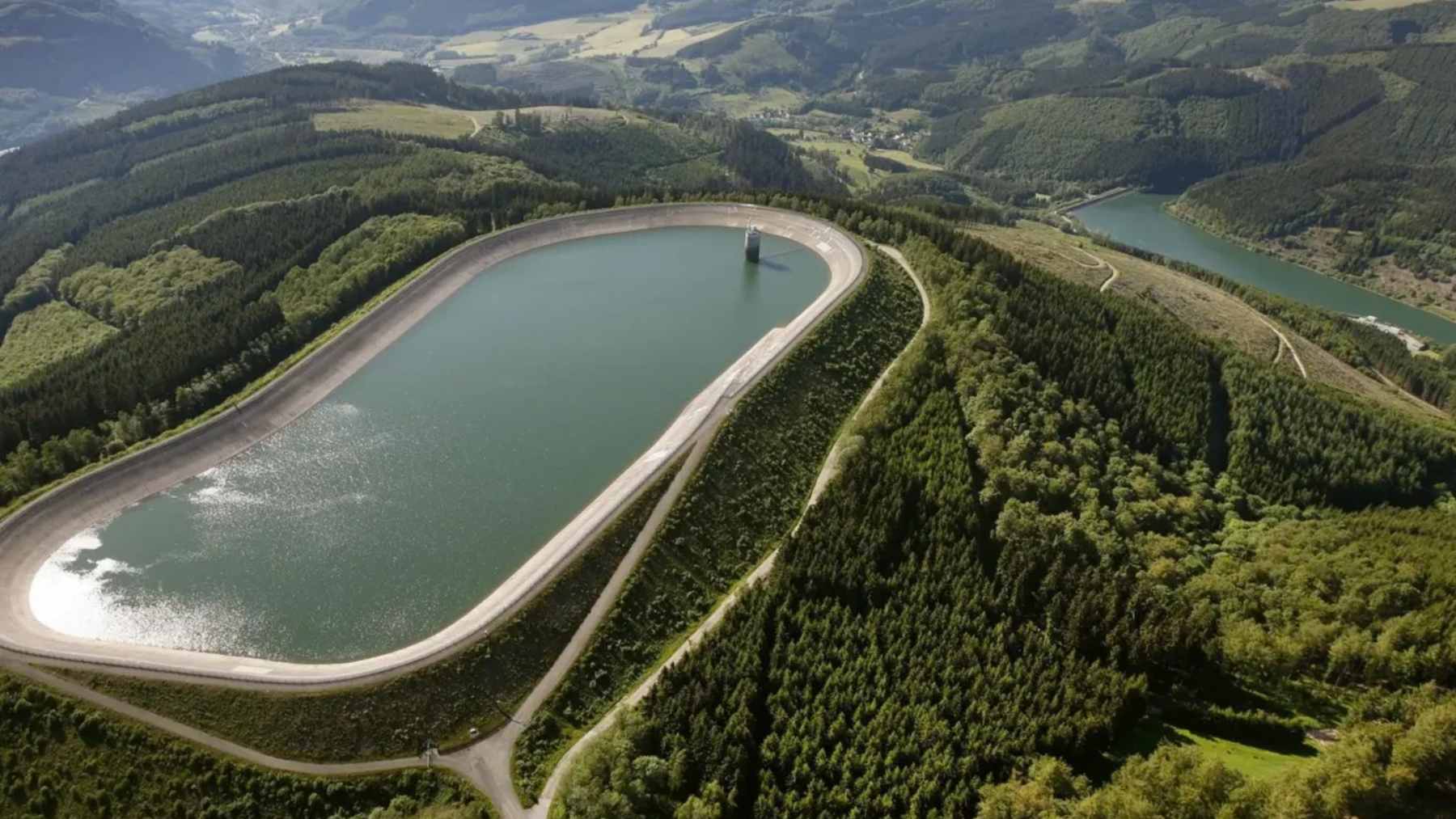
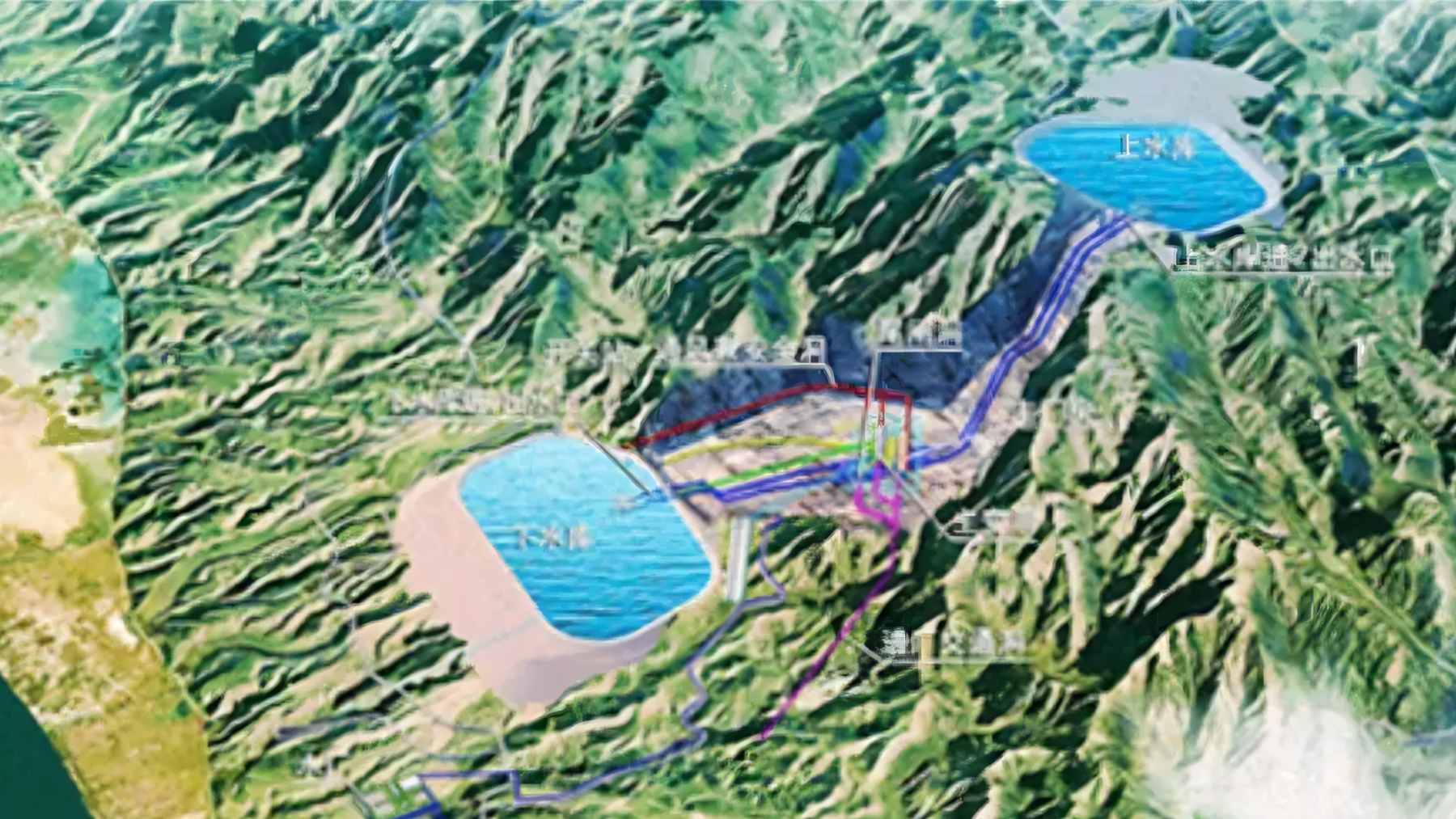
Pumped storage is an old idea with a very modern job. When electricity demand is low, extra power pushes water from a lower reservoir to an upper one. When the grid needs help, that water flows downhill through turbines and generates electricity again.
The U.S. Department of Energy describes pumped storage hydropower as working “similarly to a giant battery,” because it stores power and releases it when needed. In everyday terms, it helps keep the lights on when air conditioners are running hard during hot summer days.
Why this project matters
The Daofu station is expected to store 12.6 million kilowatt-hours of electricity each day. Chinese officials say that is enough to meet the daily power needs of about 2 million households in Sichuan.
That number is not just impressive on paper. It points to one of the biggest problems in clean energy today, which is that solar and wind power do not always arrive when people need electricity most. The electric bill, the evening cooking rush, factory schedules, traffic signals, data centers–all of it depends on a grid that cannot simply wait for the sun.
Solar power needs storage
Daofu is part of the Yalong River basin’s broader plan to combine hydropower, solar, wind, and storage in one regional energy system. SDIC Group says the area around the station has more than 20 million kilowatts of photovoltaic resources, and the pumped-storage plant could help smooth about 6 million kilowatts of variable solar power into steadier supply.
That is where the environmental story becomes clearer. Solar panels reduce fossil fuel use only when their electricity can actually be delivered when needed. Storage is the bridge, and in Daofu’s case, the bridge is made of water, tunnels, turbines, and a lot of mountain engineering.
Built for difficult terrain
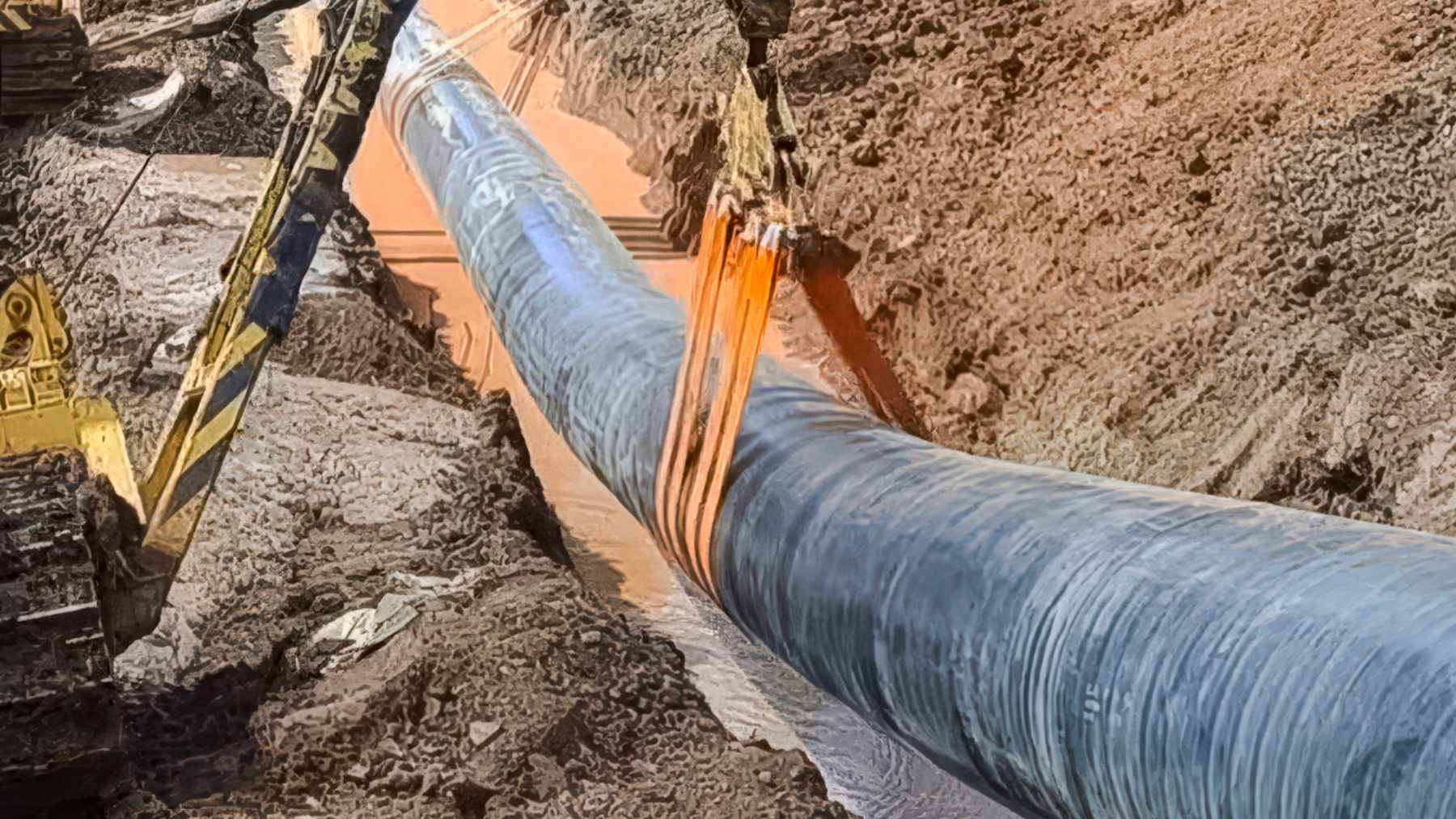
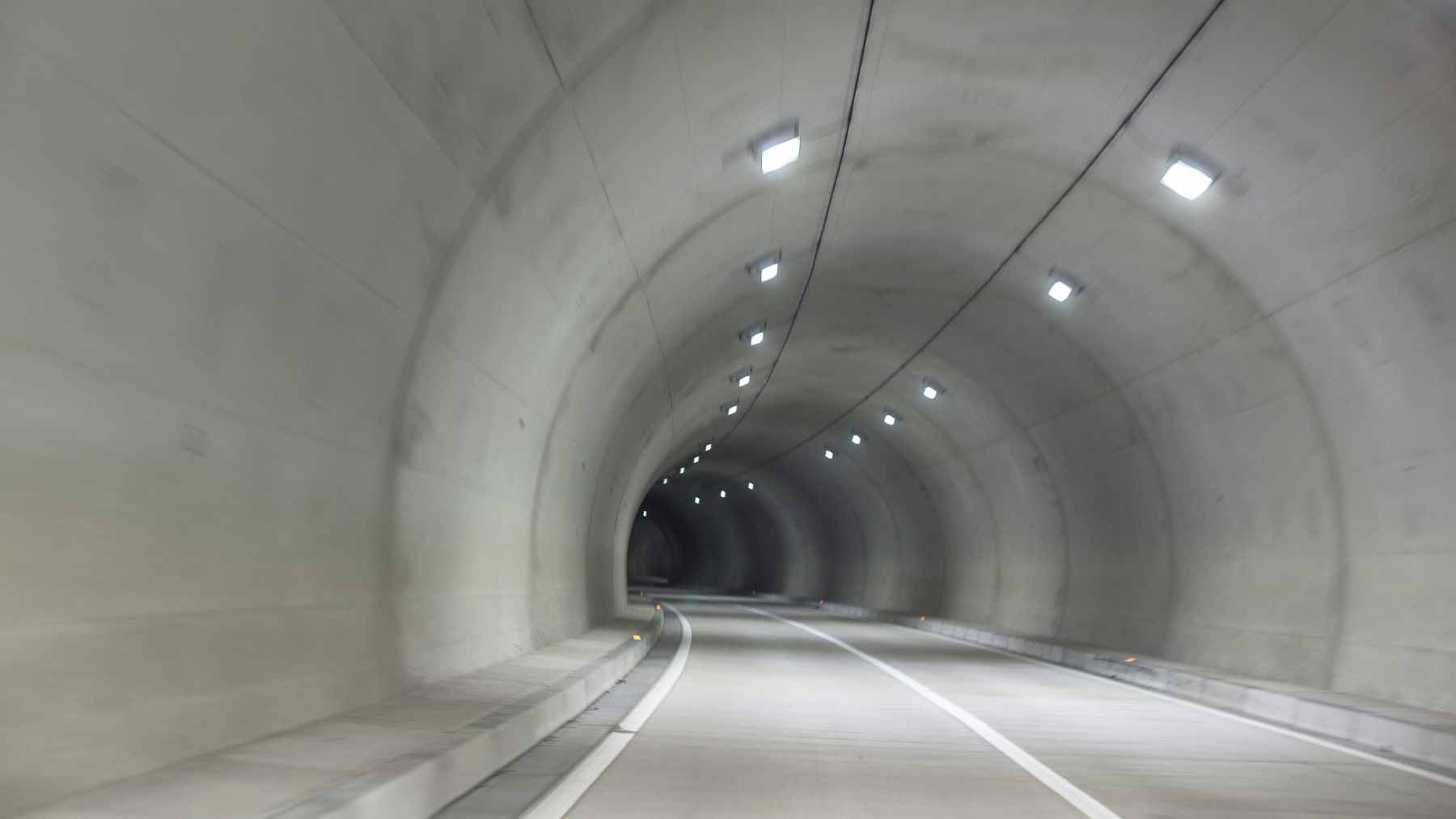
The station will include six reversible generating units, each rated at 350,000 kilowatts. Its main facilities include an upper reservoir, a lower reservoir, a water conveyance system, an underground powerhouse, and a surface switchyard.
This is not an easy place to build. PowerChina said the project faces high-altitude, high-head, high-speed, high-voltage, and large-capacity equipment challenges. Yu Chuntao, a project design manager at PowerChina’s Chengdu institute, said large pumped-storage projects in high-altitude areas have little past experience to draw from.
The business angle
The investment is expected to reach about ¥15.1 billion, or roughly $2.11 billion at the exchange rate cited in the official English report. That makes Daofu not only an environmental project, but also a major industrial and infrastructure bet.
China Energy News reported that the project could support around 5,000 jobs each year during construction and help drive additional investment in nearby renewable energy development. At the end of the day, what it is trying to do is simple: make clean power less fragile and more useful.
The bigger clean energy puzzle
The International Energy Agency says pumped-storage hydropower remains the most widely deployed electricity storage technology in the world. Batteries are growing quickly, but pumped storage still offers huge capacity for longer balancing needs.
Still, there is a catch. Big hydropower and pumped-storage projects can bring long construction timelines, environmental reviews, local impacts, and difficult financing questions.
The IEA has warned that new hydropower projects often face high costs, permitting delays, and social or environmental concerns, so the clean-energy benefits depend on careful planning, not just big numbers.
What happens next
For now, Daofu is best understood as a sign of where the power sector is heading. More renewables mean more need for storage, and more storage means grids can rely less on fossil backup when demand jumps.
If it works as planned, this high-altitude “water battery” could help turn the Yalong River basin into a cleaner and steadier power hub. The trouble is, the clock is moving fast, and every grid trying to cut emissions faces the same question: where do you keep clean energy until the exact moment people need it?
The official statement was published on SDIC Group.