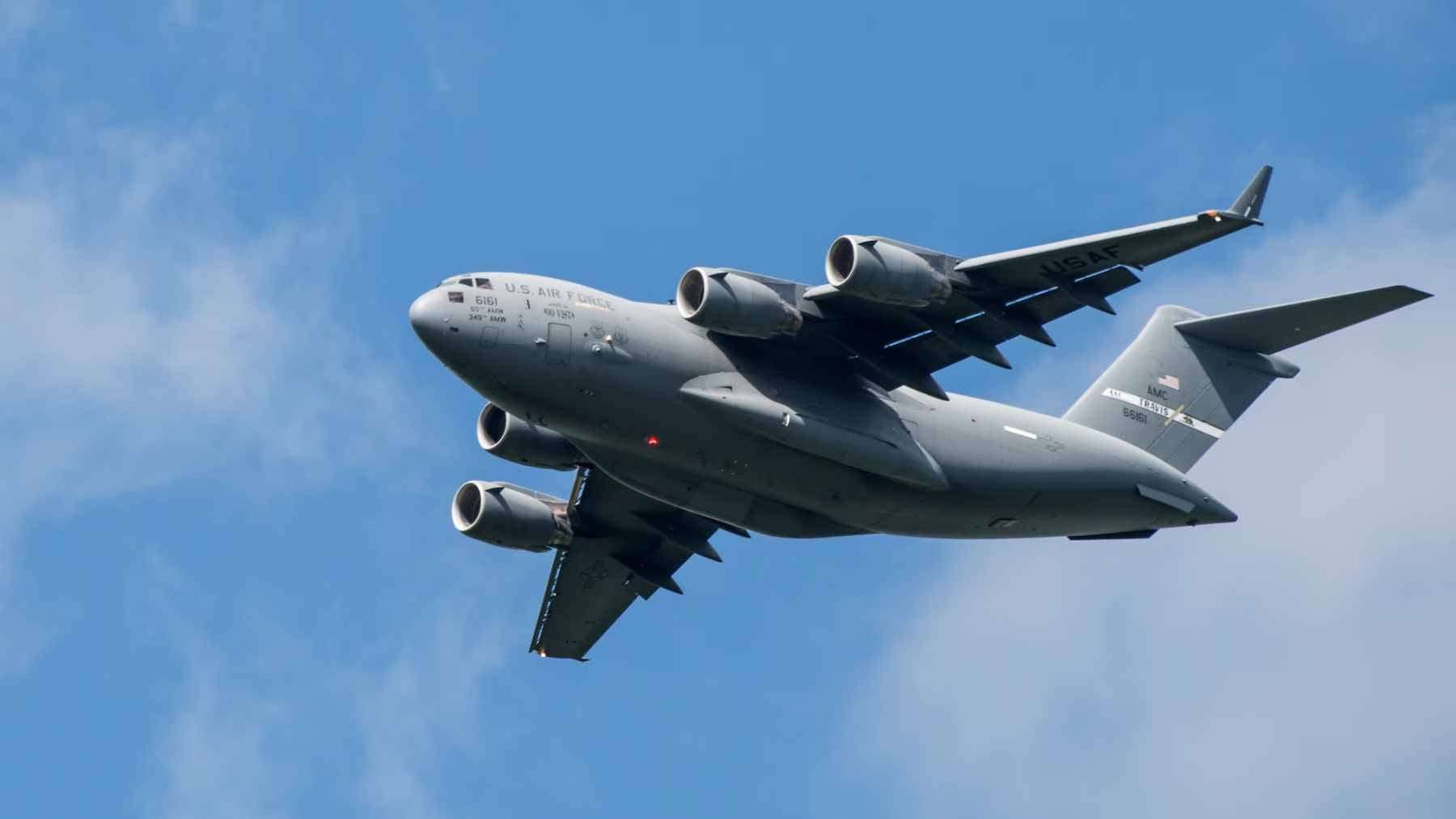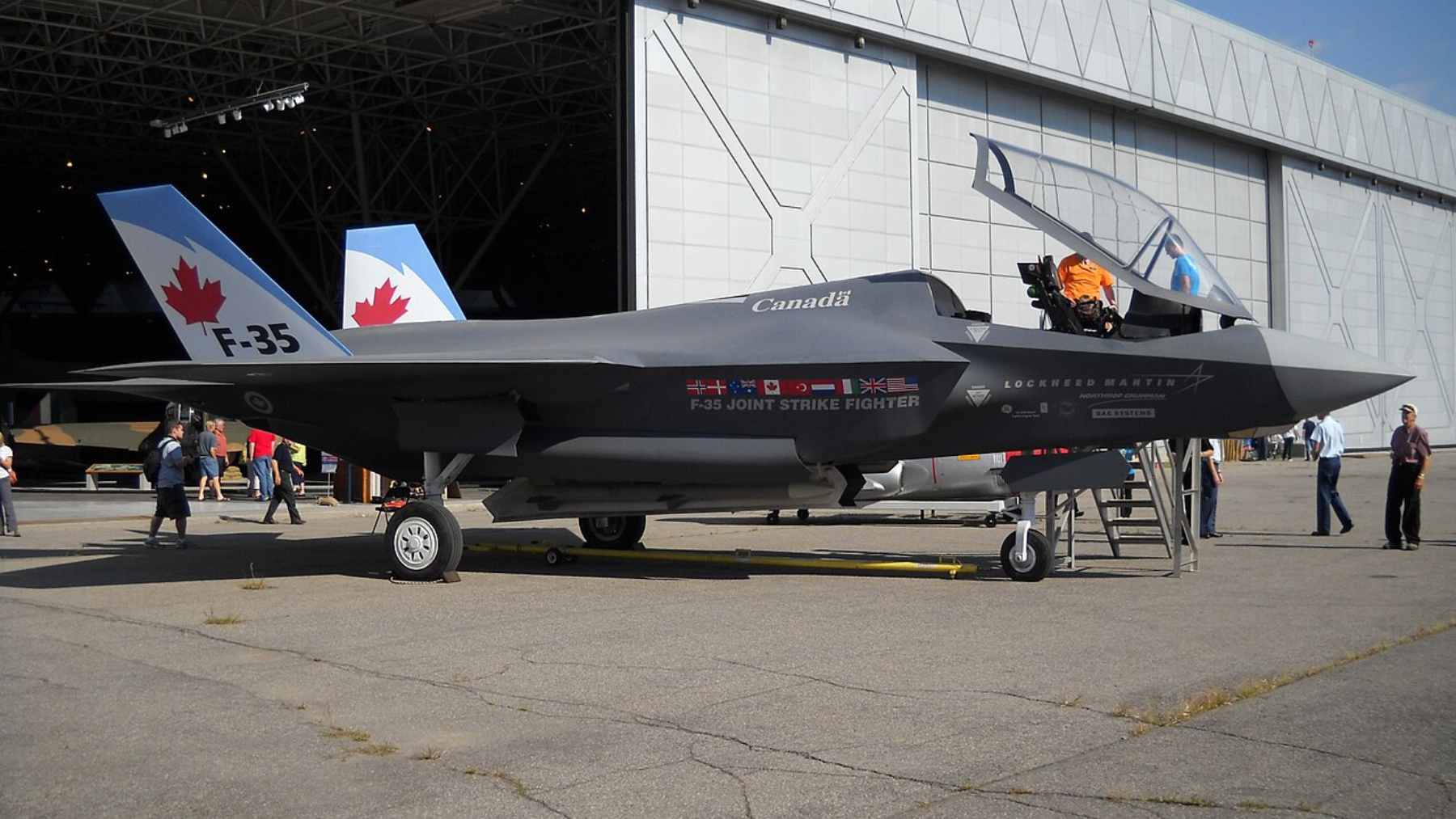
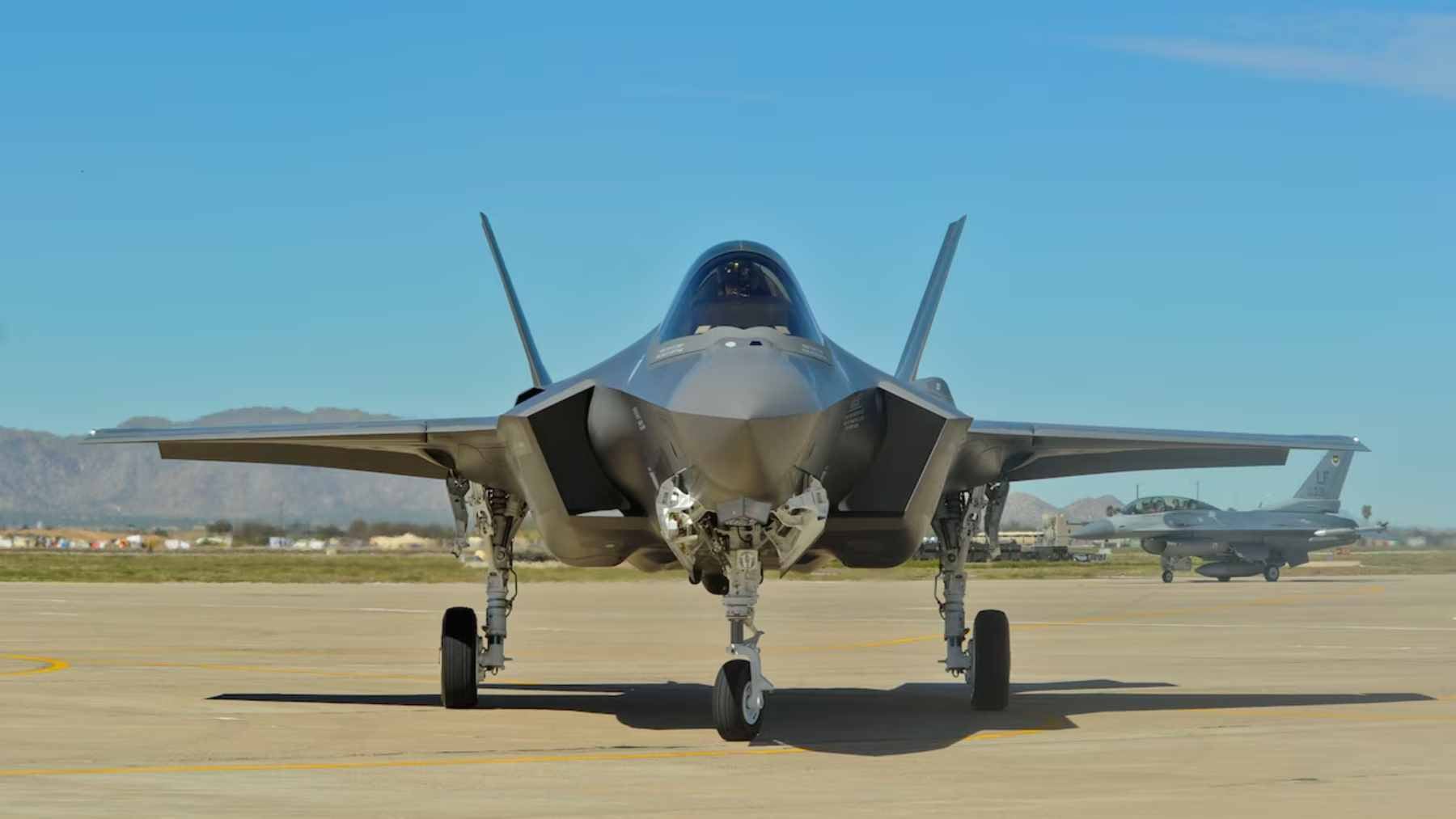
Canada is still reviewing its plan to buy 88 Lockheed Martin F-35 fighter jets, and this time the debate is not only about air power. Defense Minister David McGuinty told a Senate defense committee that “the review of the purchase of the F-35s is continuing” and that aircraft from other countries remain “on the table.”
That leaves Ottawa facing a tough question. Can a country modernize its military, reduce dependence on one supplier, and still keep its climate promises within reach? The answer matters because Canada’s own figures show that aircraft account for most of the Department of National Defence’s national safety and security fleet emissions.
Why Ottawa is hesitating
Canada confirmed in January 2023 that it would procure the F-35A as part of a major replacement for its aging CF-18 fleet. The government’s official project page says the plan includes 88 advanced fighter aircraft, with the first aircraft expected at Luke Air Force Base in 2026 and the first arrival in Canada planned for 2028.
But the price tag has become harder to ignore. The Office of the Auditor General said the project’s cost estimate rose from $19.0 billion Canadian (USD$14 billion) in 2022 to $27.7 billion Canadian (USD$20 billion) in 2024, almost 50% higher than first expected.
It also warned that at least $5.5 billion Canadian (USD$4 billion) more would be needed for full operational capability.
The Gripen question
The main alternative now being discussed is Sweden’s Gripen, made by Saab. Reuters reported that Canada could split the fleet, buying fewer F-35s while adding some Gripen jets, although Ottawa has already made a legal funding commitment for the first 16 F-35 aircraft.
On paper, the F-35 still has a powerful case. Internal evaluation data reported by AeroTime, based on Radio-Canada documents, said the F-35 scored 57.1 out of 60 points while the Gripen E scored 19.8. That does not settle the politics, but it shows why military officials may see the American jet as the stronger combat platform.
The carbon question
Here is where the story gets bigger than one aircraft. In fiscal year 2024 to 2025, Canada’s national safety and security fleet emitted 840 kilotons of carbon dioxide equivalent, according to the federal emissions inventory. National Defence accounted for 574 kilotons, and 80% of that came from aircraft.
That does not mean fighter jets can simply be replaced with clean aircraft, at least not with today’s technology. But in practical terms, every long-term defense purchase also locks in decades of fuel use, maintenance needs, infrastructure, noise, and supply chain impacts.
The Department of National Defence says it supports a net-zero target for national safety and security fleet operations by 2050, while noting that progress depends on availability, affordability, compatibility, and operational feasibility–a lot of caveats.
Still, it is the kind of tension that shows up in everyday life, too, when people want lower emissions but also need reliable transportation, even when the electric bill and fuel costs are already biting.
Environmental concerns are already official
The climate debate is not just coming from outside critics. An official environmental petition record filed with the Office of the Auditor General raised questions about the F-35 fleet’s carbon emissions, mining needs, firefighting foam, possible soil and water contamination, noise, and effects on Arctic operations.
The important word here is “questions.” The petition record does not prove every concern will happen in Canada. But it does show that environmental scrutiny has become part of the fighter jet debate, and not as an afterthought.
A future fighter door opens
McGuinty has also confirmed that Canada is looking into possible observer status in the Global Combat Air Programme, the sixth-generation fighter effort led by the United Kingdom, Japan, and Italy. The Canadian Press reported that no final decision has been made on that step, either.
That program is aimed at delivering a next-generation fighter aircraft by 2035, according to a UK government joint statement. For Canada, that could be a way to diversify partnerships. The catch is simple: it would not solve the near-term problem of replacing the CF-18 fleet.
What Canada must decide
At the end of the day, Canada’s fighter review is a balancing act. The F-35 offers stealth, interoperability with the United States, and a strong evaluation record. The Gripen offers a non-U.S. option and potentially more industrial flexibility. Neither choice is climate-free.
So, what should readers keep in mind? The final decision will shape Canada’s air defense for decades, but it will also shape military emissions, infrastructure spending, and the environmental footprint of bases and training routes. That is why this is no longer just a defense procurement story.
The official environmental petition record was published on the Office of the Auditor General of Canada.