Russia says it will stop transporting Kazakh crude to Germany through the Druzhba pipeline starting May 1, 2026, citing what Deputy Prime Minister Alexander Novak called current “technical possibilities.”
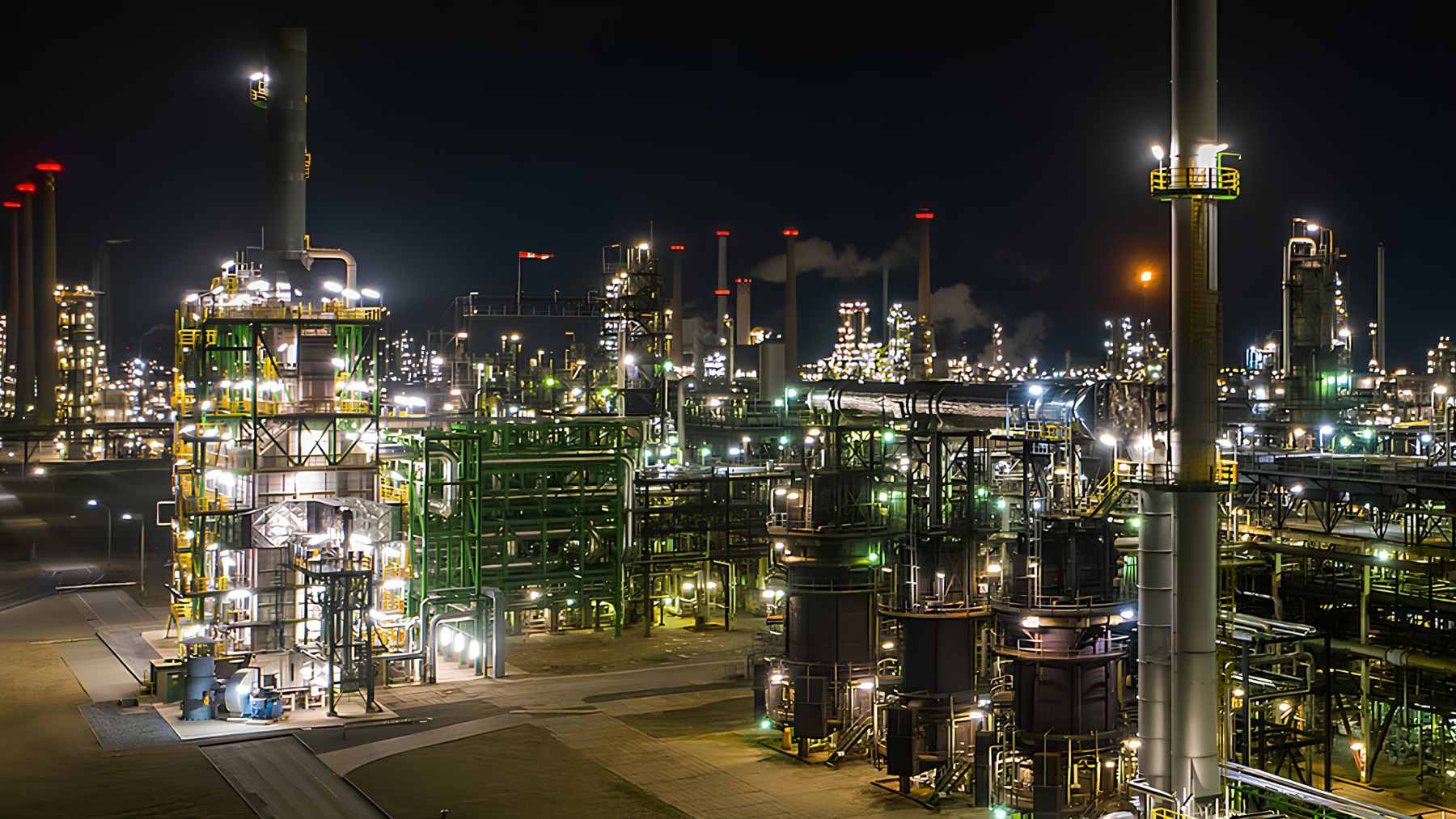
The immediate pressure point is the PCK refinery in Schwedt, a key supplier of fuel for Berlin and the surrounding region.
Germany’s government says national supply security is not at risk, and alternative routes are being lined up. Still, this is a reminder that Europe’s environmental targets are tangled up with very real, very physical infrastructure that can break, be disrupted, or become a bargaining chip.
A transit stop that starts May 1
According to Reuters, Russia will divert volumes that previously moved through Druzhba toward other logistics routes from May 1, and Novak has framed the change as a technical constraint rather than a policy decision.
The impact is not trivial, since Kazakhstan shipped about 2.36 million tons to Germany via Druzhba in 2025 and another 800,000 tons in the first quarter of 2026.
Kazakhstan’s Energy Minister Yerlan Akkenzhenov has also said that May transit via the Atyrau Samara route toward Druzhba and onward to Schwedt is “zero,” while stressing that he had no formal confirmation from Moscow at the time and was relying on unofficial information.
He suggested the disruption could be tied to recent strikes on Russian infrastructure, and said flows could resume once technical viability is restored.
Schwedt is a regional lifeline
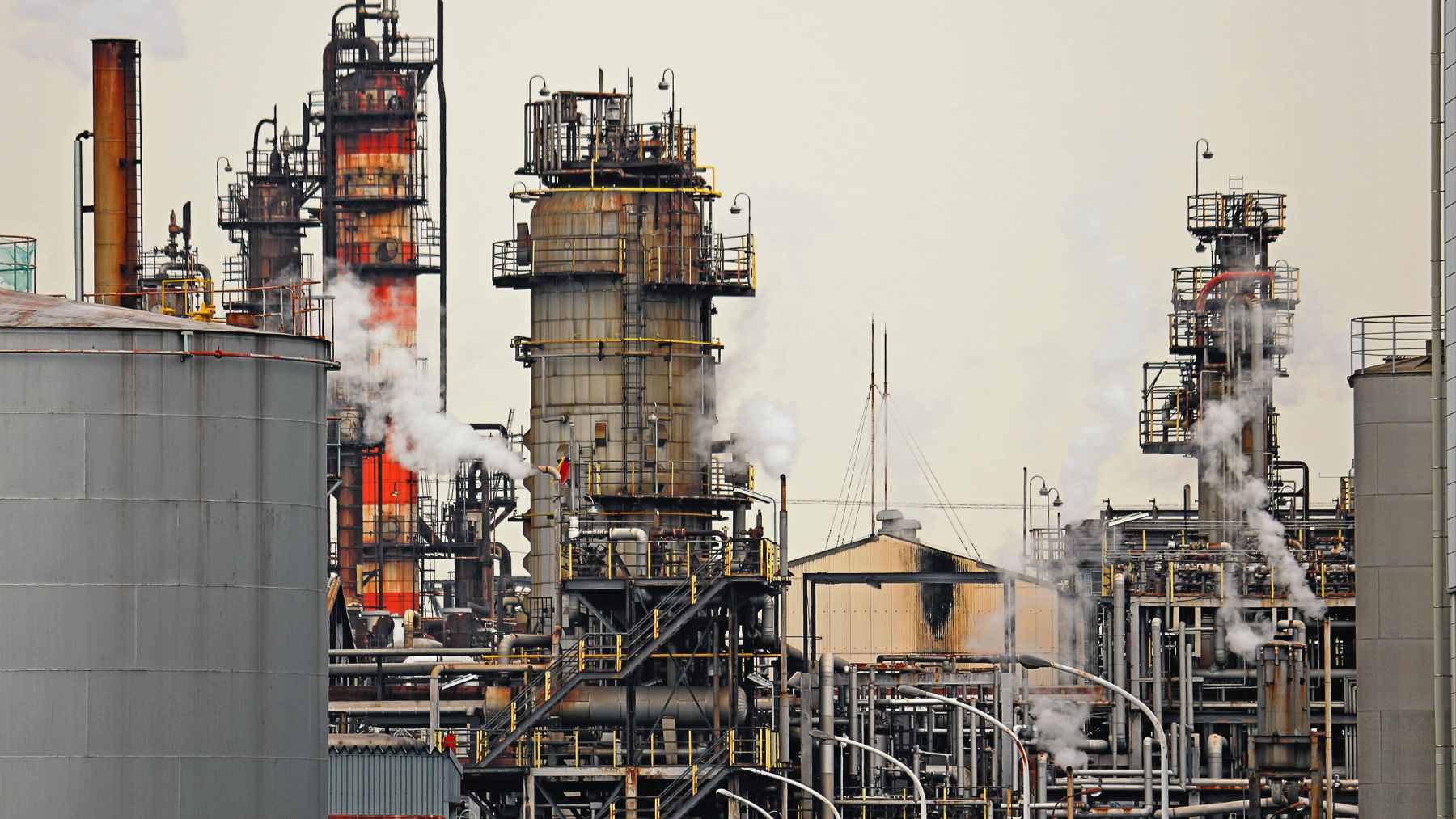
PCK Schwedt matters because it processes up to about 13 million tons of crude per year and supplies most of Berlin’s fuel needs, which is why even a partial cut draws attention fast. Reuters reported that Kazakhstan accounted for around 17% of the refinery’s crude supply, so a prolonged gap forces quick logistics and commercial decisions.
There is also a political backstory that keeps the refinery in the headlines. After Russia’s 2022 invasion of Ukraine, Germany took control of the Schwedt refinery from its majority owner Rosneft, even though Rosneft still holds a large legal stake, according to Reuters.
That ownership structure complicates everything from long-term investment plans to how comfortable partners feel about routing crude through the region.
Why this is also an environmental story
When pipeline routes fail, barrels do not magically disappear, they detour. Germany has pointed to alternative delivery options through ports such as Gdansk or Rostock, which can keep refineries running but can also increase tanker traffic and shift pollution burdens toward coastal logistics hubs.
There’s a bigger irony here that is easy to miss in the oil and politics chatter. The EU has a legally binding target of net-zero greenhouse gas emissions by 2050, and Germany has set a goal of greenhouse gas neutrality by 2045, yet the day-to-day economy still depends on refineries feeding the fuel system that powers commutes, deliveries, and long highway drives.
And yes, the main climate damage from oil comes when it is burned, not when it is transported. But detours can still matter at the margins, especially if they lead to more complex supply chains, more handling steps, and more local air pollution around ports, depots, and transport corridors where people live and work.
A security problem with ecological fallout
Akkenzhenov’s suggestion that recent strikes could be part of the story points to a hard truth about modern energy.
Oil infrastructure sits at the intersection of economics and conflict, and drone attacks or sabotage threats do not just raise security costs, they can also raise environmental risks if equipment is damaged or emergency shutdowns trigger leaks, fires, or unplanned flaring.
Reuters also reported that another part of the Druzhba system was damaged by a drone strike and was expected to resume operations, underscoring how quickly physical disruptions can ripple across borders.
It is the kind of vulnerability that makes “energy independence” sound less like a slogan and more like basic risk management, especially when the spillover can include soil and water contamination.
The tech and policy moves that matter next
In practical terms, the short-term fix is logistics. Reuters reported that Germany is exploring alternative routes, and Poland’s pipeline operator PERN has said it is ready to route oil through Gdansk if needed, which is the kind of regional coordination that keeps fuel from disappearing at the pump.
But the medium-term story is technology and resilience. Better leak detection, satellite monitoring, hardened control systems, and stronger cybersecurity for industrial networks will not make oil “green,” yet they can reduce the chance that the next disruption becomes an environmental incident as well as a supply headache.
At the end of the day, this episode is a snapshot of Europe’s awkward in-between era. Leaders can talk about climate neutrality, and households can hope for lower electric bills and cleaner air, but as long as roads are packed with gasoline and diesel vehicles, a single pipeline decision can still echo through markets, security planning, and local pollution.
The official statement was published on Qazinform News Agency.