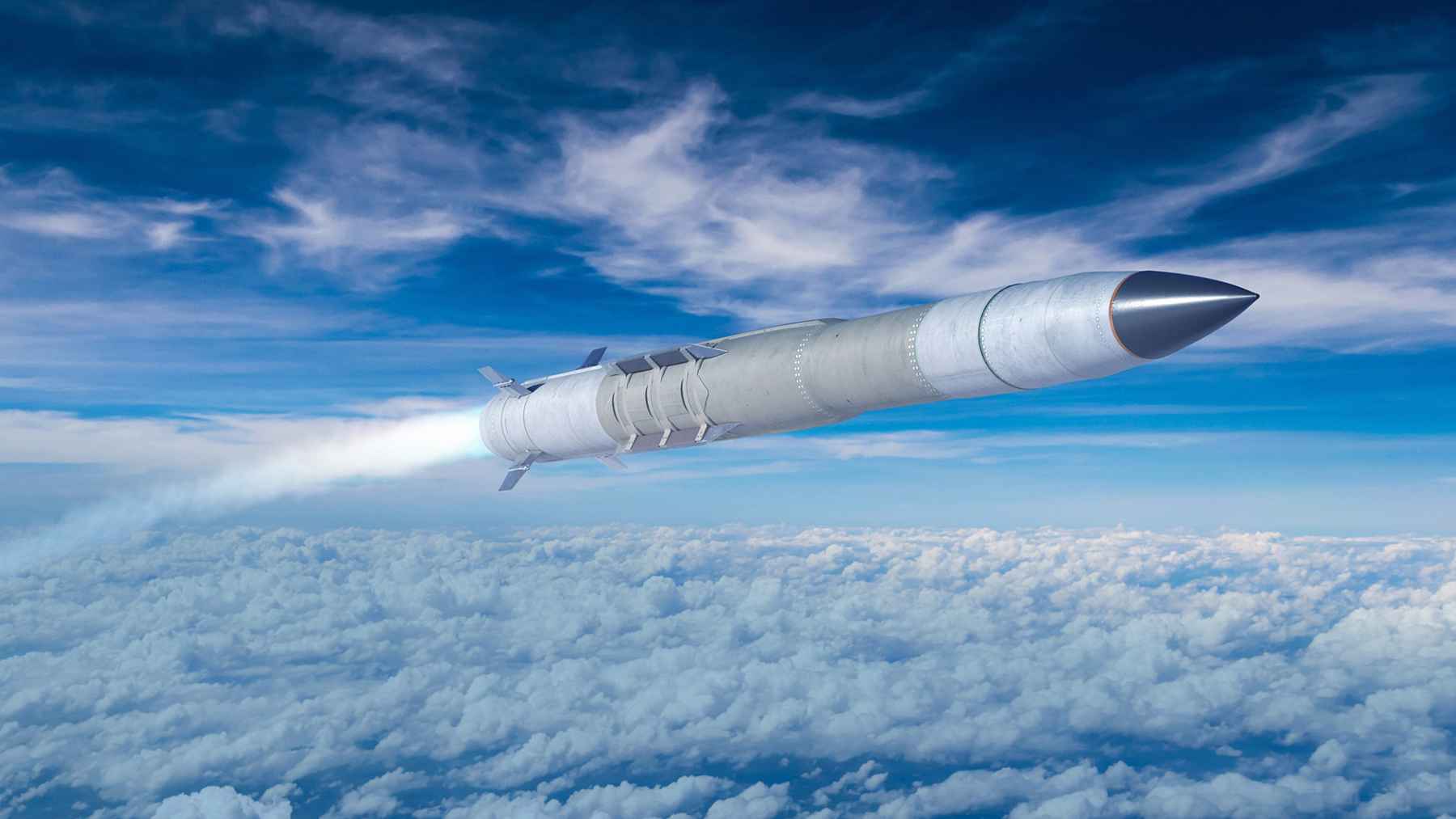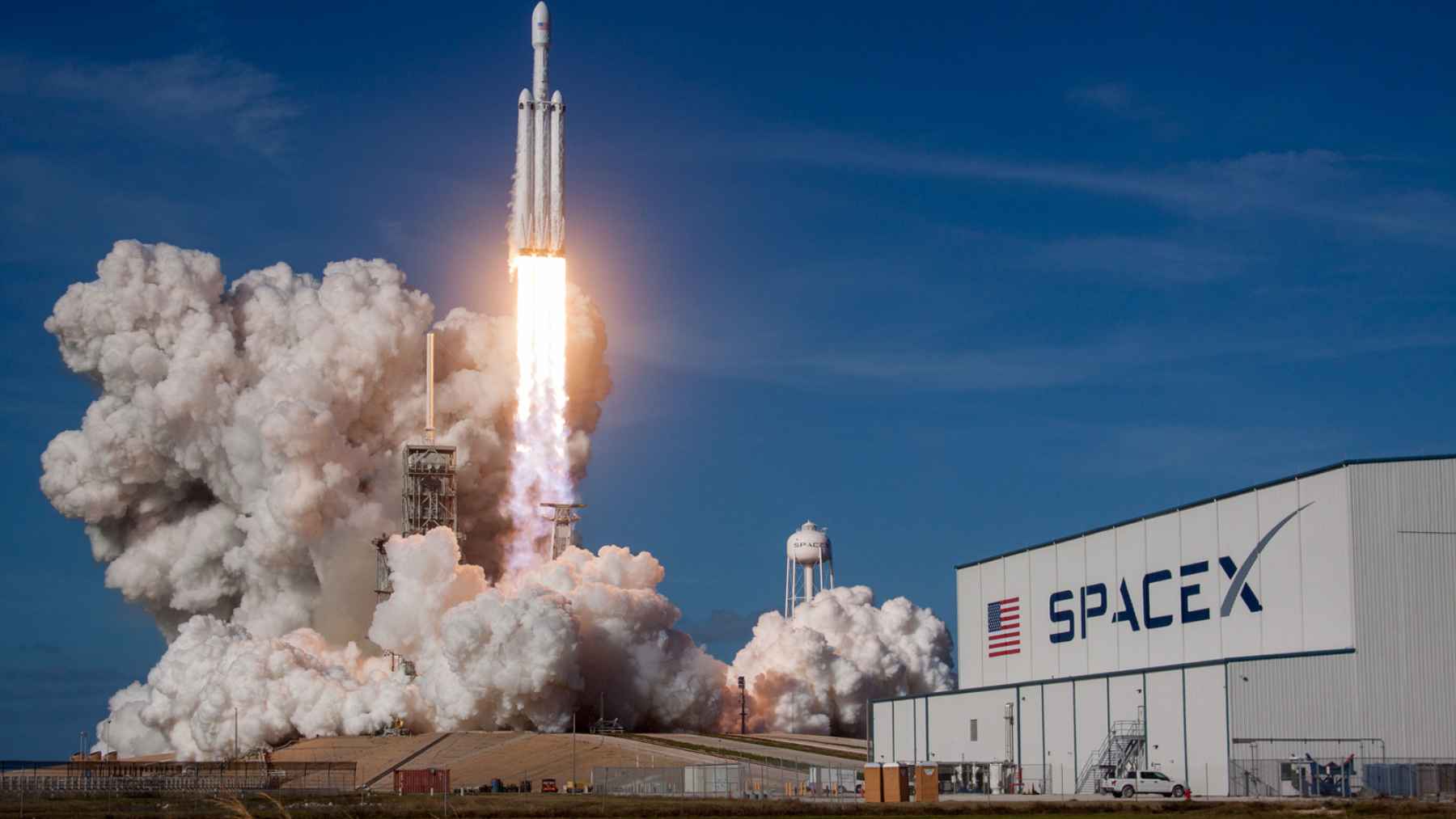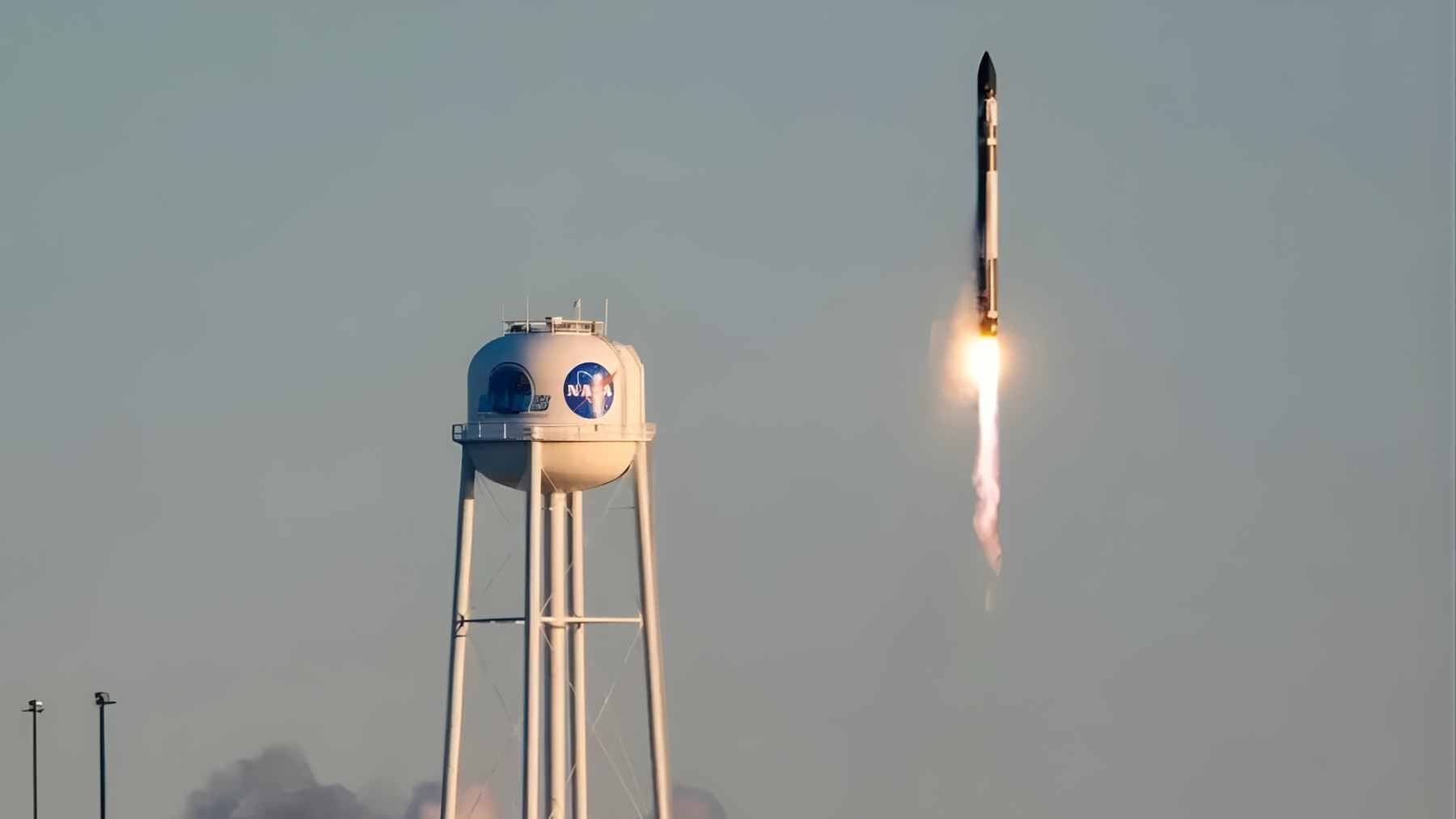
The U.S. Department of Defense is paying Rocket Lab $190 million for a block buy of 20 hypersonic test launches using HASTE, a rocket that flies suborbital missions at Mach 5-plus speeds.
Rocket Lab says the first launches could happen within months, locking in a four year test cadence that looks a lot more like a commercial schedule than a one-off military trial.
That is the headline for defense and business. The quieter story is environmental, because these vehicles run through the upper atmosphere where the ozone layer protects life on Earth and where certain pollutants can linger longer than people might expect.
What the Pentagon bought
Rocket Lab announced on March 18, 2026 that the 20 flights will support the Test Resource Management Center’s MACH TB 2.0 program, run with Naval Surface Warfare Center Crane. The company says it is its largest launch agreement so far, lifting its backlog to more than 70 launches and more than $2 billion across launch and space systems.
HASTE is a suborbital testbed derived from Electron, built for rapid, repeatable flight testing rather than orbit.
Rocket Lab says it uses the same carbon composite structure and 3D printed Rutherford engines, can carry up to about 700 kilograms (1500 lbs.), and can release payloads at about 80 kilometers (50 miles) altitude and up from Launch Complex 2 at NASA’s Wallops Flight Facility.
Why hypersonic testing is accelerating
MACH TB was designed to fix a testing bottleneck by using modular hardware and multiple commercial launch providers instead of relying only on scarce traditional missile test assets.
In 2022, Leidos owned Dynetics said NSWC Crane awarded it the MACH TB contract to expand hypersonic flight testing and to build an experimental glide body that can be used across Navy, Army, Air Force, and Missile Defense Agency efforts.
The Defense Innovation Unit is pushing in the same direction with its HyCAT effort.
In an official update on a February 27, 2026 mission called “Cassowary Vex,” DIU said the Department is advancing 70 hypersonic programs and needs low-cost, high-cadence testing, and it described a successful HASTE launch that supported sustained, maneuverable air breathing cruise above Mach 5.
Speed has an atmospheric footprint
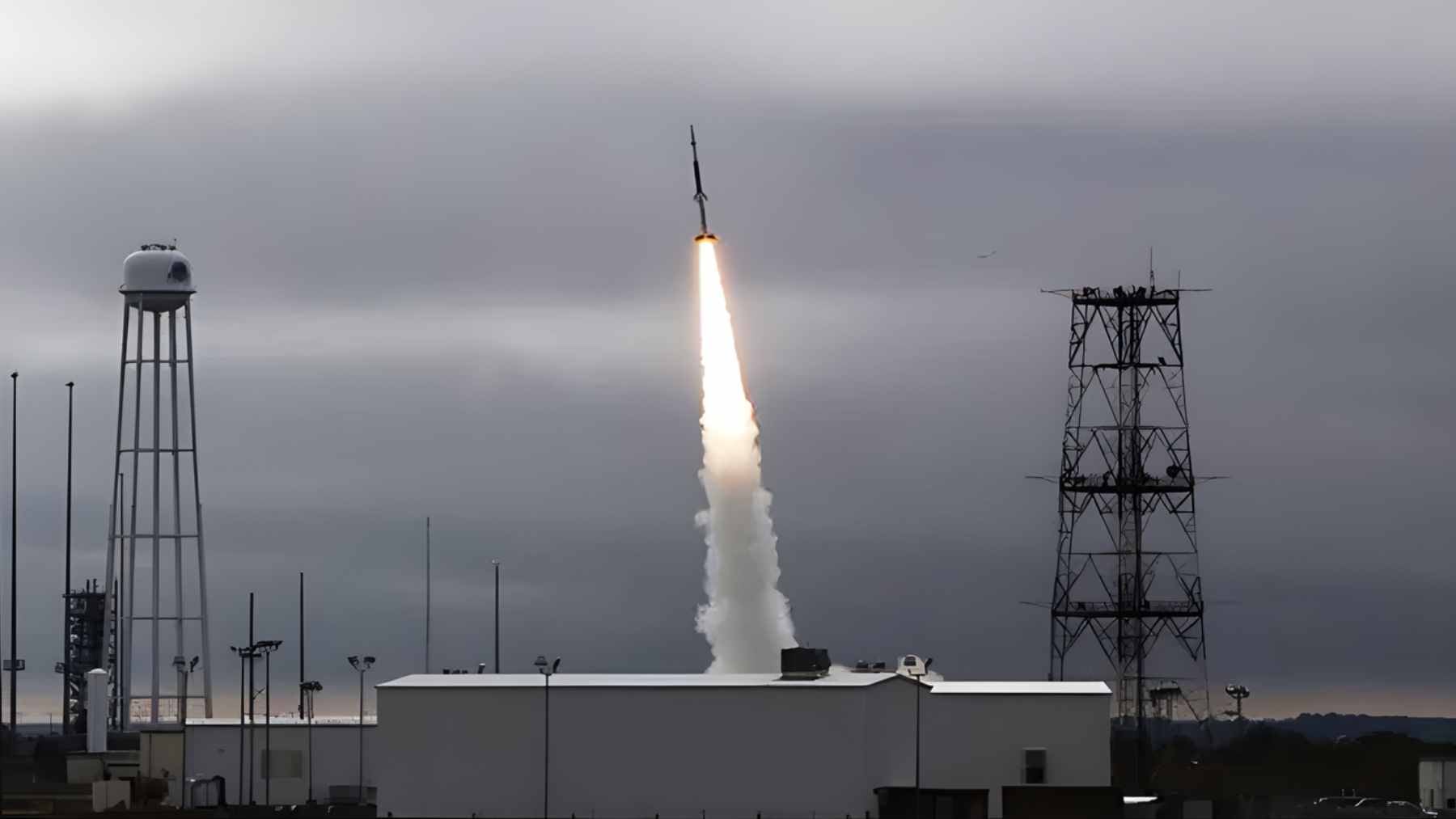
So what does a Mach 5 test flight have to do with ecology? A lot, because rocket plumes cut through the stratosphere, the same band of air where most ozone sits and where particles can remain aloft for years.
The Aerospace Corporation has warned that soot and alumina particles from rockets can contribute to ozone loss, even if it estimates today’s global depletion from rocket engine particle emissions is under about 0.1%.
The worry is what happens when “today” becomes “every day.” A 2025 open access paper in npj Climate and Atmospheric Science modeled growth scenarios and found near global ozone depletion of about 0.17% to 0.29% by 2030, with Antarctic springtime ozone down as much as 3.9% in its higher growth case.
The authors also noted current licensing rates suggest even their conservative scenario may be exceeded before 2030.
NASA’s own researchers point to a bigger data gap that sits behind all these numbers. A 2024 NASA technical memorandum notes that launch and reentry mass fluxes have recently been doubling about every three years and could grow by at least an order of magnitude by 2040, while warning that very little is known about some future propellants and that emissions impacts are still hard to assess with confidence.
The business case and the ESG catch-up
For Rocket Lab, this contract is a clear commercial win in a defense market that wants speed and reliability. The company says the MACH TB 2.0 block buy comes as it sold 28 new launches in the first quarter of 2026, nearly matching the number it sold in all of 2025.
But environmental accounting is still catching up to launch cadence.
An open access 2024 paper in Scientific Data produced a global 3D inventory of pollution and CO2 from launches and reentries in 2020 to 2022, and it found megaconstellation missions already made up roughly 37% to 41% of black carbon, carbon monoxide, and CO2 emissions by 2022 while noting space related CO2 is far smaller than most industries.
Cleaner tech is not a free pass
Hypersonic testing is also becoming a proving ground for cleaner propulsion ideas, at least on paper. DIU says its Cassowary Vex mission carried Hypersonix’s DART AE scramjet demonstrator, and Hypersonix says its hydrogen fueled SPARTAN scramjet produces water vapor exhaust and no CO2 during flight.
Still, “no CO2” at the scramjet does not mean “no impact” in the upper atmosphere, and the booster that puts a vehicle into hypersonic conditions still burns a lot of propellant on the way up.
The press release was published on Rocket Lab.