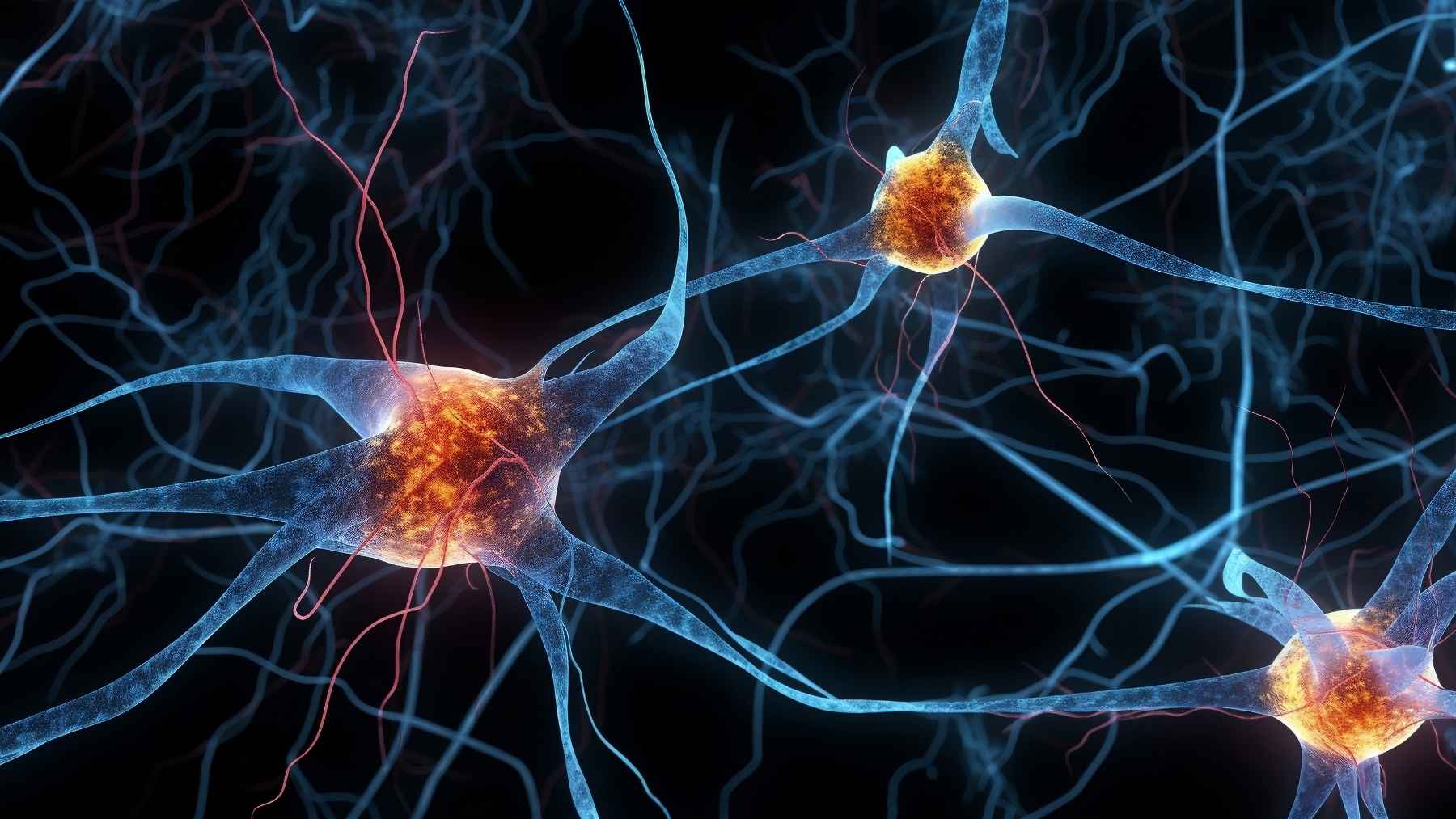
As people get older, it’s normal to notice changes in how quickly the brain processes information. Forgetting a name or taking longer to recall a word happens to most adults. Researchers emphasize that these shifts don’t mean cognitive decline is inevitable. One of the strongest protective factors is keeping the mind active, and everyday hobbies or games can play a big role.
The Mayo Clinic highlights that staying mentally engaged may help sustain memory and problem-solving abilities. Activities that challenge the brain appear to strengthen neural connections and reduce the impact of age-related changes. Here, we’ll cover why hobbies and games are so valuable for seniors and which activities are most effective in supporting long-term brain health.
Why hobbies and games are important for brain health in seniors
The brain, like muscles and bones, responds to use. Mentally stimulating tasks promote blood flow to the brain, support flexibility in thinking, and may delay the onset of dementia-related symptoms. Seniors who stay engaged in activities that require focus, planning, or learning often experience better cognitive function than those who remain passive.
Mental stimulation helps with memory retention, language skills, and decision-making. Playing games or practicing a hobby can also reduce stress, which indirectly protects the brain. High levels of chronic stress are linked to memory loss and impaired concentration, making relaxation through enjoyable activities an important piece of the puzzle.
Another benefit is social interaction. Many hobbies, from card games to group classes, bring people together. The Mayo Clinic points out that social engagement helps lower the risk of depression and isolation, both of which can accelerate cognitive decline. A hobby or game that combines mental effort with conversation or teamwork delivers double the advantage.
Examples of hobbies and games for seniors
For seniors wondering where to start, there are many options. The best activities for you will be the ones that feel like a natural part of daily life. Here are some choices:
- Puzzles and crosswords: These boost problem-solving skills, vocabulary, and memory recall.
- Card games and board games: From bridge to Scrabble, these encourage strategy, concentration, and often social connection.
- Music: Learning an instrument or even joining a singing group stimulates multiple areas of the brain at once.
- Reading and writing: Regular reading keeps the mind sharp, while journaling or creative writing supports language and memory.
- Arts and crafts: Painting, knitting, or woodworking enhance focus, coordination, and creativity.
- Learning new skills: Taking a new class, whether in cooking, photography, or technology, introduces novelty and challenges the brain to adapt.
- Physical-mind activities: Tai chi, yoga, and dance improve balance and coordination while also requiring attention and memory.
Incorporating these hobbies doesn’t require major changes. Even small amounts of time spent daily on mental challenges can add up. What matters most is consistency and variety.
Keeping the brain active is one of the most effective ways to support healthy aging. Games and hobbies provide stimulation, reduce stress, and encourage connection with others. Maintaining cognitive health is all about staying engaged, curious, and confident in daily life.