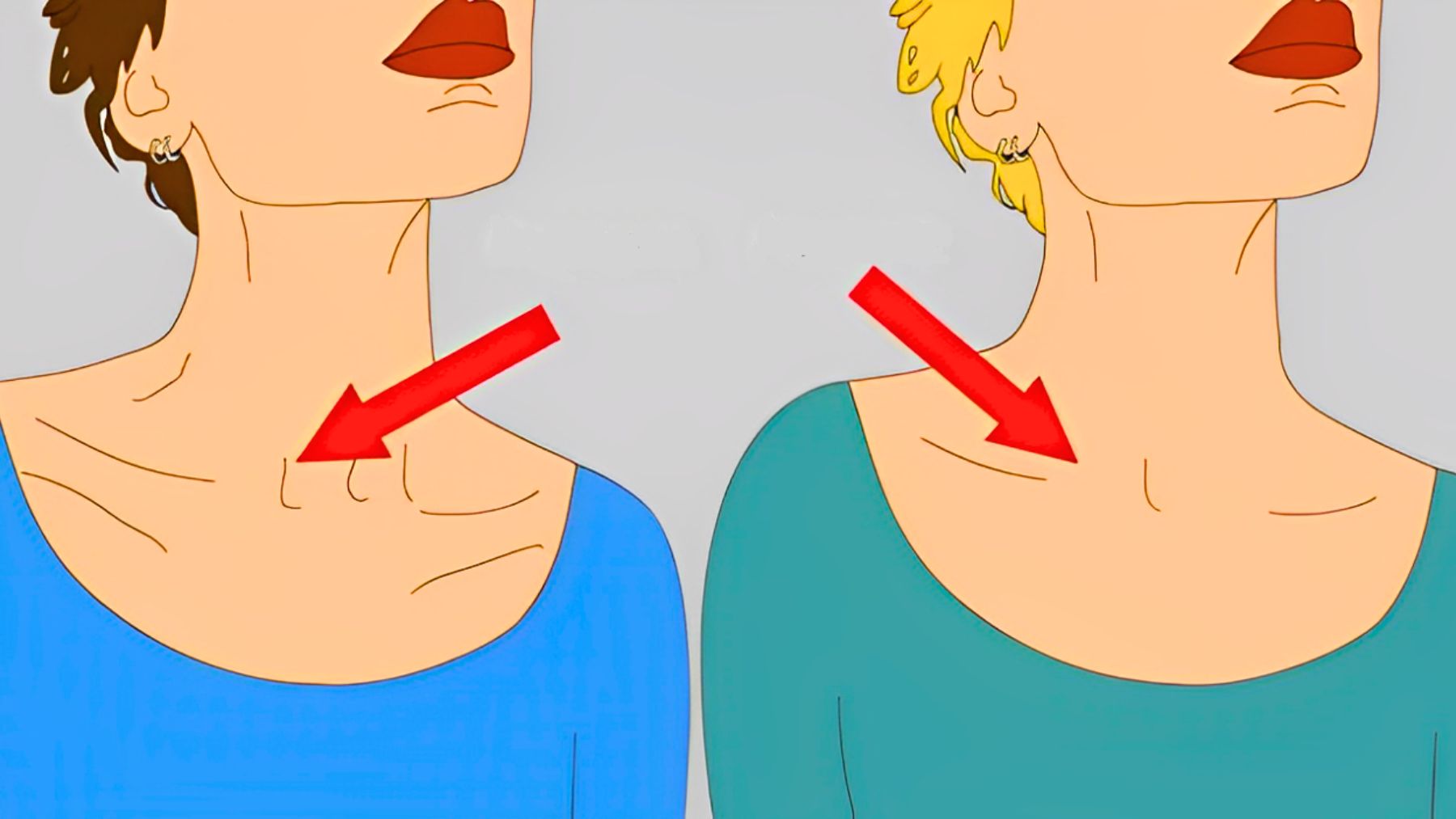
A new personality test claims that your body might hold clues to your inner self. The idea is simple: take a look at your collarbones and pick the shape in the image above that best matches yours. It might sound quirky, but it’s catching on fast across the web.
This test invites you to pause for a moment and see if your body might be giving you secret signals about your nature. But remember that there’s more fun than fact behind these quick assessments. Now, let’s get to the descriptions for each type.
Less-defined collarbones
If your collarbones are soft and not too prominent, this hints that you might be more open to dialogue. People with less-defined collarbones are seen as those who lean into conversation rather than confrontation. They tend to stand up for what they believe in and are willing to express their thoughts without shying away from a good debate.
You have a proactive mindset and an eagerness to engage with current issues. This reflects your willingness to voice your thoughts, participate in discussions, and connect with others, demonstrating an active and dynamic approach to communication.
It’s not about being loud or pushy but about having the confidence to defend your ideas while still valuing the perspectives of others. This collarbone shape might point to someone who balances self-assurance with a genuine interest in hearing different viewpoints. They can be a great mediator and often bring fresh ideas to the table.
Pronounced collarbones
On the flip side, if you notice that your collarbones are well-defined and striking, this suggests you might lean toward being more passive. While having a strong look can be a sign of calmness, it might also hint at a tendency to hold back in heated moments.
People with pronounced collarbones are often seen as those who keep their cool no matter what, but that calm can sometimes come off as a bit too reserved. Your demeanor is calm, and you remain composed and serene during chaos, but when conflict arises, you tend to shy away from confrontation, preferring to keep the peace even if it means not standing up for yourself.
This aversion to conflict can make you appear passive, though your inner resolve to stay composed in stressful situations is truly admirable. It doesn’t mean you lack passion or opinions but that you choose to observe and respond in your own measured way. You embody a quiet strength that is both understated and unwavering. This trait can be a double-edged sword: helpful in high-pressure situations but sometimes leading to missed opportunities to assert yourself.
At the end of the day, tests like these are all for fun. They play on our natural curiosity and offer a playful peek into our personalities. Whether your collarbones are less defined or pronounced, remember that no simple test can capture the full story of who you are. So, take it lightly, laugh a little, and enjoy the reading. After all, personality is a mix of many things.