Hatha yoga, vinyasa, ashtanga, bikram, kundalini or restorative yoga. There are so many kinds of yoga and so many poses. Either if you want to lose weight, keep yourself flexible or just be away from stress and anxiety, there can be a type of yoga for every person, every situation or even every mood you might have while you navigate your day in New York. It is all part of building for yourself a healthy routine in which you eat healthy, you exercise and stay away from unnecessary drama. Let’s explore on this article restorative yoga, why you can do it, when and which exercises can be good for you. As we prefer going to the point, we will leave what restorative yoga really is to the end, and we will start by suggesting a restorative yoga sequence. We just want to let you know, that if you are guessing, yes, restorative yoga is what it sounds: It is all about relaxation and rejuvenation, and yes there can be something like that in New York. One more thing key to understand what restorative yoga is really about: restorative yoga poses are held anywhere from 5 to 20 minutes. Usually can be from 10 to 14 minutes. All the poses will be familiar if you have done yoga at least once. You may use blankets, pillows or blocks to support yourself and modify positions.
Restorative yoga sequence
You can do many sequences: Bridge pose, Cat-Cow Pose, Easy Pose, Fish pose, Forward Fold Pose, Resting Pigeon Pose. Remember, restorative yoga is about holding your pose anywhere from 5 to 20 minutes. Here you have our suggestions. These are only suggestions, you can modify the positions, you can use blankets, pillows or blocks, or even chairs to support yourself. Yoga is about breathing and finding your center.
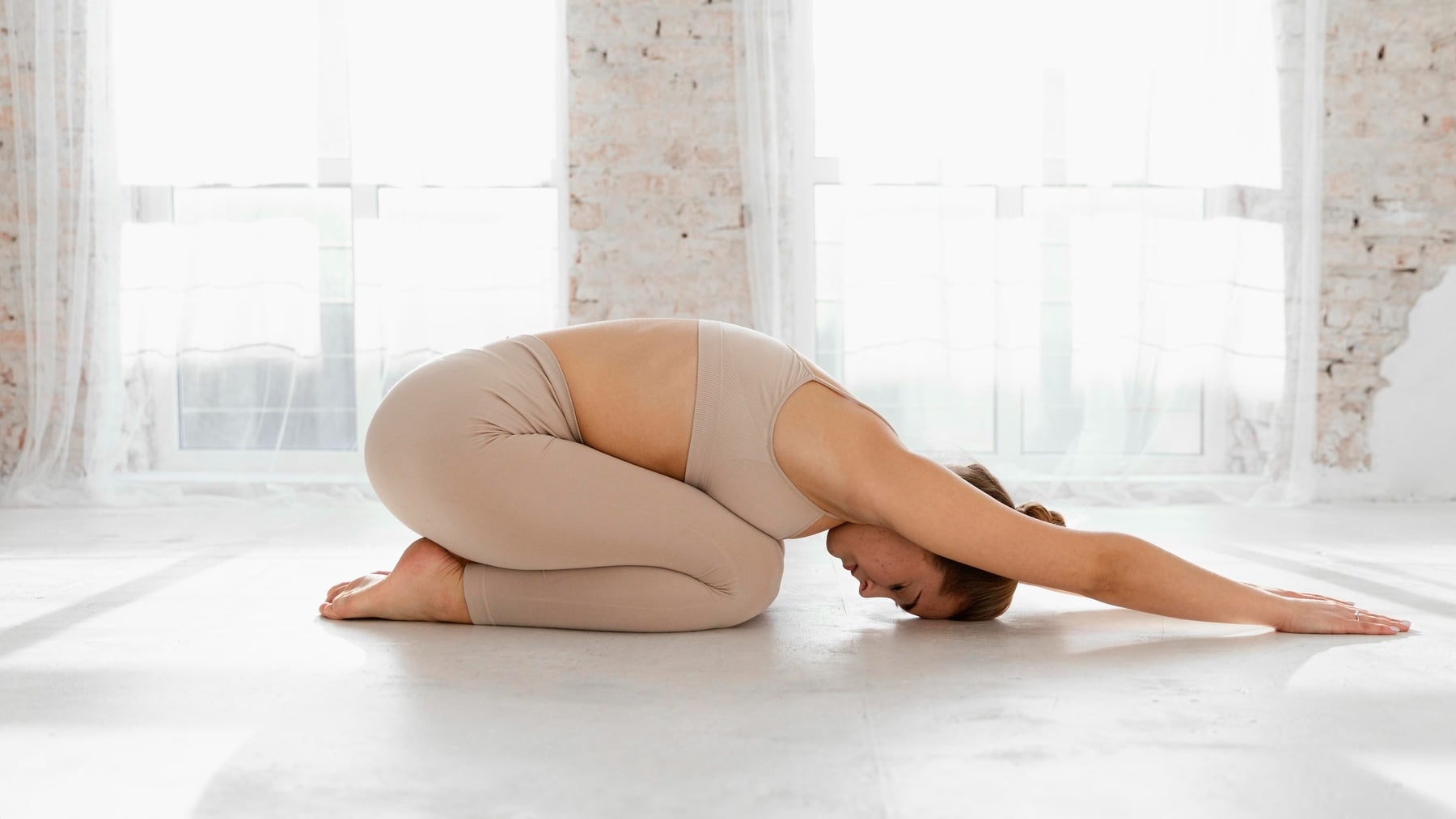
Balasana (Child Pose)
Sit back on your heels, stretch your arms out in front of you. Lower your forehead to the floor and relax. Remember: it is restorative yoga. So it is your choice of being there from 5 to 20 minutes.
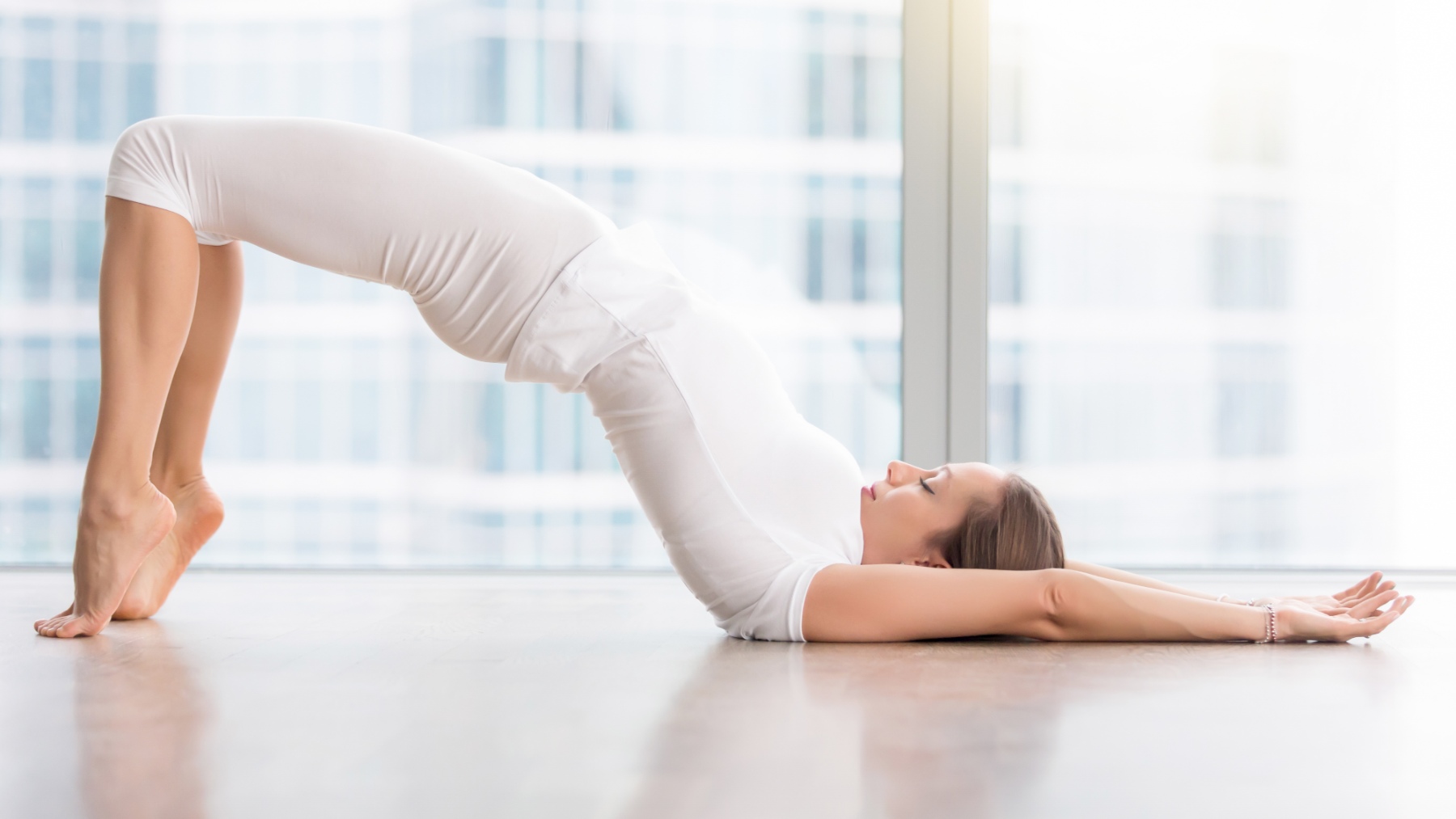
Setu Bandha Sarvangasana (Supported Bridge Pose)
Lie on the back. Bend your knees. Bring your heels closer to the buttocks. Feet, knees and ankles on a straight line. Lift the buttocks and hips up. Arch your back upward. Raise the lower, middle and upper back off the floor. Lift the chest.
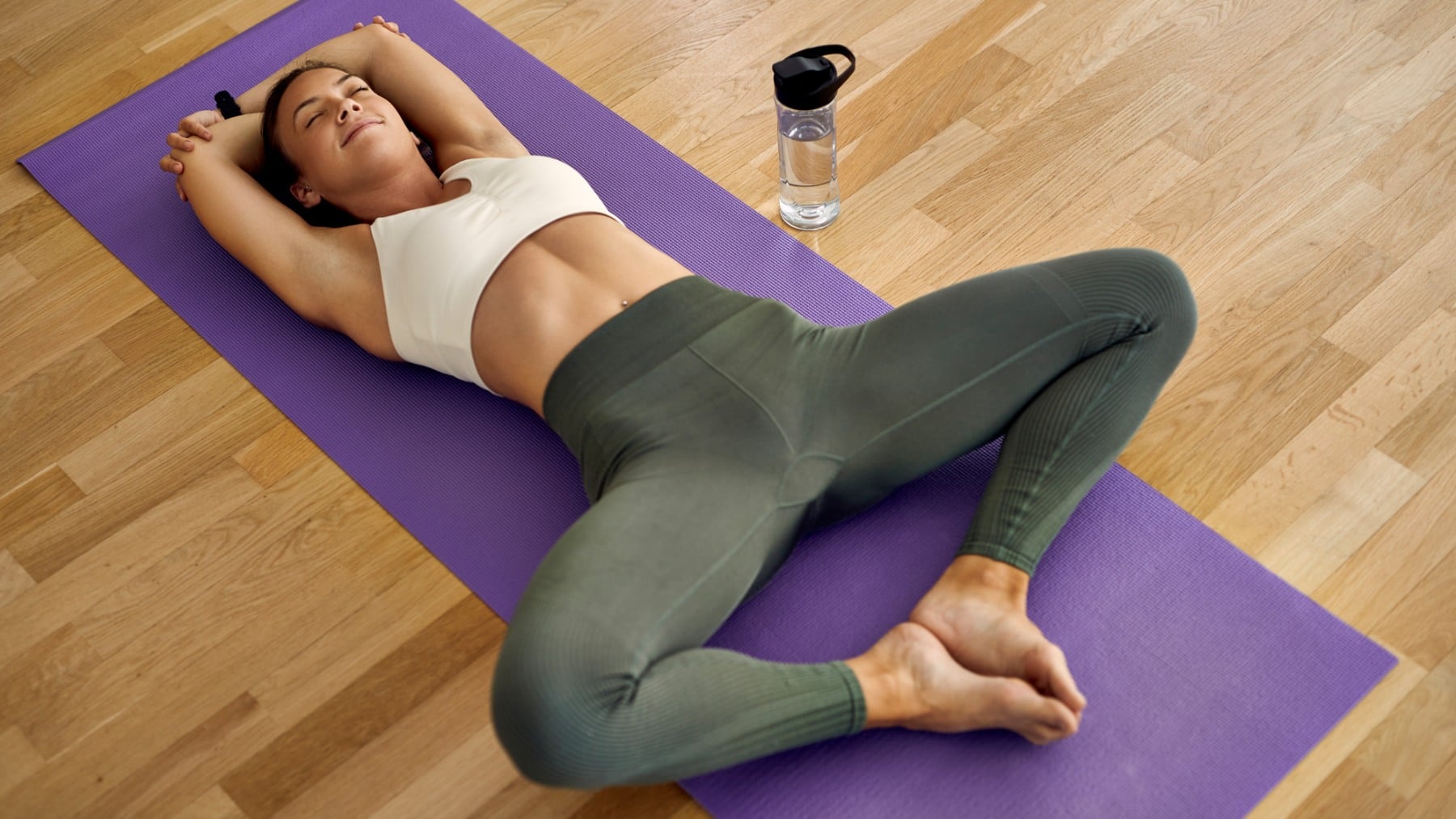
Reclining Bound Angle pose (Supta baddha konasana)
Begin seated with your legs extended in front of you. Bend your knees and draw your heels in toward your pelvis. Press the soles of your feet together and let your knees drop open to both sides. Bring your elbows to the floor. Lower your back to the floor.
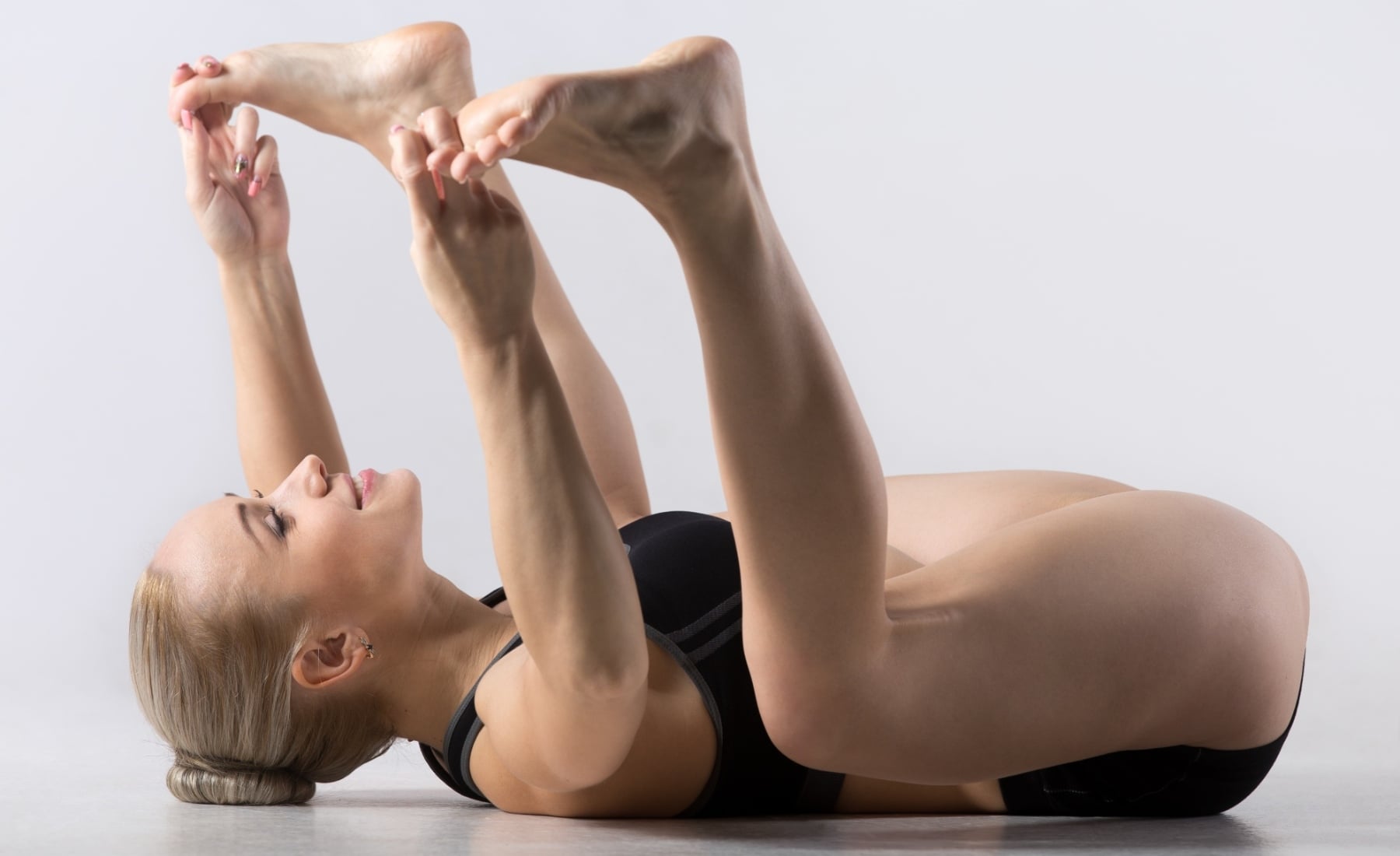
Ananda Balasana (Happy Baby Pose)
Lie on your back. Bend your knees toward your chest. Face the soles of your feet up toward the ceiling. Hold the inside or outside your feet. Spread your knees apart. Flex your heels into your hand and rock side-to-side. You can do variations if you feel comfortable as your body is your boss, and will tell how far you can go. This pose stretches the hips, hamstrings, and lower back pain. If you hold the pose for a long time it can help you calm the mind and reduce anxiety.
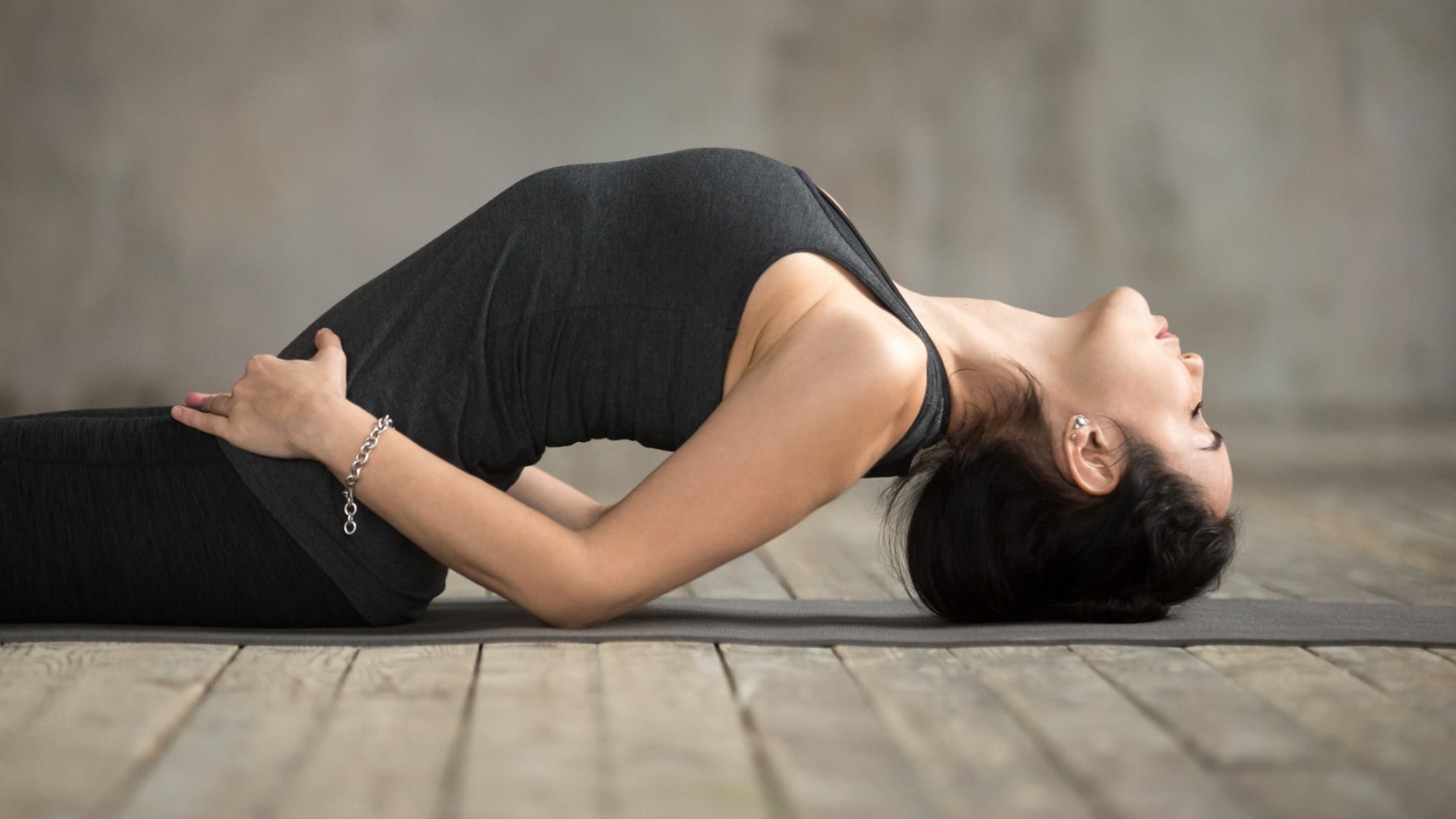
Matsyasana (Supported Fish Pose)
Lay on the floor with the knees bent and arms down to the sides. Your palms have to face down. Draw the shoulders towards the spine. Allow the sternum to rise. Continue the upward movement of the chest. Let the head tip back.
Restorative yoga exercises
There are many restorative exercises and variations on yoga poses. There are many possibilities to use blankets, bolsters, blocks or straps. The first restorative yoga pose that can come to your mind can be child’s pose. It is the classic yoga pose. It can be performed with a couple of blankets placed between the inner thighs to elevate and support your torso, and you can prepare for a big relaxation.
Restorative yoga for beginners
Restorative yoga can be high recommended for beginners as it is gentle yoga. It allows the body to relax fully. Here you have some restorative yoga poses that are suitable for beginners: Child’s Pose (Balasana) or Reclining Bound Angle pose (Supta baddha konasana).
What is restorative yoga?
Restorative yoga is a practice of deep relaxation. It emphasizes the meditative aspect of yoga. Through the use of props for support (blocks, blankets, and bolsters), most poses are very easy. You just have to breathe.