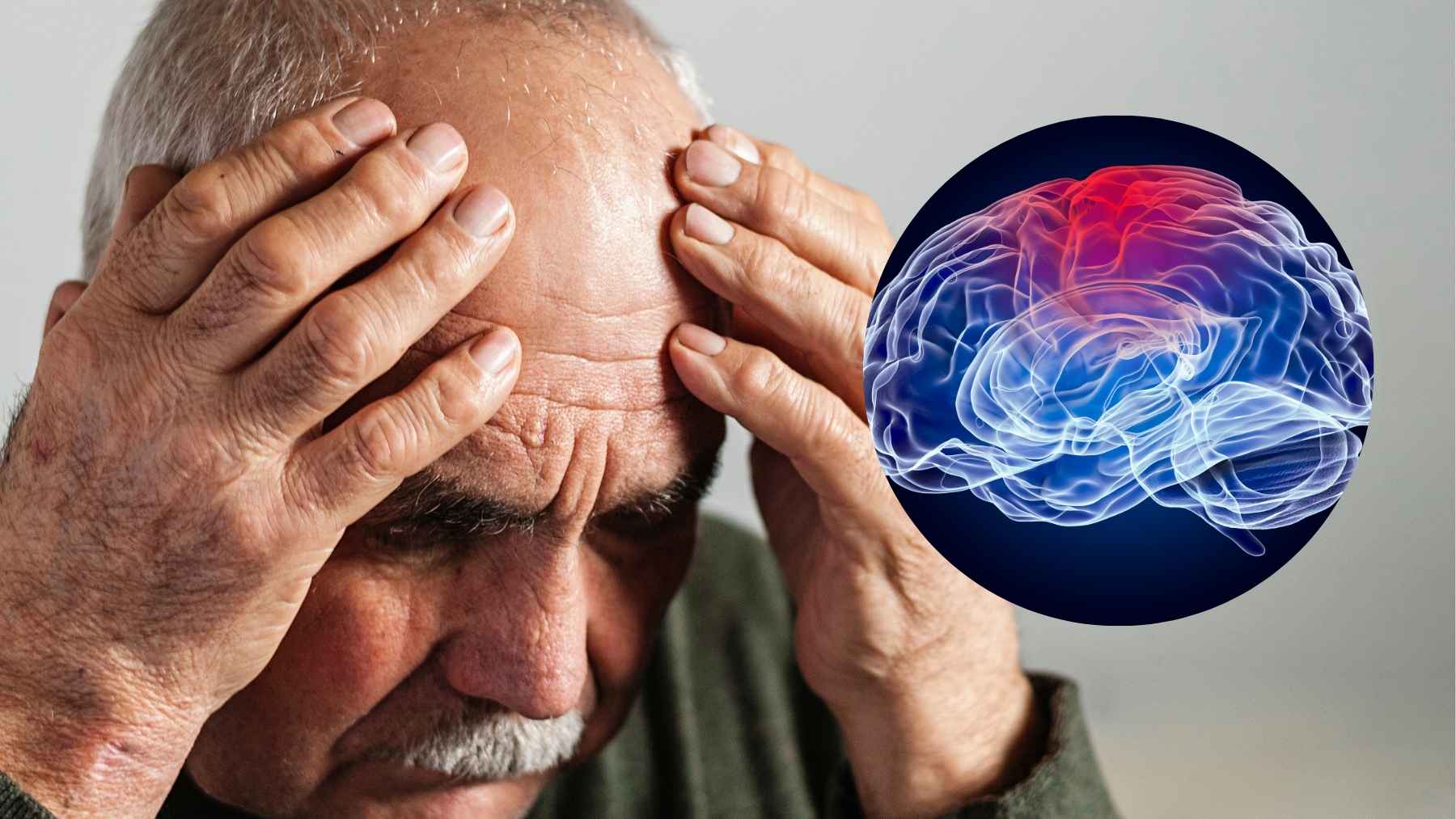
Alcoholism is a chronic disease that affects both the physical and mental health of those who suffer from it. The early symptoms that may indicate the onset of this disorder are not always obvious and often go unnoticed. However, there are key signs that may be indicative that a person is developing alcohol dependence. Frequent and heavy drinking, even if addiction has not yet been reached, can begin to lead to behavioral changes. These changes include an increased tolerance to alcohol, which means the person needs to drink more to get the same effect.
According to the Mayo Clinic, “Alcohol use disorder is a pattern of alcohol use that involves having trouble controlling your drinking, being preoccupied with alcohol, or continuing to use alcohol even when it causes problems. This disorder also involves the need to drink more to achieve the same effect or the presence of withdrawal symptoms when you cut down or stop drinking quickly. Alcohol use disorder includes a level of drinking that is often referred to as alcohol dependence. As dependence progresses, symptoms may become more noticeable. The person may experience intense cravings or find it difficult to control the amount consumed. There may also be episodes of memory loss related to heavy drinking, which may reflect a pattern of uncontrolled drinking. What are the early signs that might indicate that a person is beginning to suffer from alcoholism?
Early symptoms of alcoholism
Increased tolerance to alcohol
One of the first symptoms that someone may be developing alcoholism is an increased tolerance to alcohol. At first, a person may feel the effects of alcohol after drinking a moderate amount. However, over time, their body begins to adapt to regular consumption, and then they need to drink more to experience the same effect.
The Seville Addiction Treatment Center explains that “as tolerance increases in certain people, the need for consumption grows, which translates into a greater tendency to dependence, alcoholism, which causes damage to the liver, which is compromised in its ability to produce the enzymes responsible for breaking down alcohol”.

This increased tolerance is a clear indicator that the body is becoming accustomed to alcohol and may be becoming dependent on it to function “normally”.
Craving to drink
Another important symptom is the compulsive desire to drink, also known as craving. People who may be developing a first stage of alcoholism feel a constant need to consume alcohol, often even when it is not appropriate or was not planned.
This desire to drink can interfere with daily activities, such as work, school or personal relationships. Psychology graduate José Cleto explains that “all the speech we tell ourselves after the craving reinforces the craving and that leads us to consume. We should apply some cognitive-behavioral techniques to modify those indulgent thoughts and obtain an adequate management of craving”.
Changes in social behavior
People who begin to develop these phases within alcoholism often experience changes in their social behavior. As dependence increases, they may seek out situations where alcohol is more frequently available, such as social gatherings or parties.
It is also common for alcoholics to begin to isolate themselves from friends and family members who do not drink alcohol or who do not support their habit. A preference for being around people who drink to excess may also be an early sign of dependence, as the alcoholic seeks legitimacy and acceptance in his or her behavior.
Memory problems
Another early sign of alcoholism is episodes of temporary amnesia or “blackouts”. These events occur when a person consumes large amounts of alcohol and cannot remember what happened during the period of intoxication.
The National Institute on Alcohol Abuse and Alcoholism defines “alcohol-related blackouts as gaps in a person’s memory of events that occurred while intoxicated. These gaps occur when a person drinks enough alcohol to temporarily block the passage of memories from short-term memory to long-term memory. This is known as memory consolidation and happens in an area of the brain called the hippocampus.”
Over time, the person may experience these episodes more frequently, indicating that the amount of alcohol consumed is severely affecting the mind.
Withdrawal symptoms when not drinking
When a person becomes dependent on alcohol, he or she may experience withdrawal symptoms when not drinking. These symptoms include anxiety, irritability, tremors, excessive sweating and even nausea. They are recognized as withdrawal symptoms and are related to those already experienced by those with anxiety or other mint-related illnesses.
It should be noted that these symptoms are the body’s physical response to the lack of alcohol and reflect the degree of dependence that has developed. In their early stages, people may not recognize that these symptoms are related to alcohol withdrawal, but they are a clear sign that excessive consumption is having negative effects on the body.
Denial of the problem: alcoholism
Denial is one of the most common characteristics of people suffering from alcoholism. Although the symptoms may be obvious to friends and family, the affected person often minimizes the problem or justifies it.
The Elphis Rehabilitation Center in Madrid explains that “denial is a defense mechanism in the mind of the addict. When he feels that reality is too hard, violent and he is not able to assume it, denying what is happening is his way of avoiding it and not facing what is happening to him. They often deny their problem because they don’t want to feel vulnerable and are afraid to face it.”
They may deny that they have a problem with alcohol and reject any suggestion to change their behavior.