Does a high blood sugar result mean bread, pasta, and rice must disappear from the kitchen overnight? Endocrinologist Juan Ramón Romero says that is usually the wrong first move.
His central message is that glucose control depends not only on whether someone eats carbohydrates, but also on portions, food quality, physical activity, body composition, and how effectively the body uses insulin.
“The solution is not to remove rice, pasta, and bread from the diet,” the specialist says. Instead, he recommends combining them sensibly, prioritizing whole-grain versions, and improving the metabolic conditions that determine how the body handles glucose. That changes the question from “Which food should I ban?” to “How can I build meals and habits my body manages better?”
Carbohydrates are not the whole story
Carbohydrates are broken down into glucose, a major source of energy for the body. Insulin acts like a key, helping glucose move from the bloodstream into cells. When the body cannot make enough insulin or use it effectively, glucose can remain elevated even though the problem is broader than one bowl of rice or one slice of bread.
The endocrinologist uses endurance athletes to challenge the idea that carbohydrate foods automatically cause diabetes. “If that were the case, athletes such as cyclists would all have diabetes because they eat huge amounts of carbohydrates,” he says.
The example is deliberately simple, but it highlights how training, muscle activity, energy needs, and overall metabolic health change what happens after carbohydrates are eaten.

A doctor discusses blood sugar management as experts challenge the idea that bread, rice and pasta must be eliminated.
The metabolic context matters
By “metabolic context,” the specialist means the body’s capacity to manage glucose. A person with greater insulin sensitivity can move glucose into cells more efficiently, while insulin resistance makes that process harder.
The U.S. Centers for Disease Control and Prevention says physical activity improves insulin sensitivity, while balanced eating patterns that include whole grains, vegetables, fruit, and lean protein can support blood sugar management.
That is why an abnormal test should not automatically trigger a self-designed elimination diet. Persistently high glucose needs medical assessment because meal patterns, activity, body weight, medications, and the type of diabetes can change the right response.
People who use insulin or certain glucose-lowering drugs should be especially careful about sharply cutting carbohydrates, since treatment and food intake need to remain coordinated.
Whole grains and balanced plates
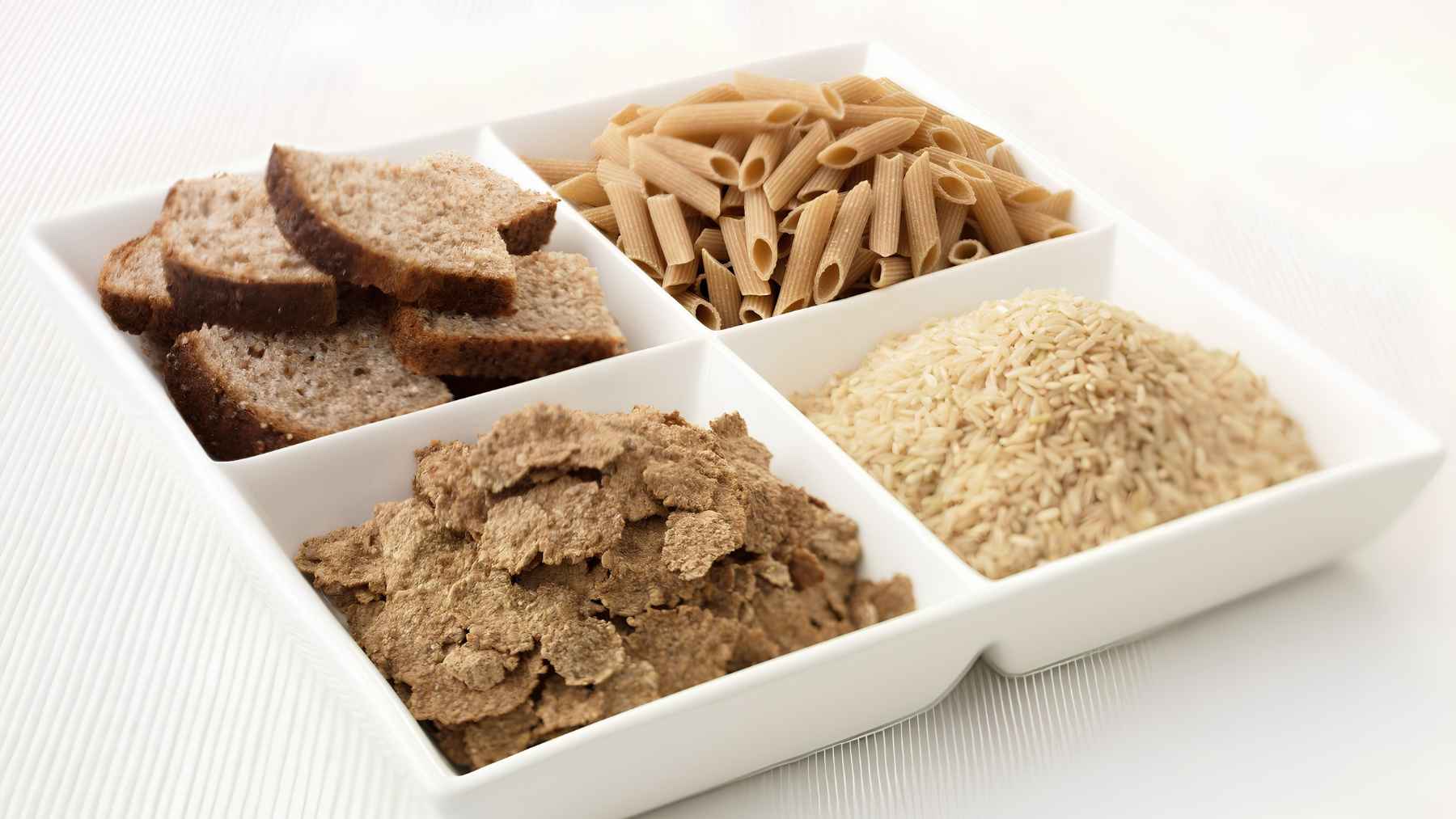
Choosing whole-grain bread, brown rice, or whole-wheat pasta can add fiber and nutrients compared with many refined alternatives. Fiber is a carbohydrate the body does not digest in the same way as sugar and starch, and official guidance notes that it can help improve insulin sensitivity. Whole-grain does not mean unlimited, but it can be a more useful default.
Combining foods matters too. The National Institute of Diabetes and Digestive and Kidney Diseases recommends a plate with nonstarchy vegetables on one half, a high-fiber carbohydrate on one quarter, and protein on the remaining quarter.
In practical terms, pasta could be served with vegetables and fish or beans rather than eaten as a very large stand-alone portion.
Muscle, movement, and visceral fat
The specialist also points to body composition as a major part of the picture. Visceral fat is fat stored deep in the abdomen around internal organs, and carrying excess fat around the waist is associated with a higher risk of diabetes. Muscle, on the other hand, is one of the important tissues that responds to insulin and uses glucose for energy.
Regular movement can make cells more responsive to insulin, while strength-based activity helps maintain or build muscle. This does not require becoming a competitive cyclist. A brisk walk, resistance exercises, or another repeatable activity can be more useful than a short-lived ban that makes every sandwich feel forbidden.
What the advice does not mean
The message is not that portions are irrelevant or that every carbohydrate-rich food affects every person in the same way. Sugars and starches can raise blood glucose, and the size of a serving matters.
Official guidance therefore advises people with diabetes to pay attention to both the amount and type of carbohydrate rather than treating all carbohydrate foods as identical.
Nor does the advice mean everyone with high glucose should follow one standard menu. Type 1 diabetes, type-2 diabetes, prediabetes, gestational diabetes, medications, and other health conditions can require different plans. The safest response to a high laboratory value is not panic, but follow-up with a qualified health professional and a plan tailored to the individual.
A sustainable way forward
At the end of the day, the endocrinologist argues for improving metabolism rather than demonizing familiar staples. Smaller portions when needed, more whole-grain choices, balanced meals, regular activity, less visceral fat, and more muscle form a strategy that many people may find easier to sustain. No single food carries the entire blame.
That may be less dramatic than emptying the pantry, but it is more practical. Bread, rice, and pasta can remain on the table for many people when they fit an individualized plan, while the larger work happens across the whole day. Food choices matter, but so do movement, consistency, and medical care.
The original explanation was published on the endocrinologist’s professional Instagram account.