Seeing a high blood pressure reading at home can be frightening. But the first goal is not to search for a miracle food or drink. It is to rest, measure again correctly, and decide whether the situation needs urgent care.
Simple home measures may help when a mild rise is linked to stress, excess sodium, poor sleep, alcohol, or inactivity. They can improve daily control, but they do not replace prescribed medication or medical care for diagnosed hypertension.
Check the reading first
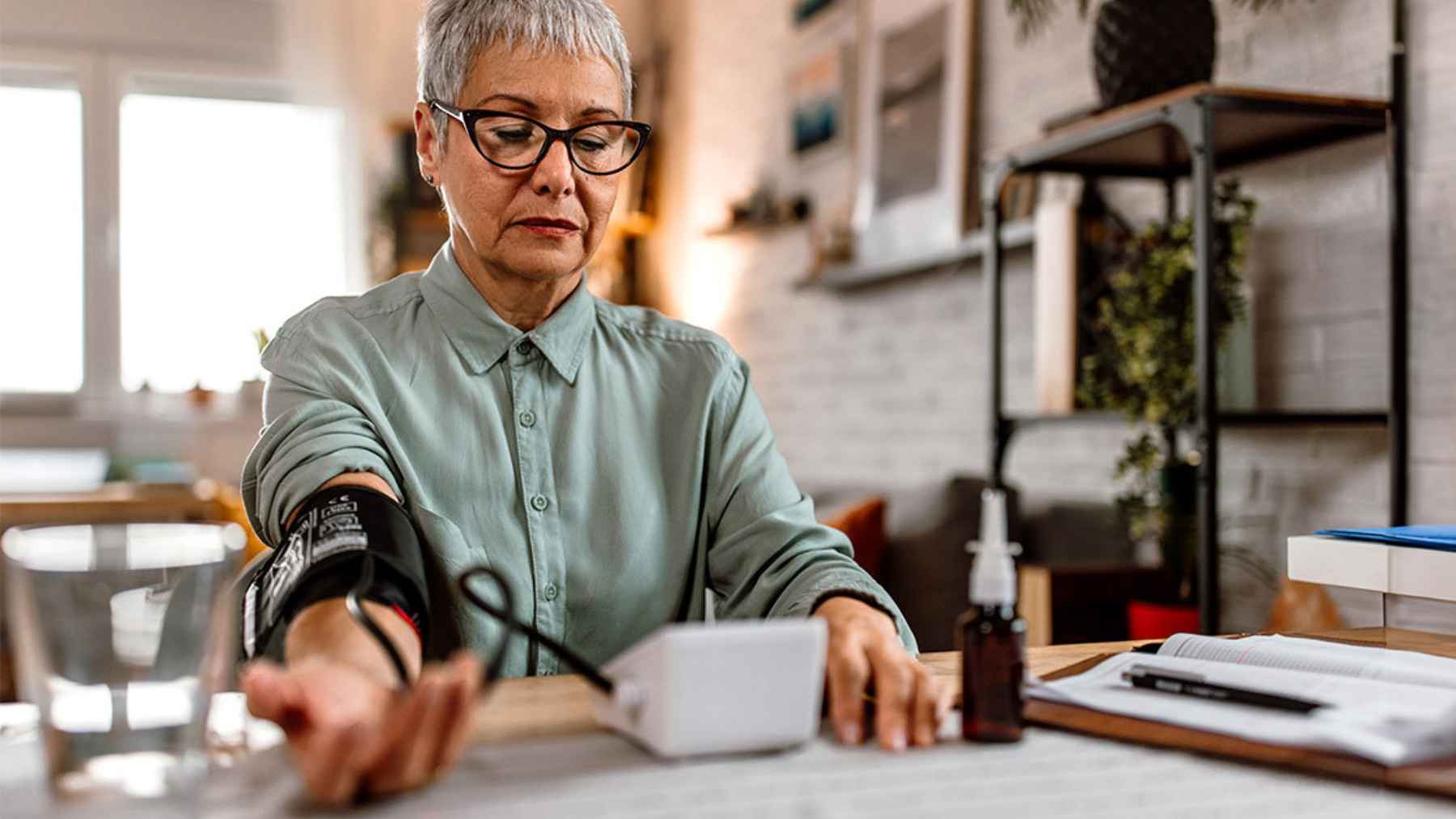
Sit quietly for five minutes, support your back, keep both feet flat, and place the cuff on a bare upper arm supported at heart level. Do not talk or cross your legs. The American Heart Association also advises avoiding smoking, caffeine, and exercise for 30 minutes beforehand, then taking two readings one minute apart.
A single high result is not automatically an emergency. But if the reading is above 180/120 mm Hg, wait at least one minute and check again. Call 911 if it remains that high with chest pain, shortness of breath, back pain, numbness, weakness, vision changes, or trouble speaking.
Seven simple steps that may help
First, breathe slowly for five to 10 minutes, making each exhalation longer than the inhalation. This may help a stress-related rise settle. Second, drink water when heat, sweating, or low fluid intake suggests dehydration, since water itself is not a hypertension treatment.
Third, stop adding sodium at the next meal and skip processed meats, packaged soups, salty snacks, and ready-made sauces. Fourth, use garlic, onion, lemon, vinegar, herbs, or salt-free spices for flavor. These changes are not an emergency treatment, but they immediately reduce the amount of new sodium coming in.
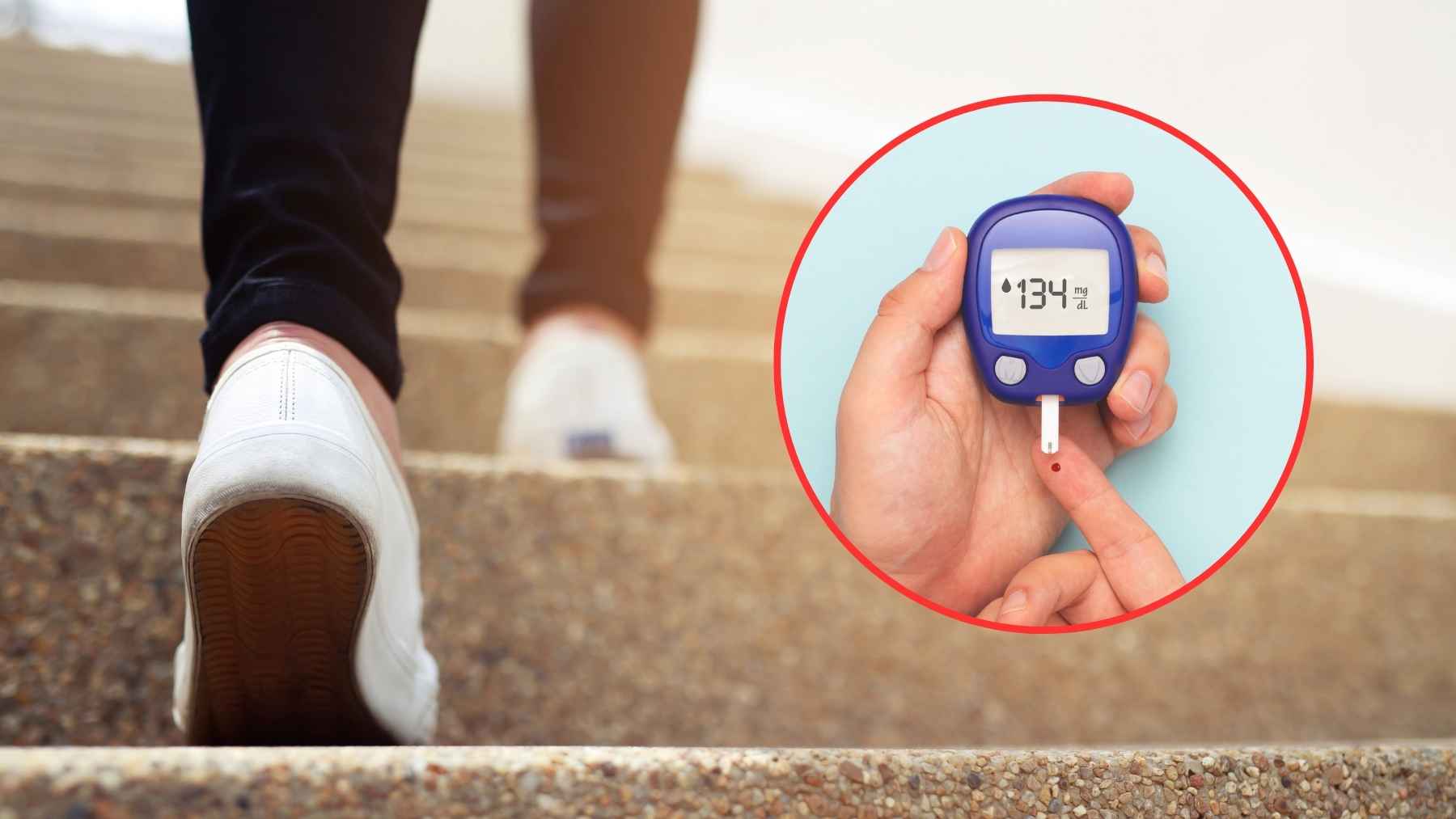
Fifth, take a gentle 10- to 20-minute walk only if you feel well and the reading is not severely elevated. Sixth, choose potassium-rich foods such as bananas, kiwi, tomatoes, beans, or spinach unless a clinician has told you to restrict potassium. Seventh, avoid alcohol, energy drinks, extra coffee, and tobacco while your pressure is high.
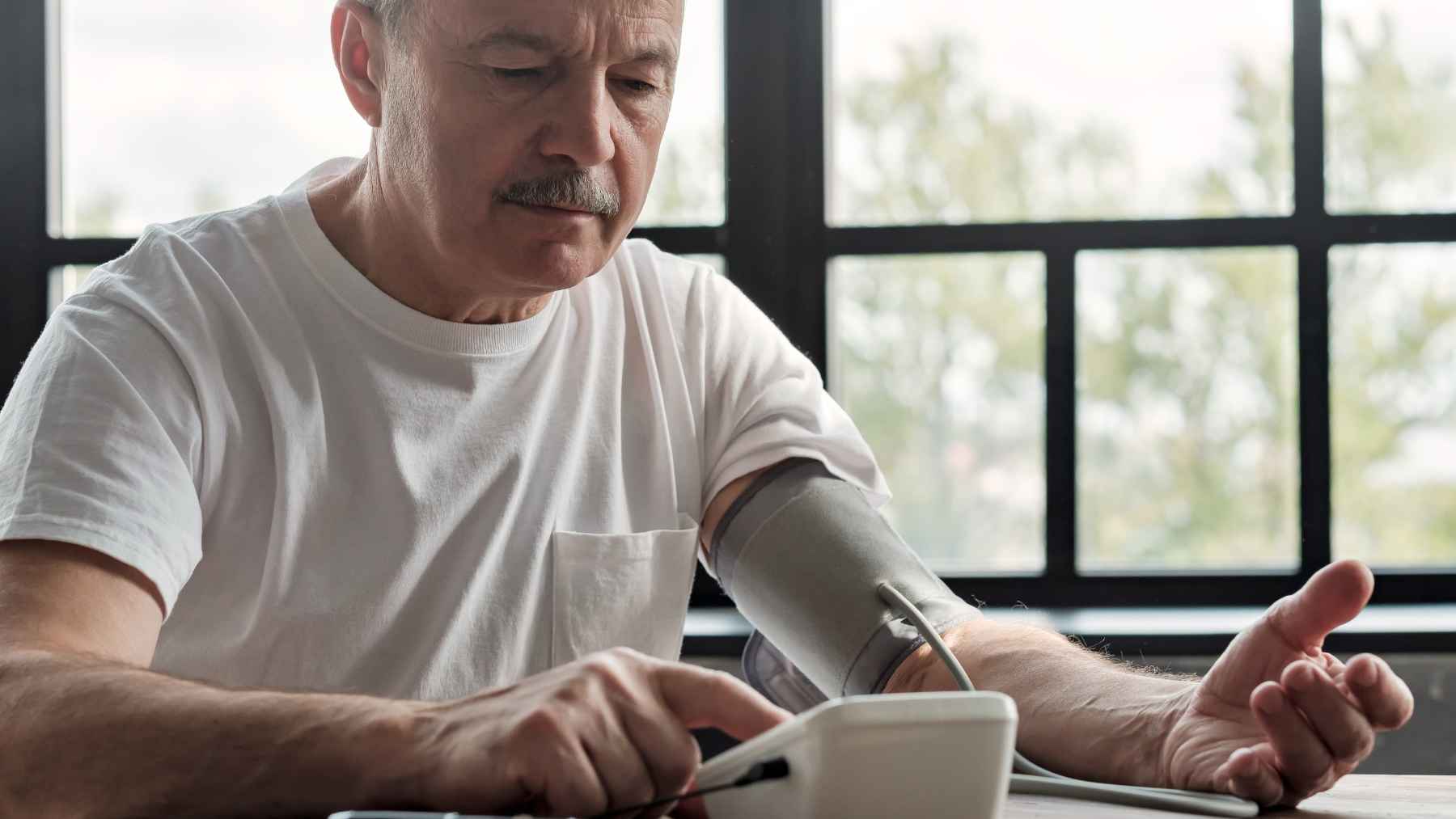
Checking blood pressure correctly at home is the first step before trying simple lifestyle measures to improve control.
Why sodium matters
Sodium helps regulate body fluid, but too much can increase blood volume and pressure inside the vessels. Much of it comes from packaged and restaurant food rather than the saltshaker. Bread, cured cheese, canned foods, deli meat, sauces, and prepared meals can add up even when they do not taste very salty.
A 2026 meta-analysis led by Xianghui Zhang pooled 21 randomized trials with 29,570 participants. Replacing regular salt with lower-sodium substitutes reduced the upper blood pressure number by an average of about 4.7 points and the lower number by about 1.4 points. That is meaningful, but the effect develops over time rather than within minutes.
Many salt substitutes contain potassium chloride. The World Health Organization supports them for suitable adults, but its recommendation excludes people with kidney impairment or other conditions that limit potassium removal.
Some medicines also raise potassium, so check with a health professional before switching.
Exercise helps over time
Regular movement can lower blood pressure, and a light walk may be reasonable when there are no warning symptoms. But intense lifting, straining, or holding the breath can temporarily push pressure upward. A sudden severe reading is a reason to rest and seek help, not to exercise it away.
A small 2026 trial led by Jirapa Champaiboon at Chulalongkorn University tested home handgrip training in 30 adults older than 60. After eight weeks, systolic pressure fell by about seven points in the exercise group, but the study excluded people with uncontrolled readings of 160/100 or higher.
It supports a planned routine for selected patients, not handgrip exercise during a sudden spike.
Habits that quietly raise pressure
Poor sleep, long periods of sitting, ongoing stress, frequent alcohol use, and high-sodium food can undermine blood pressure control. Over-the-counter medicines matter too. Ibuprofen, naproxen, decongestants, and some other drugs may raise blood pressure, so repeated high readings deserve a review of everything being taken.
At the end of the day, control usually comes from several modest changes working together. Fresh foods, less sodium, adequate sleep, regular activity, correct measurements, and prescribed treatment form a stronger plan than any single “natural” remedy.
When home measures are not enough
Under current U.S. categories, repeated readings of 130/80 mm Hg or higher fall within high blood pressure, while 140/90 or higher is stage 2. One measurement cannot confirm a diagnosis, but a pattern of elevated numbers should be discussed with a health professional, especially when medication appears not to be working.
Never stop or change blood pressure medication because one home reading looks better. This article is for general information and does not replace diagnosis, treatment, or follow-up from a qualified health professional.
The main meta-analysis was published in JACC Asia.