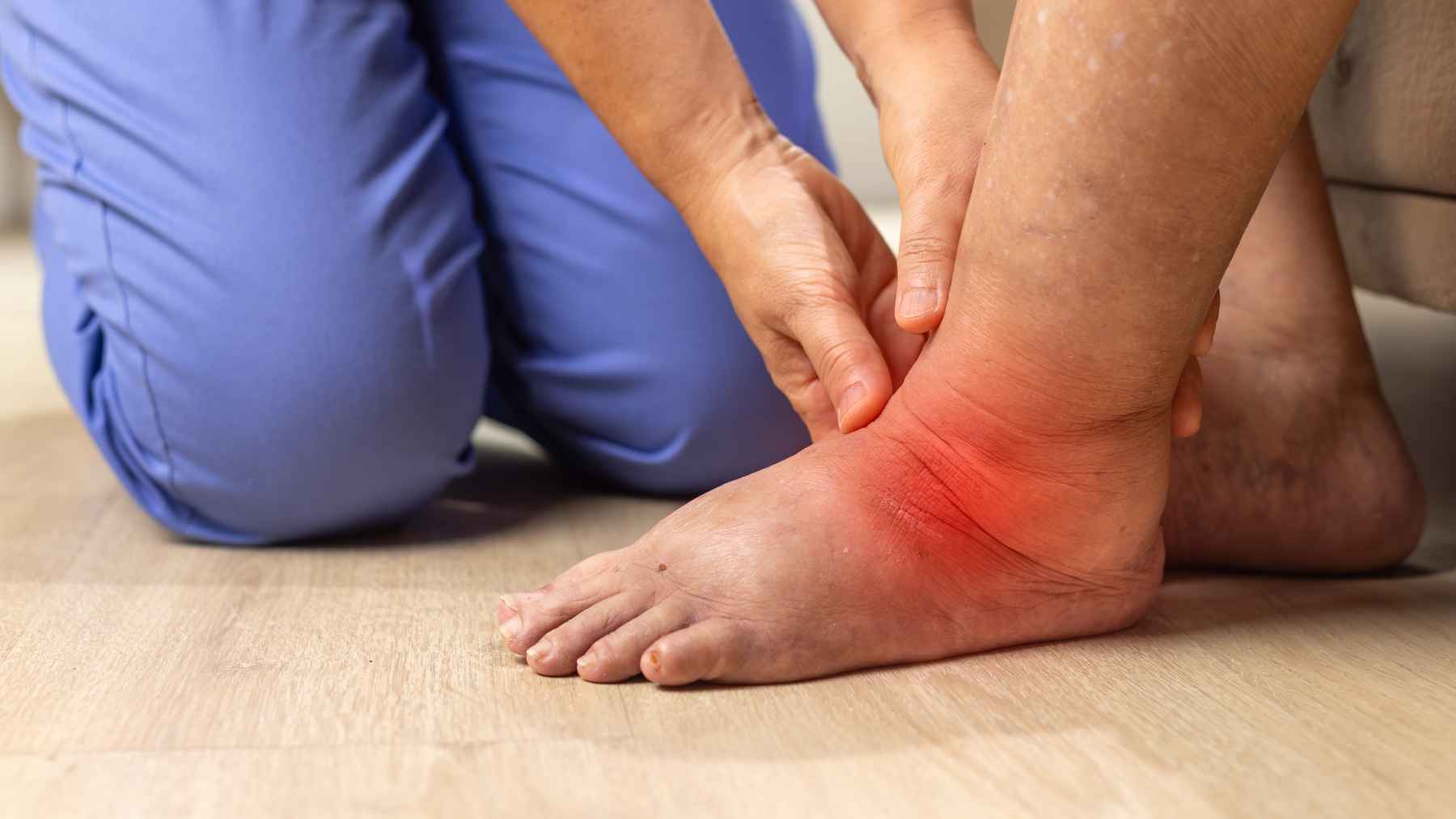
Lipedema is a chronic disorder that occurs predominantly in women and causes an abnormal, often painful buildup of fat, usually in both legs and sometimes in the arms.
In a 2026 study of 86 women, ultra-processed foods supplied about 28% of calories among those with stage 1 disease and 41% among those with stage 3, while a more inflammatory diet was linked to more pain and higher blood markers of inflammation.
Mediterranean-style habits were associated with better physical quality of life. But the study was a snapshot, not a treatment trial, so it cannot prove that diet caused the differences. The central takeaway is practical, since food may support care, but it does not cure lipedema.
Lipedema is more than appearance
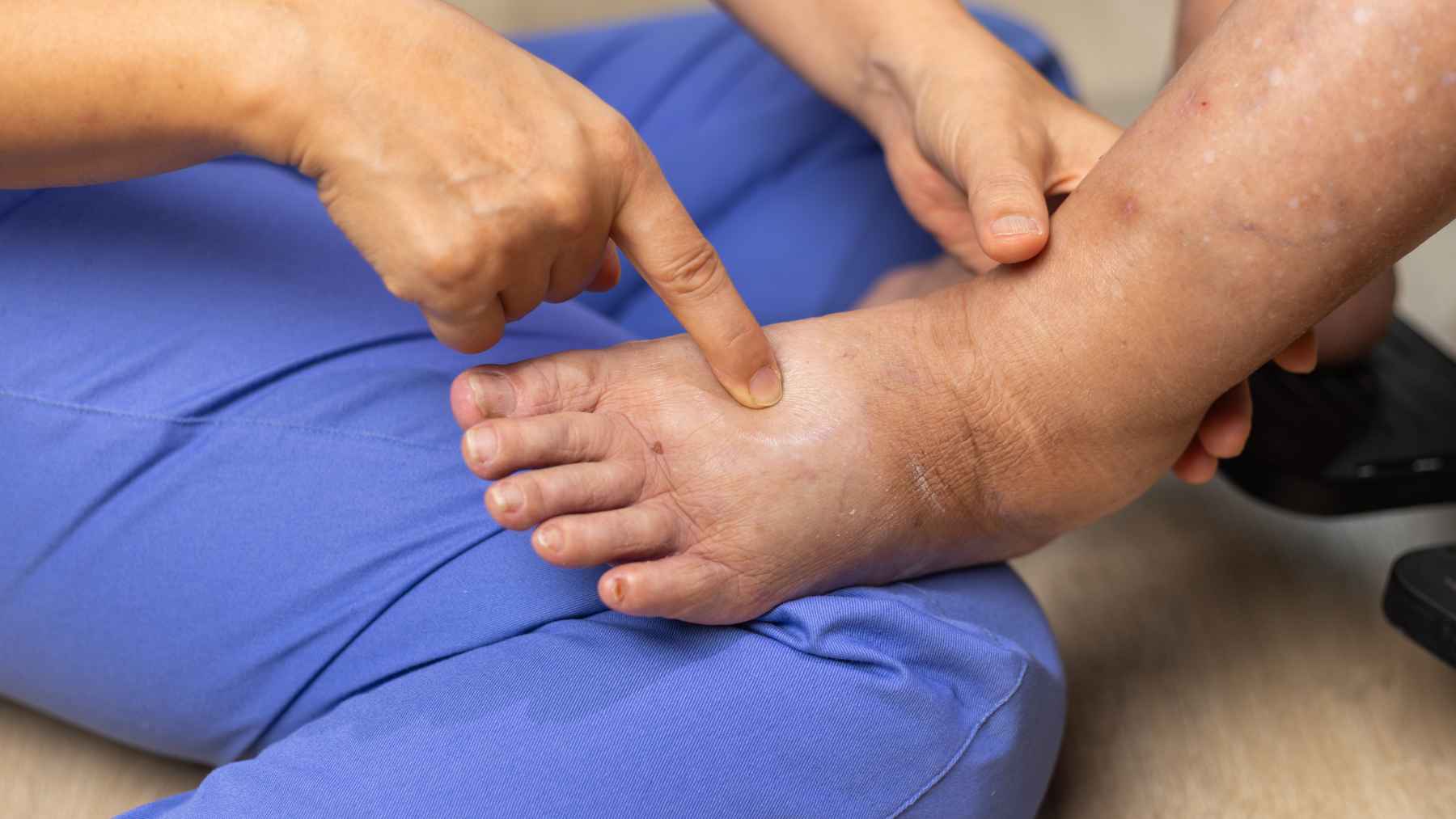
Lipedema is often mistaken for obesity or ordinary swelling, but the pattern is different. The affected areas can feel tender, heavy, and unusually easy to bruise, while the feet and hands are generally spared.
The condition also does not simply melt away with dieting or exercise. U.S. standard-of-care guidance describes treatment as a combination that may include compression, movement, hands-on therapies, pain care, and surgery for selected patients, with nutrition serving as one part of a larger plan.
Because leg swelling has many possible causes, diagnosis matters. New one-sided swelling with warmth or redness, or swelling accompanied by chest pain or shortness of breath, needs prompt medical care because those can be warning signs of a blood clot.
Why food may change symptoms
Fat tissue is not just storage. It releases chemical signals, and research suggests that lipedema tissue can show inflammation, enlarged fat cells, fibrosis, and changes in tiny blood and lymph vessels.
Microcirculation is the movement of blood through the body’s smallest vessels, a bit like traffic on neighborhood streets. When those vessels are fragile or more permeable, fluid may move into nearby tissue more easily, adding to heaviness, bruising, and that tight feeling after hours on your feet.
A recent scoping review found encouraging results for low-carbohydrate, ketogenic, and modified Mediterranean approaches in small studies. But its blunt conclusion was that no diet or supplement has yet been proved to treat lipedema.
Foods that may support small vessels
Fatty fish such as salmon, sardines, and trout provide long-chain omega-3 fats, which help the body make compounds involved in resolving inflammation. Walnuts and flaxseed provide a plant form of omega-3, though the body converts only a small share into the forms found in fish.
Vitamin C supports collagen, a structural protein that helps give connective tissue and blood vessel walls their strength. Citrus fruit, strawberries, kiwi, bell peppers, and leafy greens are easy food sources, without turning breakfast into a supplement routine.
Polyphenols are plant compounds found in berries, dark grapes, citrus fruit, green tea, and unsweetened cocoa. Vitamin E from extra-virgin olive oil, nuts, and seeds also helps protect cell membranes from oxidative damage.
These nutrients fit a healthy pattern, but evidence for compounds such as rutin, hesperidin, and diosmin comes mostly from other circulation disorders, not lipedema itself.
Salt and fluid balance
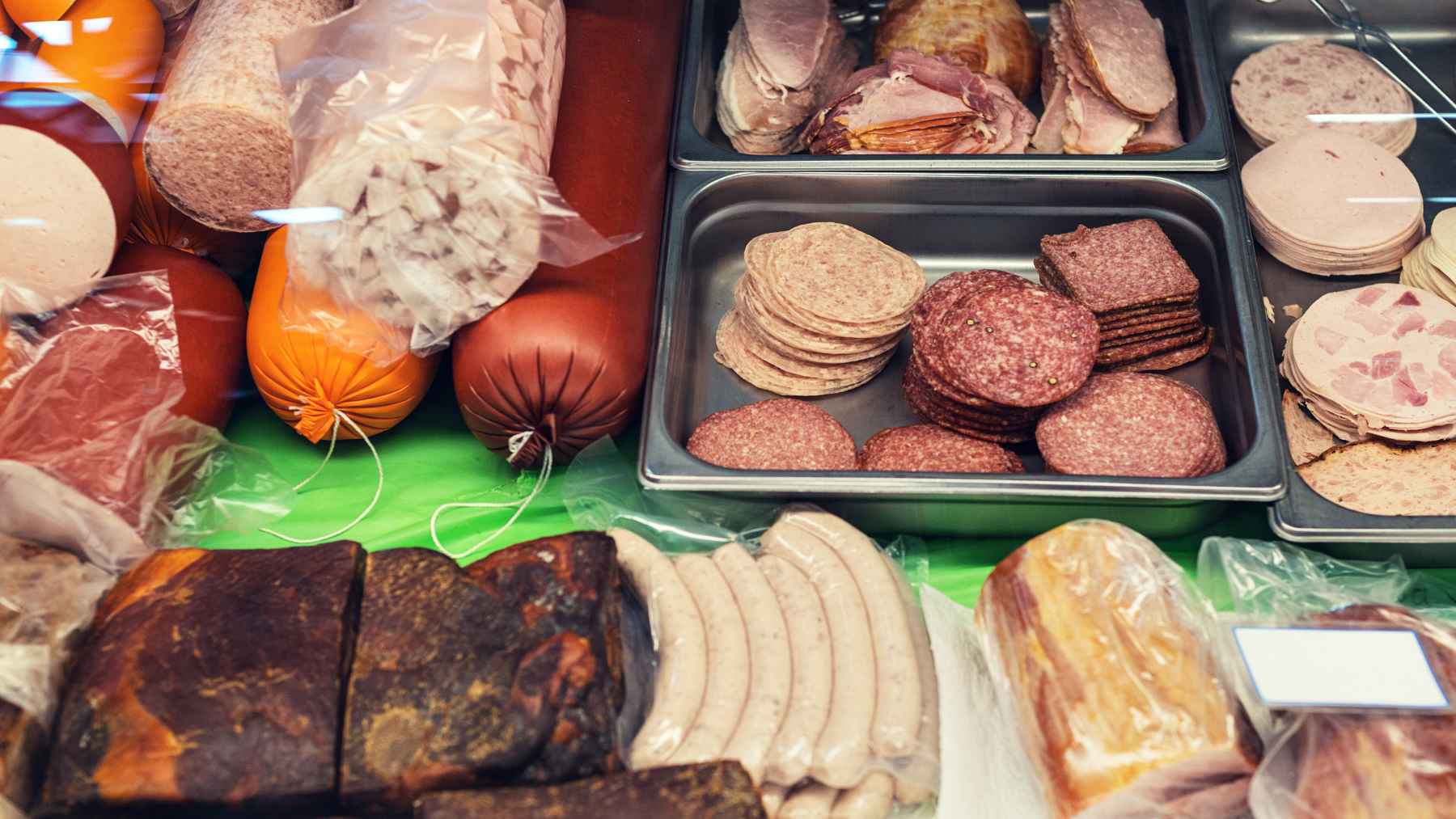
Sodium attracts water, so a high-sodium diet can contribute to general fluid retention. The biggest sources are often not the salt shaker but deli meats, aged cheese, packaged soups, chips, sauces, and ready-made meals with “hidden salt.”
Federal guidance sets the daily sodium value below 2,300 mg., roughly the amount in one teaspoon of table salt. Foods rich in potassium and magnesium, including beans, vegetables, potatoes, whole grains, nuts, and seeds, support normal fluid and muscle function, but they are not direct lipedema treatments.
Regular water intake also makes more sense than swinging between overhydration and long periods without drinking. Unsweetened tea can add variety, while sugary drinks and alcohol are best limited as part of an overall eating plan.
The Mediterranean pattern stands out
The most reasonable template looks Mediterranean. That means plenty of vegetables and fruit, extra-virgin olive oil, beans, whole grains, fish several times a week, and moderate portions of unsalted nuts and seeds.
A seven-month study led by Małgorzata Jeziorek at Wroclaw Medical University included 24 women with lipedema following a Mediterranean-style ketogenic diet.
Inflammatory markers fell along with body weight and leg measurements, but the study was small and does not prove that the same plan is right for everyone.
Could one salmon dinner or bowl of berries make swollen legs disappear? No. The value comes from the overall pattern, repeated day after day, alongside compression, movement, and clinician-directed care.
Supplements are not a shortcut
High-dose omega-3, vitamin, flavonoid, or herbal products should be discussed with a clinician, especially for people taking blood thinners or living with kidney or heart disease. More is not automatically better, and concentrated products can interact with medicines or disturb fluid and mineral balance.
Nutrition researcher Nurgul Arslan of Dicle University emphasized that the latest findings show association, not cause and effect.
The main study has been published in Frontiers in Nutrition.