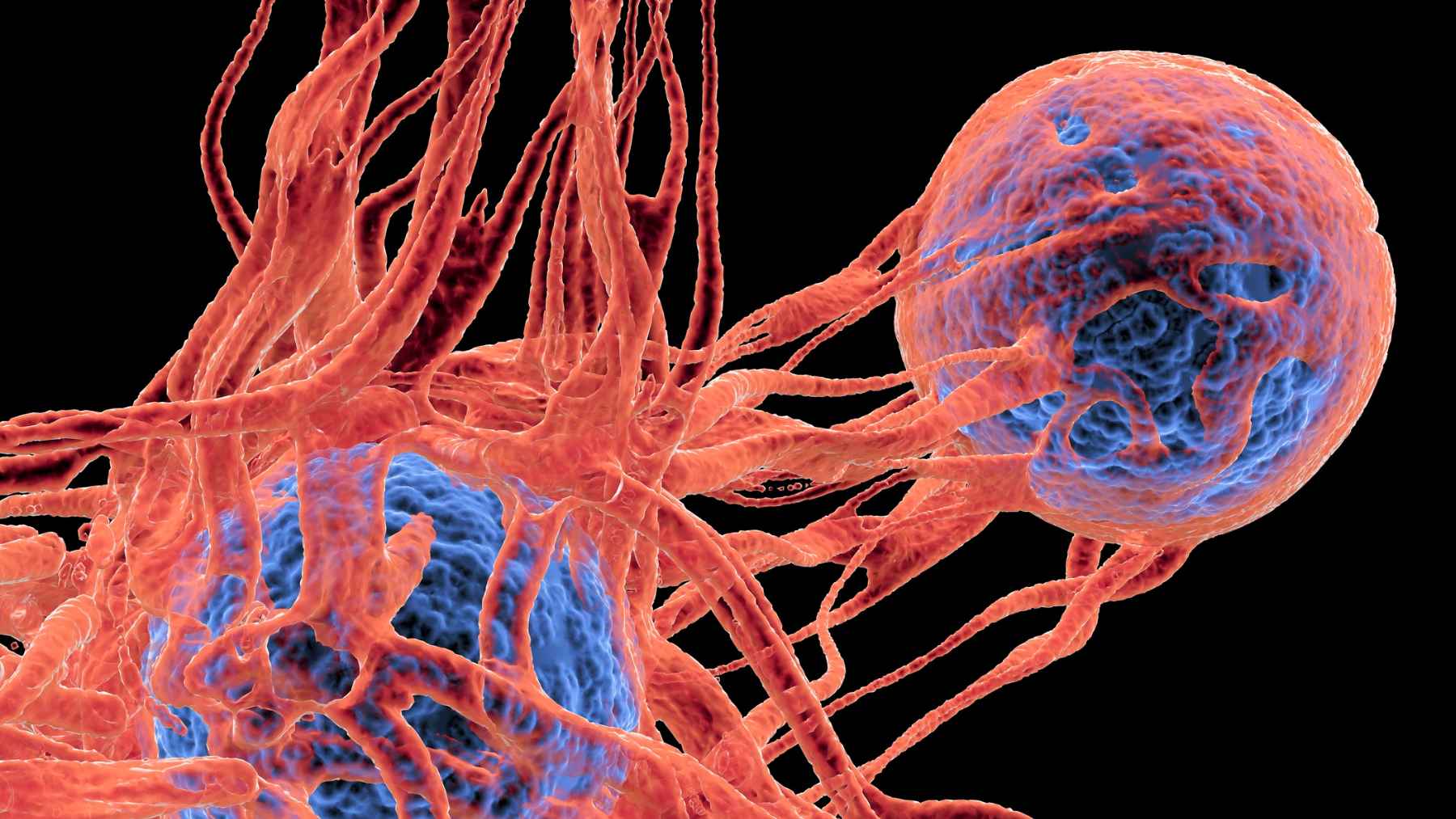
One of cancer’s most dangerous tricks is surviving after a cell breaks away from its home tissue. Brazilian researchers have found that shutting down a surface protein called syndecan-4, or SDC4, restored a built-in death response in lab-grown cells and also slowed the machinery that drives cell division.
That points to a possible two-part brake on mechanisms linked to metastasis, the process by which cancer reaches new organs. But there is a major caveat. The experiments at the Federal University of São Paulo used rabbit blood-vessel cells with tumor-like traits, not human cancer cells, animal models, or patients.
Why detached cells usually die
Most healthy cells need physical contact with nearby cells and the extracellular matrix, a supportive web around them. When an attachment-dependent cell drifts away, it normally activates anoikis, a form of programmed self-destruction whose name roughly means “death by homelessness.”
Why build in such a harsh rule? It helps stop misplaced cells from settling where they do not belong. Aggressive cancer cells can evade anoikis, survive in circulation, and eventually establish tumors elsewhere.
The SDC4 connection
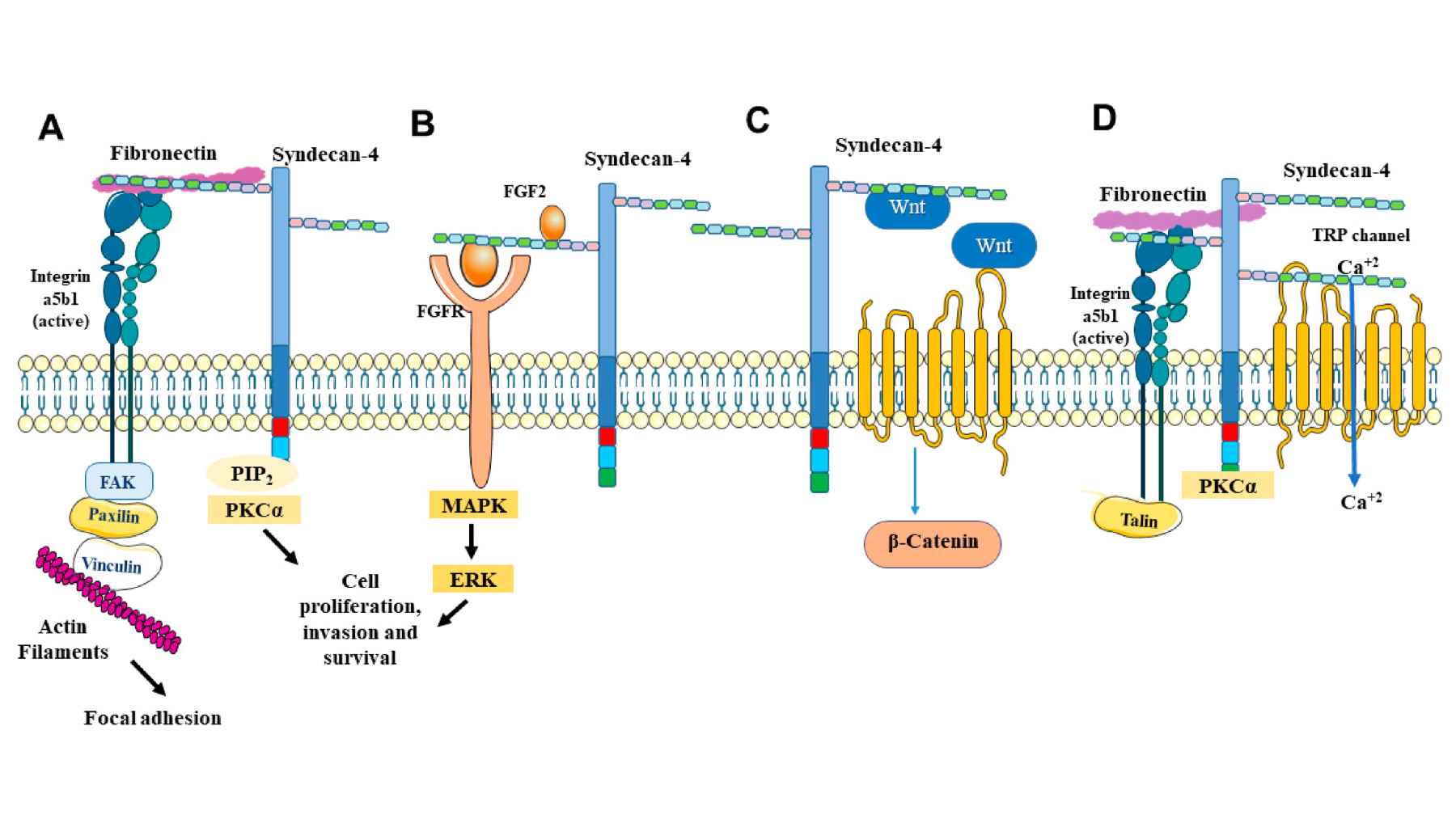
SDC4 sits on the cell surface and helps manage adhesion, growth signals, and contact with the surrounding matrix. In normal amounts it does useful work, but elevated levels have been associated with tumor progression and resistance to anoikis.
The new study builds on earlier research from the same group showing that cells selected for anoikis resistance produced more SDC4, divided faster, adhered poorly, and became more invasive. The question now was whether switching off the protein could reverse those changes.
What the experiment found
Researchers kept rabbit endothelial cells from the aorta, the body’s main artery, suspended so they could not attach to a surface. Fewer than five percent survived the stress. Those survivors developed aggressive, tumor-like behavior and produced unusually high amounts of SDC4.
The team then used genetic interference to silence SDC4. The cells became more dependent on attachment again, programmed cell death rose, and invasive capacity fell.
In practical terms, taking away SDC4 weakened the shield that had let them live while detached.
A second brake on growth
The effect did not stop at survival. Silencing SDC4 increased p27, a natural inhibitor that acts like a red light near the start of the cell cycle, the step-by-step process cells use to make new copies of themselves.
It also changed the balance of cyclins and CDKs, proteins that tell cells when to move forward, and reduced cyclin B1 at the protein level. Together, those shifts kept the cells from passing an early commitment point and made their overall division pattern look more like the control cells.
Why this is not a cancer treatment yet
The result is promising as a lead, but it remains early laboratory work. The researchers still need to repeat it in human cells, including actual tumor cells, and determine whether the same response appears across different cancers.
There is another challenge. SDC4 also has normal jobs in adhesion and signaling, so a future therapy would likely need to block its harmful activity without disrupting healthy tissue.
The paper also notes that some effects may occur indirectly through broader signaling pathways, which means the mechanism is not fully settled.
“We’re still in the early stages of research and need to validate the results for each specific case of the disease,” said corresponding author Carla Cristina Lopes. That is the line to remember. The study provides no evidence that silencing SDC4 is safe or effective in people.
CBD is part of the next question
The group is now exploring whether cannabidiol, or CBD, can alter SDC4 expression or interfere with signals that sustain uncontrolled growth.
CBD is a nonintoxicating compound from cannabis, but the work is only beginning and the available evidence does not show that it can treat cancer through this protein.
The project grew from the master’s research of first author Bianca Zaia Franco Ferreira. It received support from the São Paulo Research Foundation, as well as CNPq, CAPES, and FINEP. The official press release stresses that the CBD idea is still an early research direction, not a clinical recommendation.
What comes next
The immediate test is simple to describe and hard to complete. Can the same SDC4 switch make human cancer cells regain anoikis sensitivity without harming normal cells? Only that next evidence can show whether the protein is a drug target, a diagnostic marker, both, or neither.
Still, the study offers a useful angle on metastasis. Instead of only trying to kill a moving cancer cell, researchers may be able to restore the safety rule that should have killed it when it left home. Small switch, big question.
The official study was published in Cytotechnology.