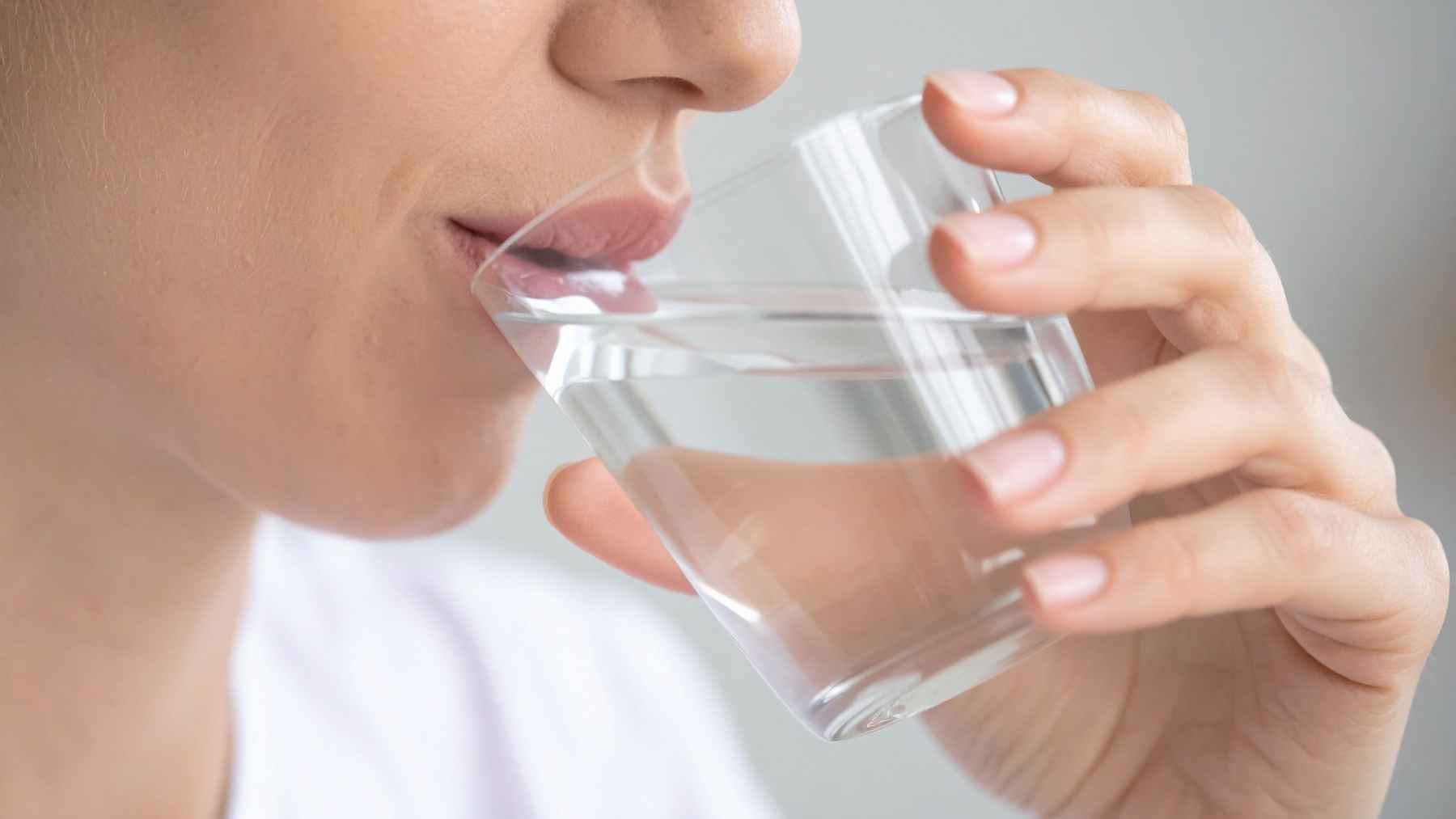
Waking up with a sticky mouth and reaching straight for water is easy to blame on mouth breathing, salty food, or a warm bedroom. Most of the time, the explanation may be simple. But when intense morning thirst keeps returning alongside nighttime bathroom trips, high blood sugar should be considered.
Dry mouth by itself does not diagnose diabetes, and many medicines and health conditions can reduce saliva. Still, recurring thirst and frequent urination are among the recognized symptoms of both type 1 and type 2 diabetes.
A medical check can help show whether the pattern points to dehydration, another condition, or a glucose problem that needs treatment.
Why high blood sugar makes you thirsty
Glucose is a form of sugar that the body uses for energy. Insulin acts like a key, helping glucose move from the bloodstream into cells. When the body does not make enough insulin, or cells stop responding well to it, glucose can build up in the blood.
When glucose rises high enough, the kidneys begin sending some of that excess sugar into the urine. Water follows, increasing urine output and fluid loss in a process doctors call “osmotic diuresis.”
In practical terms, that can mean broken sleep, several trips to the bathroom, mild dehydration, and a mouth that feels like cotton by morning.
Signs that make the pattern more concerning
What else should raise an eyebrow? Persistent fatigue, unusual hunger, blurred vision, unexplained weight loss, slow-healing cuts, and repeated urinary tract or yeast infections can all appear when blood sugar stays high. The pattern matters more than any single symptom.
Dark, velvety patches around the neck or armpits may also point to insulin resistance, which means the body is not responding normally to insulin.
Type 2 diabetes can develop quietly over several years, while type 1 symptoms may appear within weeks or months. Extreme thirst with vomiting, stomach pain, deep or rapid breathing, fruity-smelling breath, or confusion needs urgent medical care.
Two blood tests can give a clearer answer
A fasting plasma glucose test measures blood sugar after at least eight hours without food or caloric drinks. An A1C test estimates average blood sugar over the previous two to three months. Together, they provide a much clearer picture than symptoms alone.
Fasting glucose from 100 to 125 mg/dL or an A1C from 5.7 to 6.4 percent falls in the prediabetes range. Fasting glucose of 126 mg/dL or higher, or an A1C of 6.5 percent or higher, falls in the diabetes range.
Unless symptoms and glucose levels make the diagnosis clear, a clinician generally confirms a diabetes result with a repeat or second test.
Current guidance in the 2026 standards from the American Diabetes Association and the 2025 guideline from the Brazilian Diabetes Society recommends broad screening beginning at age 35.
Earlier testing is advised for adults who are overweight or have obesity and also have other risk factors. A family history of type 2 diabetes, past gestational diabetes, or high blood pressure can raise concern.
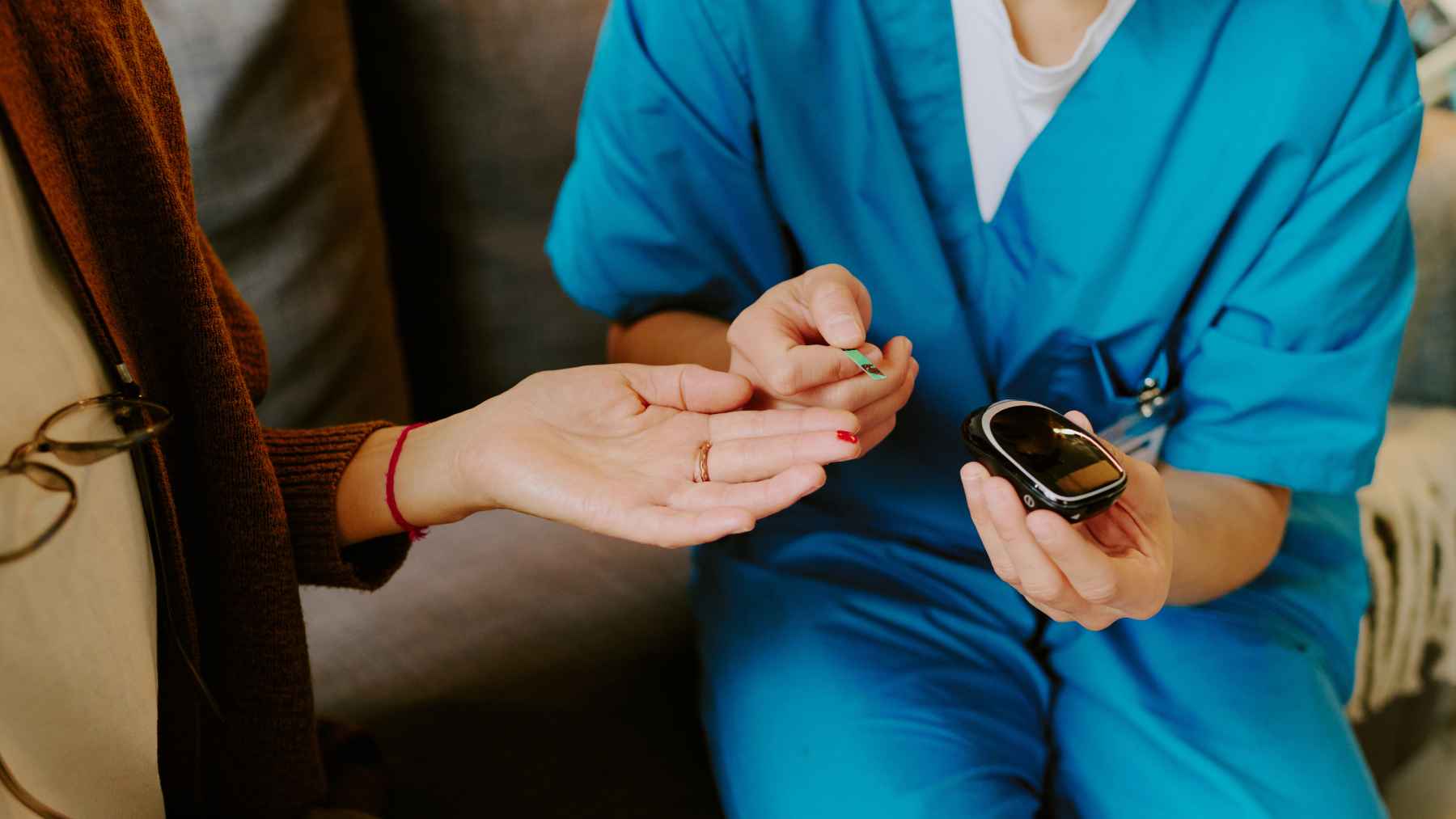
Waking up with a dry mouth and constant thirst can feel harmless, but it may serve as an early warning sign for diabetes.
Why early detection matters
A major 2012 review led by Adam Tabák at University College London described prediabetes as a high-risk stage in which blood sugar is above normal but not yet in the diabetes range.
The researchers estimated that roughly 5 to 10 percent of people with prediabetes progress to diabetes each year, although individual risk varies and some people return to normal glucose levels. That uncertainty is exactly why testing matters.
Early action can make a measurable difference. In the Diabetes Prevention Program, supported by the National Institute of Diabetes and Digestive and Kidney Diseases, 3,234 adults at high risk took part in a randomized trial.
After about three years, the intensive lifestyle group had a 58 percent lower chance of developing type 2 diabetes than the group given an inactive pill.
Small changes can lower the risk
The prevention program aimed for about 7 percent weight loss and at least 150 minutes of moderate activity each week. For a 200-pound adult, a 5 to 7 percent loss is about 10 to 14 pounds. A brisk 30-minute walk on five days of the week reaches the activity target without requiring a complicated workout plan.
Food choices matter, but there is no single “diabetes diet” that fits everyone. Healthy meals built around vegetables, fiber-rich foods, lean protein, and sensible portions can help, while cutting back on soda, sweetened drinks, and heavily processed snacks reduces added sugar and excess calories.
Start with water when thirst hits, but do not assume extra water will fix high blood sugar.
When to see a doctor
Repeated morning dry mouth, intense thirst, and nighttime urination deserve a primary care visit, especially when they persist for days or come with other symptoms.
A clinician can review medicines, sleep habits, hydration, and other possible causes before ordering the right tests. Bringing a short record of when you drink, urinate, and notice symptoms can make that conversation more useful.
This information is educational and does not replace medical care. Do not try to diagnose diabetes with symptoms or a home glucose reading alone. Severe weakness, confusion, vomiting, trouble breathing, or signs of major dehydration require prompt medical attention.
The main review was published in The Lancet.