Can a bottle of vitamins do the job of a compression sleeve? For someone living with a heavy, tight arm or leg, that promise is tempting, but the evidence points to a firm limit. Supplements cannot cure lymphedema, reopen blocked lymph vessels, or replace standard therapy.
Some nutrients may support skin, nerves, bones, or immune function when a blood test confirms a deficiency. That is different from treating the swelling itself. The distinction matters most for people taking prescription drugs or recovering from cancer treatment.
How lymphedema develops
The lymphatic system works like the body’s drainage network. It collects extra fluid, proteins, and waste from tissues and returns them to the bloodstream.
When that network is damaged or underdeveloped, fluid builds up and can leave an arm, leg, or another area swollen, heavy, tight, and vulnerable to infection.
Primary lymphedema comes from inherited or developmental changes in the lymph system. Secondary lymphedema is more common and may follow surgery, lymph node removal, radiation, trauma, or infection. Over time, the fluid buildup can make tissue thicker and less flexible.
What the research shows
A 2026 umbrella review, a study that combines earlier research reviews, was led by Sarah Benna-Doyle at the NICM Health Research Institute, Western Sydney University.
It brought together 52 reviews covering 250 randomized trials, 18 supplements, and 16 health problems linked to cancer care. Most underlying reviews were rated low or critically low in quality.
For lymphedema, the researchers found only one meta-analysis of probiotics and one review of protein-digesting enzymes. Neither showed convincing effectiveness for lymphedema outcomes. That does not prove every supplement is useless, but it means confident marketing claims run ahead of the science.
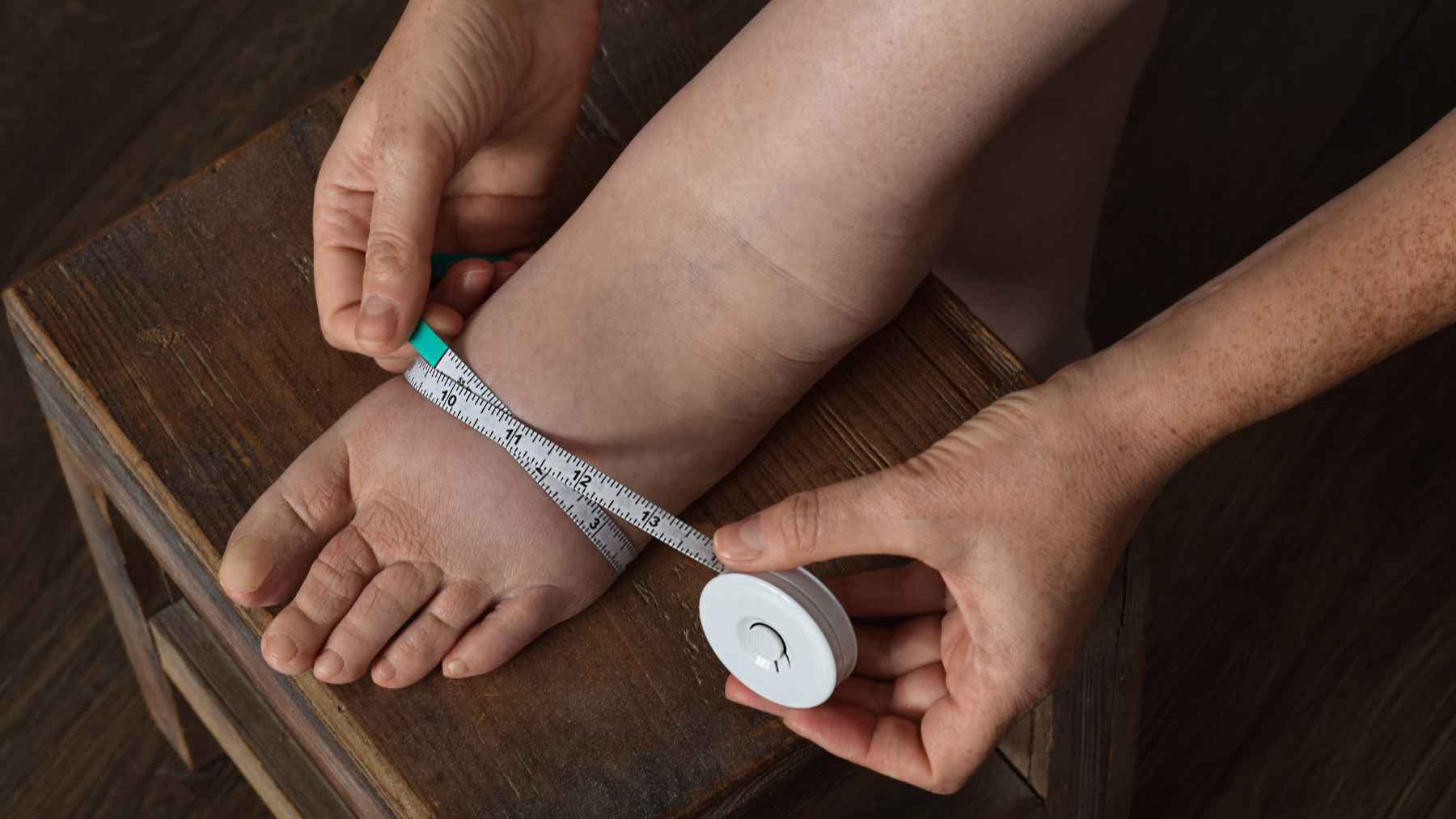
A clinician measures arm circumference to monitor lymphedema, a condition that requires proven treatments such as compression therapy rather than relying on dietary supplements alone.
Vitamins in the spotlight
Vitamin D supports bones and helps regulate immune activity. Checking blood levels can make sense for people at risk of deficiency, including those with limited sun exposure or poor bone health. Still, it is not a specific lymphedema treatment, and too much can cause harm.
Vitamin C helps the body make collagen, a protein needed for skin and connective tissue, while vitamin E acts as an antioxidant. Food sources support general health, but high-dose pills have not been shown to shrink a swollen limb. Vitamin E can raise bleeding risk, and large antioxidant doses may be unsuitable during some cancer treatments.
B vitamins help turn food into energy and support the nervous system. A deficiency, particularly of vitamin B12, can cause numbness or tingling, but those sensations can have other causes after surgery or with chronic swelling. Testing beats guessing.
Selenium, bromelain, and rutin
A 2019 randomized trial included 26 people with stage 2 or 3 breast cancer-related lymphedema and tested five intravenous sodium selenite treatments over two weeks.
Hye Won Han of Yonsei University and colleagues reported improvements in several swelling-related measures. The study was small, used a medical infusion rather than a store-bought pill, and called for larger trials, however.
Bromelain is a mixture of enzymes from pineapple that is promoted for inflammation and swelling.
Evidence does not establish it as a lymphedema treatment, and bromelain safety guidance warns about interactions with blood thinners and certain antibiotics. A natural origin does not make a product risk-free.
Rutin is a plant compound in the bioflavonoid family, and related products have been studied for possible effects on small blood vessels.
Yet a Cochrane review found the evidence was not strong enough to show that compounds such as oxerutin control limb lymphedema. Promising chemistry is not the same as proven care.
Why caution matters
Supplement labels can make precise claims, but the Food and Drug Administration does not approve dietary supplements for safety and effectiveness before they reach store shelves.
Purity, concentration, and combinations can vary. Third-party testing may confirm manufacturing quality or label accuracy, but it does not prove a product works.
Excess selenium can cause stomach problems, hair and nail changes, and a garlic-like odor on the breath. Vitamin E and bromelain may increase bleeding risk, while antioxidants can complicate some cancer treatment plans. Bring the bottle or a complete product list to a doctor or pharmacist.
What still works best
National Cancer Institute guidance centers on compression, exercise, skin care, and manual lymphatic drainage performed by a trained professional. These methods help move fluid and protect vulnerable tissue. A capsule cannot perform that mechanical work.
Food still matters, just in a less dramatic way. A balanced pattern with adequate protein, whole grains, fruits, vegetables, sensible salt intake, and good hydration supports overall health, while maintaining a healthy weight can reduce added strain on the lymphatic system.
Crash diets and deliberate dehydration do not drain lymphedema.
When to call a doctor
Speak with a clinician before starting a supplement if you take blood thinners, have kidney or liver disease, or are receiving or recently completed cancer treatment. A pharmacist can also check for interactions.
Rapidly worsening swelling, redness, warmth, pain, or fever needs prompt medical attention because it can signal cellulitis, a skin infection that may spread quickly. This is not the moment to test a new supplement at home.
The main evidence review was published in the journal Integrative Cancer Therapies.