High blood pressure rarely announces itself. It can sit quietly for years while the heart, arteries, brain, kidneys, and eyes carry the strain, which is why health officials often call hypertension the “silent killer.”
Worldwide, the World Health Organization estimates that 1.4 billion adults ages 30 to 79 had hypertension in 2024, about one in three people in that age group.
The hopeful part is not flashy. For many people, blood pressure can improve through everyday habits, like a lower-salt dinner, a walk after work, better sleep, and less alcohol.
These changes do not replace medical care, but they can work alongside it and, for some patients, may reduce the need for stronger treatment.
What the numbers mean
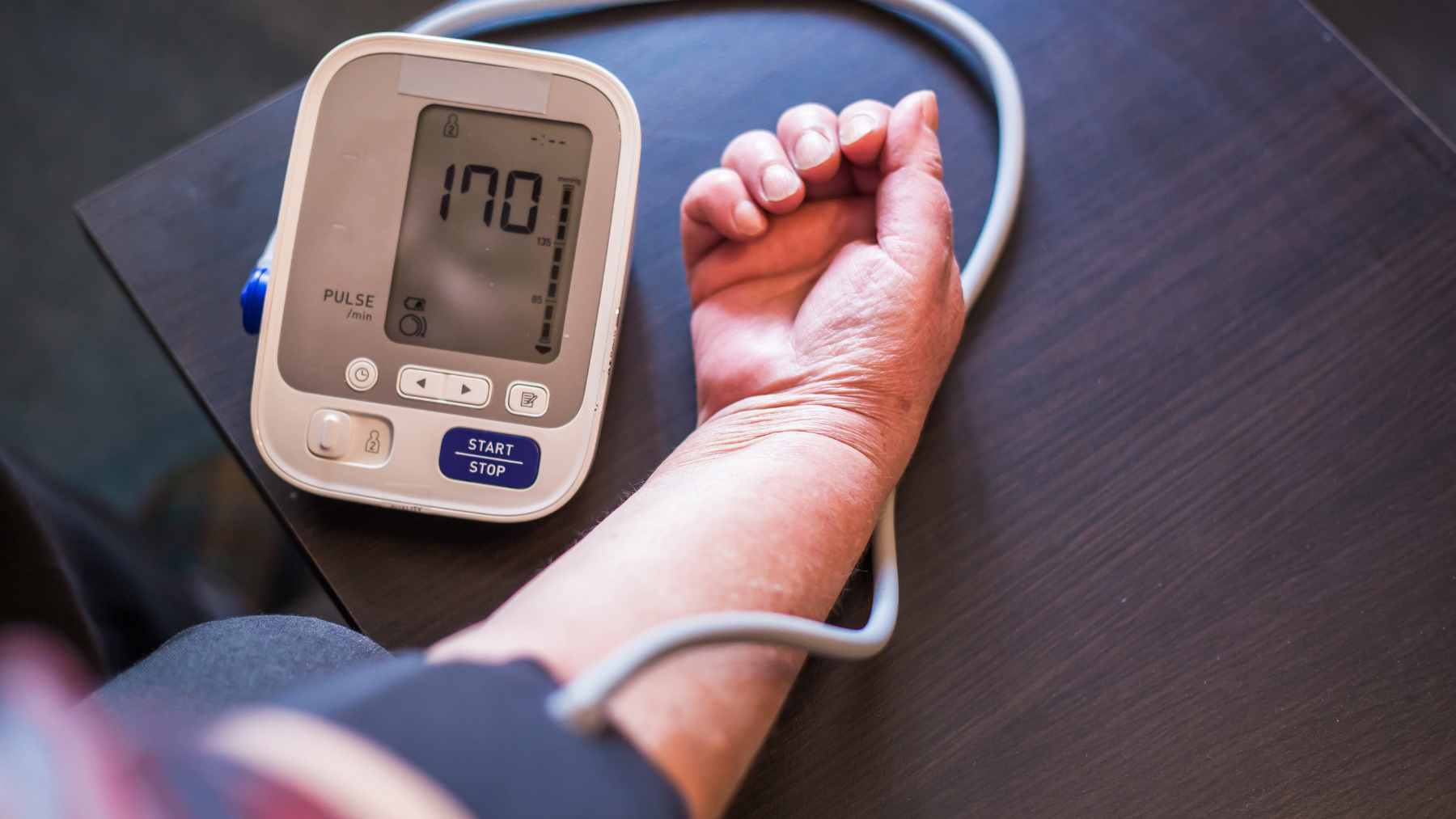
Blood pressure is the force of blood pushing against artery walls. In current US guidance, high blood pressure generally starts when readings are consistently at or above 130 over 80 mmHg. Stage 2 begins at 140 over 90 or higher, a level that deserves prompt medical attention.
The danger is not one stressful reading after a traffic jam. The concern is pressure that stays high over time. The CDC estimates that nearly half of US adults have high blood pressure under current definitions, and many do not have it controlled.
Salt is the first target
A dose-response meta-analysis led by Tommaso Filippini and published in Circulation found a fairly steady link between cutting sodium and lowering blood pressure. In plain English, the more sodium intake dropped in the trials, the more blood pressure tended to fall.
That makes salt one of the clearest places to start.
Most sodium does not come from one dramatic shake of the saltshaker. It hides in processed meats, canned soups, frozen meals, packaged snacks, sauces, and restaurant food. Cooking more at home, reading labels, and using garlic, lemon, vinegar, herbs, or spices can retrain the palate in a few weeks.
Move more and sleep better
Regular activity helps the heart pump more efficiently and can also support weight control and stress relief. The American Heart Association points to at least 150 minutes of moderate aerobic activity a week, such as brisk walking or cycling. No gym membership required.
Sleep matters, too. Adults should aim for about seven to nine hours a night, because too little sleep is linked with higher risk of high blood pressure, heart disease, and stroke. Loud snoring, choking sounds, or breathing pauses at night may point to sleep apnea, a condition that deserves medical attention.
Weight and alcohol matter
Extra weight, especially around the waist, makes the cardiovascular system work harder. The good news is that improvement does not require a perfect number on the scale. Even modest weight loss can help lower pressure and make daily movement easier.
Alcohol is another everyday lever. Drinking too much can raise blood pressure and make some blood pressure medicines work less well. Cutting back on daily beer, wine, or sugary mixed drinks can help the heart while also improving sleep and trimming empty calories.
Potassium helps balance sodium
Potassium is a mineral that helps the body handle sodium and relax blood vessel walls. Food is usually the best source, not pills. Bananas, oranges, leafy greens, beans, lentils, potatoes, sweet potatoes, tomatoes, avocados, unsalted nuts, and seeds all fit naturally into a heart-friendly plate.
There is one important warning. People with kidney disease, heart failure, diabetes, or certain blood pressure medicines should ask a clinician before pushing potassium higher. Too much potassium in the blood can be dangerous, even if the food itself sounds healthy.
Stress still counts
Can stress really affect blood pressure? For the most part, yes, especially when it becomes chronic and starts shaping sleep, food choices, alcohol use, and activity. The body is not built to live in emergency mode all day.
Simple tools can help, even when life is messy. Slow breathing, meditation, yoga, a walk outside, or a quiet break without a phone can lower the body’s alarm response. The point is not a perfect routine, just a repeatable one.
Medicine still matters
Healthy habits are the foundation of blood pressure control, but they are not a substitute for prescribed treatment.
The American Heart Association says medications should be taken as directed, while lifestyle changes can improve control and lower the risk of heart disease, stroke, kidney disease, and other problems.
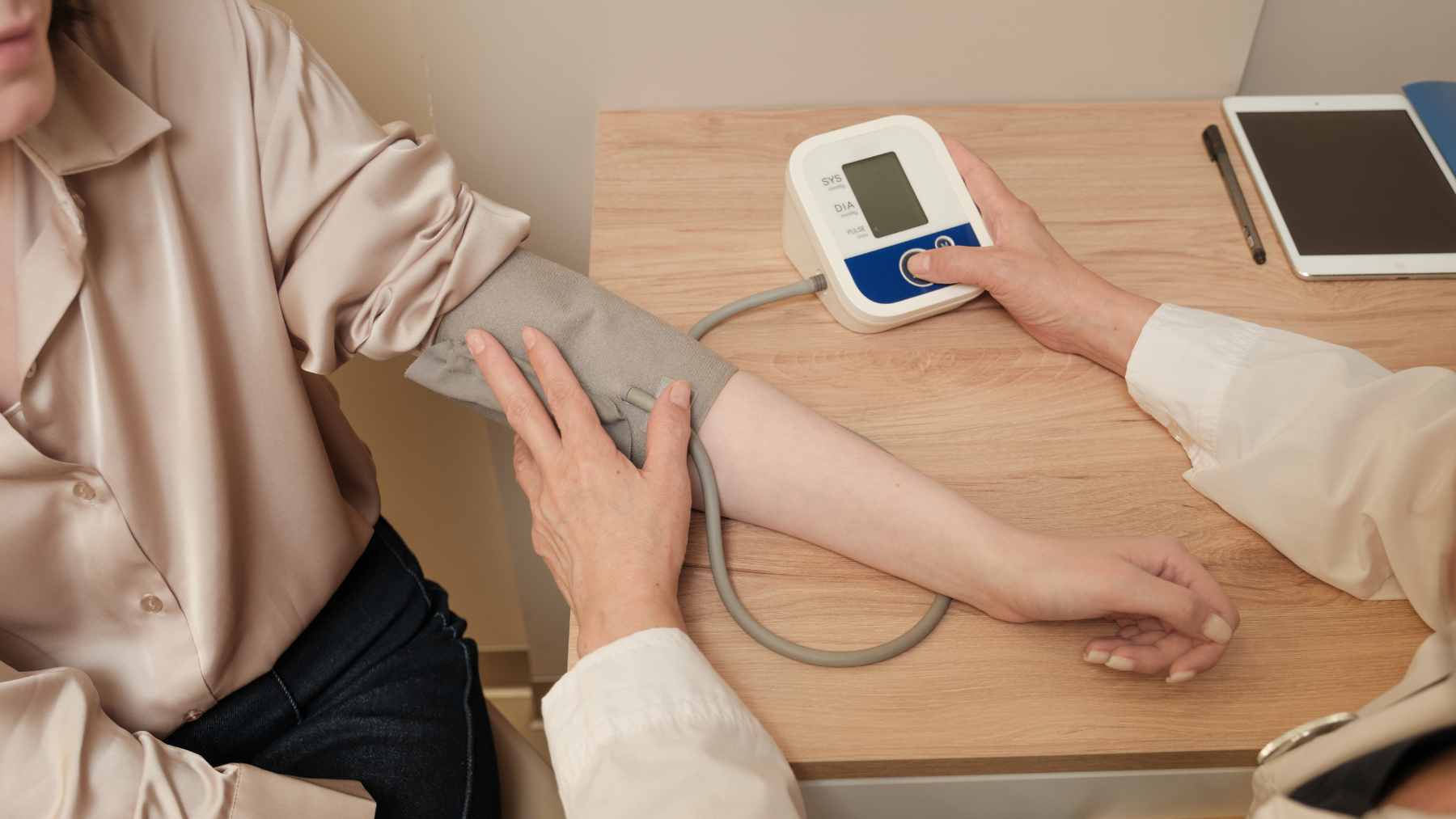
The safest plan is to measure blood pressure at home, bring the numbers to appointments, and adjust treatment with a health care professional. Small habits can move the needle, but stopping blood pressure medicines on your own can be dangerous.
The main study has been published in Circulation.