Aging does not start with one loud alarm. For many women, the 40s bring quieter changes. Sleep can feel lighter, digestion gets touchier, stress lands harder, and hormones begin to shift.
Spanish nutritionist Vanesa León says one simple place to start is the gut. “After age 40, the intestinal microbiota improves with a diet rich in fiber and fresh foods,” she said, pointing to daily meals as a practical tool for digestive health.
Why the gut matters after 40
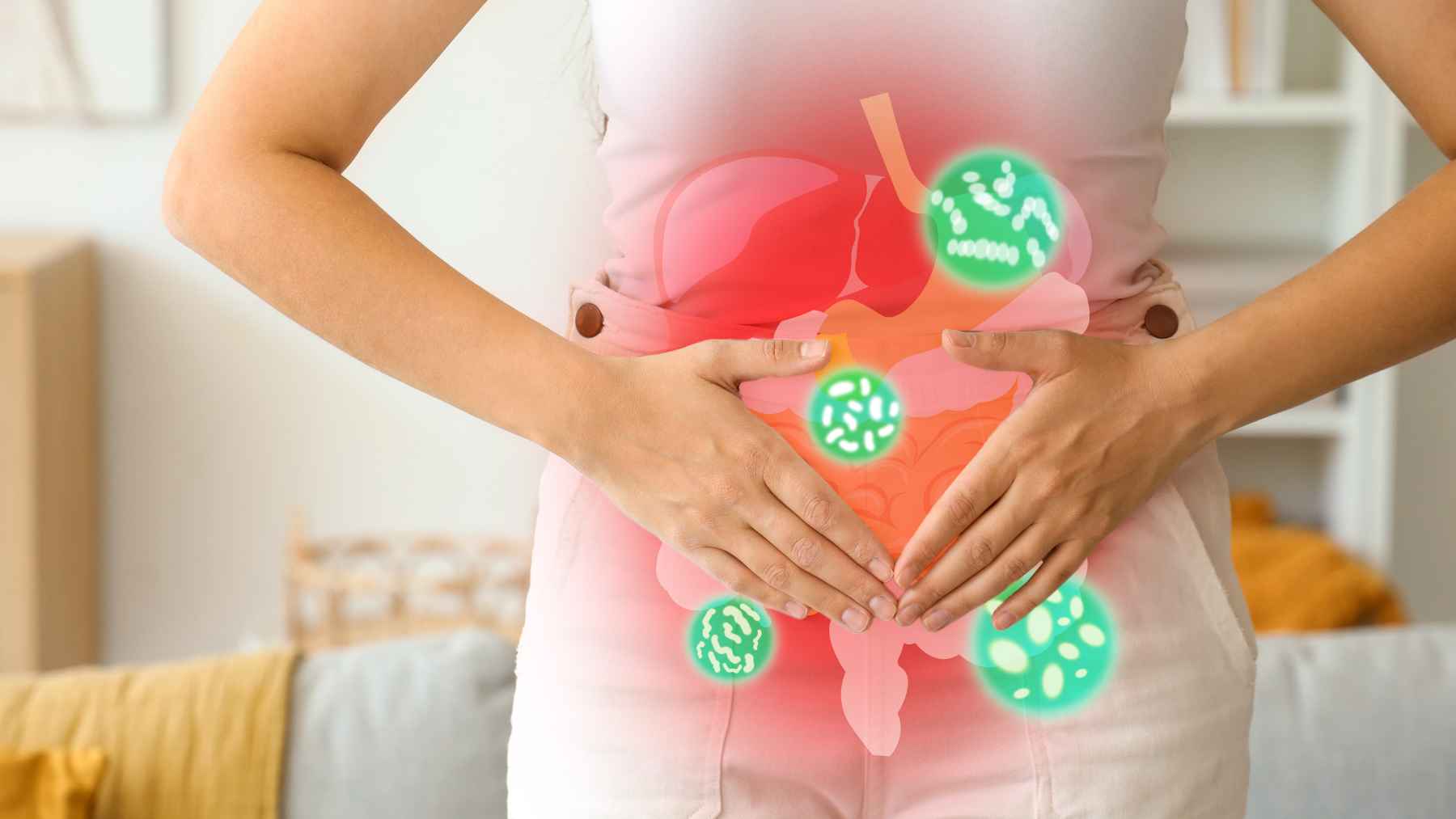
The microbiota is the community of bacteria and other tiny organisms that live mostly in the intestines. They help break down food, interact with the immune system, and take part in signals that affect the rest of the body.
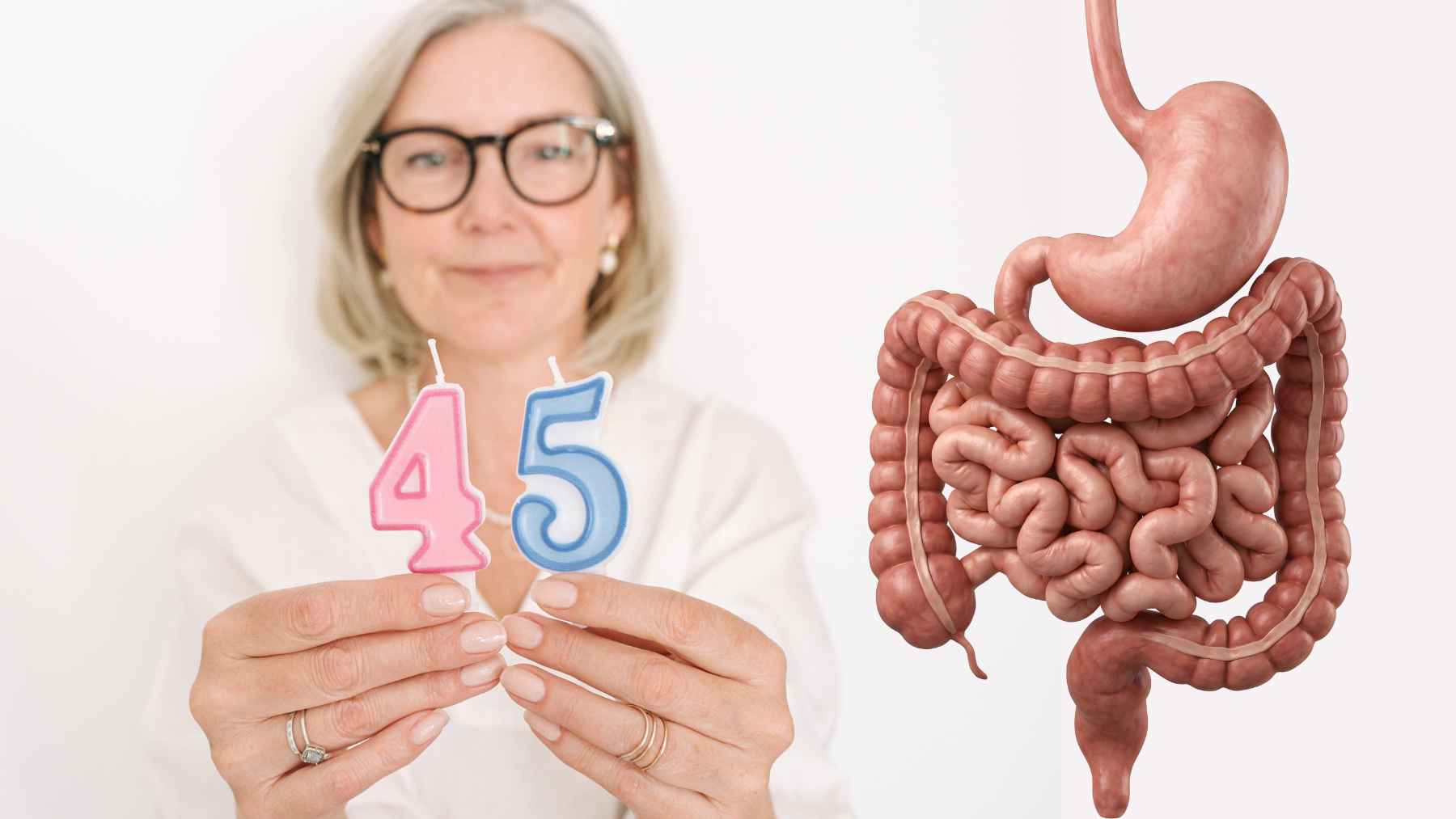
Most women begin the menopausal transition in their 40s, and the most common age for reaching menopause is between 45 and 55, according to MedlinePlus. That means the late 40s and early 50s are often not just a birthday milestone, but a body systems shift.
Fiber feeds the microbes
Fiber is the part of plant foods the body does not fully digest. That sounds like a waste, but it is actually useful. Some gut bacteria use fiber as food and turn it into compounds that help the gut environment stay more stable.
The National Institute of Diabetes and Digestive and Kidney Diseases reported that a diet with adequate fiber and minimally processed foods changed microbial diversity in a randomized clinical trial. It also increased microbes able to break down fiber more efficiently.
For everyday eating, the takeaway is familiar: more beans, oats, brown rice, vegetables, and fruit. It also means fewer ultra-processed snacks that leave the gut with less to work with.
Fermented foods add another layer
Fermented foods are foods transformed by helpful microbes. Yogurt, kefir, kimchi, sauerkraut, miso, and fermented vegetables are common examples. They are not magic, but they can bring live cultures and useful food compounds to the diet.
Stanford Medicine reported that a 10-week fermented-food diet in 36 healthy adults increased gut microbe diversity and lowered several markers of inflammation. That does not mean everyone needs kombucha in the fridge, but it suggests live-culture foods may matter as part of a broader diet.
The hormone connection
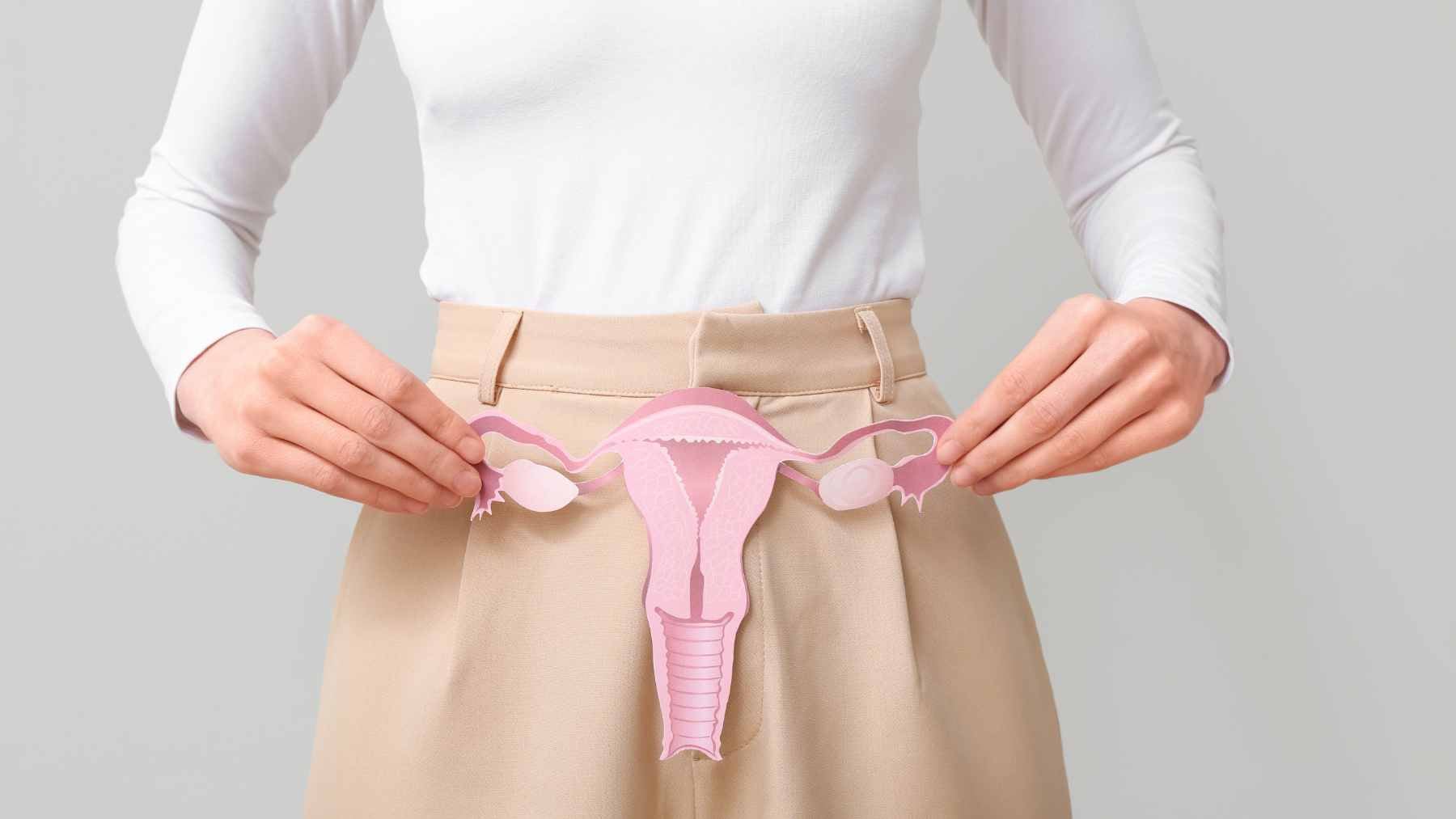
A 2025 review led by Maria R. Nieto and colleagues at the University of Seville explains why the gut conversation has moved beyond digestion. Menopause changes estrogen and progesterone levels, and those shifts can influence microbial communities in the gut, mouth, and urogenital tract.
That relationship can also run the other way. Some gut microbes help process sex hormones, so an altered microbiota may become part of the wider midlife health picture. The trouble is, scientists are still working out who is most affected and which interventions work best.
What can disturb it
Álvaro Campillo, a digestive surgeon cited by ¡HOLA!, pointed to everyday habits that can push the gut out of balance. Too much alcohol, lots of sugar, irregular late nights, fewer workouts, and frequent heavy meals can all make the gut work under less favorable conditions.
This is where the advice becomes more real. A late dinner after a long day, a weekend of sweets, or skipped movement because life got busy may not ruin health, but repeated often, those habits can stack up.
Gut and brain signals
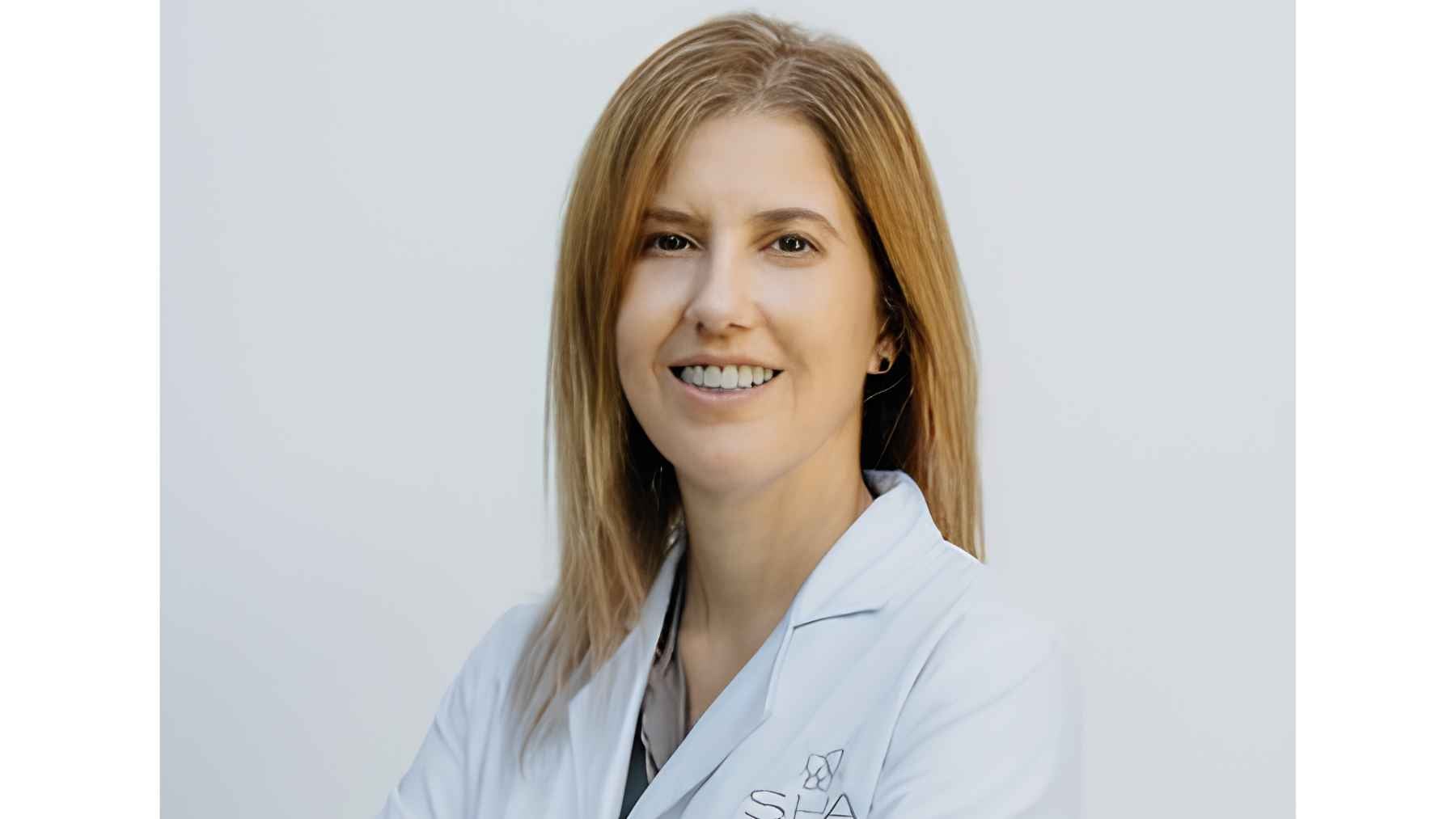
Mariel Silva, medical director of SHA Spain, put the gut-brain link in plain terms. Before an exam, an interview, or a tense conversation, many people feel a knot in the stomach.
That everyday example matches what scientists call the gut-brain axis, a two-way signal system between the digestive tract and the nervous system.
Johns Hopkins Medicine notes that irritation in the gastrointestinal system may send signals to the central nervous system that can trigger mood changes. On the other hand, stress can also change digestion. Anyone who has felt stomach trouble before a big meeting knows the feeling.
Bones, heart, and supplements
León also urged women past 40 to pay attention to bone and heart health. Vitamin D helps the body absorb calcium and, with calcium, helps protect against osteoporosis, while vitamin K is being studied for possible bone benefits.
The evidence on vitamin K supplements is mixed, so personal medical advice matters.
Omega-3 fats also remain part of the conversation. The Office of Dietary Supplements says eating fish and seafood as part of a balanced diet promotes heart health, while fish oil supplements may lower triglycerides and may help some people more than others. For the most part, the food pattern still comes first.
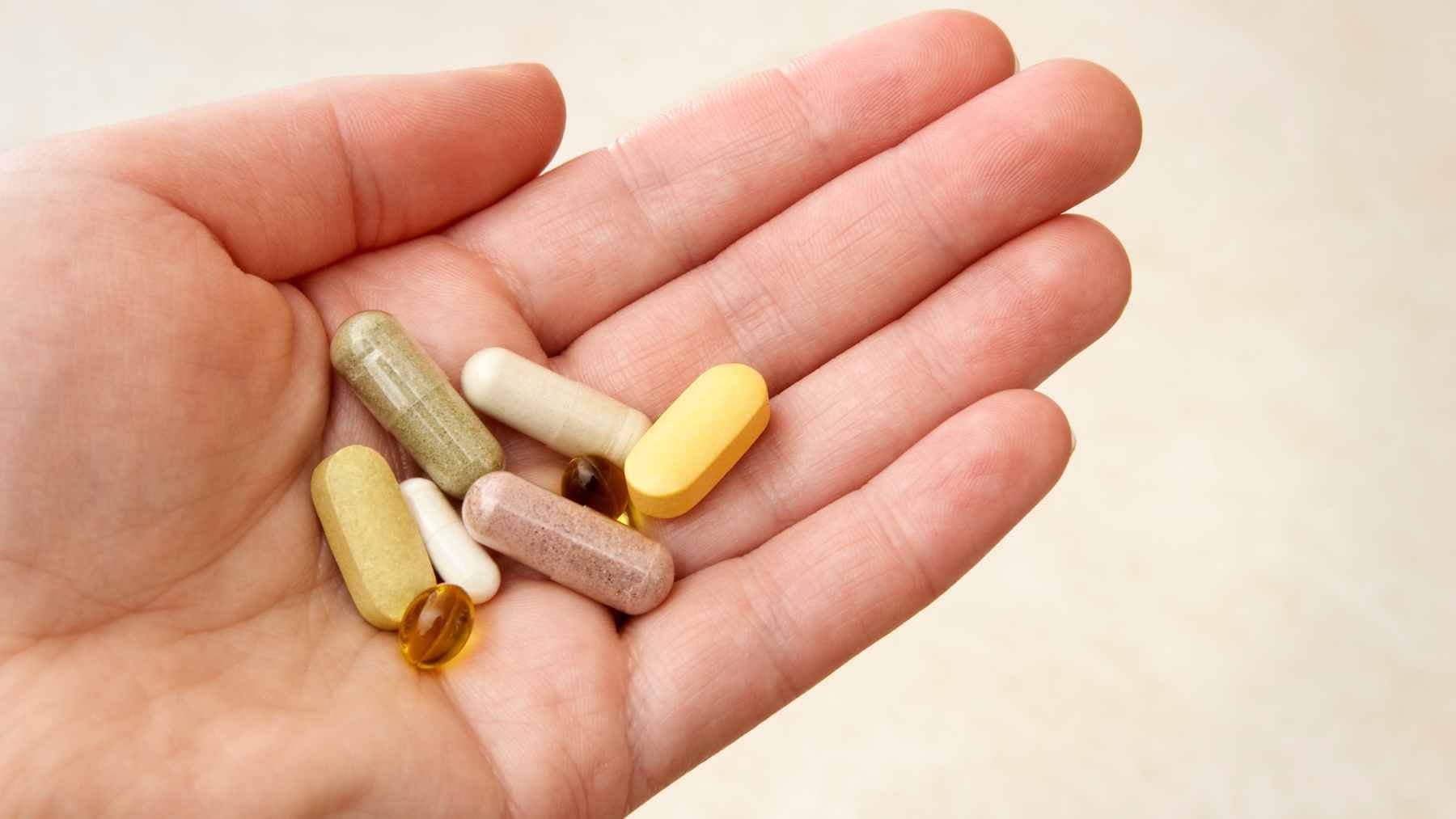
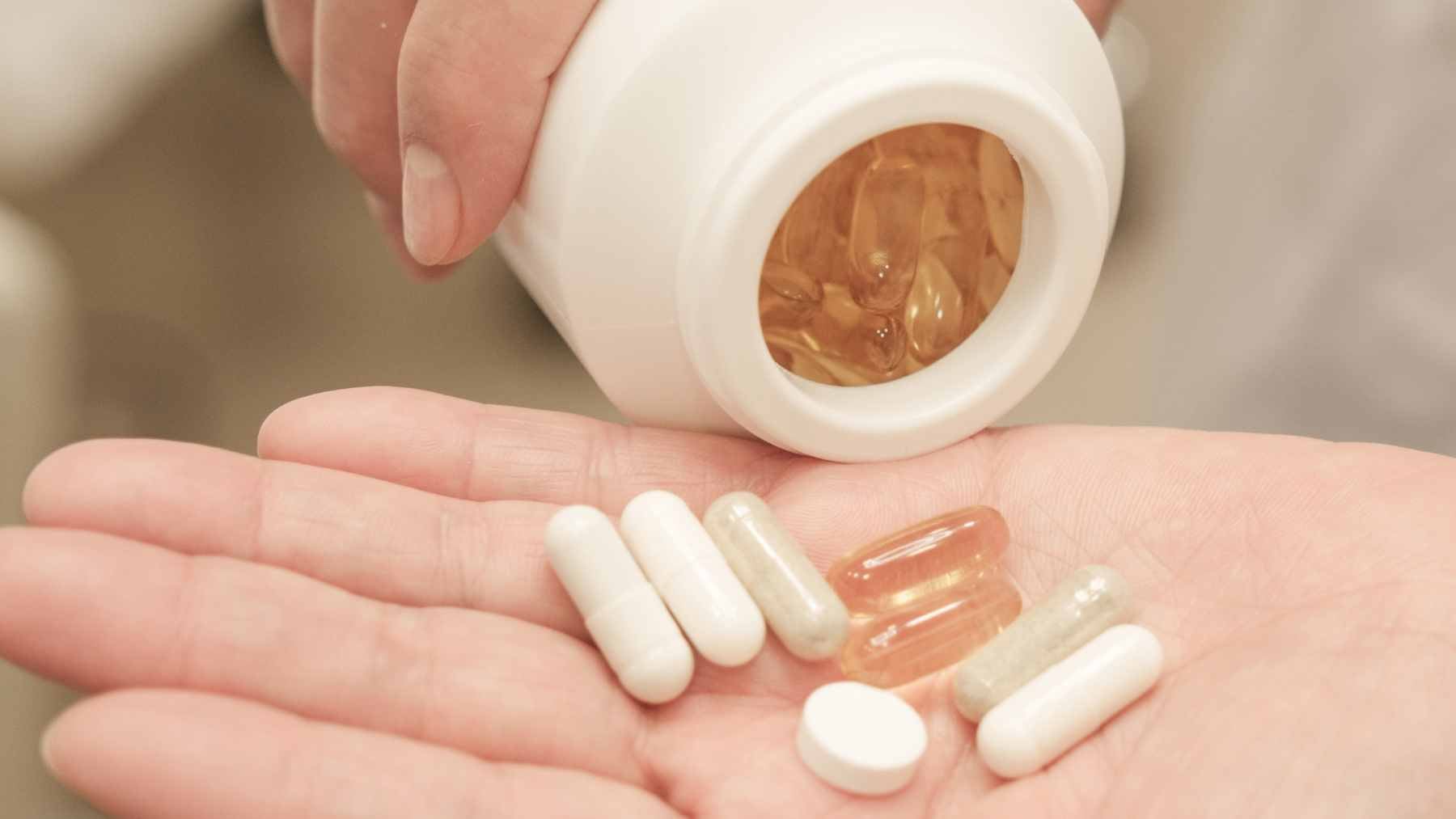
León, technical advisor at El Granero, made the same point about supplements in an interview with El Botiquín Natural. “They do not replace a healthy, sustainable, adapted, and mindful diet,” she said. In other words, capsules can support a plan, but they do not replace the meal.
A simple midlife reset
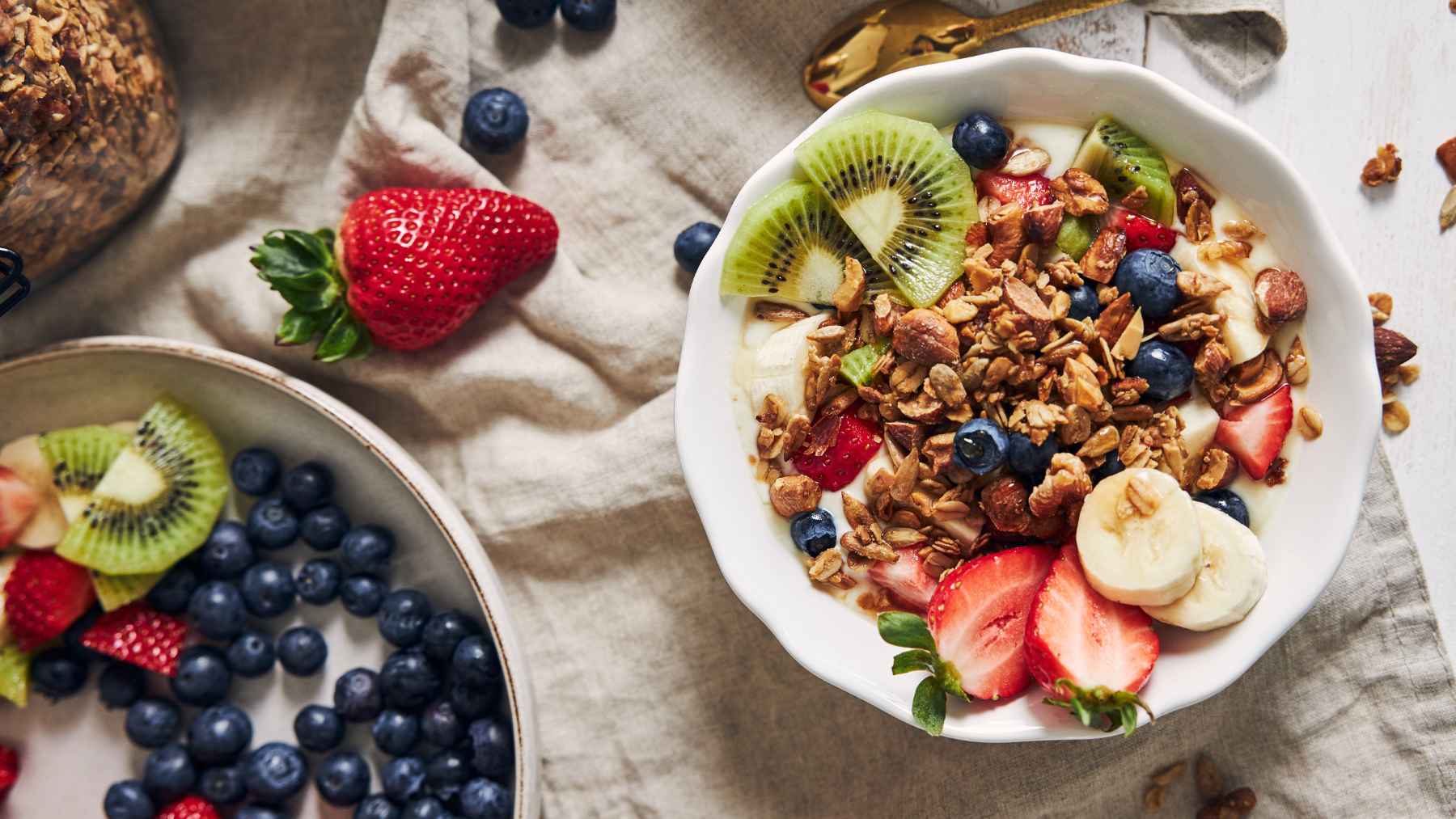
What does all of this look like at the table? It is not a perfect wellness routine. It can be oatmeal with fruit, beans at lunch, vegetables with dinner, plain yogurt, and enough time to eat without scrolling or rushing.
At the end of the day, the message is steady rather than spectacular. After 40, fiber, fresh foods, fermented foods, sleep, exercise, and stress control may help protect the microbiota and the rest of the body that talks to it.
The official review has been published in npj Women’s Health.