A place to talk can sound simple. In Chihuahua, that simple idea is now being presented as part of a wider push to protect men’s mental health, strengthen families, and make it easier for men to ask for help before problems grow.
Chihuahua’s city government, through its Municipal Institute for Prevention and Health Care, has invited men in the capital to join a weekly support group designed for dialogue, emotional care, and peer support.
The central message is clear enough for anyone to understand: men also carry pressure, and silence is not a treatment plan.
A place to be heard
The Support Group for Men is meant to offer a safe and respectful space where participants can talk about what they are living through. That may include stress at work, family responsibilities, relationship problems, fatherhood, loneliness, or the everyday pressure to “keep it together.”
The group is also guided by mental health professionals, according to the municipal announcement. That matters because a support circle is not just casual conversation. Essentially, it gives men a structured place to listen, speak, and learn healthier ways to deal with emotions.
The sessions take place every Tuesday in the Bolívar neighborhood, in the downtown area. For many men, that fixed weekly schedule may be the first step toward making emotional care part of ordinary life.
Why this matters now
Mental health is often discussed as a private issue, something people should solve alone. The numbers show why public programs like this one are not minor details, though.
In 2024, Mexico recorded 8,856 suicide deaths among people age 10 and older, with a national rate of 6.8 per 100,000 residents. The rate among men was 11.2 per 100,000, compared with 2.6 among women, and Chihuahua had the highest state rate in the country at 16.4 per 100,000, according to INEGI.
Those figures do not explain every story. They do show, however, that men’s mental health deserves direct attention, not just sympathy after a crisis has already happened.
Breaking old habits
Why do some men wait so long before asking for help? Part of the answer is cultural.
Many boys grow up hearing that being strong means staying quiet. Over time, that message can turn into a wall, especially when someone is facing debt, job stress, separation, grief, or conflict at home.
The trouble is, silence can make problems harder to name and harder to manage. That is why the group focuses on listening, shared experience, and emotional expression in plain language.
What happens inside
The group gives participants a chance to reflect on emotions, personal relationships, self-care, and fatherhood. It also opens space for conversations about what it means to be responsible without carrying everything alone.
This kind of setting can help men recognize patterns that affect their homes. A father who learns to speak calmly about frustration, for example, may also change how conflict unfolds at the dinner table.
That does not mean one weekly session solves everything, but it can give participants tools. Sometimes a tool is what keeps a hard day from becoming something worse.
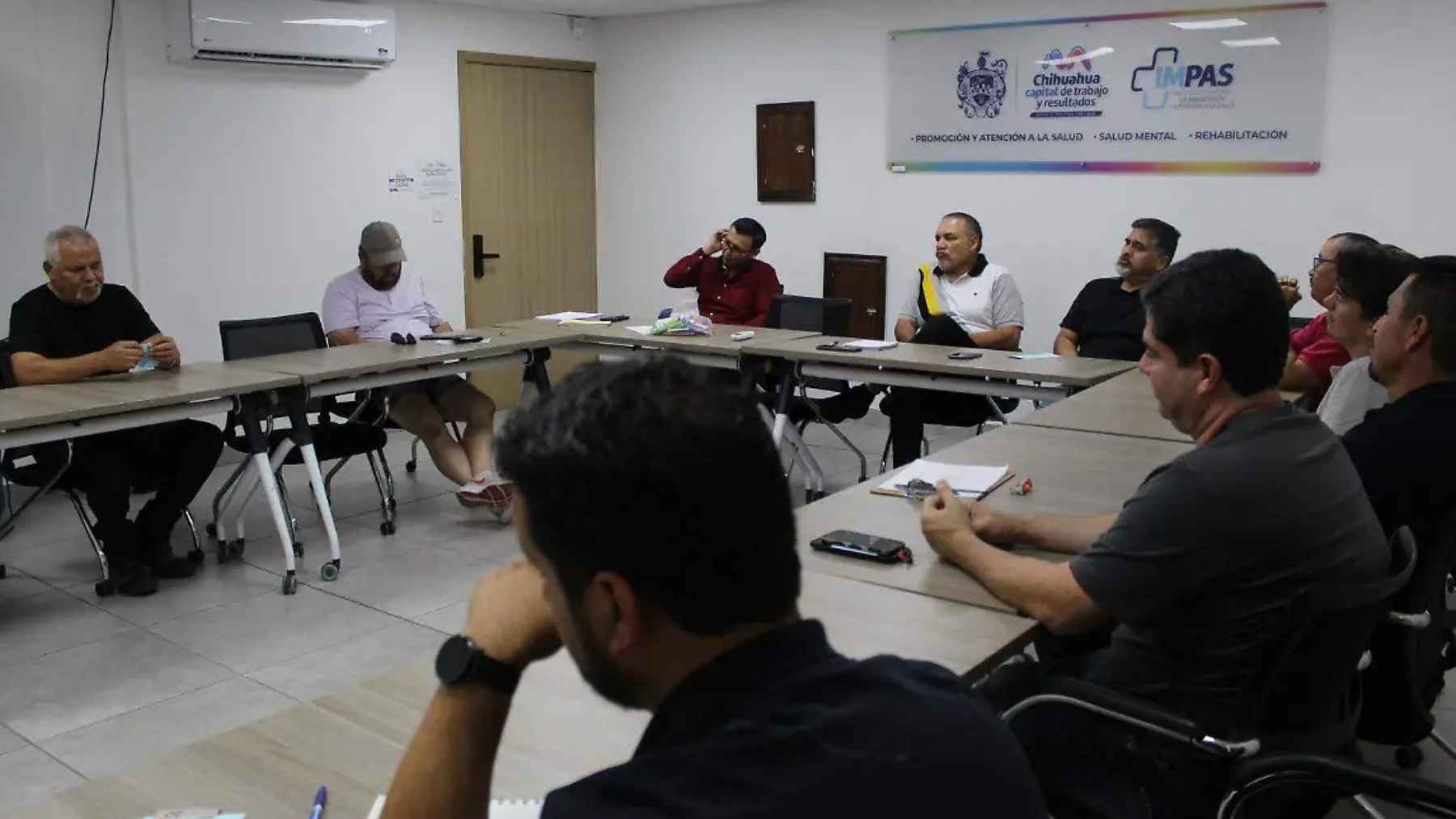
Participants gather during a weekly men’s mental health support group in Chihuahua, where trained professionals lead discussions focused on emotional well-being, stress management, and peer support.
A prevention strategy
From a public health view, support groups work best when they lower the barrier to asking for help. They can make emotional distress feel less shameful and more manageable.
The World Health Organization says stigma and taboo can keep people from seeking help, while early identification, support, and follow-up are part of suicide prevention. It also notes that more than 720,000 people die by suicide worldwide each year.
That is where local programs come in. They bring the big public health message down to the neighborhood level, where people actually live, work, argue, parent, and try again the next morning.
Healthier homes
The program also has a community angle. Officials are framing men’s mental health not only as an individual concern, but as something that affects families and social life.
When people have better ways to manage anger, fear, sadness, or pressure, communication can improve at home. That may also help prevent forms of violence that often begin with untreated stress and poor emotional control.
At the end of the day, what this group is trying to do is fairly direct. It gives men a room, a time, and permission to say what is going on.
How to attend
The invitation is open to men in Chihuahua city who are looking for support in an environment based on trust and respect. The weekly meetings are held Tuesdays from 6 to 8 p.m.
No one needs to arrive with perfect words. Sometimes the first sentence is simply, “I do not know where to start.”
That may be enough. For many people, being heard is the first door that opens.
The official press release has been published by Chihuahua’s municipal government.