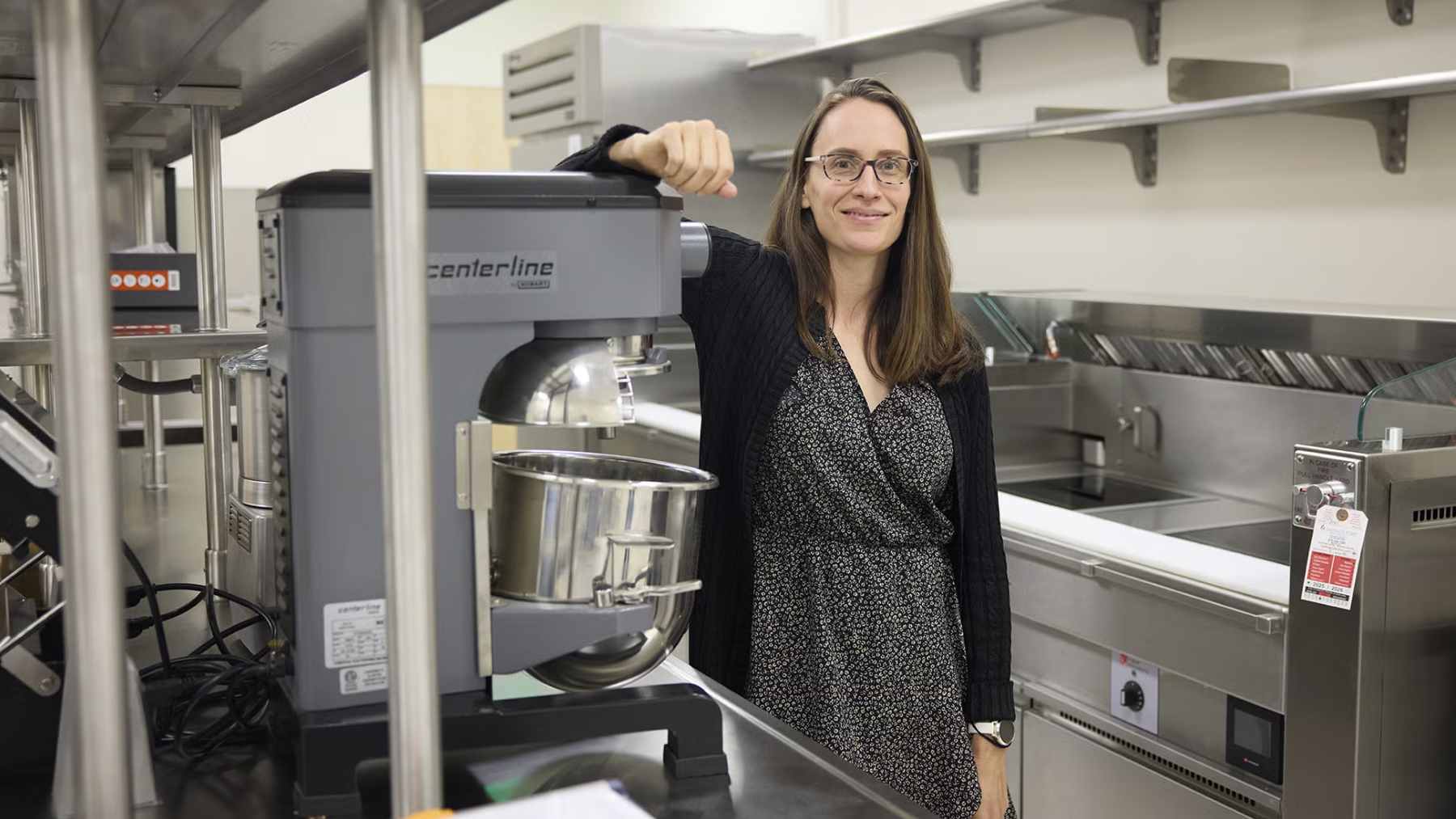
Skipping a late snack may do more than cut calories. Courtney Marie Peterson, an associate professor of nutrition at the Harvard T.H. Chan School of Public Health, says scientists start to see a rise in autophagy “after about 11 to 13 hours of fasting,” a clue that meal timing may matter more than many people think.
Autophagy is a simple idea. It is the body’s cleanup system, a way for cells to break down worn-out parts and reuse some of the material, a bit like tidying a crowded room before anything new can fit.
What autophagy means
Although the term sounds severe, the process is closer to cellular recycling. Researchers are studying it because damaged proteins and stressed cells are tied to aging, inflammation, and metabolic disease.
The interest is not abstract. A 2019 human trial found that early time-restricted feeding changed glucose patterns and increased signals linked to cellular stress response and autophagy, though the study was small and should not be treated as the final word.
Why timing matters
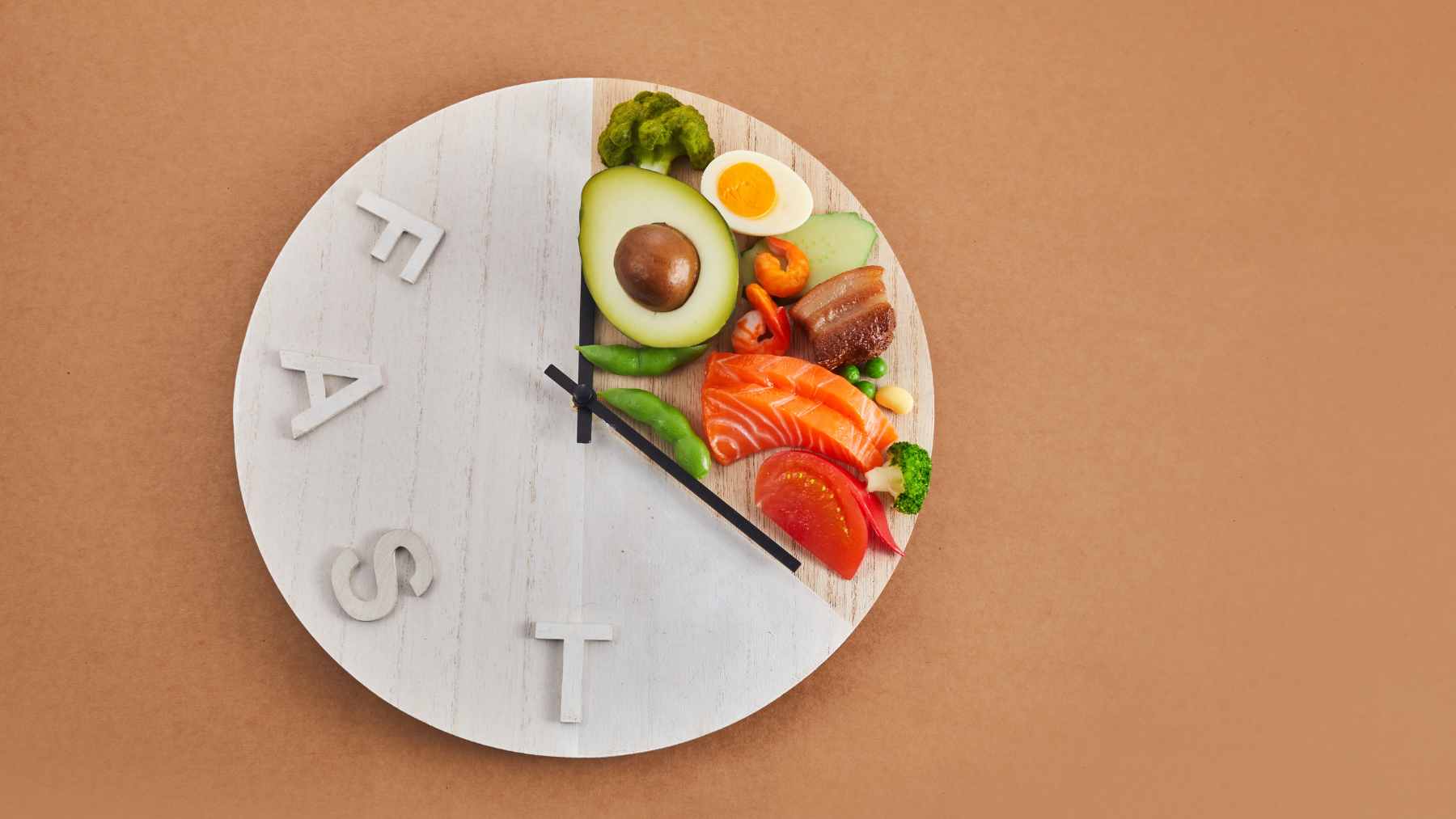
The key message is not just “eat less,” it is also “eat earlier.” That matters because the body does not handle food the same way at every hour of the day.
Comparing meals, breakfast and lunch may be better metabolic real estate than a heavy dinner. In a 2025 school interview, she said early eating windows appear better for blood sugar and blood pressure, while later windows can still help with weight but tend to show smaller effects.
Weight loss is not the whole story
Many people try intermittent fasting because they want the scale to move, but the evidence suggests the main reason is not that fasting magically burns more calories.
The researcher has said daily intermittent fasting seems to help people eat less and feel less hungry, rather than increasing calorie burn.

A 2026 Personal View in The Lancet Diabetes & Endocrinology described more than 225 clinical trials on intermittent fasting, including nearly 40 in people with diabetes or prediabetes.
The numbers are still worth noting. In a randomized clinical trial of 90 adults with obesity, early time-restricted eating led to about 14 lbs. of weight loss over 14 weeks, compared with almost 9 lbs. in the group eating over 12 or more hours.
Blood sugar and blood pressure
The most practical finding may be about blood sugar, not jeans size. The Living Room Podcast episode summary says 27 of 28 clinical diabetes studies found better glucose control with intermittent fasting, a result that helps explain why doctors and researchers are watching the field closely.
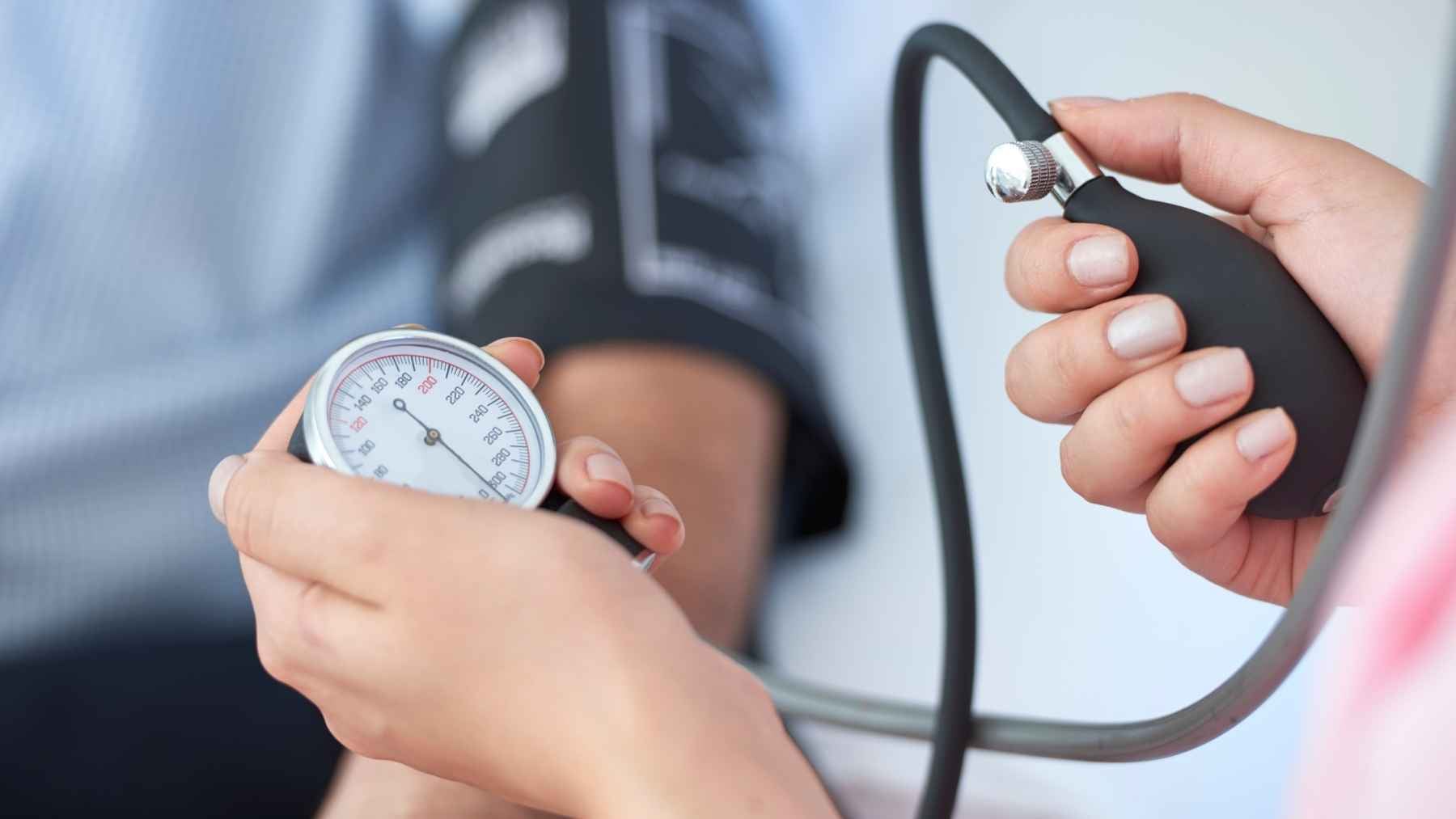
Blood pressure may also respond. In the school’s summary of her work, she said researchers have seen large decreases in blood pressure, though more studies are needed to separate the effects of weight loss from the fasting window itself.
That is where the everyday impact becomes clearer. For someone watching a blood glucose monitor, managing hypertension, or trying to avoid the afternoon crash, meal timing may become another tool alongside food quality, movement, medication, and sleep.
Sleep changes everything
Here is the part many diet debates miss. A bad night of sleep can throw blood sugar control off quickly, even when the refrigerator is full of good intentions.
A 2022 review in Sleep Medicine Reviews found that sleep restriction reduced insulin sensitivity in randomized trials, and circadian misalignment also harmed metabolic function. That fits the warning that sleeping too little may worsen blood sugar control faster than many common diet mistakes.
That does not mean a perfect bedtime fixes everything. It does mean fasting should not be treated as a standalone trick, especially for people living with late shifts, stress, young children, or that pesky middle-of-the-night insomnia many Americans know too well.
Who should be careful
Intermittent fasting is not for everyone. The school interview notes that people with diabetes should consult a doctor because medication may need adjustment, and fasting is not recommended during pregnancy or for children.
There is also a social side that studies cannot fully solve. Early dinners can clash with family meals, work schedules, sports practice, and weekend plans, so the most biologically elegant eating window may not be the most realistic one.
Still, a modest version may be easier than it sounds. For many people, it could mean stopping snacks after dinner, moving dinner earlier when possible, and keeping most calories earlier in the day instead of saving the biggest meal for late evening.
What the evidence says now
The field has moved beyond simple hype, but it is not finished. Early time-restricted eating looks promising for appetite, weight, glucose control, blood pressure, and possibly cellular repair, but researchers are still asking who benefits most and how long the fast should be.
At the end of the day, the message is not to starve. It is to give the body a daily pause, line up meals more closely with its internal clock, and remember that sleep is part of the same metabolic story.
The official study led by Humaira Jamshed, with research tied to the University of Alabama at Birmingham, has been published in Nutrients.