Protein has become a health buzzword, showing up in shakes, snack bars, cereal boxes, and gym advice. But a new longevity study suggests the bigger question may not be simply how much protein people eat, but what kind of amino acids come with it.
A team led by Valter Longo at the USC Leonard Davis School of Gerontology, with first author Maura Fanti and colleagues from the University of Toronto and Harvard University, found that a mostly plant-based diet with fish and a carefully adjusted dose of methionine improved healthy aging markers in mice.
The researchers also analyzed data from more than 200,000 people and found that higher animal protein intake was linked to more obesity and twice the rate of type-2 diabetes, though the human findings do not prove cause and effect.
A different protein question
Methionine is an essential amino acid, which means the body needs it from food. It helps build proteins and support normal biology, but this study suggests the amount may matter more than many people realize.
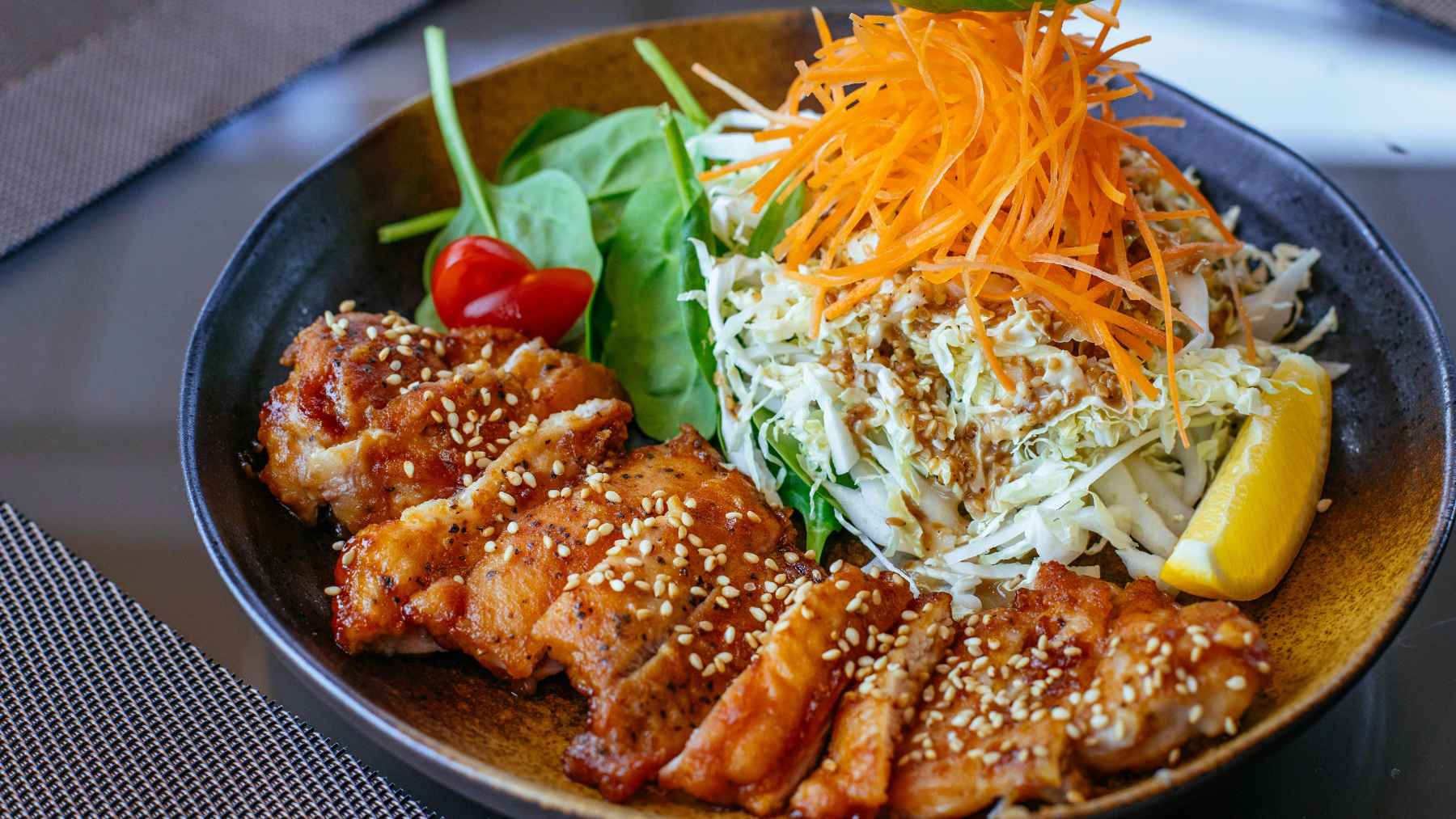
The diet tested by Longo’s group was inspired by Mediterranean-style eating and traditional diets from long-lived populations. In short, that includes mostly plants, some fish, and lower overall animal protein, not a magic menu or a crash diet.
What happened in mice
Researchers tested four diets in older mice, including a standard diet, a Western-style diet high in fats and sugars, a low-carbohydrate ketogenic diet, and a low-protein longevity diet supplemented with methionine.
The mice on the longevity diet showed longer healthspan, which means more time spent in good health, along with less fat mass and less frailty.
That last point matters. Living longer is one thing, but staying strong enough to move, eat, and function well is the part most people care about in everyday life.
Why one amino acid stood out
Fanti said the surprising part was how changing “just a single amino acid” could lead to major metabolic shifts. The lesson, she noted, points toward amino acid composition, not just total protein quantity, as a possible target for future nutrition research.
Longo also stressed the balance. Too little methionine caused frailty, while too much erased the benefits seen with the longevity diet. In other words, this is not a simple “less is always better” story.
The calorie twist
One of the most striking findings was that mice on the longevity diet could eat as many calories as other groups and still lose fat without losing lean body mass. That happened only when methionine stayed low but sufficient.
That challenges a familiar idea in dieting. For the most part, weight loss advice starts with calories, but this study hints that the body may also respond strongly to the amino acid mix in food.
What the human data suggests
The human part of the research looked at existing diet and health data from more than 200,000 people.
Those who consumed the most animal protein, and therefore more methionine and other essential amino acids, had a higher prevalence of obesity and about twice the rate of type-2 diabetes compared with people who ate little or no animal protein.
Longo told Infobae that many people still view high animal protein intake as healthy. His argument is more nuanced than “avoid protein,” though. He is pointing toward low but sufficient protein and amino acid intake, especially from mostly plant-based foods with some fish.
Signals inside the body
The mice on the longevity diet also showed better cardiometabolic markers. These included higher levels of GLP-1, a signal involved in blood sugar and appetite, and FGF21, a hormone-like signal linked to how the body responds to protein restriction and energy balance.

This finding fits with earlier protein and aging research, including a 2014 Cell Metabolism study on lower protein intake and health risks in middle-aged adults, as well as a 2022 Nature Communications study showing that FGF21 was needed for protein restriction to improve lifespan and metabolism in male mice.
Not a prescription yet
What should people do with all this? For now, the safest answer is caution, especially because the strongest experimental evidence comes from mice.
Older adults, athletes, pregnant people, and anyone with medical conditions may have different protein needs. Cutting essential amino acids too aggressively or taking methionine supplements without guidance could backfire.
The next test
The researchers want to run a controlled clinical trial of the longevity diet in people. That is the step that could show whether the mouse findings translate into real-world human benefits.
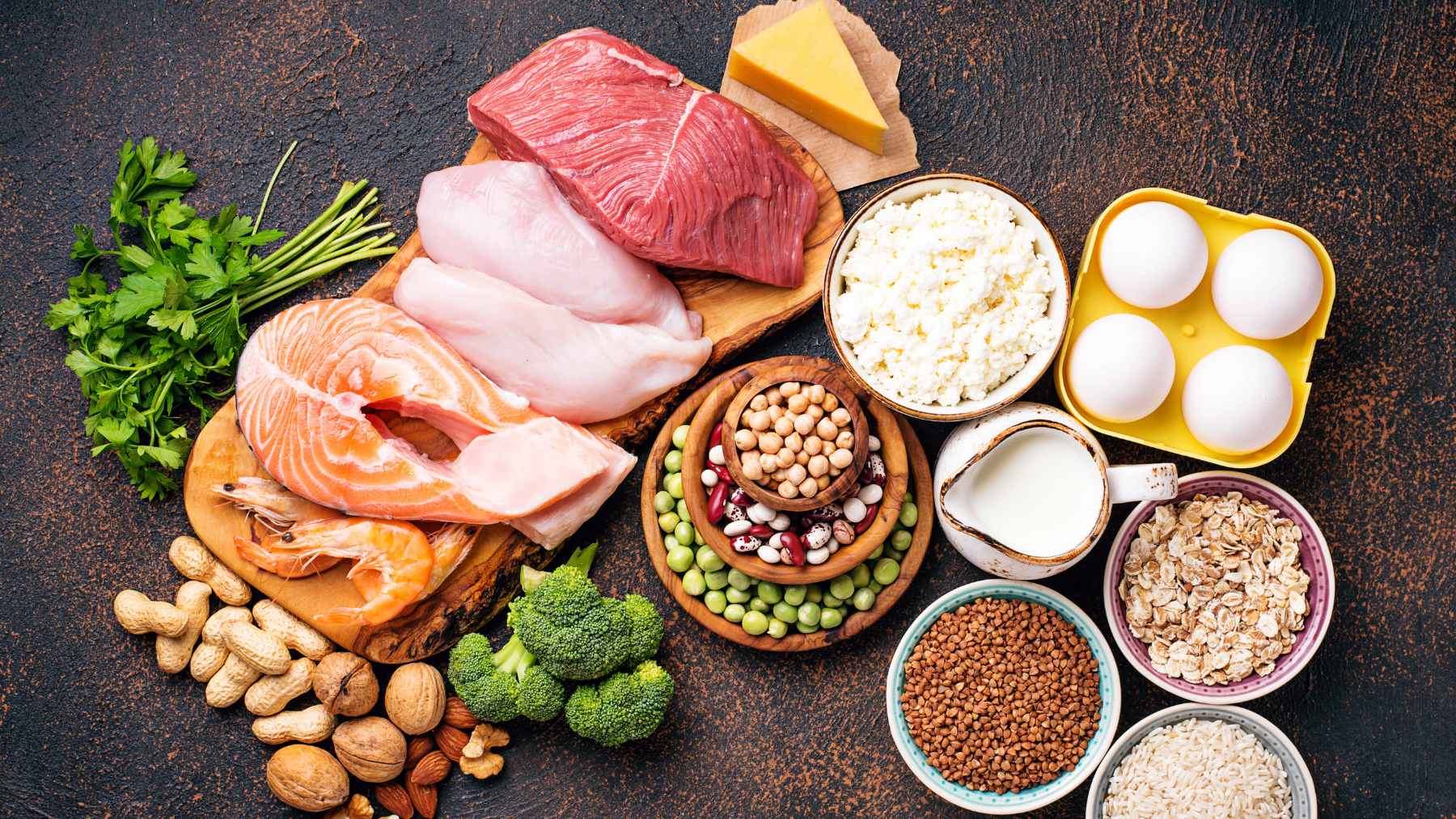
For now, the study adds weight to a practical idea that already sounds familiar at the dinner table. More vegetables, legumes, whole grains, nuts, and some fish may matter not just because they are “healthy,” but because they change the amino acid pattern the body sees every day.
The official study has been published in Cell Metabolism.