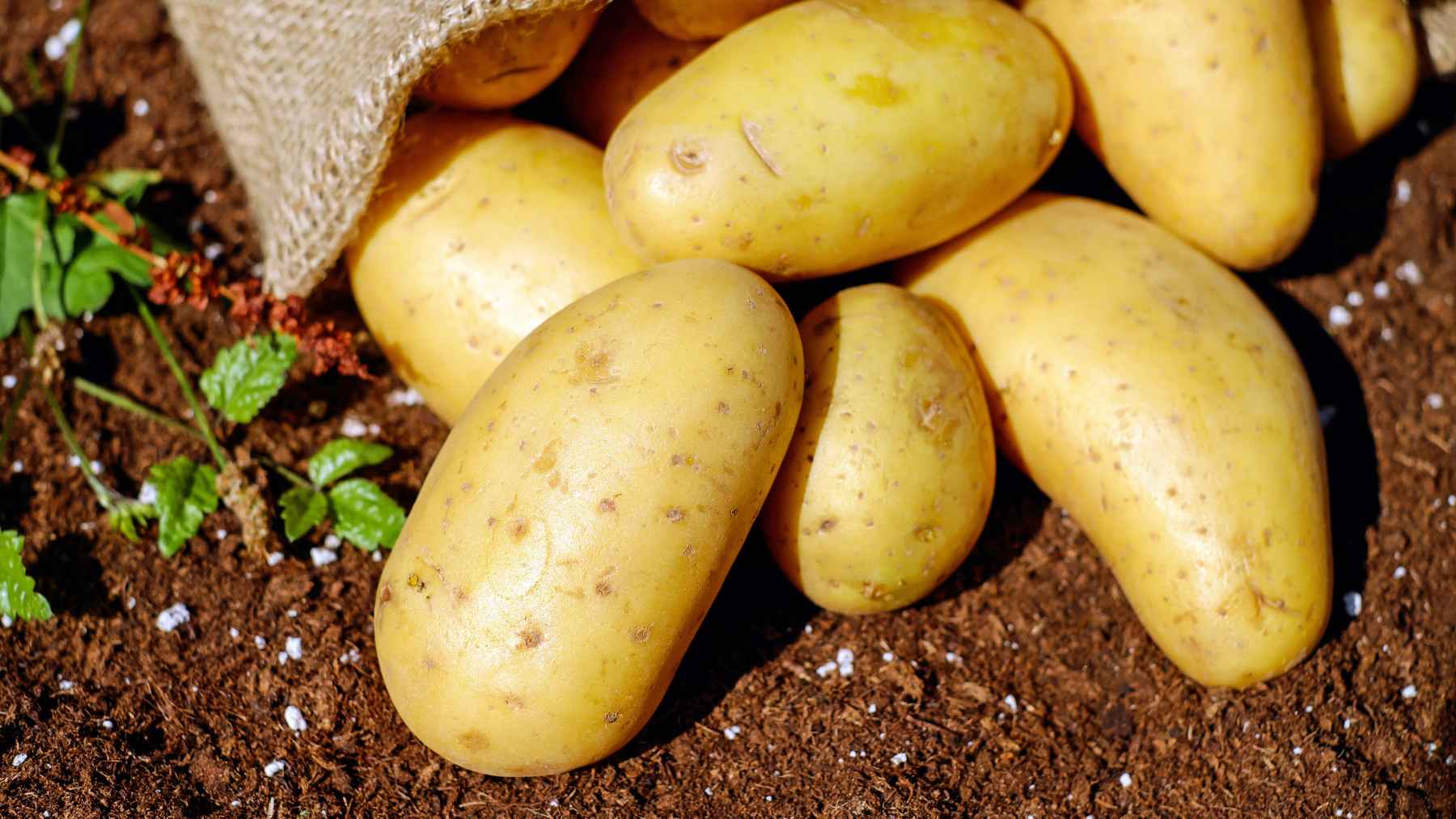
A bag of potatoes can go from dinner backup to soft, sprouting mystery surprisingly fast. One week it is ready for soup, fries, or a baked potato, and the next it has wrinkled skins, pale shoots, and that musty smell nobody wants near the kitchen.
A popular pantry trick says baking soda can help potatoes last longer by fighting damp smells. The useful part is real, to a point, but food-storage guidance points to a bigger rule. Potatoes last longest when they are cool, dark, dry on the surface, and able to breathe.
Why potatoes sprout
Potatoes are not dead after harvest. They are tubers, which means swollen underground stems that store food for the plant, and they still use oxygen and release carbon dioxide. For storage lasting weeks, extension guidance points to a cool, dark, ventilated space near 42° to 55°F.
These details matter because many kitchens are warmer than that. A cabinet by the oven or a spot under the sink may feel convenient, but it can act like a small greenhouse. That’s when the quiet bag in the corner starts growing “eyes.”
The baking soda catch
So, can baking soda really save the bag? Baking soda can help with some odors because it reacts with certain smelly compounds rather than simply covering them up, according to McGill University’s Office for Science and Society. That does not make it a proven sprout stopper, though.
The viral version often says to sprinkle it around the potatoes. A cleaner approach is to keep plain baking soda separate, in a small open dish or breathable pouch near the container. Baking powder is not the same tool, and no official potato-storage guidance treats it as a substitute for cool air and darkness.
Build the right spot
The real secret is boring, but it works. Michigan State University Extension recommends a cool, dark, dry, well-ventilated place at around 45° to 50°. It also says potatoes should not be washed until just before preparation.
A paper bag, mesh sack, cardboard box with holes, or perforated plastic bag is better than a sealed plastic container. A tight lid traps moisture and stale air, which leads to more rot and a shorter window before dinner.
Keep the bag away from windows, floor vents, dishwashers, and warm appliances. That little strip of sunlight on the counter may look harmless, but potatoes read it as a signal. Darkness slows greening, and greening is not just a cosmetic issue.
Moisture is tricky
Here is the part that confuses people. Potatoes need some humidity so they do not shrivel, but wet skins invite spoilage. That is why a dry pantry is not perfect, and a damp sealed bag is worse.
The U.S. Food and Drug Administration says produce should be washed under running water before it is prepared or eaten, but it does not recommend soap, detergent, or commercial produce wash. For potatoes, that means scrub them right before cooking, not before storage.
When to toss them
A firm potato with one or two small sprouts may still be usable after the sprouts are removed. But a potato that is mushy, moldy, badly shriveled, mostly green, or full of sprouts belongs in the trash.
Clemson Cooperative Extension warns that potatoes exposed to light can turn green, develop a bitter flavor, and produce a toxic substance.
Do not use baking soda to hide a bad smell. That sour, rotten odor is a warning sign, not an inconvenience. If one potato has collapsed in the bag, sort the batch and clean the storage container before putting the healthy ones back.
A weekly pantry routine
Start by choosing firm potatoes with no bruises, soft spots, green patches, or visible sprouts. At home, move them out of thin store plastic if it has little airflow, then place them in a breathable container lined with clean paper.
A small dish of baking soda nearby can help keep odors in check, but the bigger win is still airflow.
Check the bag once a week. Remove any potato that feels soft, smells off, or has gone too far, because one bad potato can spoil the mood and the groceries. It is a small habit, but it can stretch a bag of potatoes and cut down on food waste.
How long they can last
Under decent home conditions, potatoes often stay at good quality for several weeks. The National Center for Home Food Preservation says fresh white potatoes can be stored for up to two months in a cupboard kept at 50° to 70°, although quality depends on the potatoes and the room.
Claims of two to four months are possible mainly when the potatoes start out healthy and the storage spot behaves more like an old-fashioned root cellar than a warm apartment pantry. At the end of the day, what you are trying to do is slow the potato down, not freeze it in time.
The main official guidance used for this article has been published by University of Idaho Extension.