Can a daily fish oil pill really protect the brain from dementia? A new clinical trial offers a careful answer. An omega-3 fat called DHA did reach the brain, but it did not improve memory, thinking, or brain shrinkage over two years in older adults at higher risk for Alzheimer’s disease.
That finding does not make omega-3 fats useless, but it makes the promise on the bottle look too simple. For the most part, the brain seems to need a full pattern of healthy living, not one capsule sitting in the medicine cabinet.
Why this matters
Americans spend more than $1 billion a year on fish oil supplements, often because omega-3s are marketed as support for the heart and brain. The hope is easy to understand. Dementia is frightening, and a softgel feels like something simple you can do every morning.
The new results suggest, however, that “more omega-3” is not the same as “more memory protection.” The supplement appeared to do what it was supposed to do at first. It raised DHA levels in the fluid around the brain, which means the nutrient reached its target.
What the trial tested
Researchers followed 365 adults ages 55 to 80 who rarely ate fish and had at least one dementia risk factor. About 47% carried APOE4, a gene variant linked to higher late-life Alzheimer’s risk, and participants received either a placebo or 2,000 mg. of DHA each day for two years.
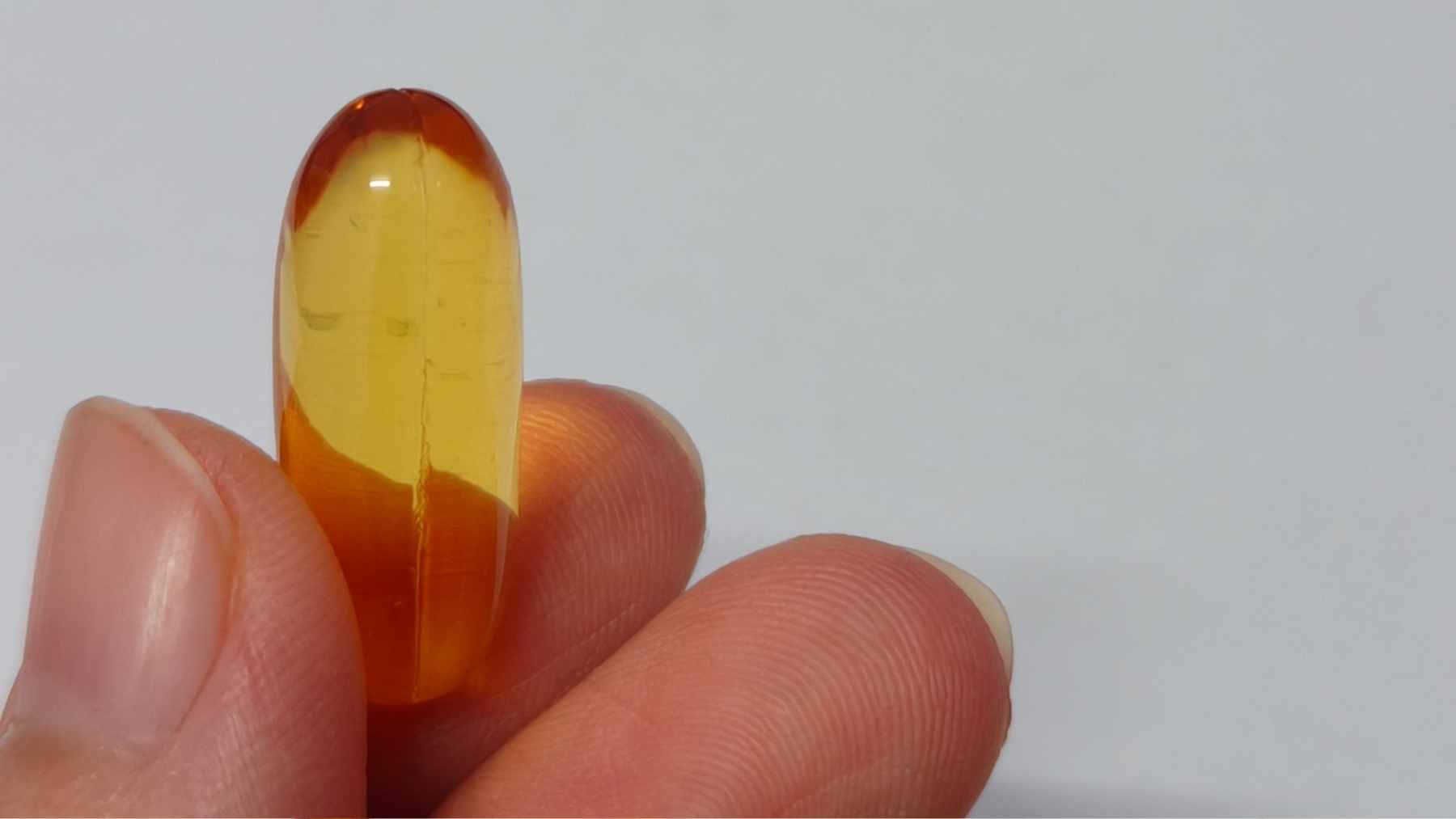
The trial was double-blind, meaning neither the participants nor the researchers knew who was getting DHA until the results were analyzed.
Hussein Naji Yassine, director of the USC Center for Personalized Brain Health and lead investigator at Keck Medicine of USC, said, “our results do not support fish oil supplements as a preventive measure against Alzheimer’s.”
It reached the brain
So, what happened? After six months, DHA levels in cerebrospinal fluid, the clear liquid that surrounds the brain and spinal cord, rose by an average of 17% in people taking the supplement.
That detail matters because it rules out one easy explanation. The trial did not fail because DHA simply missed the brain. It got there, but memory tests, general thinking tests, and brain scans did not show a meaningful advantage over placebo.
What omega-3 actually does
Omega-3 fatty acids are fats the body needs but does not make well enough on its own. The three main types are ALA, EPA, and DHA. ALA mostly comes from plant foods, while EPA and DHA are found in fish and seafood.
DHA helps form brain and eye tissue, while EPA is often discussed for inflammation and heart health. ALA is found in foods like flaxseed, walnuts, and canola oil, but the body only converts some of it into EPA and DHA. Clearly, that means food choices still matter.
Food is not the same as a capsule
Here is the catch: fish is not just a delivery system for omega-3s. Salmon, sardines, mackerel, herring, and trout also bring protein, vitamin D, vitamin B12, selenium, potassium, and other nutrients that may work together.
That is why many experts still point people toward food first. The American Heart Association recommends two servings of fish each week, especially fatty fish, with one cooked serving at about 3 oz. That is closer to a dinner habit than a supplement routine.
Supplements need caution
This does not mean every fish oil capsule is useless. Some people with specific health needs may be told by a clinician to use omega-3 products, especially when triglycerides are high. The point is not to worry, it is to get perspective.
High-dose omega-3 products are not risk-free for everyone. European regulators have warned that omega-3 medicines and supplements can raise the risk of atrial fibrillation, an irregular heartbeat, in people with heart disease or those at high risk, especially at higher doses.
Talk to a doctor before treating long-term, high-dose fish oil like harmless insurance.

The bigger brain health picture
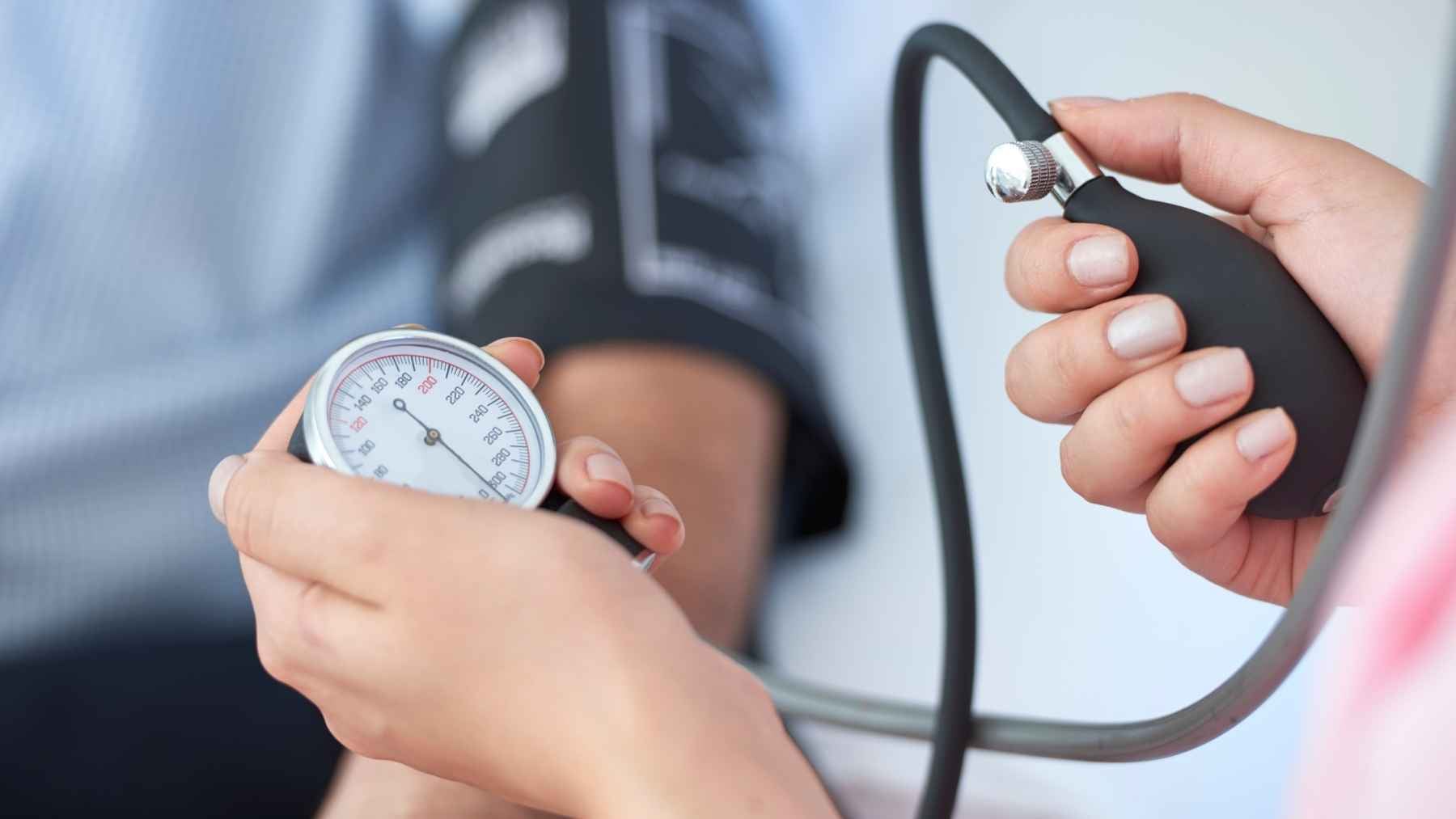
At the end of the day, dementia prevention is not built around one nutrient. Mayo Clinic notes that there is no proven strategy to prevent Alzheimer’s, but healthy habits such as diet, exercise, not smoking, social activity, and control of blood pressure, cholesterol, and diabetes may help reduce risk.
That advice lines up with the direction of wider dementia research. A 2024 Lancet Commission update emphasized several modifiable risk factors, including hypertension, diabetes, physical inactivity, smoking, depression, hearing loss, vision loss, and social isolation. Not cheery, but very real.
What to take away
The new study lands in an uncomfortable middle ground. Omega-3s remain important nutrients, and fish can still be part of a brain-friendly and heart-friendly diet, but a daily fish oil pill should not be sold as dementia insurance.
The better message is more ordinary and more demanding: eat well, move often, sleep enough, protect your heart, stay socially connected, and get medical risks treated early. No single capsule can carry all of that weight.
The main study has been published in eBioMedicine.