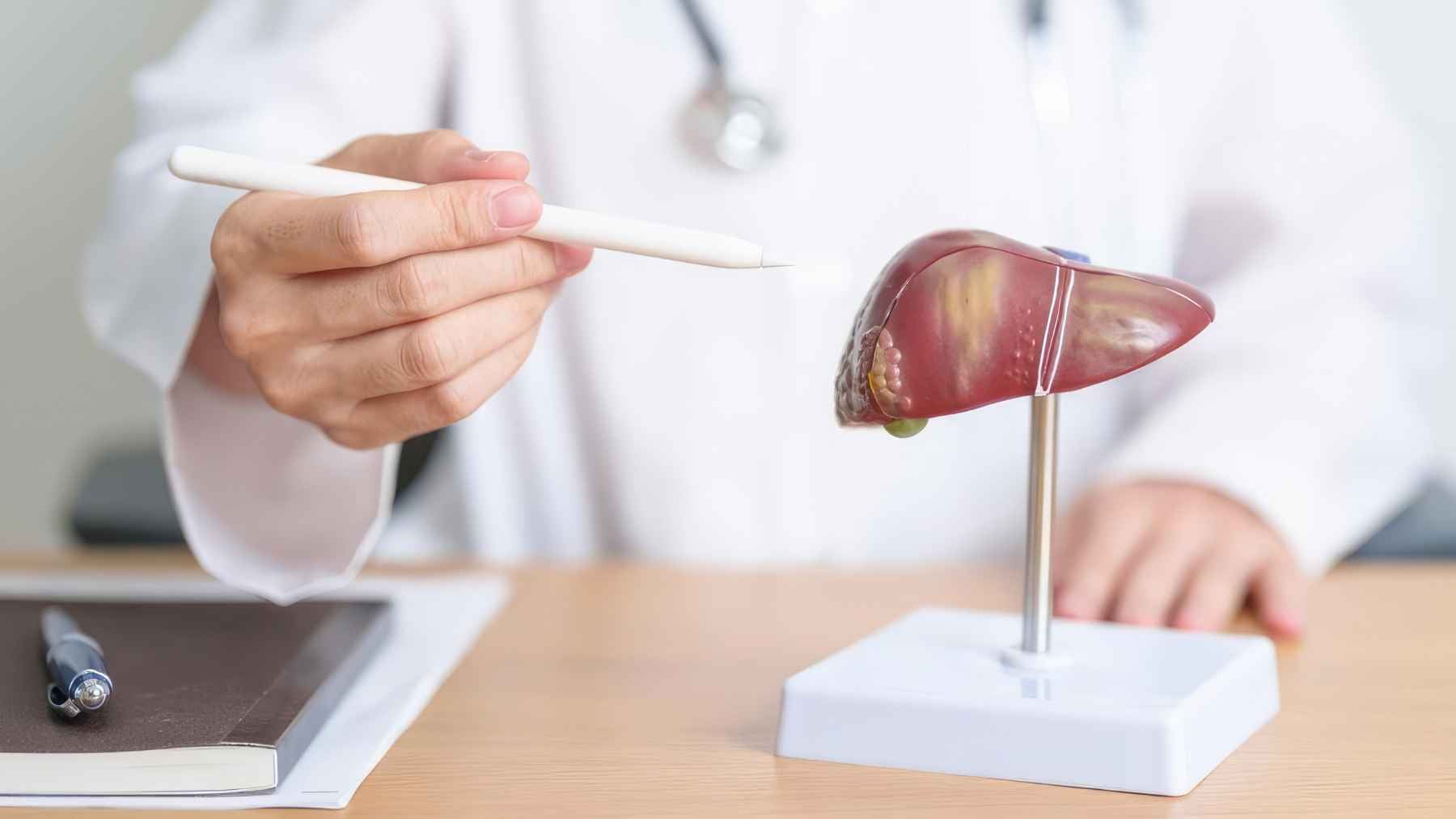
The liver is quiet by design. It usually does not ache when trouble starts, and many people with fatty liver disease have few or no symptoms until a routine blood test or scan finds a problem. That silence is why liver specialists focus so much on daily habits.
Their message is practical and a little uncomfortable. If they had to choose one thing to cut first, it would be alcohol, followed closely by sugary drinks and frequent fast food, because all three can push the liver toward fat buildup, inflammation, and scarring.
Why the liver stays quiet
Your liver acts like a busy processing center. It helps make bile for digesting fat, handles nutrients from food, regulates blood chemicals, and changes alcohol and medicines into forms the body can remove.
Dr. Susan Kais, a gastroenterologist and hepatologist with UC Health and the University of Cincinnati, puts it plainly, saying, “Diet has a phenomenal impact on liver health, perhaps more than most people realize.” Essentially, every meal is either easing the workload or adding sugar, fat, and stress.
The silent fatty liver problem
Doctors now use the term metabolic dysfunction-associated steatotic liver disease for fatty liver tied to metabolism.
In simple terms, fat collects in the liver along with risks such as obesity, type-2 diabetes, high blood pressure, abnormal cholesterol, or insulin resistance, which means the body struggles to use insulin well.
What happens next? For many people, not much at first. But in some cases, fat buildup moves to inflammation, scar tissue, cirrhosis, and liver cancer, which is why the American Association for the Study of Liver Diseases and European medical societies emphasize earlier risk checks.
Alcohol is the first cut
The first target is often the glass, not the plate. Alcohol is mainly processed in the liver, and that process can create chemical stress, irritation, and scarring over time, especially when the organ is already dealing with extra fat.
Kais also warns that alcohol “can worsen any preexisting liver problem,” especially in people who do not know they already have liver damage. The World Health Organization has taken a firm public-health position, saying no level of alcohol use can be considered fully safe for health.
The numbers help explain the concern. Older population data published in Gut found liver-disease risk rising around the equivalent of about two U.S. standard drinks a day, and that risk can matter more when alcohol is combined with obesity or diabetes.
Sugary drinks and fast food
The next problem often comes in a cup. Sodas, energy drinks, bottled juices, and sweet coffee drinks can deliver a lot of added sugar without making a person feel as full as a meal.
Dr. Jasmohan Bajaj, a professor at Virginia Commonwealth University and the Stravitz-Sanyal Institute for Liver Disease and Metabolic Health, points to added-sugar drinks as a serious liver risk.
The liver handles much of the fructose in added sugars, and when intake is high and frequent, some of that fuel can be turned into fat.
Fast food works from the same playbook. A Keck Medicine of USC study led by Ani Kardashian found that people who got one-fifth or more of their daily calories from fast food had higher liver fat, especially those with obesity or diabetes.
Greece shows the wider problem
This is not only an American problem. A Greek analysis from the Hellenic National Nutrition and Health Survey, hosted by the Agricultural University of Athens, estimated fatty liver prevalence at just over 30% in a representative adult sample of 769 people.
Another multicenter Greek study followed 1,059 patients in tertiary liver centers and found that many were middle-aged and overweight, with metabolic issues such as abnormal blood fats. It also found that noninvasive tools, meaning tests that do not require a liver biopsy, helped identify advanced scarring.
What to eat instead
The better pattern is not exotic. A Mediterranean-style diet has been shown in clinical research to reduce liver fat and improve insulin sensitivity, even without major weight loss.
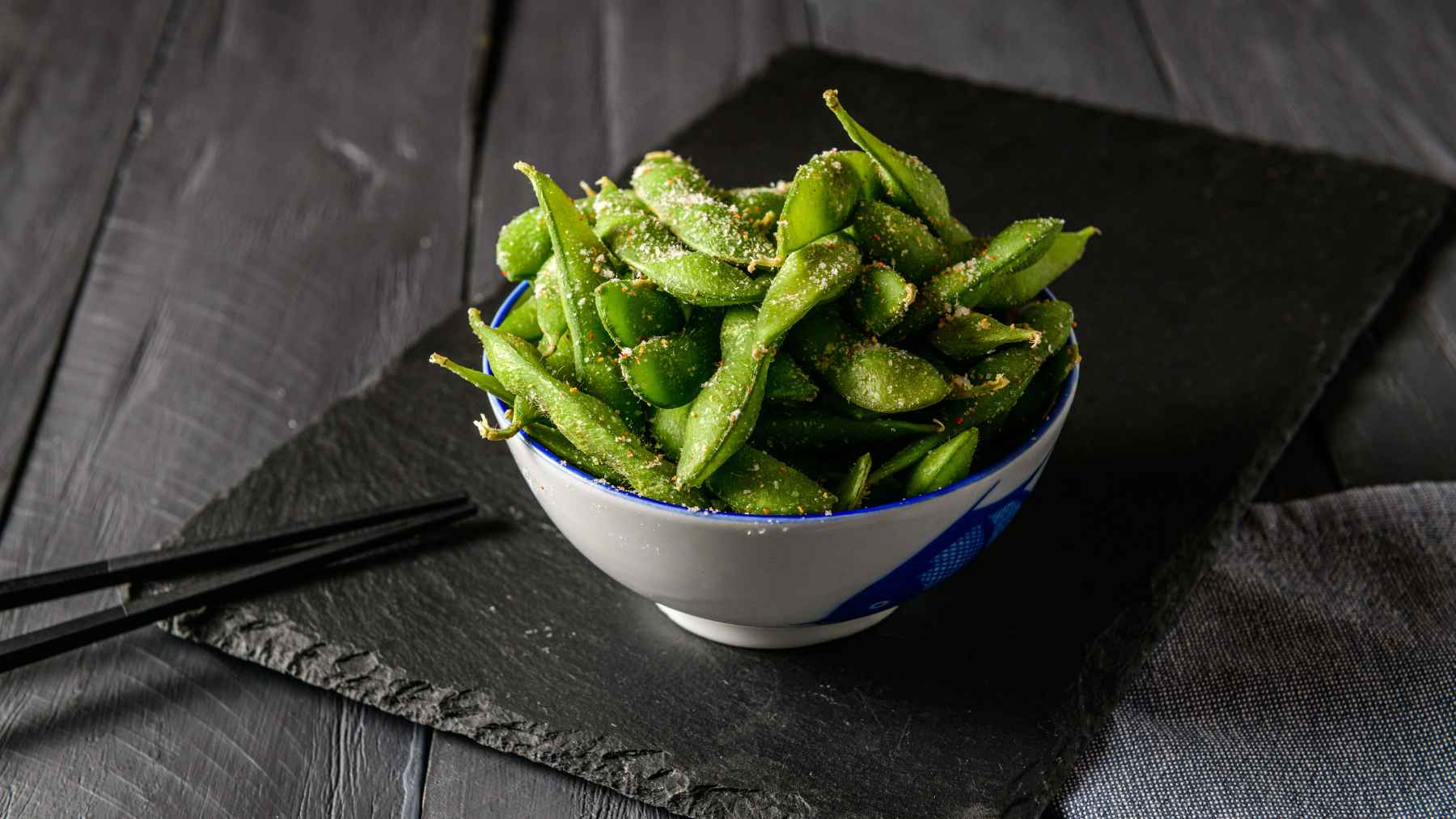
In everyday terms, that’s water instead of soda, beans instead of a drive-through burger, and fruit instead of juice when possible. Fiber-rich foods help meals feel more filling, which can make it easier to reduce the overall load on the liver without counting every bite.
The takeaway for your liver
The liver does not ask for luxury. It asks for less alcohol, fewer sweet drinks, fewer ultra-processed meals, and more simple food that looks closer to something cooked at home.
People with obesity, type-2 diabetes, high blood pressure, abnormal cholesterol, or unexplained liver enzyme results should ask a clinician about their liver risk.
The main official guidance has been published in the Journal of Hepatology.