Liz Hilliard is not treating 72 as a reason to coast. The longtime Pilates and fitness trainer says her goal is to keep building the kind of strength that still matters at 90, from getting out of a chair easily to keeping up with friends on an afternoon bike ride.
Her plan is not built around punishing workouts or chasing a younger body. It centers on muscle, steady movement, healthy food, and relationships that make exercise feel like part of life instead of another chore. “I fully expect to be at least as strong and healthy in my 90s as I am now, if not stronger,” Hilliard says.
Strength at 72
Hilliard is a STOTT-certified personal and group Pilates instructor with decades of experience. In 2008, she created Hilliard Studio Method, known as HSM, a program that blends Pilates with strength training for a full-body workout.
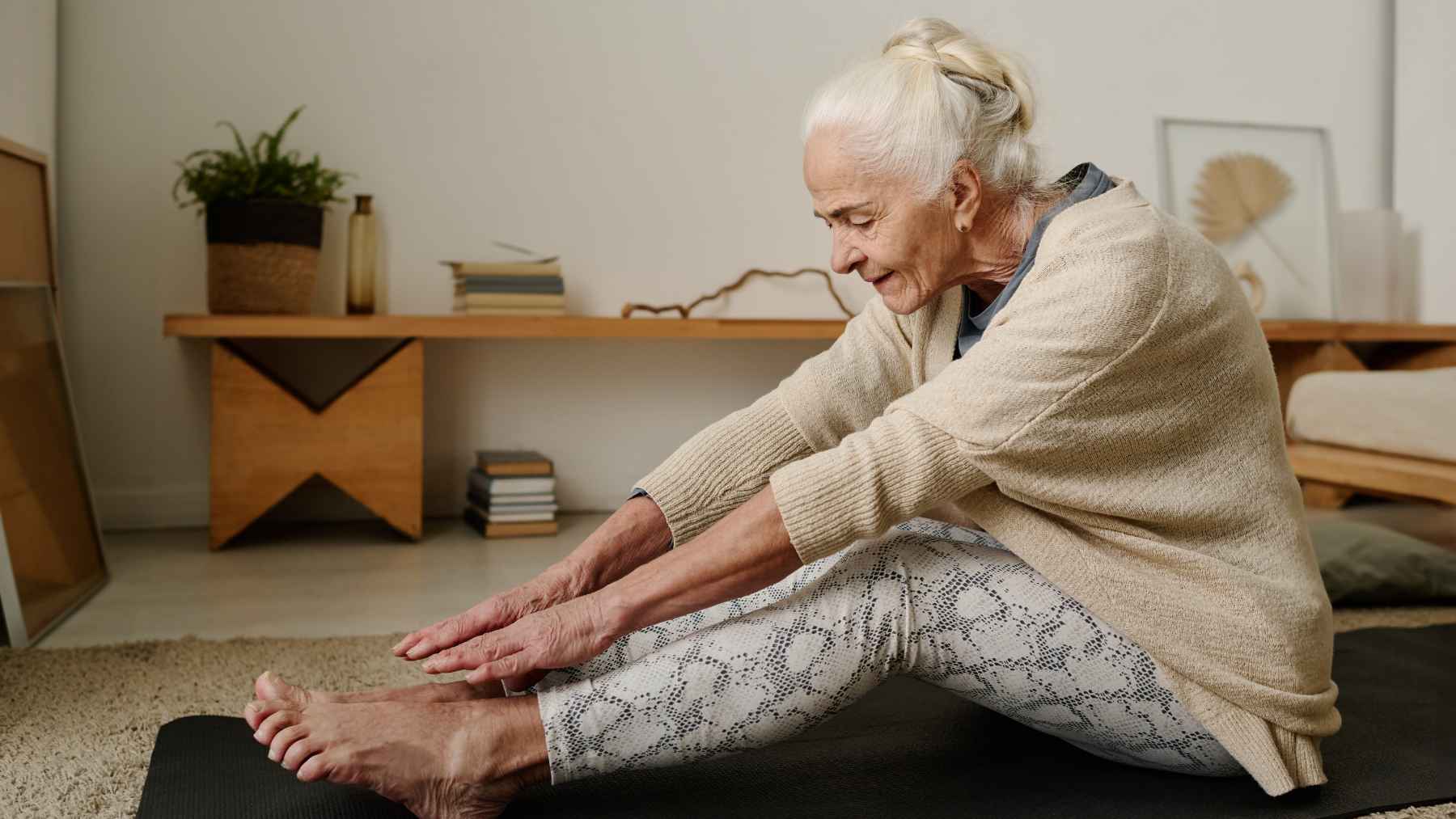
Pilates is a low-impact system built around controlled movement, posture, breathing, and core strength.
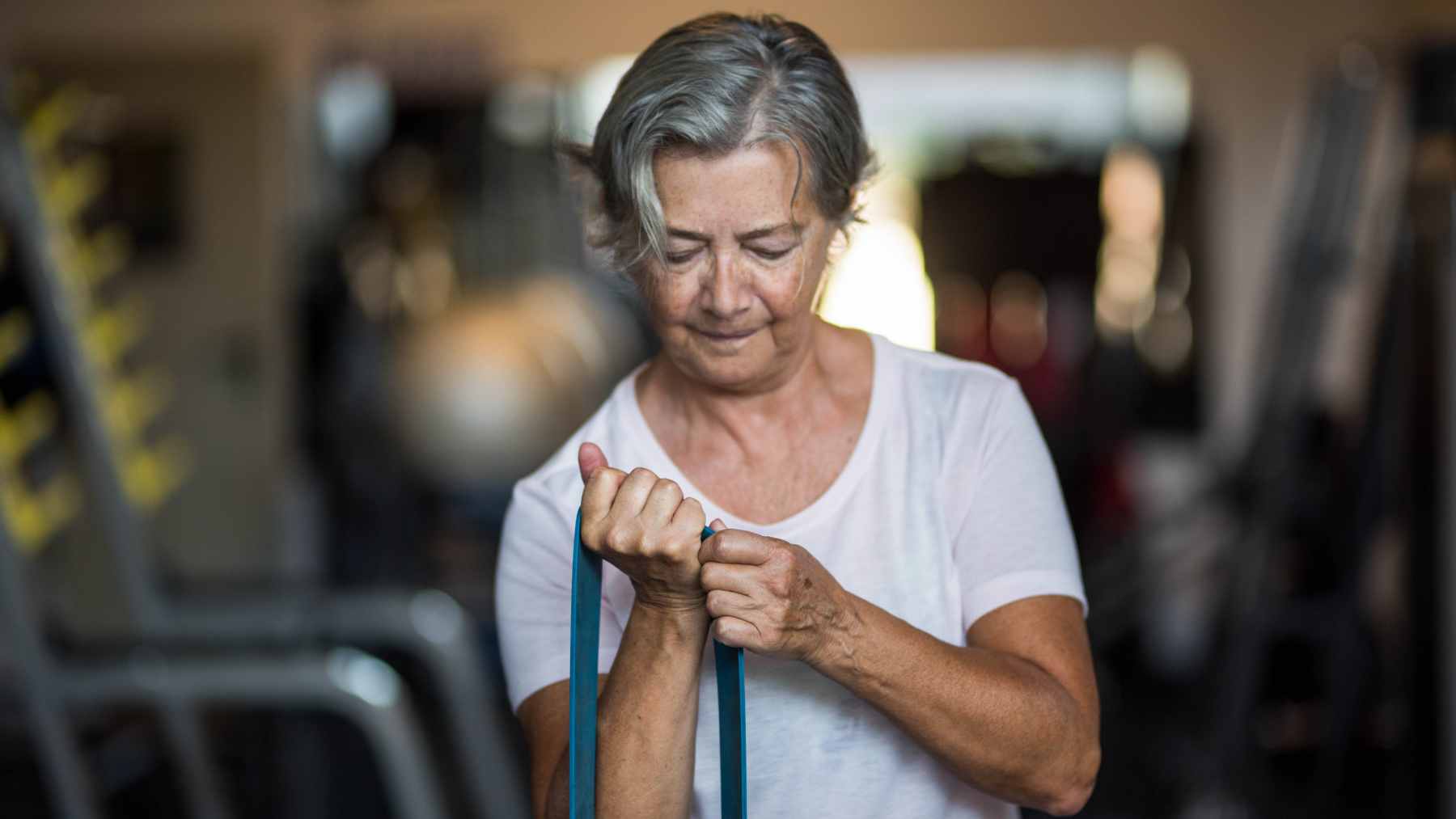
Resistance training is simpler than it sounds. It means your muscles work against weight, bands, or body weight so they have a reason to stay strong. Hilliard Studio Method describes its classes as a mix of Pilates-centered movement and strength training.
Her weekly plan
Hilliard’s week has a clear rhythm. On Monday, she teaches a one-hour Method class focused on full-body strength, then adds a walk for 30 to 45 minutes later in the day. Tuesday brings another one-hour class, this time using heavier weights for the upper body and lighter work for the lower body.
Wednesday is her busiest training day. She does a one-hour Method class, adds a 35 minute full-body express workout, then usually takes a walk or bike ride for 30 to 45 minutes after work. Thursday is lower-body strength with heavier resistance, while Friday returns to full-body work with heavier resistance.
Saturday looks different, and that’s the point. She does a one-hour Pilates reformer session at home for a deep stretch, then rides her bike to lunch with friends. Sunday is a full rest day, though she may still take an easy walk or bike ride to lunch or a movie.
Why muscle matters
Hilliard says her top fitness priority is increasing muscle mass. That may sound like a bodybuilder’s goal, but for older adults it is much more practical. More muscle can mean steadier steps, easier stairs, and better odds of staying independent.
The key word here is sarcopenia, which means age-related loss of muscle and strength. The National Institute on Aging says muscle function often declines as people get older, and that can make daily activities harder and threaten independence.
How much movement is enough? The CDC recommends that adults 65 and older get at least 150 minutes of moderate aerobic activity each week, plus muscle-strengthening activity on at least two days and balance work.
Hilliard’s schedule sits on the active end of that advice, but the basic mix is the part most people can borrow.
Movement without burnout
One detail stands out in Hilliard’s routine. She doesn’t remain sedentary for the rest of the day after a hard work-out. She teaches four to five HSM classes each week, walks or bikes most days, and aims for 7,000 to 10,000 steps on average.
That matters because everyday movement adds up. It is the walk after work, the bike ride to lunch, the choice to keep moving when the couch is tempting. Nothing flashy. Just repeatable.
She also protects recovery. Her Sunday rest day is not a failure of discipline, but part of the plan. At 72, or at 42, a body still needs time to absorb the work.
The social side
Hilliard’s advice is not just to lift more or walk farther. She recommends choosing movement that feels enjoyable and challenging, not something you dread before you even put on your shoes.
She also points to friends as a powerful form of accountability. A workout partner can turn a class into a commitment, and a studio can become more than a room with weights and mats. That’s where real life slips into fitness.
At the end of the day, what she is trying to build is not only a stronger body. It is a lifestyle that keeps her connected, active, and interested in the next day.
A realistic lesson
Hilliard’s routine is ambitious, and it should not be read as a requirement for every 72-year-old. Some people need gentler starts, shorter sessions, or medical guidance before changing their workouts. That is normal.
Still, the larger lesson is easy to understand. Strength training, daily movement, rest, and community are not separate wellness trends. For the most part, they are pieces of the same puzzle.
So what can the average person take from her week? Start with what you can repeat. Add resistance work, walk more, make it social when possible, and leave room for joy.
The main report has been published in Fit&Well.