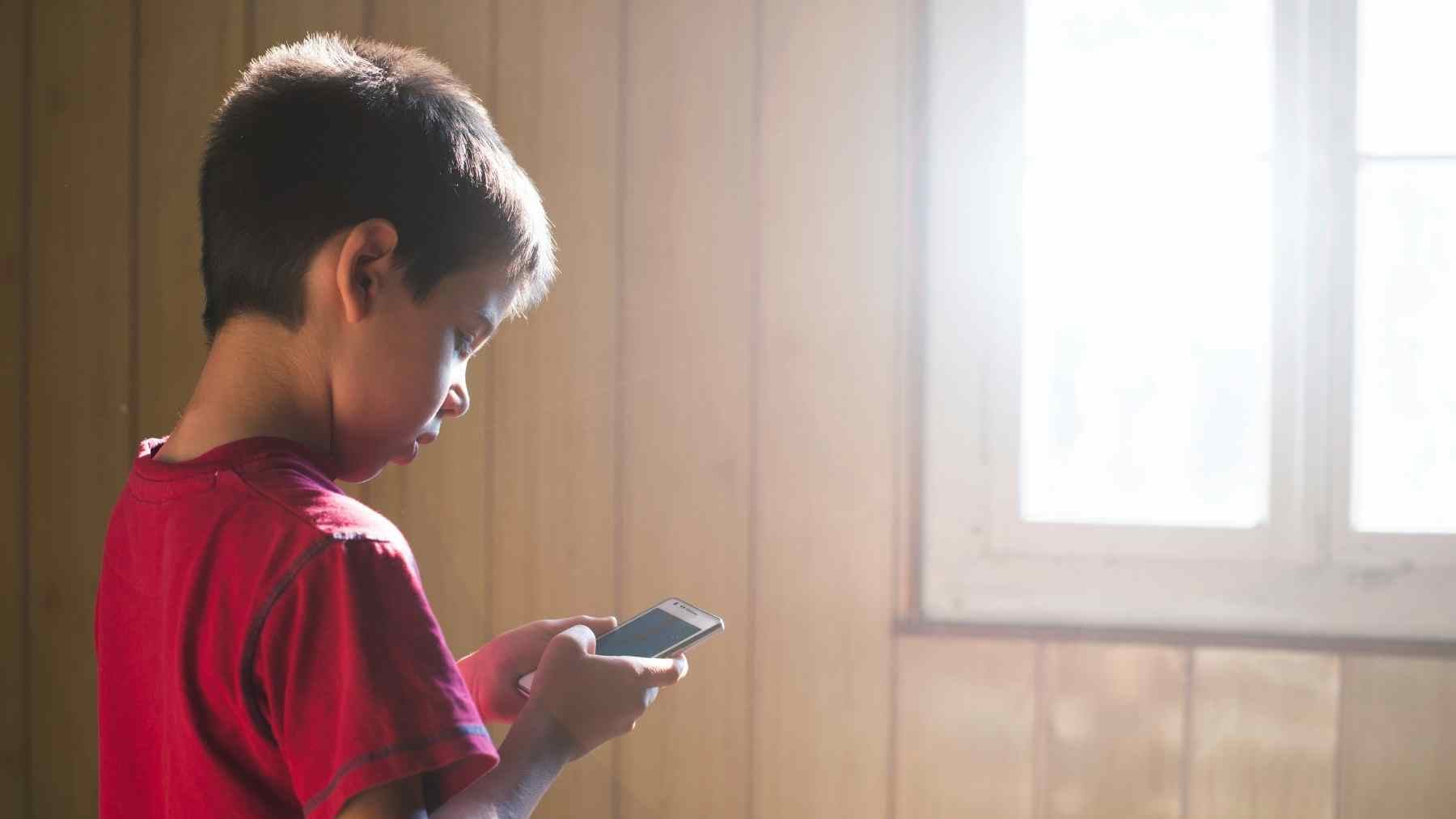
A phone can start as a tool and slowly turn into the thing your hand reaches for before your brain even notices. One quick check becomes ten, and the quiet minute before bed becomes another scroll through messages, videos, and notifications.
That is why specialists are moving away from one simple command to “cut screen time.” The more useful approach, backed by recent pediatric guidance, is to change the routines around the phone, especially at meals, during homework, before sleep, and in the moments when boredom or stress usually triggers a check.
Why time limits fall short
The American Academy of Pediatrics says there is not enough evidence to give one universal screen-time number that is safe or healthy for every child and teen. Its newer guidance pushes families to look at the child, the content, the reason for using the device, what screen use is crowding out, and how often families talk about it.
That matters because the phone is not only a clock problem. It is a habit loop. Notifications, autoplay, endless feeds, and group chats can turn a short break into a pull that feels hard to resist, especially after a long school day or a stressful work email.
The warning signs
Not every heavy phone user has an addiction. But experts warn that a pattern becomes concerning when the device interferes with sleep, school, work, exercise, friendships, or mood.
The U.S. Surgeon General’s advisory on youth social media noted that up to 95% of teens ages 13 to 17 report using a social media platform, and about one-third say they use social media “almost constantly.” That does not mean every teen is in trouble, but it does show how normal constant checking has become.
Sleep is the first battlefield
One of the clearest places to start is bedtime. A 2025 study of 17,713 university students found that those meeting criteria for smartphone addiction had a 184% higher risk of poor sleep and slept about 15 minutes less per night than those without it.
That does not mean every late text ruins sleep. But it does explain why specialists often recommend moving phones out of the bedroom, turning off notifications at night, and creating a wind-down routine that does not begin with a glowing screen inches from the face.
Schools are not enough
Schools around the world have tried phone restrictions to reduce distraction and get students talking face to face again. That makes sense to any teacher who has watched a room lose focus the second a notification buzzes.
But the evidence is mixed on what bans can do alone. A University of Birmingham study of 1,227 students across 30 English schools found that restrictive phone policies did not produce better outcomes in mental well-being, anxiety, depression, physical activity, sleep, or academic measures, although more overall phone and social media time was linked with worse outcomes.
The debate is growing
The concern has also moved into courts. In March 2026, a Los Angeles jury found Meta and Google negligent in a $6 million verdict over social media harm to a young user, though both companies said they planned to appeal.
For families, that legal fight may feel far away from the kitchen table. Still, it points to the same issue specialists keep raising, which is that personal discipline alone is not enough when platforms are built to hold attention.
Habits that create friction
The most practical advice is surprisingly small. Keep the phone out of the dining area, charge it outside the bedroom, silence nonessential notifications, and use “one screen at a time” rules so a show, a game, and a group chat are not all competing for attention.
The AAP Family Media Plan also recommends screen-free zones such as the dinner table, homework time, and before bed, along with turning off autoplay and choosing higher-quality content. Those steps create friction, and friction matters when the goal is to stop the automatic reach.
Replace the scroll
Taking something away rarely works unless something else takes its place. A teen who usually scrolls after school may need a walk, sports practice, a book, a snack at the table, or ten quiet minutes before talking to anyone.
Adults need replacements too. What happens after work, when the brain is tired and the couch is right there? The best plans leave room for boredom, conversation, chores, hobbies, and real rest, not just a stricter version of the same old battle.
Adults have to lead
Parents can set rules, but children notice the phone in an adult’s hand. A parent who checks messages through dinner and then tells a teen to “be present” is asking for a fight.
AAP guidance tells families to make a plan for everyone, including caregivers, and to model the habits they want children to practice. That may mean a shared charging station, no phones during family meals, and honest conversations about why adults struggle too.
When to get help
A phone plan should not become a household war. If a child or adult becomes panicked without the device, withdraws from friends, loses sleep for weeks, or cannot stop despite real consequences, it may be time to talk with a pediatrician, family doctor, or mental health professional.
The larger point is not to make phones disappear. It is to make them smaller in daily life, so sleep, movement, study, work, and face-to-face connection have space again. That is not dramatic. It is the kind of reset many families can actually try tonight.
The official guidance was published on HealthyChildren.org.