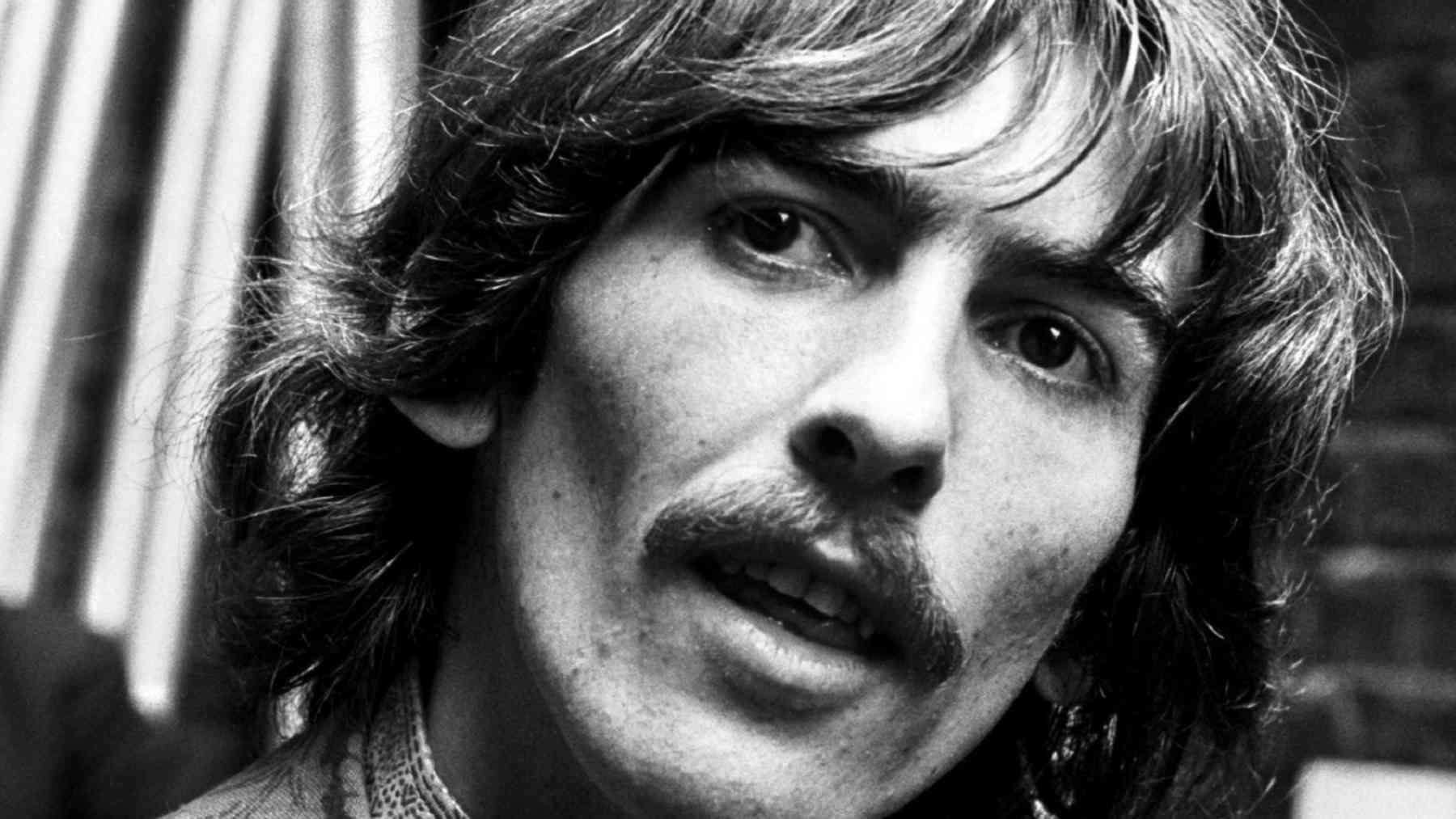
George Harrison’s line “If you don’t know where you’re going, any road’ll take you there” is getting renewed attention as a quote of the day, but it reads less like celebrity nostalgia than a blunt wellness reminder. The phrase, highlighted in a recent Panache profile of the former Beatles guitarist, captures a problem many people know too well, moving through days with plenty to do and no clear sense of why.
That matters because purpose is not just a nice idea for journals, podcasts, or Sunday-night planning. Research has linked a stronger sense of direction with lower stress, better mental well-being, and healthier aging, although experts are careful to say the evidence shows association, not a magic cure. It is simple, but not small.
The quote behind the lesson
Harrison, known for years as the “quiet Beatle,” was never really quiet creatively. The Panache profile notes that his songs, including “Taxman,” “Within You Without You,” “While My Guitar Gently Weeps,” “Something,” and “Here Comes the Sun,” showed a growing voice inside a band often defined by John Lennon and Paul McCartney.
The road image also fits Harrison’s wider life. His official website lists “Any Road” as part of “Brainwashed,” and the song’s restless movement feels like a person trying to understand where effort, faith, and daily choices are supposed to lead. What road are you actually on?
Purpose is not a luxury
The American Psychiatric Association describes purpose as a central life aim, a sense of direction, and the belief that daily activities matter. In real life, that can be grand, like building a career, or very ordinary, like caring for a child, showing up for a friend, or finally taking the walk you keep postponing.
This is not a niche concern. A report cited by the association found that 58% of U.S. young adults ages 18 to 25 said they had lacked meaning or purpose in the previous month, and half said their mental health was affected by “not knowing what to do with my life.” That sentence may sound familiar to anyone staring at a phone at midnight, scrolling but not really resting.
What the data shows
A 2019 study in JAMA Network Open followed 6,985 U.S. adults older than 50 and found that stronger purpose in life was associated with decreased mortality. People in the lowest purpose category had a higher risk during follow-up than those in the highest category, but the authors called for more research before turning purpose into a medical intervention.
Newer research adds another layer. A 2025 UC Davis study followed 13,765 adults ages 45 and older for up to 15 years and found that people with higher purpose were about 28% less likely to develop cognitive impairment, including mild cognitive impairment and dementia. Senior author Aliza Wingo said purpose “helps the brain stay resilient with age.”
Small goals still count
One useful part of this research is that purpose does not have to look dramatic. UC Davis noted that meaningful relationships, work, volunteering, spirituality, hobbies, learning, and personal goals can all give people a sense of direction. That is much more manageable than trying to redesign your whole life by Sunday night.
In practical terms, that means the first step may be small. Write down one thing that gives your week meaning, then protect a little time for it, whether that is cooking a real meal, practicing guitar, mentoring someone, going to therapy, or walking without earbuds for once. Tiny roads still lead somewhere.
Harrison lived that search
Harrison’s own path was not a straight line. He grew from The Beatles’ lead guitarist into a songwriter shaped by Indian classical music, Eastern philosophy, and spiritual exploration, eventually creating solo work with a sound and worldview of its own.
After The Beatles, he released “All Things Must Pass,” helped organize the Concert for Bangladesh with Ravi Shankar, and later co-founded the Traveling Wilburys. UNICEF USA describes the 1971 Concert for Bangladesh as the first major music benefit concert for a humanitarian cause, a reminder that purpose can also mean turning talent toward other people.
A road for everyday health
The takeaway is not that everyone needs a perfect five-year plan. For the most part, purpose changes as people change, and the American Psychiatric Association notes that direction can evolve through different stages of life. That may be the most human part of Harrison’s quote.
Still, drifting has a cost when it becomes the default. Harrison’s old line works because it does not scold the listener, it simply asks them to notice whether they are choosing a road or just following traffic.
The study was published on The American Journal of Geriatric Psychiatry.