Most of us think of wrinkles as a skincare problem, something to tackle with serums, sunscreen, and the occasional late-night impulse buy. But your skin is also a living tissue that depends on what you eat and drink every day. When the diet runs low on key fats, antioxidants, and collagen-building nutrients, the mirror can start to show it.
A diet that supports skin usually looks familiar: fatty fish, colorful fruits and vegetables, nuts and seeds, and enough protein to maintain the body’s repair systems. The twist is that the same “healthy” foods that keep skin plump can be undercut by one common habit: chronic high sugar intake, which can stiffen collagen through a process called glycation.
That’s why the smartest anti-wrinkle plan is less about “miracle” foods and more about building a routine that keeps skin hydrated, protected, and resilient.
Hydration is not just water
Skin can look older when it is chronically dry and under-fueled. Yes, drinking water matters, but your skin also needs fats to keep moisture from escaping, like mortar in a brick wall.
That is why nutritionist Mounia Boulanouar recommends prioritizing foods rich in omega-3, omega-6, and omega-9 fats. The American Heart Association also advises eating fish, especially fatty fish, at least twice a week (about two 3-ounce servings).
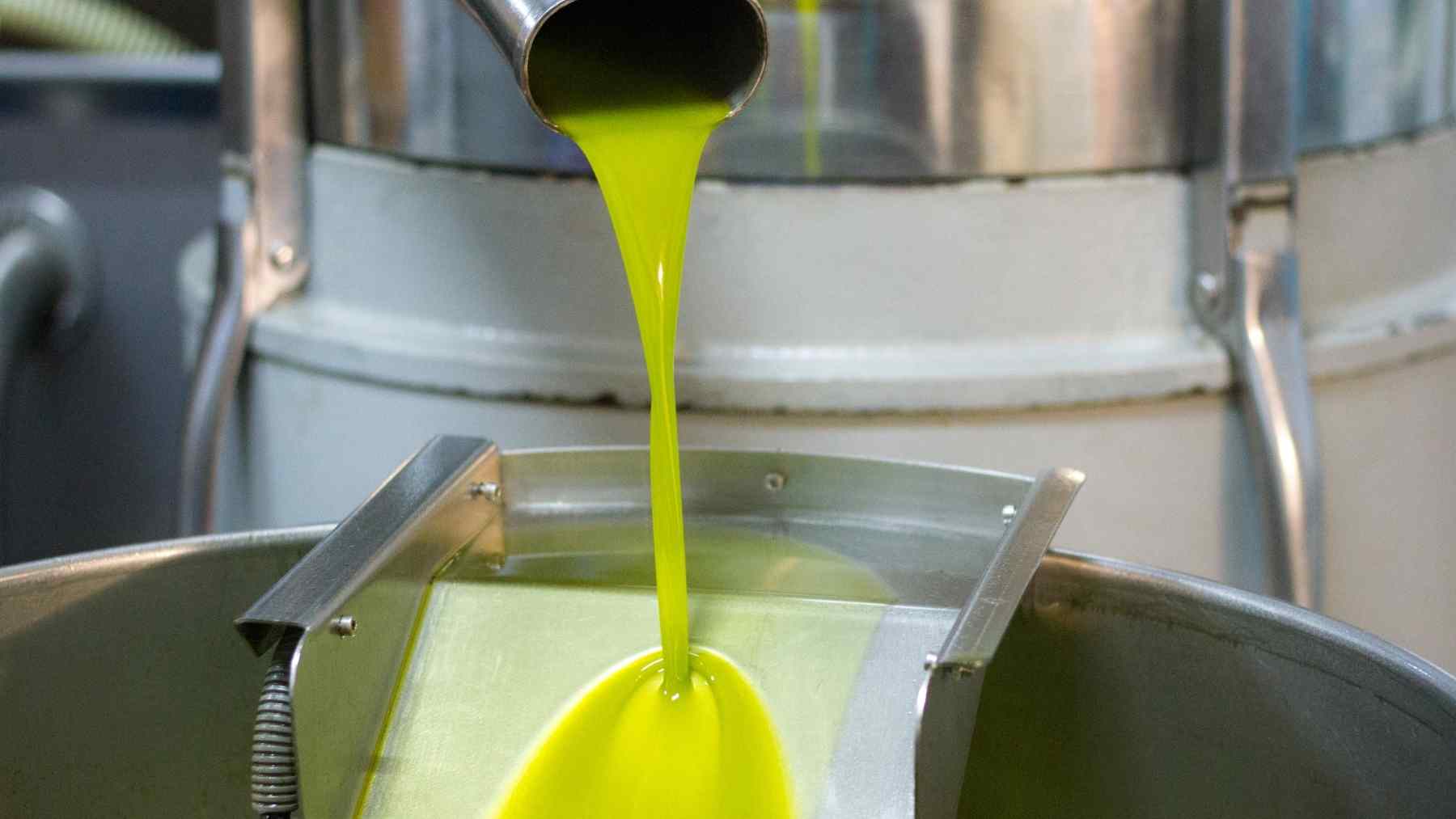
For most people, that can be salmon, sardines, or trout, plus plant fats like avocado, walnuts, flaxseed, and extra virgin olive oil. If you are pregnant, breastfeeding, or feeding young children, follow U.S. advisories on mercury and fish choices.
Support collagen with the right building blocks
Collagen is the scaffolding under your skin. Your body makes it from amino acids, but it needs micronutrients to keep the assembly line moving, especially vitamin C.
Vitamin C is the cofactor for enzymes that stabilize collagen, and it is also a frontline antioxidant. Foods like guava, kiwi, bell pepper, citrus, and strawberries can help you hit your daily needs, and they still count even if you steam or sauté them, though raw options tend to preserve more.
Protein matters too. Lean meat, eggs, dairy, legumes, and soy provide collagen-friendly amino acids like glycine and proline, while vitamin C helps “finish” the fibers. The American Academy of Dermatology notes that for most people, a balanced diet is a smarter starting point than supplements marketed for “beauty”.
Tomatoes, carrots, and berries bring antioxidant power
When people talk about “anti-wrinkle foods,” they are often really talking about antioxidants. These compounds help counter oxidative stress, which can speed up collagen breakdown, especially when sunlight and pollution pile on.
Tomatoes are a standout because of lycopene, a carotenoid linked to skin and overall health, and interestingly, cooking tomatoes can make lycopene more bioavailable. Carrots add beta-carotene, which the body can convert into vitamin A, while berries deliver flavonoids like anthocyanins that protect cells from damage.
Green tea is another popular pick, largely because of catechins like EGCG. A randomized controlled trial found that green tea catechins helped protect the dermal extracellular matrix after UV exposure, which is one reason the drink keeps showing up in “skin from within” conversations.
A reality check on hyaluronic acid, biotin, and astragalus
Hyaluronic acid is famous in serums, but it is also present in connective tissues throughout the body. There are foods that contain small amounts, but traditional “rich” sources are bone marrow and slow-cooked broths made with joints and bones.
Even so, the bigger question is whether ingesting hyaluronate changes skin in a measurable way. A 12-week randomized, double-blind, placebo-controlled trial in 150 healthy adults found that 120 milligrams per day of oral sodium hyaluronate improved facial skin hydration, reduced transepidermal water loss, and lowered wrinkle depth compared to placebo.
Biotin is another popular “skin and hair” pill, but the NIH Office of Dietary Supplements says evidence for beauty benefits in healthy people is limited, and high doses can interfere with lab tests, including thyroid tests. As for astragalus, some supplement makers claim it supports telomeres, but research is still emerging and products vary widely.
Glycation is the quiet wrinkle-maker
Glycation is a chemical reaction where excess sugar binds to proteins like collagen and elastin. Over time, it can form compounds called advanced glycation end products, or “AGEs,” which may make skin fibers stiffer and less elastic.
This is one reason experts often recommend limiting added sugar and ultra-processed foods, even if your main goal is better skin. It is not just about acne or weight, it is about protecting the structure that keeps skin smooth.
The anti-glycation approach is not glamorous, but it is doable. Cut back on added sugar most days, and lean more on moist-heat methods like steaming, boiling, or stewing, plus acidic marinades, when you cook meat or fish.
A simple “anti-wrinkle” shopping list
If you want a practical starting point, prioritize a short list of foods that cover the big anti-aging nutrient categories. Think fatty fish twice a week, tomatoes and carrots for carotenoids, berries and citrus for polyphenols and vitamin C, plus nuts and seeds for healthy fats.
Add eggs, yogurt, beans, or lean meat for protein, and keep olive oil as your go-to fat for cooking and salads. Then, make one change that helps your future self: swap a daily sugary snack for fruit, or keep dessert as an occasional treat instead of an everyday default.
Small habits compound. Add one “color” to each meal, drink water like you remember to pay the electric bill, and keep your plate balanced more days than not. Your skin is not a stopwatch, but it does respond to what you feed it.
The study was published on Scientific Reports.